
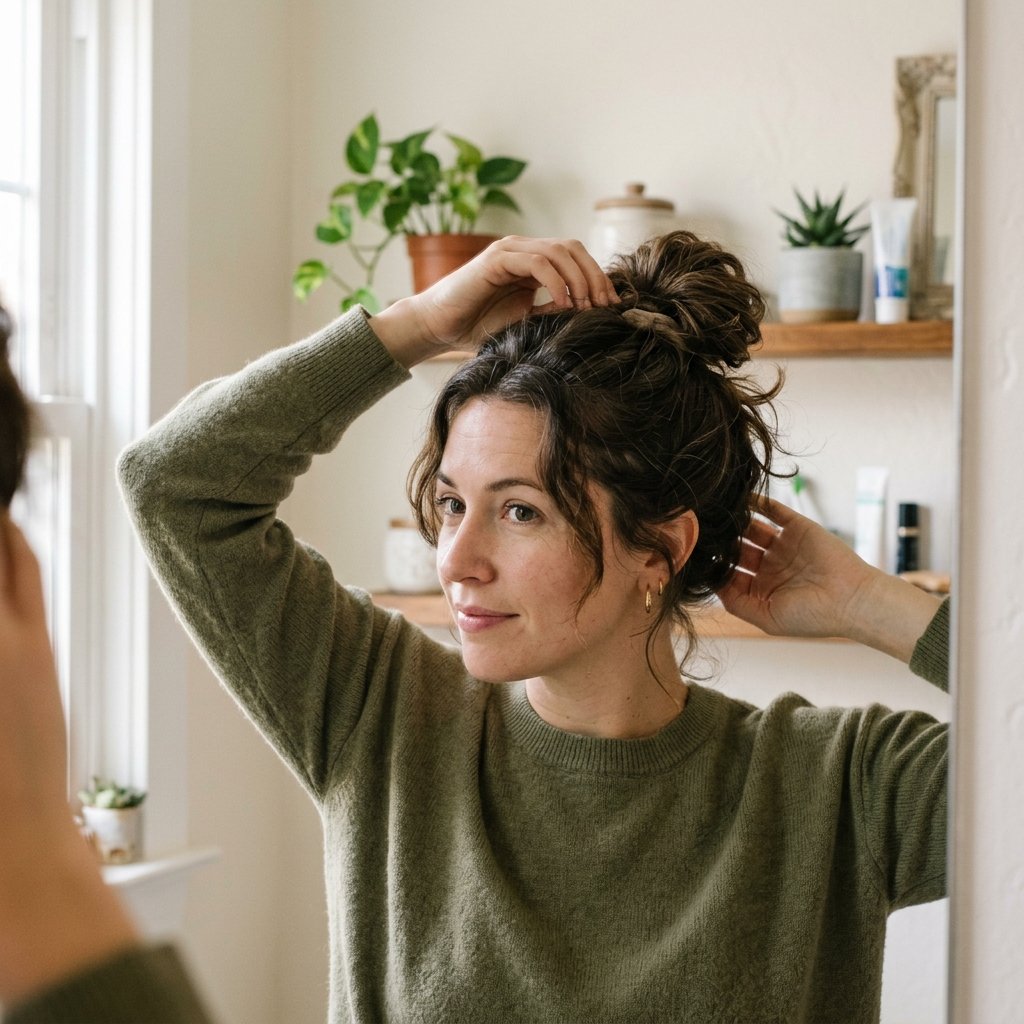
A bun solves several problems within the same five minutes. It clears hair away from the face and reads as a deliberate choice rather than a rushed one. The same twist works for a supermarket run and a video call without needing a redo in between. Even so, plenty of people default to one version out of habit. Learning a second or third style can feel like it demands more time than a rushed morning actually allows.
This guide sets out five reliable everyday bun styles with full step-by-step instructions. It also covers how each one shifts depending on hair texture, whether that means straight, wavy, curly, or fine strands. The result is a small rotation that works with the hair on hand, rather than against it.
Each style below relies on a different core mechanic: a twist, a plait, or a segmented ponytail. Learning all five builds a foundation for other bun variations later on. Most fancier versions are really just one of these five moves with an extra step layered in.
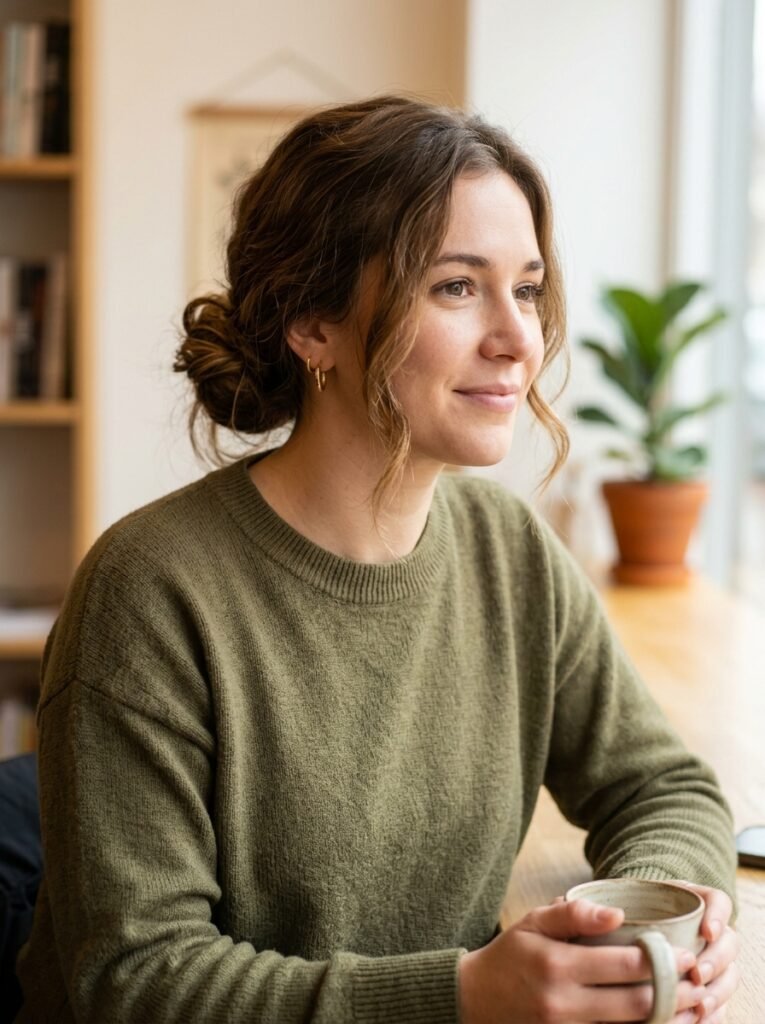
Why Buns Are the Ultimate Everyday Hairstyle
A bun keeps hair contained through a workout, a busy kitchen, or a stretch of back-to-back meetings. It also hides second or third day hair without much effort. Pulled tight, it reads as polished. Left loose, it reads as relaxed. That entire range comes from one basic shape.
Buns also skip the two things that usually eat up morning time: heat and product. No curling iron, no round brush, no lengthy list of sprays and creams. A twist, an elastic, and a few pins finish the job in under a minute once the motion becomes familiar.
The shape also travels well across most lengths, since it only needs enough hair to gather with one hand. That makes it one of the few styles that stays relevant through a haircut or a length change. Hair growing out unevenly between salon visits barely affects it.

What You’ll Need Before You Start
Bun styles ask for very little hardware, which is a large part of their appeal for daily wear. Nothing on the list below needs an outlet or a mirror at a specific angle. A handful of basics covers nearly every version that follows.
The following short list covers what helps most:
- A few sturdy hair elastics
- Bobby pins for securing loose sections
- A wide tooth comb or brush
- A texturizing spray for extra grip
- A small hair donut or bun maker, if you like a fuller shape
Hair with a day of natural oil on it tends to outperform hair straight out of the shower for this style. The strands already carry a light coating that adds friction, so a twist grips instead of sliding loose. Skipping a wash day, in this one case, actually helps rather than hurts the result. A small amount of dry shampoo worked through clean hair mimics that same effect. It works even when a wash day cannot be skipped.
5 Easy Bun Styles to Try
The five styles below range from polished and controlled to loose and undone, which covers most everyday needs. Anyone after something more elaborate for a wedding or night out can browse this roundup of party-ready bun styles instead.

Classic Low Bun
The classic version starts with a low ponytail gathered at the nape and secured with a small elastic. Twisting the tail in one steady direction lets it coil naturally against itself instead of forcing a shape. The coiled length then wraps around the base of the ponytail until it sits flat. A handful of bobby pins placed evenly around the outer edge holds the shape. Stray ends tuck underneath rather than staying visible.

Messy Top Knot
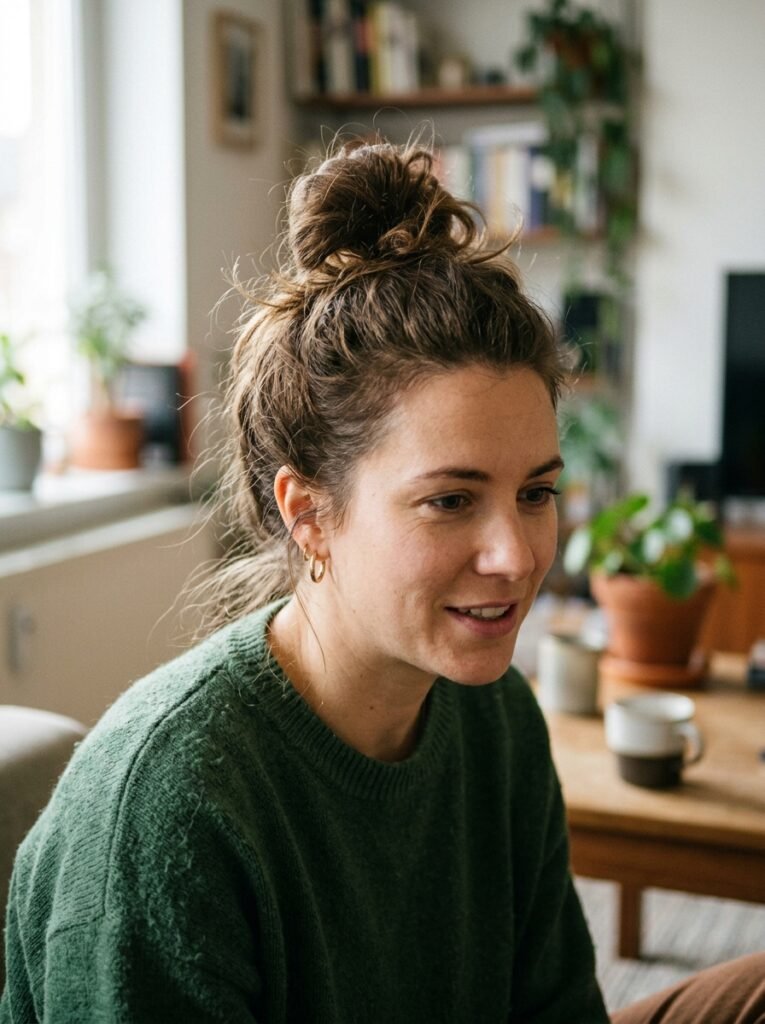
Flipping the head forward brings the most hair to the crown, which is where this knot needs its base. Gathering that hair into a high ponytail and securing it firmly keeps the foundation from sliding once the twisting starts. The twist itself stays loose rather than tight, since tension here works against the intended texture. Wrapping the twisted length around the base without smoothing it flat leaves a few pieces standing away on purpose. Nothing gets tucked in completely. A gentle tug at the top, after pinning, opens the knot into a slightly relaxed, lived-in silhouette.
Twisted Bun
A twisted bun starts the same way as the classic version. Hair gathers into a ponytail at whichever height suits the day. Instead of one single twist, the tail splits into two even sections. Each section twists on its own first, tightly enough to hold its shape independently. The two twisted ropes then wind around each other, which produces a texture a single twist cannot match. Wrapping that combined twist around the base and pinning it finishes a more detailed bun than the classic version.

Braided Bun
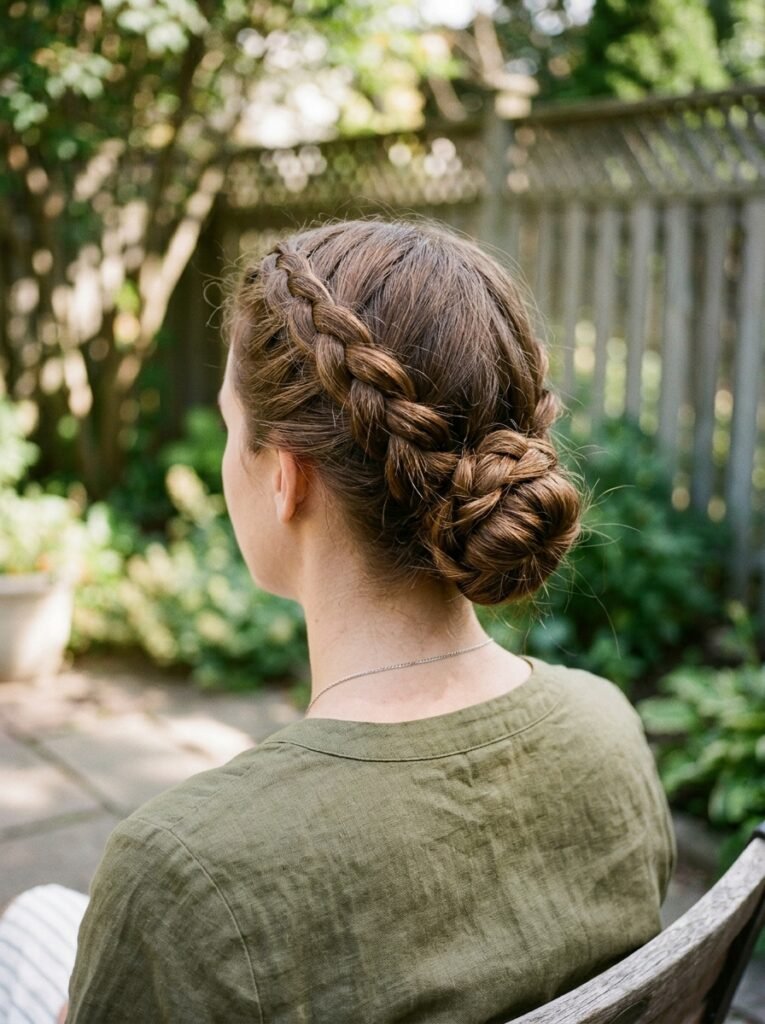
The braided version begins with a ponytail secured at the desired height. A simple three strand braid worked down the full length replaces the plain twist used in other versions. Coiling that braid around the base, working in one steady direction, produces a tidy spiral rather than a lumpy stack. Firmer braiding leaves a more defined ridge pattern once coiled. A looser braid softens the texture instead. Pins around the perimeter hold the coil in place. The tail end tucks underneath the spiral, so no loose tip shows.
Half-Up Bun
The half-up version isolates only the top section of hair, roughly from ear to ear, leaving the rest hanging free. That top section gathers into a small ponytail secured with a smaller elastic than the full styles above use. Twisting it and wrapping it around its own base creates a compact knot rather than a full bun. A couple of pins hold the small shape in place. Because most of the hair stays down, this version reads as softer than the four full buns above. Shifting the section slightly forward or back also changes how much face-framing length stays loose. Face shape is usually the deciding factor.

Adjusting Your Bun for Your Hair Type
Hair texture affects how easily any of these five shapes comes together, and how long each one holds. A handful of small adjustments, texture by texture, gets more mileage out of the same five styles.
Straight Hair
Straight hair offers the least natural grip of any texture here, so a bun built from it slides first. A texturizing spray at the roots before gathering gives the elastic and pins something to catch. Heavy smoothing serums work against that same goal. A slick coating that flattens flyaways also lets sections slip past each other. A few extra pins, more than seems necessary at first, close that gap.

Wavy Hair
Wavy hair usually carries enough built-in texture to hold a bun with little help. Second-day hair still outperforms a fresh wash for this texture, since the bend softens slightly overnight and grips more easily. Finer waves benefit from a small amount of texturizing product worked through before gathering. A light hand matters here. Too much product weighs down the bend and flattens it before the bun even forms.

Curly Hair
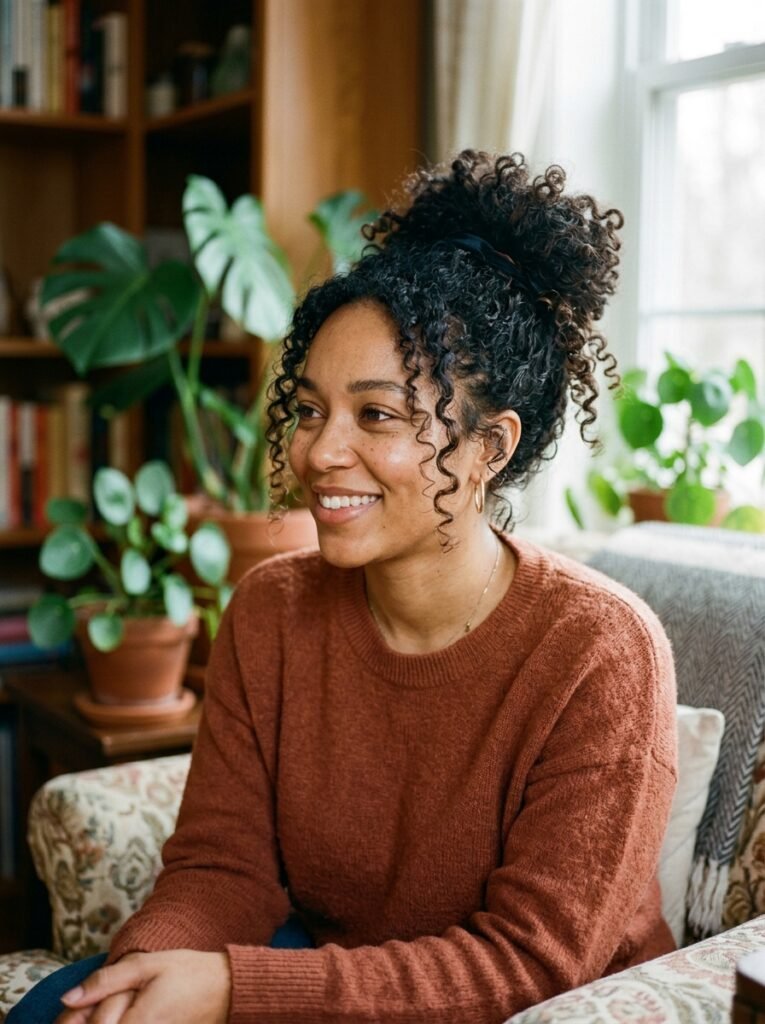
Curly hair gathers more smoothly while still slightly damp, since dry curls resist a clean ponytail base. Finger-detangling in small sections beforehand preserves natural clumping that a brush tends to break apart. A wide tooth comb works best kept to the base, where the elastic sits. That keeps the clump structure mostly intact while still controlling the gather point. A curl-friendly gel or cream along the hairline afterward controls flyaways without disturbing the pattern elsewhere.
Fine or Thin Hair
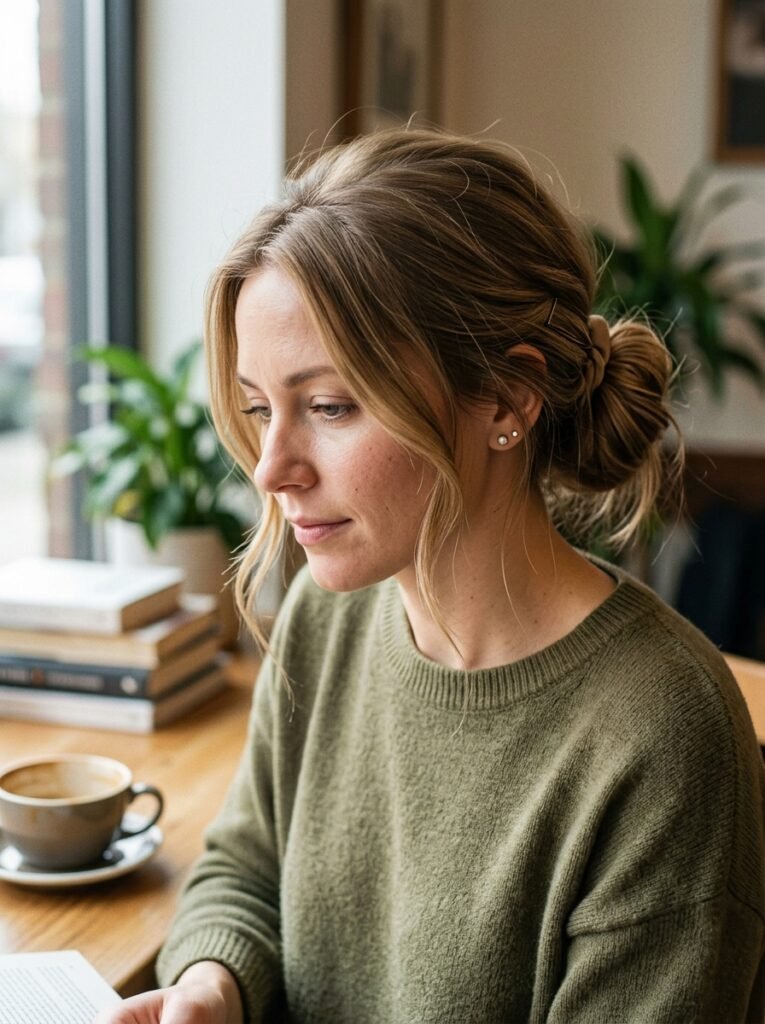
Fine hair has the least material to work with, so it slips loose from a bun before any other type. Backcombing just the ponytail itself, right at the point where the elastic sits, adds grip. Fine strands rarely supply that grip on their own. That same backcombing also disguises the elastic and thickens the base the twist or braid has to work with. A hair donut or bun maker adds shape from the inside rather than relying on hair alone. That becomes especially useful once natural volume runs out. Two thinner elastics stacked together often hold a fine ponytail more securely than one thick band. The added grip comes without extra bulk at the base.
Tips for Making Any Bun Last All Day
Pin placement affects hold more than pin count alone. Two pins crossed into an X shape at the base grip far more securely than two pins placed in parallel. That small adjustment often does more for an all-day bun than adding several extra pins straight in.
A light pass of hairspray over the finished shape smooths flyaways and locks the style in place. Straight and fine hair benefit most from this step, since both textures tend to loosen first. Starting the whole process with textured hair helps too. That can mean second-day hair, or a texturizing spray worked through clean strands. Either way, the hands and the elastic have something to hold onto from the first twist.
Buns are not the only everyday style that lives or dies on a small finishing detail. A separate roundup of everyday hairstyles and their finishing moves covers two dozen more styles built around the same idea. Ponytails, braids, and half-up looks each get their own version of the same small fix.
Common Mistakes to Avoid
Several habits undercut an otherwise good bun, regardless of which of the five versions is in progress.
Excess tension is the most common one. Gathering the ponytail too tightly before styling strains the scalp, and for some people that strain becomes a genuine headache. Neurologists describe this as an external traction headache, sometimes called a ponytail headache. It develops when ordinary tension irritates sensitive nerves in the scalp, not from any underlying scalp condition. A firm but comfortable grip holds a bun just as well, without the discomfort that builds over a full day.
Skipping texturizing product on fresh hair is another frequent misstep, especially for straight or fine hair. Both need the extra grip. Without it, the bun loosens well before evening.
Using too few bobby pins shows up often too, usually in the name of saving time. A couple of extra pins pay off across a full day. Placing them with some thought, rather than at random, matters more than the total count.
Reaching for the wrong elastic causes trouble as well. A metal-hinged elastic or an old, dried-out band snags strands and weakens hair over repeated use. A snag-free fabric-covered elastic costs little and holds just as securely. It also spares individual strands when it eventually comes back out.
Expert Insights: Tips from Stylists
Many stylists build volume into a bun before it gets secured, rather than adding fullness afterward. A light backcombing pass at the crown, done before twisting begins, tends to produce a fuller base from the outset.
A second recommendation shows up almost as often: aim for slightly undone rather than perfectly smooth. Pulling a few soft pieces loose around the face, after the bun is pinned, often reads as more current. A tightly slicked version, by comparison, can look dated rather than deliberate.
Stylists also mention keeping a small stash of spare pins within easy reach, in a bag or a car console. Even a securely pinned bun can loosen slightly after several hours of movement. A spare pin or two usually fixes that in seconds.
One further habit comes up often: rotating bun height across the week rather than pinning the same spot daily. That rotation gives one patch of hairline a break from repeated tension.
Frequently Asked Questions
What’s the simplest bun for someone just starting out? A classic low bun is the most approachable starting point. It only calls for a ponytail, one twist, and a handful of pins. No braiding or sectioning is involved.
How can a bun be kept from loosening during the day? Bobby pins crossed into an X at the base account for most of a bun’s hold. A texturizing spray adds the rest of the grip needed for hours of wear.
Do buns suit fine or thin hair? Yes, particularly when the ponytail is backcombed first. A hair donut or bun maker then fills out the shape from the inside.
Is wet or dry hair better for building a bun? Dry hair generally holds better than hair fresh out of the shower, which tends to slip. A day of natural texture behind it helps even more.
Can curly hair form a smooth, controlled bun? Yes. Gathering the hair while still slightly damp helps considerably. Finishing with a curl-friendly gel or cream along the hairline produces a smoother result than fully dry curls allow.
Conclusion
A bun earns its place in a daily routine mainly through adaptability. It shifts from a rushed five-minute fix to a deliberately polished office choice, using the same basic moves either way. Errands and a formal dinner can pull from the same five styles, adjusted only by tightness and a little product. The five versions above, taken together, cover most of that range. Neither extra tools nor much extra time enters into it.
Once one version becomes automatic, adding a second or third takes very little extra effort. At that point, a bun stops functioning as a daily decision. It starts working more like a habit, something reached for without much conscious thought.


Leave a Reply