The advice used to be simple: wear a suit, keep it neutral, don’t stand out. That advice hasn’t fully disappeared, but it’s increasingly out of step with how interviews actually work now. A stiff, boxy suit at a design studio can read as out of touch. The same outfit at a law firm might be exactly right. The old one-size answer never really fit every room, and it fits fewer of them today.
The goal isn’t to look like you raided a corporate uniform closet. It’s to look like someone who understands the role, respects the meeting, and still has a sense of their own style underneath the polish. That combination, more than any specific blazer or color, is what actually reads as confident.
This breaks down how to get there, industry by industry, without defaulting to the generic “just wear black pants and a blazer” answer that doesn’t hold up once you’re sitting across from an actual interviewer.
Why “Corporate” and “Professional” Aren’t the Same Thing
Corporate dressing and professional dressing get treated as synonyms, but they’re not quite the same idea.
Corporate dressing follows a narrow, fairly rigid formula: dark suit, white shirt, minimal color, minimal texture. It signals conformity above almost everything else. That’s appropriate in some interviews and actively mismatched in others.
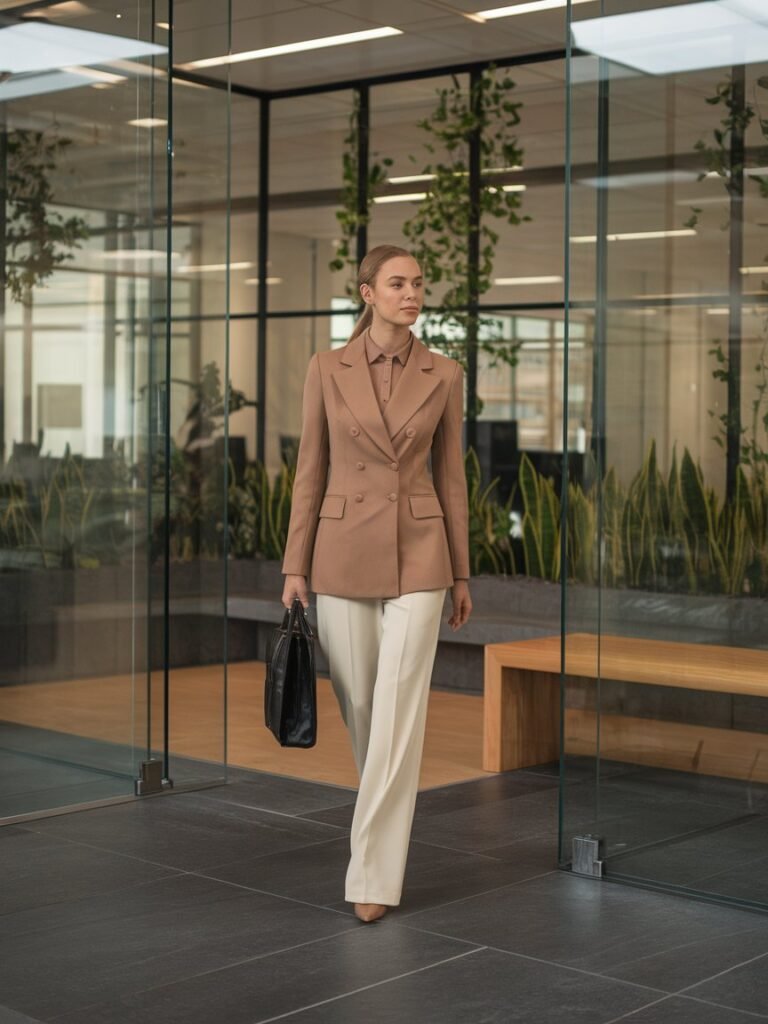
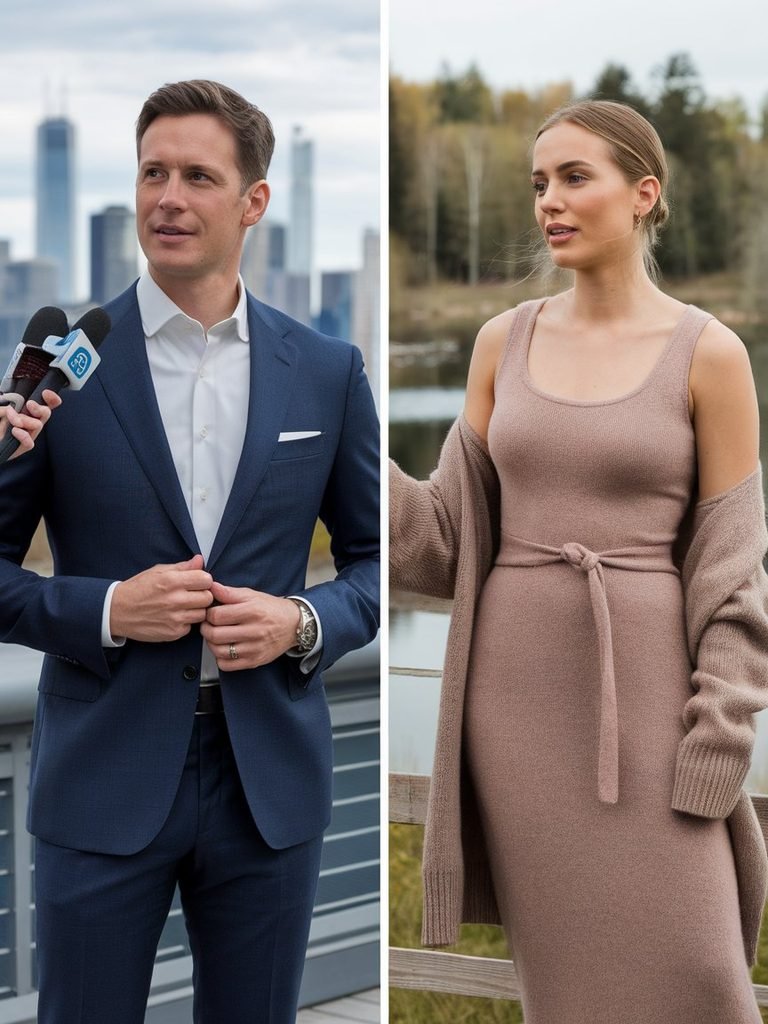
Professional dressing is broader. It signals competence, attention to detail, and self-awareness about the specific room you’re walking into. A well-fitted knit dress in a rich color can read as professional at a marketing agency in a way a boxy suit never would, and the boxy suit can read as professional at a bank in a way the knit dress wouldn’t.
The confident version of interview dressing is professional, not strictly corporate. It adjusts to the room instead of applying the same formula everywhere.
Reading the Room Before You Dress
The single most useful step in this entire process happens before you open your closet: figuring out what “dressed appropriately” actually means at this specific company.
- Check the company’s own photos. Team pages, social media, and event photos usually show real employees in real clothes, which tells you more than any generic guideline.
- Consider the role itself, not just the company. A finance role at a creative agency might still expect more polish than the designers around it.
- Notice the interview format. A panel interview with senior leadership often calls for slightly more polish than a first casual chat with a recruiter.
- When genuinely unsure, dress one notch above what you’ve observed, rather than one notch below. It’s easier to remove a blazer than to explain away being underdressed.
This single step solves more outfit anxiety than any specific piece of clothing could.

The Confident Middle Ground: Elevated Basics
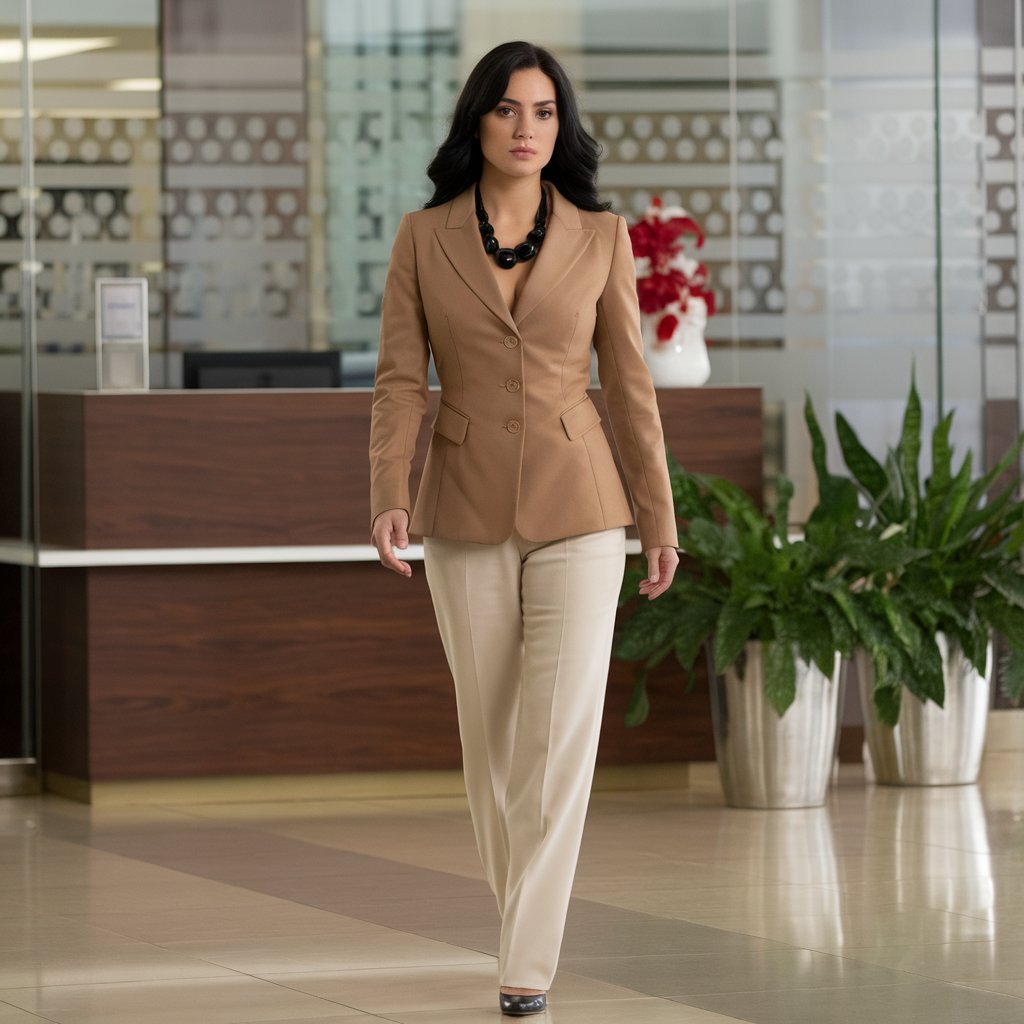
Across almost every industry, one formula holds up: one structured piece, one piece with personality, and clean, intentional lines throughout.
The structured piece does the credibility work. A blazer, a tailored trouser, or a well-cut sheath dress all fall into this category. It’s the part of the outfit that says you took the meeting seriously.
The piece with personality does the memorability work. This could be a color, an interesting texture, a great pair of earrings, or a bag with some personality. It’s the detail that keeps the outfit from reading as a costume.
Clean lines throughout means avoiding anything that needs constant adjusting, anything visibly wrinkled, and anything that doesn’t quite fit the way it should. This part isn’t about being interesting. It’s about removing distractions so the conversation stays on you, not your hemline.
Building the Outfit by Industry
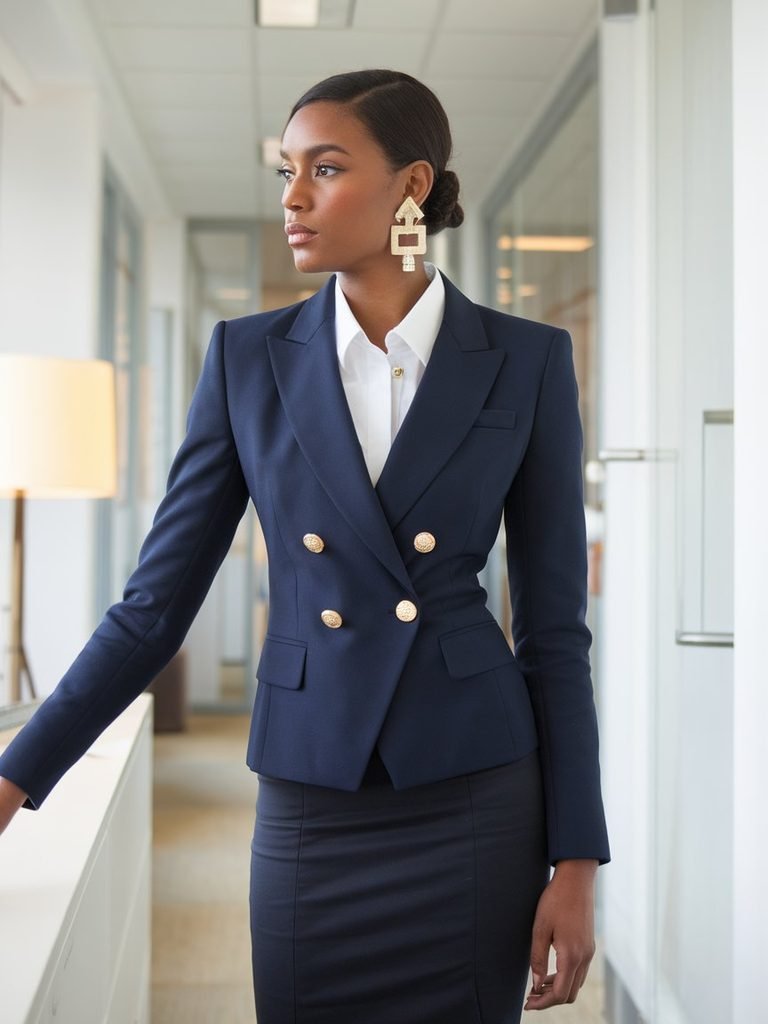
Corporate, finance, and law. This is where more traditional interview advice still holds up well. A tailored suit or a structured dress with a blazer, in navy, charcoal, or black, remains the safest and most expected choice. The personality piece here should stay subtle: a well-chosen watch, a quality bag, or a small pop of color in a blouse underneath a neutral blazer.
Startup and tech. Formality expectations drop noticeably, but “dressed down” doesn’t mean “dressed carelessly.” Tailored trousers with a quality knit top, or a structured dress without a blazer, usually lands correctly. A full suit here can occasionally read as slightly mismatched with the culture, though it’s rarely actually held against a candidate.
Creative, design, and media. This is the one category where a boxy corporate suit can genuinely work against you. Interviewers in these fields are often evaluating taste and point of view alongside skills. A well-cut jumpsuit, an interesting color combination, or a piece with texture or unexpected proportion all signal that you understand the visual language of the industry you’re applying to.
Nonprofit and education. Warmth tends to matter as much as polish in these interviews. A soft blazer, a knit dress, or tailored separates in warmer, more approachable colors usually read better here than stark black and white corporate dressing.
Healthcare and client-facing roles. Clean, simple, and highly polished tends to serve best, since these roles often involve direct public trust. Structured separates in neutral tones, without heavy pattern or statement pieces, communicate reliability clearly.
Color and Fabric Choices That Read as Capable
Color carries more signal than people often give it credit for in an interview setting, though the goal isn’t to chase a specific “power color” trend so much as to choose colors that look intentional rather than accidental.
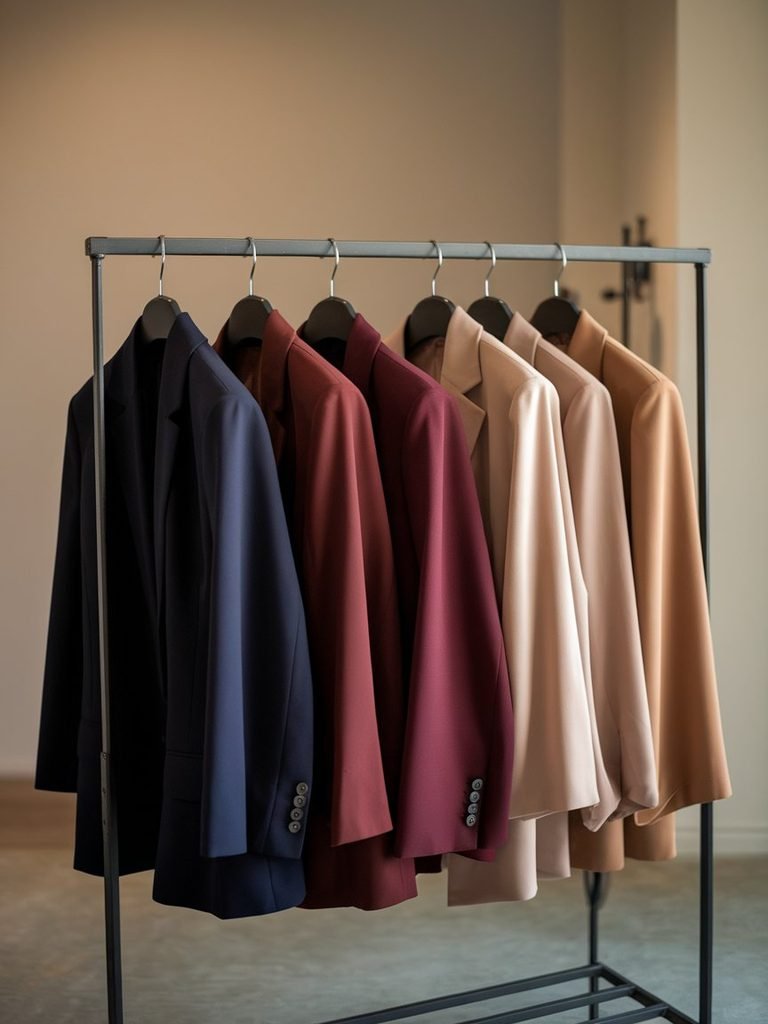
Reliable across most industries: navy, charcoal, deep burgundy, forest green, and camel. All of these read as considered without tipping into either boring or distracting.
Worth using carefully: bright primary colors and busy prints. These can work extremely well in creative fields specifically, but tend to pull focus in more traditional interview settings.
Fabric matters as much as color. A structured knit, a good wool blend, or a matte crepe all photograph and move well across a full day, including sitting through a long interview panel. Anything overly casual, like plain cotton jersey, can undercut an otherwise polished outfit, even in a relaxed industry.
The One Statement Piece Rule
Interview outfits benefit from exactly one piece that stands out, not zero and not several. A single bold earring, an interesting bag, an unexpected color in an otherwise neutral outfit, or a well-chosen shoe all work as that one piece.
The reasoning is simple: one distinctive detail reads as personal style. Several distinctive details at once start to compete with each other, and with the actual conversation happening in the room.
This rule scales down for more traditional industries and up for creative ones, but the underlying idea holds either way. Confidence tends to come through in restraint just as much as in the choice itself.
Shoes and Details People Overlook
Shoes get less attention than the rest of the outfit, but interviewers notice more than most candidates expect, particularly during a walk from a lobby to a conference room.
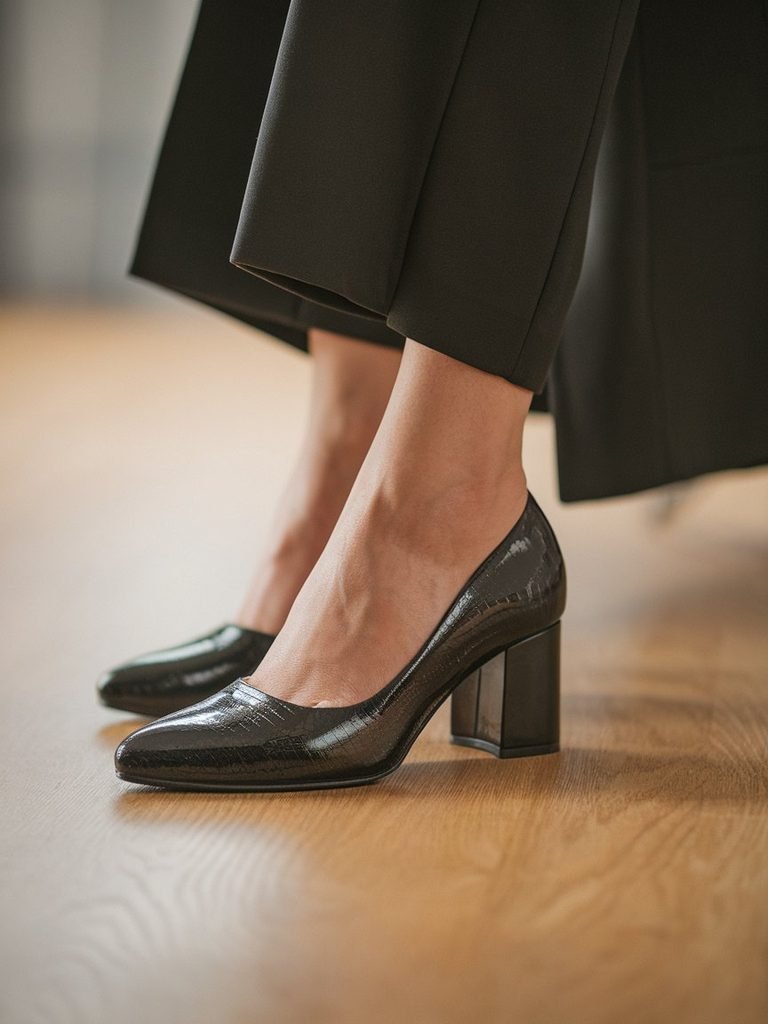
A clean, closed-toe shoe in good condition works across nearly every industry. Heels should be a height you can genuinely walk in without adjusting your gait, since visible discomfort undercuts confidence more than almost anything else in the outfit. Flats and low block heels have become fully acceptable across most industries, including fairly traditional ones.
A few smaller details worth checking before walking in:
- Jewelry that doesn’t make noise during a handshake or while gesturing
- Nails that are clean and intact, whether polished or bare
- A bag large enough for a portfolio or notebook without looking overstuffed
- No visible pet hair, wrinkles, or deodorant marks, checked in daylight rather than under indoor lighting
None of these individually make or break an outfit, but together they’re the difference between looking put together and looking almost put together.
Video Interview Specific Notes
Video interviews come with their own version of this problem, since only part of the outfit is visible, but the part that is visible still needs to read as intentional.
Solid colors generally perform better on camera than busy patterns, which can distort or shimmer depending on the screen. Structured necklines, like a collared shirt or a well-defined blazer lapel, read more clearly on camera than a loose crew neck. It’s worth dressing fully, including bottoms, both because posture changes when a full outfit is worn and because unexpected moments, like standing up to grab something, happen more often than people plan for.
Lighting matters almost as much as the outfit itself for video interviews. A color that looks polished in person can wash out under poor lighting, so testing the outfit on camera beforehand, in the same spot the interview will happen, catches problems before they matter.

Common Mistakes That Undercut Confidence
Defaulting to the most conservative option out of anxiety. This often overshoots the room’s actual expectations and can read as slightly stiff rather than simply safe.
Wearing something entirely new for the first time. New shoes, a new blazer, or an untested outfit combination all introduce small discomforts that show up as fidgeting during the interview itself.
Over-relying on a single “lucky” outfit regardless of company or role. What worked at a law firm interview may genuinely mismatch a startup interview a week later. The room, not the wardrobe, should set the tone.
Ignoring fit in favor of the “right” pieces. A blazer that pulls across the shoulders or trousers that bunch at the ankle undercut an otherwise correct outfit choice. Fit does more visual work than the specific item itself.
Forgetting the practical side of a long interview day. Multiple back-to-back meetings, potential building tours, or a long commute all matter when choosing shoes and layers, not just how the outfit photographs in a mirror.
The same instinct that helps petite outfit ideas actually add height rather than just cover it up applies here too: dressing for the actual person and the actual room, rather than a generic template, tends to produce a far more confident result than following a rulebook exactly.
Frequently Asked Questions
Is it ever okay to skip the blazer entirely? Yes, particularly for startup, creative, or casual-culture interviews, where a well-fitted top and tailored bottom can read as equally polished without needing a jacket layer.
What if I genuinely can’t figure out the company’s dress code? Dress one level more polished than what you’ve observed from research, since it’s easier to remove a layer once you arrive than to explain away being underdressed.
Should my outfit match the seniority of the interviewer? It’s more useful to match the industry and company culture than the specific person, since a panel of senior leaders at a casual tech company still generally dresses casually day to day.
Is color actually risky in an interview setting? Not inherently. A single well-placed color choice, rather than an entirely bright or patterned outfit, tends to read as confident rather than distracting across most industries.
Do the same rules apply to a video interview? Mostly, with a few adjustments: solid colors and structured necklines read more clearly on camera, and dressing fully rather than just from the waist up avoids awkward surprises.
What’s the biggest interview outfit mistake people make? Defaulting entirely to the most conservative, generic option out of nerves, rather than dressing intentionally for the specific role and company culture.
The Actual Goal
An interview outfit isn’t meant to disappear into the background, and it isn’t meant to become the main event either. The version that works best sits right in the middle: polished enough to show respect for the process, personal enough to hint at the person doing the work.
Once the outfit stops trying to follow a single universal formula and starts responding to the actual room, the whole process gets easier, and it tends to look that way too.

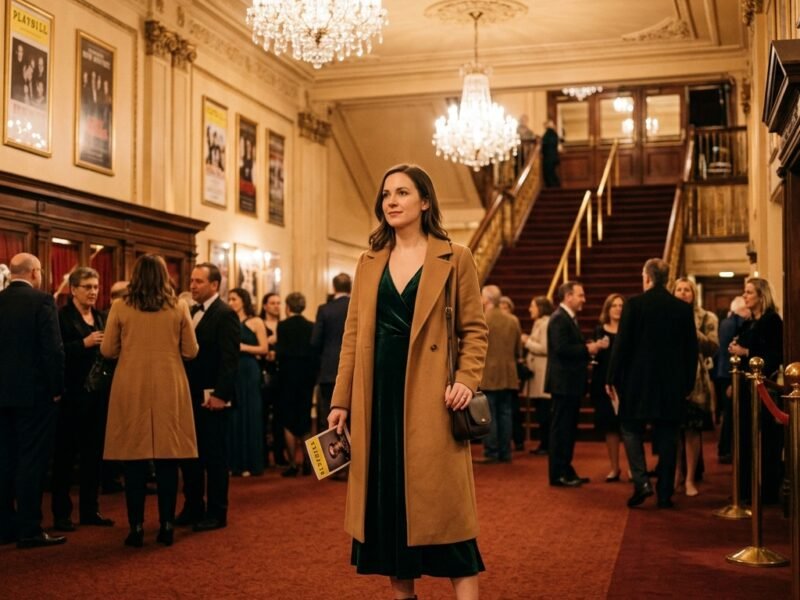
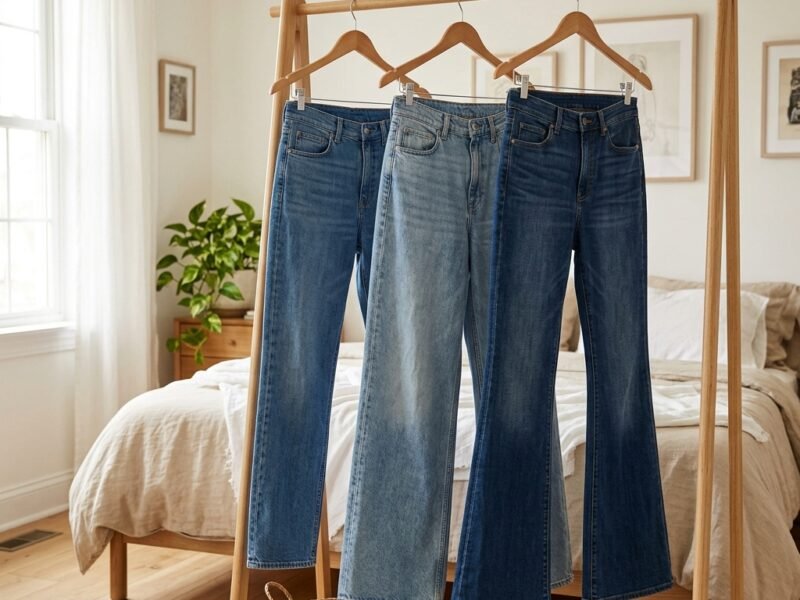
[…] interviews or presentations, the coat can arrive with you and be removed at the door. The advice in this guide to job interview outfits explains how to keep the look confident without feeling stiff, and a simple navy or black trench […]