
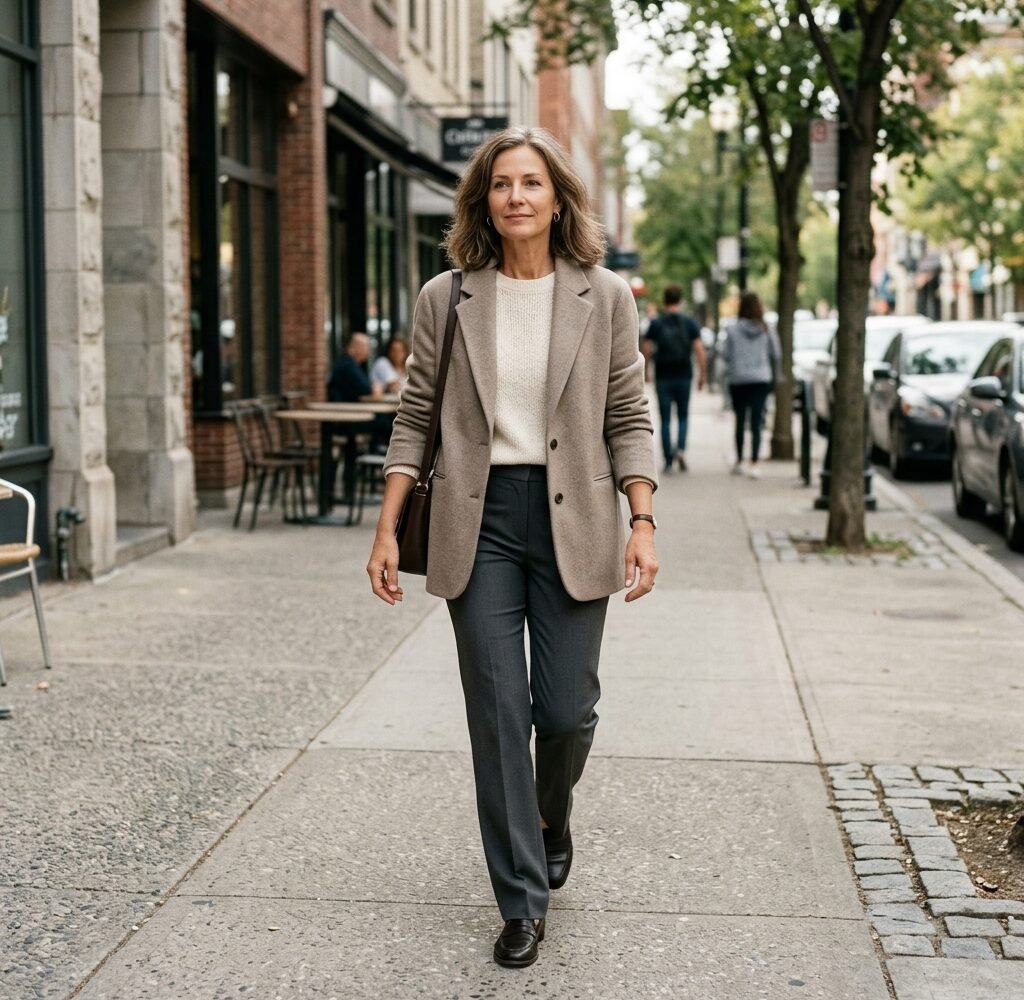
Picture an ordinary Tuesday. There is a video call at ten, a stop at the shop for groceries, and dinner with friends at seven. Nobody wants to change three times, and nobody wants to look like they tried too hard or gave up halfway through the day.
That small puzzle is what most everyday dressing really is. After fifty, the puzzle often gets a few more requirements: clothes that feel good at the waist, shoes that last through a long afternoon, and fabrics that stay put without constant adjusting. Meeting those needs is easy. Meeting them while still looking sharp is where good choices matter.
This guide treats polish as something practical rather than formal. It looks at the fabrics, trousers, layers, and finishing touches that make outfits look composed with very little effort, then walks through five complete looks for different kinds of days.
What “Easy Polish” Actually Looks Like
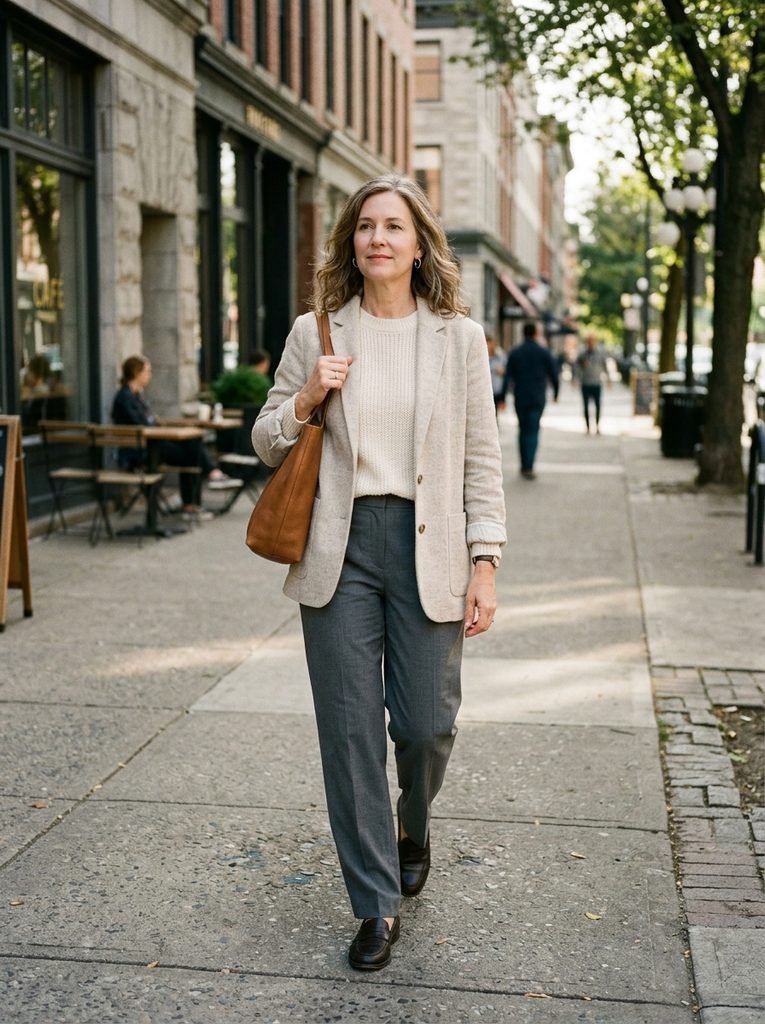
Polish is often confused with formality. A tuxedo is formal, but a pair of clean, dark jeans with a crisp white shirt can look more polished than a wrinkled satin dress. What separates the two is finish, not dress code.
Three signals tend to create that finished look. The first is a clean surface: fabric that is smooth, unpilled, and free of lint, with hems that sit flat. The second is one clear line, meaning the outfit has a single obvious shape, such as a long column of tonal color or a defined shoulder over a relaxed trouser. The third is the absence of fuss. Nothing rides up, twists, gapes, or needs tugging every ten minutes.
Notice that none of these depend on price or trend. A modestly priced cotton shirt, ironed, tucked, and paired with well-fitting trousers can beat an expensive outfit that sags at the seat or clings in the wrong places. It also means polish can be built gradually, one dependable piece at a time.
Fit will vary from person to person, and no single cut works for every frame. The outfits for every body type guide on this site covers how to match shapes to proportions, and the ideas here sit comfortably alongside it.
Fabrics That Stay Smooth From Breakfast to Dinner
If one decision does the most for an easy, polished look, it is fabric. Two garments with identical cuts can look entirely different by lunchtime depending on what they are made of.
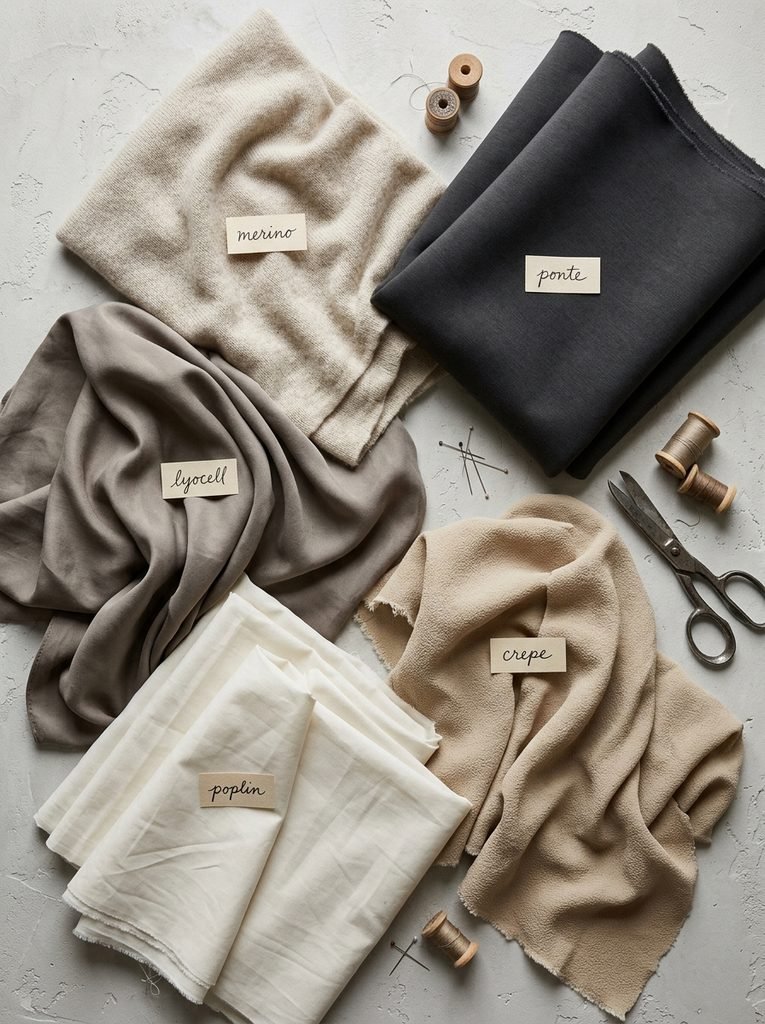
Ponte and double knit. These dense, stable knits hold their shape, resist creasing, and feel soft. They suit pull-on trousers, shift dresses, and simple blazers, and they travel well.
Fine-gauge merino. A thin merino sweater sits smoothly under jackets and does not bulk up at the neck or waist. Chunky knits have their place, but a fine knit usually looks neater and layers more easily.
Lyocell and similar drapey weaves. These fabrics fall softly from the body and tend to look relaxed without looking rumpled. They make good wide-leg trousers, shirt dresses, and loose shirts.
Cotton poplin and crisp twill. A shirt in a firm cotton holds a collar and a clean line. Look for a fabric with some body, since very thin cotton wrinkles quickly and can show through.
Crepe. A matte crepe drapes, resists wrinkling, and reads as dressy without shine. It works well for trousers and dresses that need to cover a lot of ground.
Fabric needs care to keep its finish. Knitwear is the usual casualty, since pilling shows up wherever fabric rubs. Woolmark’s guide to pilling explains that the fuzzy balls form through friction during wear, most often around the elbows, sleeves, and sides of a sweater. It also suggests turning wool garments inside out before washing and skipping fabric softener. A gentle comb or fabric shaver then tidies a sweater that has already started.
Trousers That Feel Easy and Look Sharp
Comfort at the waist is a reasonable thing to want, and good design has caught up with it. The trick is finding trousers where the comfort is hidden.
Pull-On Styles That Don’t Look Like It
A flat front with an elastic back panel gives flexibility without a gathered waistband. Look for a firm fabric, like ponte or a stretch crepe, and a straight or slightly tapered leg. A visible zip or fake fly is not necessary, but a smooth front matters because it keeps the line under tucked-in or half-tucked tops clean.
Straight Dark Denim
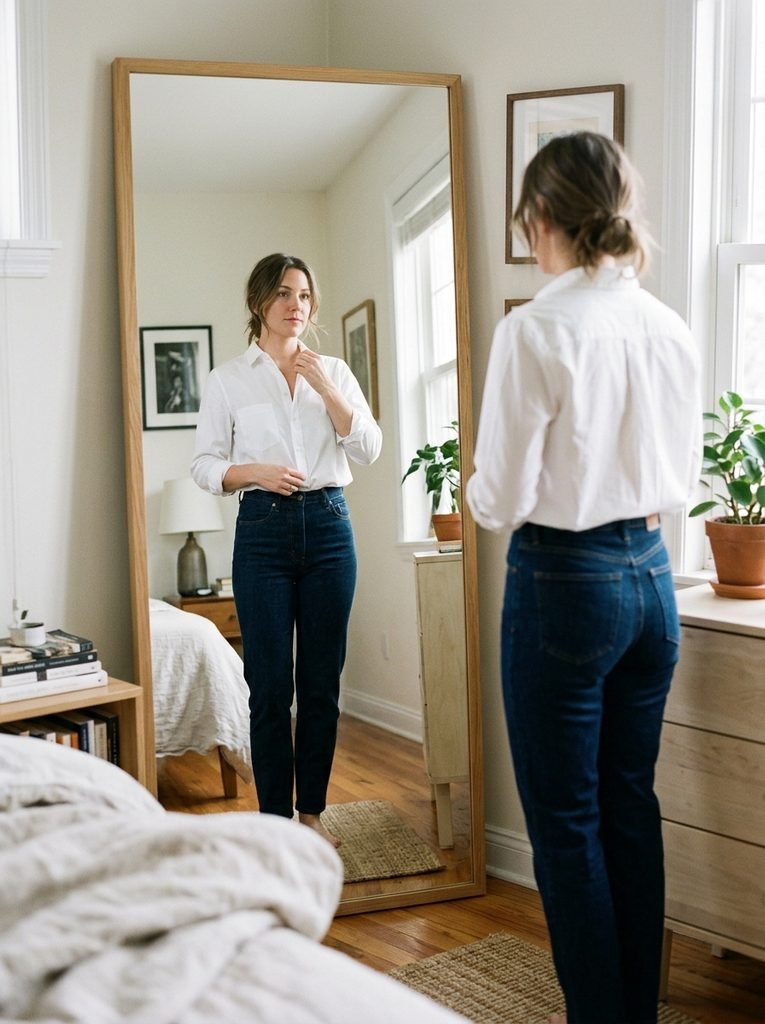
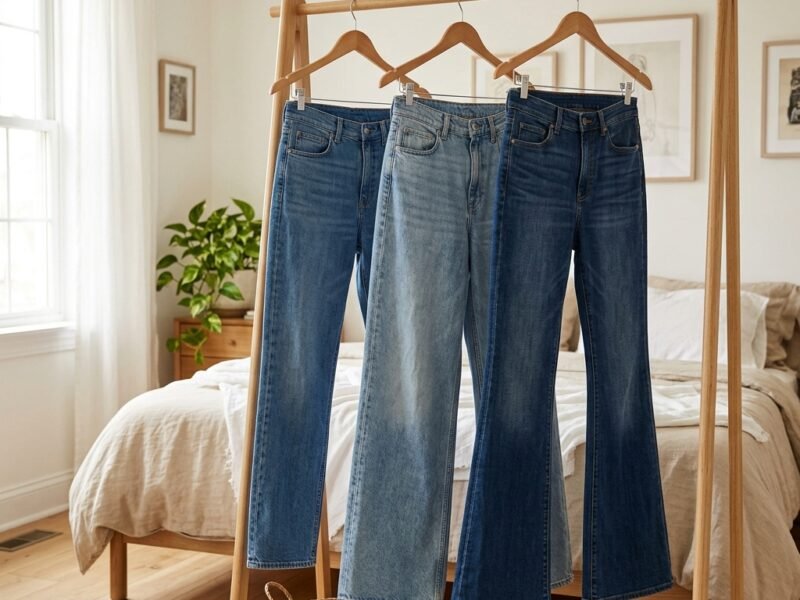
A mid to dark wash in a straight leg, with a little stretch for comfort, is the easiest everyday option. Very pale or heavily distressed denim tends to look casual in a way that works against polish, while a deep indigo or charcoal wash looks tidy with almost anything.
Wide-Leg and Tapered Shapes
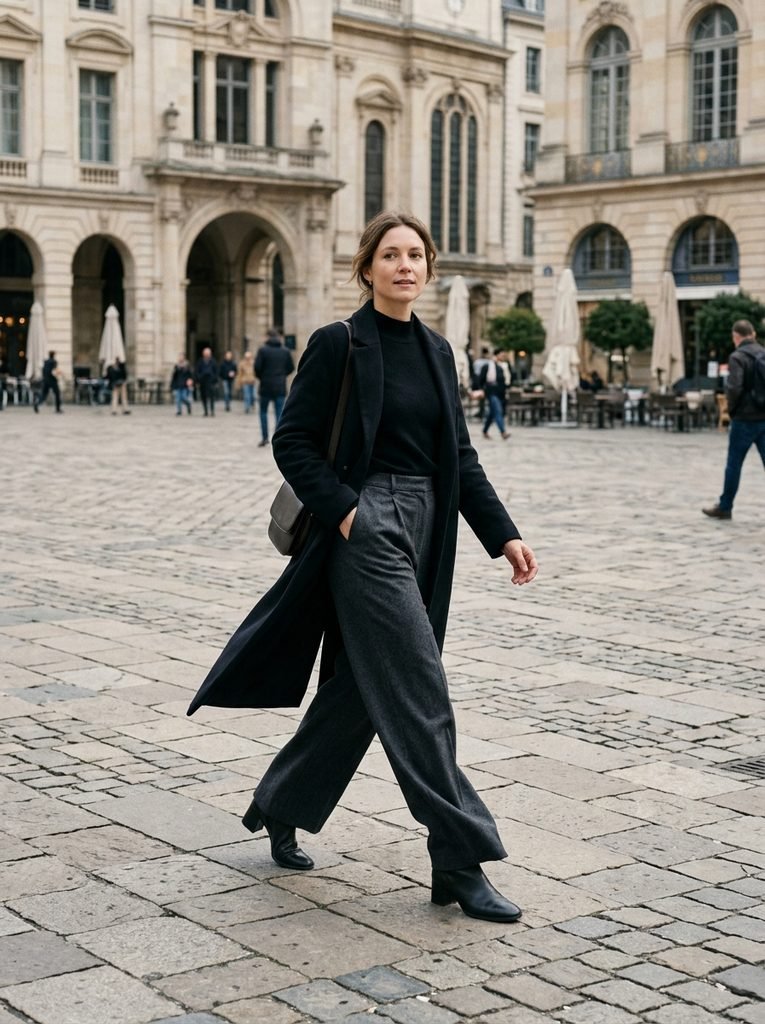
Wide-leg trousers in a fluid fabric look current and feel airy. They work best when the hem just skims the top of the shoe. Tapered, ankle-length trousers do the opposite, showing a bit of ankle and giving a neat finish with loafers or sneakers.
Length matters across all of these. A hem that pools on the floor or stops at an awkward point mid-shin can undo an otherwise good outfit. If a pair fits well everywhere else, a quick hem adjustment from a local tailor is worth the small cost.
Tops and Layers: Where the Outfit Gets Its Shape
If trousers form the base, the top half decides the silhouette. A few simple moves help.
Half-tuck the front. Tucking just the front of a shirt or sweater into the waistband defines the waist while keeping the rest relaxed. It works particularly well with straight trousers.
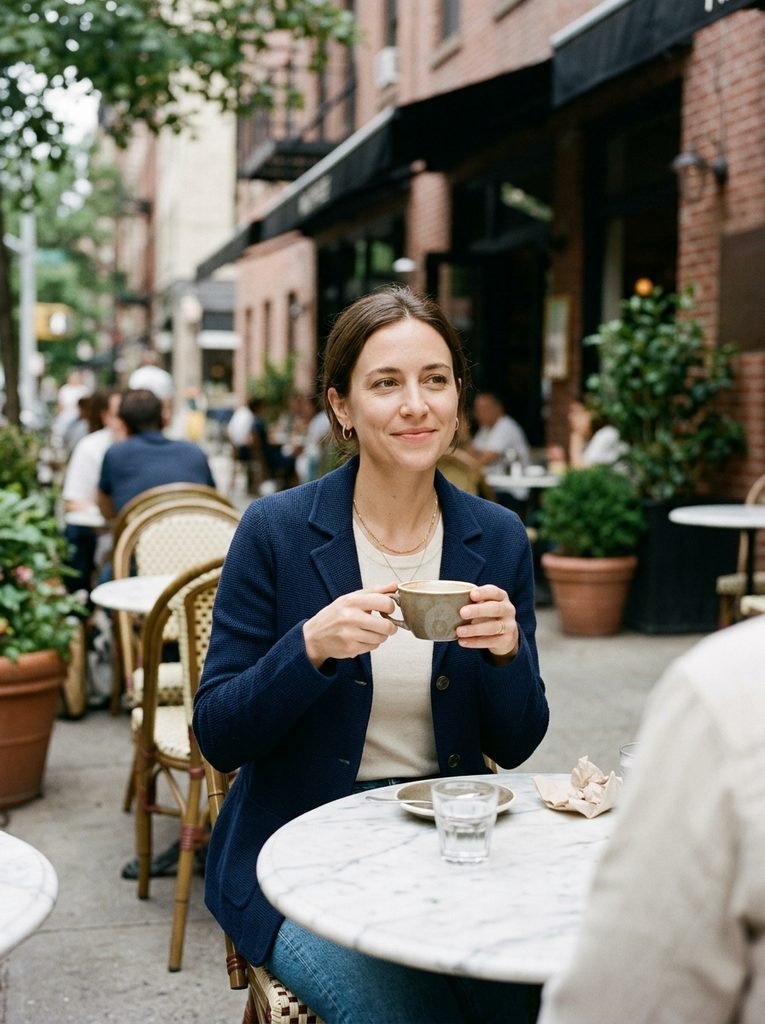
Choose one structured layer. A soft, unlined blazer, a knit blazer, or a trench coat gives shoulders a clear line without feeling stiff. The trench coat styling guide shows how a single structured coat can carry many outfits. Other good options include a collarless jacket or a tailored cardigan with clean edges.
Use a shell or fine knit underneath. A smooth, plain top beneath a jacket keeps the neckline tidy. Busy prints under a patterned jacket tend to compete, so a quiet base works better.
Keep sleeves in mind. Sleeves that end at the wrist bone, or three-quarter sleeves pushed neatly to the forearm, look intentional. Sleeves that bunch under a jacket cuff make the whole layer look bulkier than it is.
Longline cardigans are lovely but need some structure. A very soft, floppy one can swallow the frame, while a medium-weight knit with a slightly firmer drape holds a long, clean line.
Dresses and Skirts That Move Well
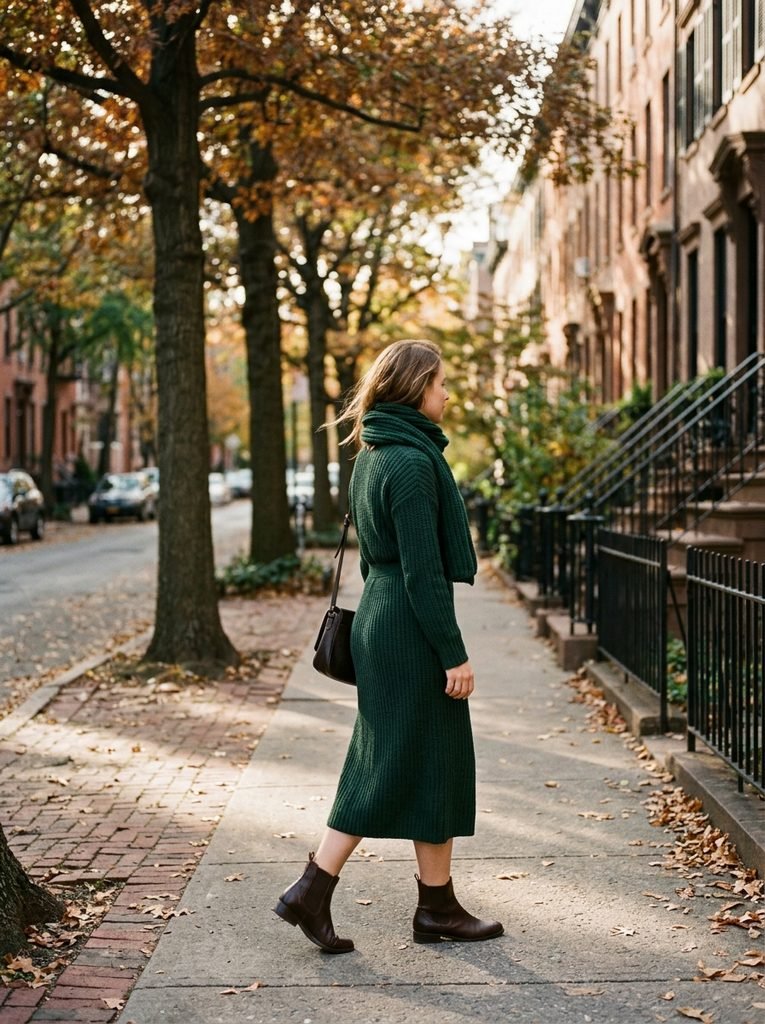
Dresses are the simplest outfit on a busy day, since one piece does the work of three. The most reliable shapes are a knit midi dress, a shirt dress with a belt or tie, and a wrap dress in a drapey fabric.
Skirts follow the same logic. An A-line or lightly pleated midi in crepe or a heavier knit moves nicely and pairs with a fine sweater and loafers. For cooler weather, opaque tights and ankle boots keep it practical.
A useful test for any dress is movement. Walk across the room and sit down in it. If it rides up, clings to tights, or needs adjusting after standing, it will become a distraction by midday. A dress that glides and settles back on its own is the one that earns a place in the rotation.
Five Outfits for Five Kinds of Days
Coffee and Errands
Dark straight denim, a fine merino sweater half-tucked at the front, white leather sneakers without logos, and a long unstructured jacket or a trench. A crossbody bag keeps hands free. Nothing here needs fixing during the day, and everything survives a trip to the shops.
The Hybrid Work Day
Pull-on tapered trousers in charcoal ponte, a crisp poplin shirt with the collar open, and a soft blazer. Loafers and a structured tote finish it. This outfit looks sharp on a video call and comfortable at a desk, and the blazer can come off without ruining anything.
Lunch With Friends
A knit midi dress in a deep green or navy, a lightweight scarf draped loosely, ankle boots or low block heels, and a small leather bag. The scarf adds a soft focal point near the face, and the dress takes no effort once it is on.
A Museum or Travel Day
Wide-leg crepe trousers, a fine-knit top in a tonal shade, a lightweight jacket with deep pockets, and cushioned flat shoes that have already been worn in. A bag with a zip keeps valuables safe. Crepe and fine knits resist creasing in a suitcase, which means the outfit still looks fresh after a long journey.
Dinner Out
A silk-feel or satin-finish shell in soft cream, tailored black trousers, a slim belt, and block-heeled ankle boots. Add earrings with a bit of sparkle and a small evening bag. The overall effect is dressier than daytime without needing a full change of style.

Shoes That Keep Up
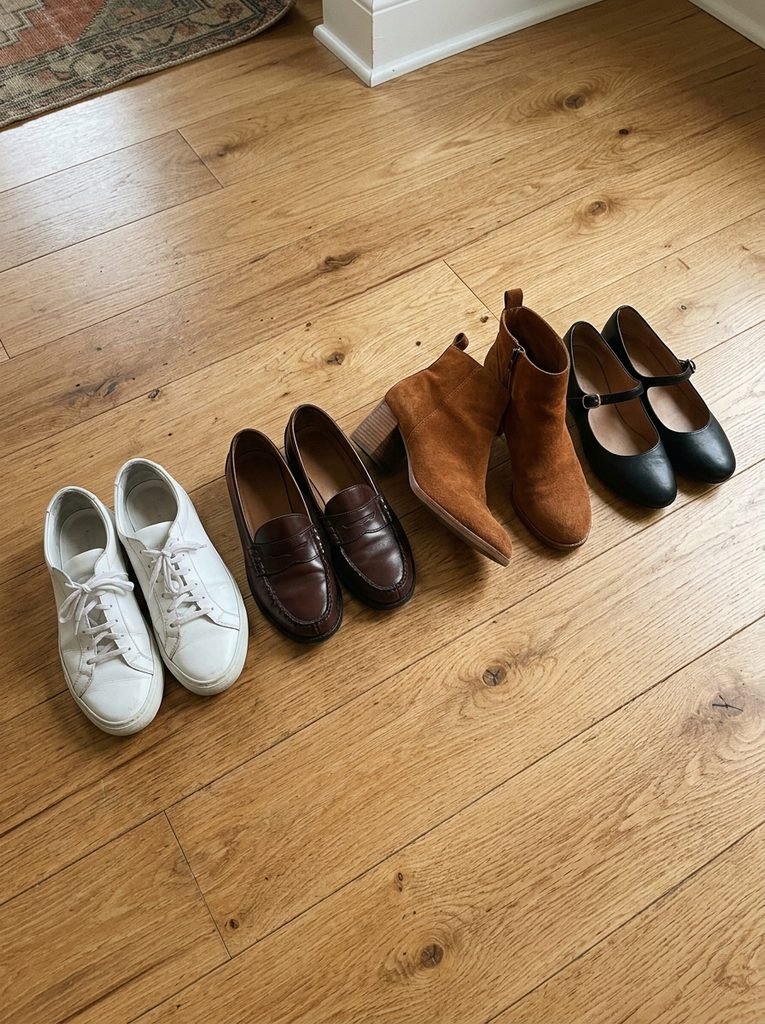
A day on your feet asks a lot of shoes, and comfort and polish need not be opposites. Shapes worth looking for include loafers with a cushioned insole, clean leather sneakers in white or cream, ankle boots with a low block heel, and ballet flats with an ankle strap that stays put.
A few practical details help. A sole with a little grip is more stable on wet pavement. A round or almond toe usually offers more room than a sharply pointed one. Try shoes on later in the day, when feet are at their largest, and walk around in them before committing.
Polish also depends on condition. A scuffed toe or a worn-down heel quietly lowers an outfit, so a quick wipe, regular polish, and a visit to a cobbler for new heel tips make older shoes look cared for.
Color Near the Face and Where to Put Contrast
The colors closest to the face tend to have the biggest effect on how an outfit reads. This is a styling observation rather than a rule, and personal preference should always win.
Many people find that soft white, cream, or ecru is easier to wear than stark optic white, which can look harsh against some skin tones. Deep navy, charcoal, forest green, and burgundy often read as clean and rich. Wearing a color you already receive compliments in, near the neckline, is a simple way to choose.
Tonal dressing is another easy route to polish. An outfit in several shades of one family, such as stone trousers, an oatmeal sweater, and a cream scarf, creates that one clear line mentioned earlier. Adding a single point of contrast, like a navy bag or tortoiseshell glasses, keeps it from looking flat.

The Finishing Details
Small details can do surprising amounts of work, mostly because they are what people notice up close.
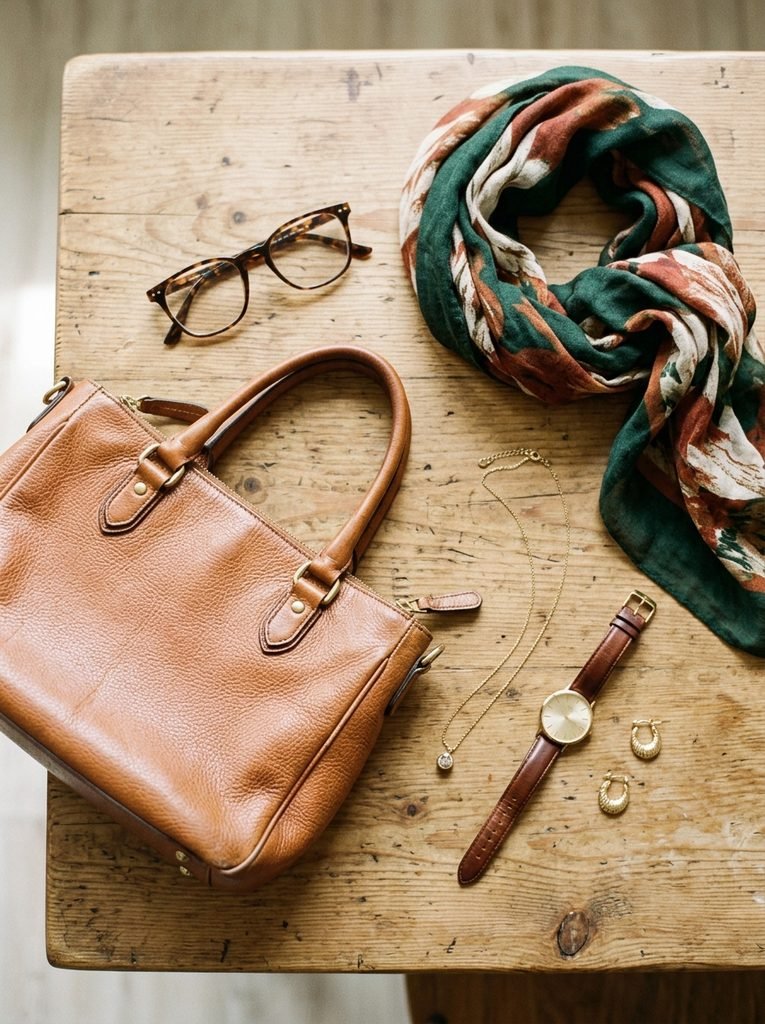
Glasses. For many, frames are a daily accessory. A shape that follows the brow line and a color that matches the hair or jewelry tones often looks the most natural.
Bags. A structured bag in leather or a firm fabric reads tidier than a slouchy one. A medium size is usually enough to carry essentials without overstuffing.
Scarves. A lightweight scarf in cotton, modal, or silk-blend adds interest and covers a neckline if needed. Fold it flat or loop it loosely rather than bunching it.
Jewelry. A few well-chosen pieces beat many small ones. Studs, a simple pendant, or a watch with a clean face go with nearly everything.
Hair. A tidy, shaped cut makes the whole outfit look finished. The bangs hairstyle ideas for older women is a helpful place to look for cuts that frame the face and sit well with glasses.
Small Habits That Keep the Polish Going
Good outfits fall apart when maintenance slips. A few quick habits make a bigger difference than another purchase.
Steam or iron clothes while they are slightly damp from the steamer, since creases soften more easily that way. Remove pills from knitwear before they spread. Hang trousers by the hem or fold them over a hanger bar to keep creases sharp. Keep a lint roller by the door and check hems for loose threads.
It also helps to keep the wardrobe small enough that everything gets worn. A tight set of pieces that all work together is easier to look after and easier to dress from. The capsule wardrobe guide explains how ten well-chosen pieces can create thirty outfits, which is a good framework for building this kind of wardrobe.
Quick Answers Before You Go
What colors are easiest to build outfits around?
Navy, charcoal, stone, cream, and forest green are easy to mix and rarely look dated. Adding one accent color in a scarf or bag brings life to them.
Are elastic-waist trousers still polished?
They can be, provided they have a flat front, a firm fabric, and a clean leg line. Elastic is only visible when the fabric is soft and gathers.
Do I need to wear heels to look dressed up?
Not at all. Loafers, neat ankle boots, and clean sneakers all look polished when they are in good condition and suit the outfit.
How do I stop knitwear from looking tired?
Wash it gently, turn it inside out, skip fabric softener, and remove pills with a comb or shaver. Rotating sweaters rather than wearing the same one repeatedly also reduces friction wear.
Ease First, Polish Follows
The most useful way to approach this kind of dressing is to start with how the clothes feel and let the polish grow from there. Comfortable fabrics, trousers that fit well, one structured layer, and shoes that keep going all point in the same direction.
Once those pieces are in place, getting dressed becomes quicker and calmer. That is the real appeal of an easy, modern look: it leaves your attention free for the day ahead.

Leave a Reply