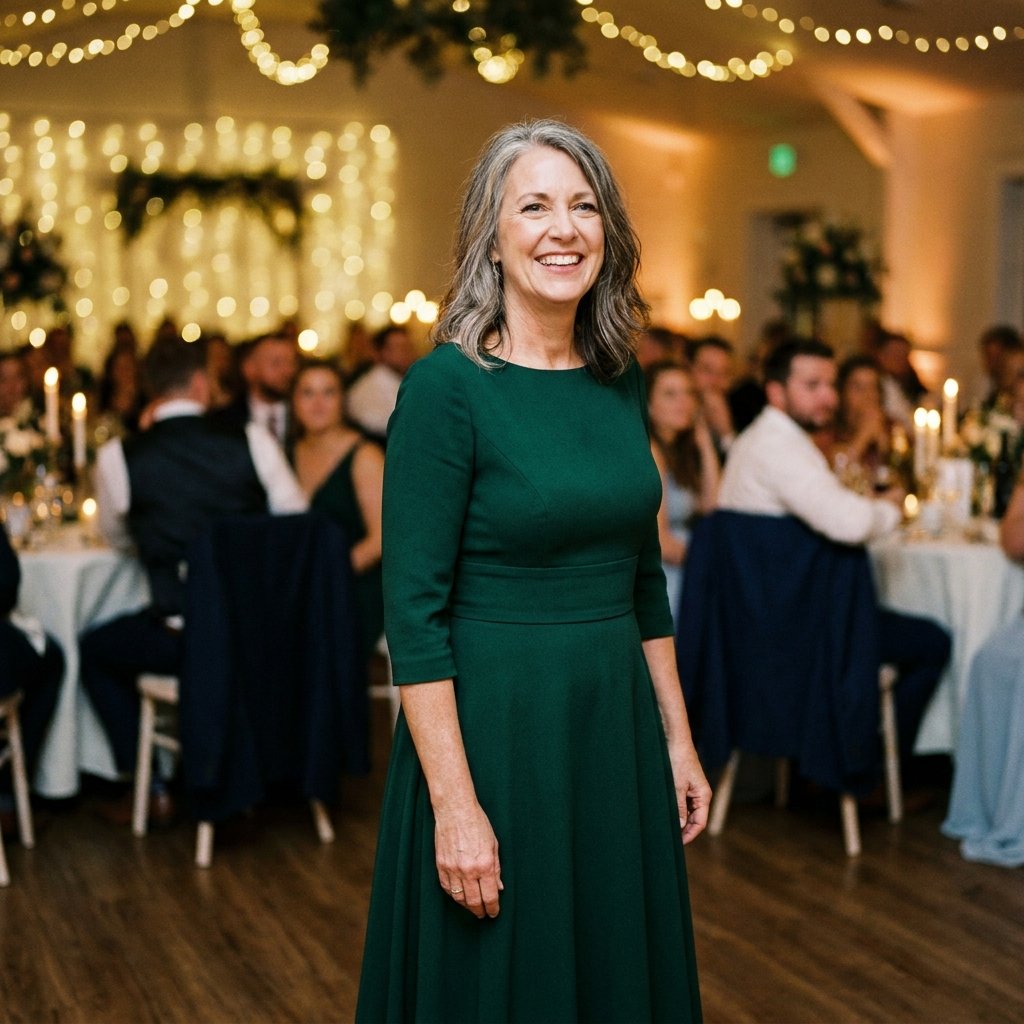
“Matronly” is one of those words that gets used constantly around mother of the bride shopping and almost never gets defined. It isn’t really about age, and it isn’t really about modesty either, even though both get blamed for it. A twenty-eight-year-old can look matronly in the wrong cut, and a woman in her seventies can look completely current in the right one. The word is really describing a specific set of proportion problems, and once those problems are named clearly, they’re much easier to shop around.
This guide sets aside the question of trendy versus classic entirely and focuses instead on fit, shape, and proportion, the details that actually determine whether an outfit reads as polished or as shapeless, regardless of how formal or traditional the dress itself is. A structured, fully covered outfit can look sharp and current. A sleeveless, body-skimming dress can still land matronly if the proportions are off. The difference has very little to do with how much skin is showing.
Every section below covers one specific decision point, from the waist to the hemline to the accessories, with the goal of giving a mother of the bride a clear framework rather than a single approved dress. The right outfit still needs to reflect her own taste and the formality of the wedding. What follows is how to make sure that outfit reads as intentional rather than accidental.
What Actually Reads as Matronly (It’s Not What You Think)
Before getting into individual pieces, it helps to name the actual mechanism, because “matronly” gets blamed on the wrong culprits constantly.
It isn’t fabric weight. A structured, opaque, fully-covered dress in a heavy crepe can look completely modern. It isn’t formality. A conservative, high-coverage silhouette can be one of the most elegant choices in the room. It isn’t even color, despite how often neutral tones get blamed for aging an outfit.
What actually creates the matronly effect is the combination of shapelessness and excess volume. An outfit with no defined waist, sleeves or a jacket wider than the body underneath them, and fabric that stands away from the frame rather than skimming it, reads as older and heavier regardless of the dress’s actual formality or the wearer’s actual age. The garment is doing the opposite of what a well-fitted outfit does: instead of following the body’s natural lines, it obscures them entirely.
This reframing matters because it changes the shopping question. Instead of asking “is this too formal” or “is this too covered,” the more useful question becomes: does this outfit have a defined waist, and does the fabric move with the body rather than sitting away from it. Almost everything else in this guide flows from those two questions.
The Waist Is the Detail That Changes Everything
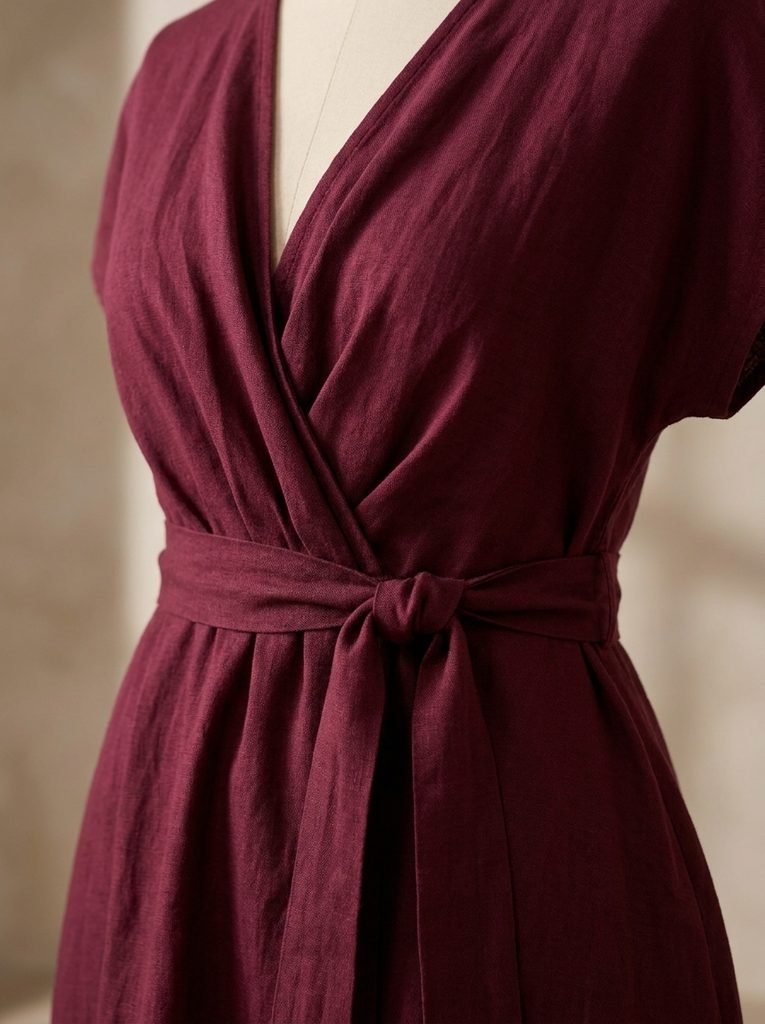
If there’s one single adjustment that does more to prevent a matronly silhouette than anything else, it’s waist definition. A dress, jacket, or two-piece set with a clear waist point, whether that’s a fitted seam, a tie, a belt, or simply a cut that nips in at the natural waist, immediately reads as more intentional than the same garment cut straight through the torso.
This applies even to fully covered, conservative pieces. A high-neck, long-sleeve dress with a defined waist looks polished and current. The same neckline and sleeve length on a straight, boxy cut reads noticeably older, even though the coverage level is identical.
For anyone who prefers a jacket or cardigan layer over a dress, checking that the layer itself has some waist shaping, rather than falling as a straight rectangle from the shoulders, is worth the extra attention. A boxy jacket over a fitted dress can undo the waist definition of the dress underneath it entirely.
Wrap styles, both dresses and jackets, are particularly reliable here because the tie mechanism creates waist definition automatically and adjusts to the body wearing it, which is part of why they’ve become such a consistent recommendation across mother of the bride shopping guides in general.
Sleeve Length and Coverage Without the Bulk
Sleeves are one of the most common places a matronly silhouette gets introduced by accident, usually because coverage and volume get treated as the same decision when they aren’t.
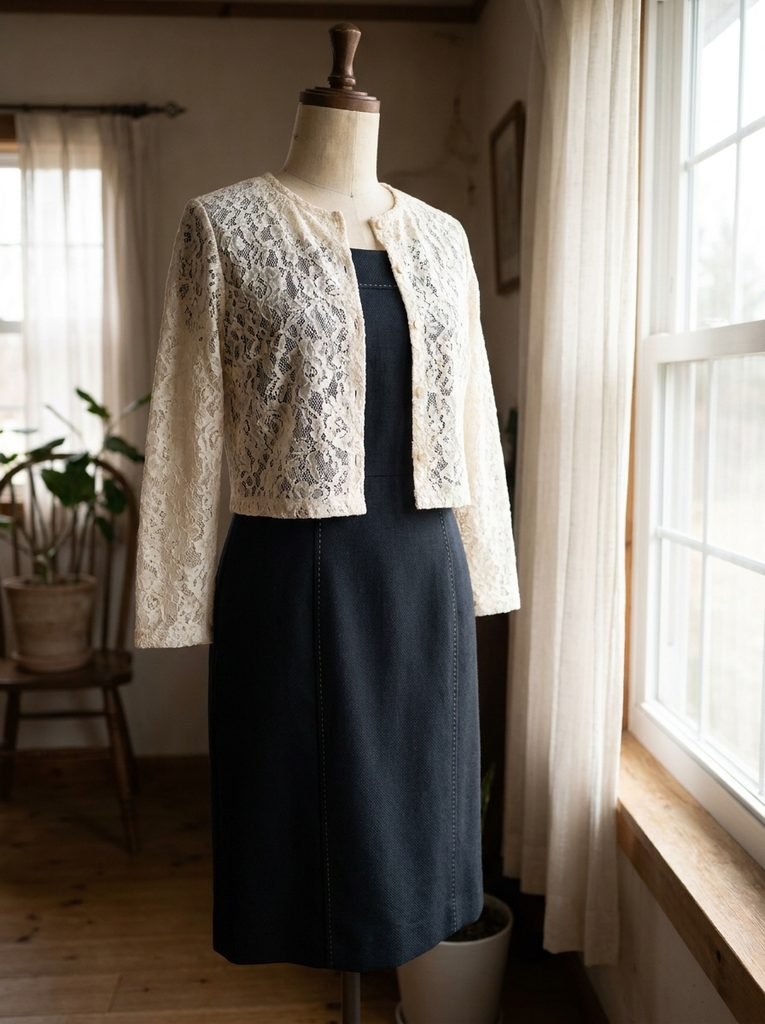
A fitted three-quarter sleeve or a long sleeve in a fluid fabric provides genuine coverage without adding visible bulk to the arm or shoulder. An illusion sleeve, sheer fabric with subtle embroidery or lace over a fitted lining, does the same thing while adding a bit of visual interest at the same time. Both of these read as considered and current.
A wide, unstructured sleeve, particularly one that flares out from the shoulder or elbow, adds visual width exactly where a fitted silhouette needs it least. This is true even when the fabric itself is beautiful. The issue isn’t the coverage level, it’s the added volume working against the line of the rest of the outfit.
For anyone specifically looking for arm coverage without sacrificing shape, a fitted long sleeve in a stretch crepe or a structured chiffon over a lining tends to be the most reliable combination, since both fabrics hold close to the arm rather than standing away from it.
Necklines That Open the Face Instead of Closing It Off
Necklines have an outsized effect on how an outfit reads, mostly because they sit closest to the face and either frame it or, in the wrong shape, crowd it.
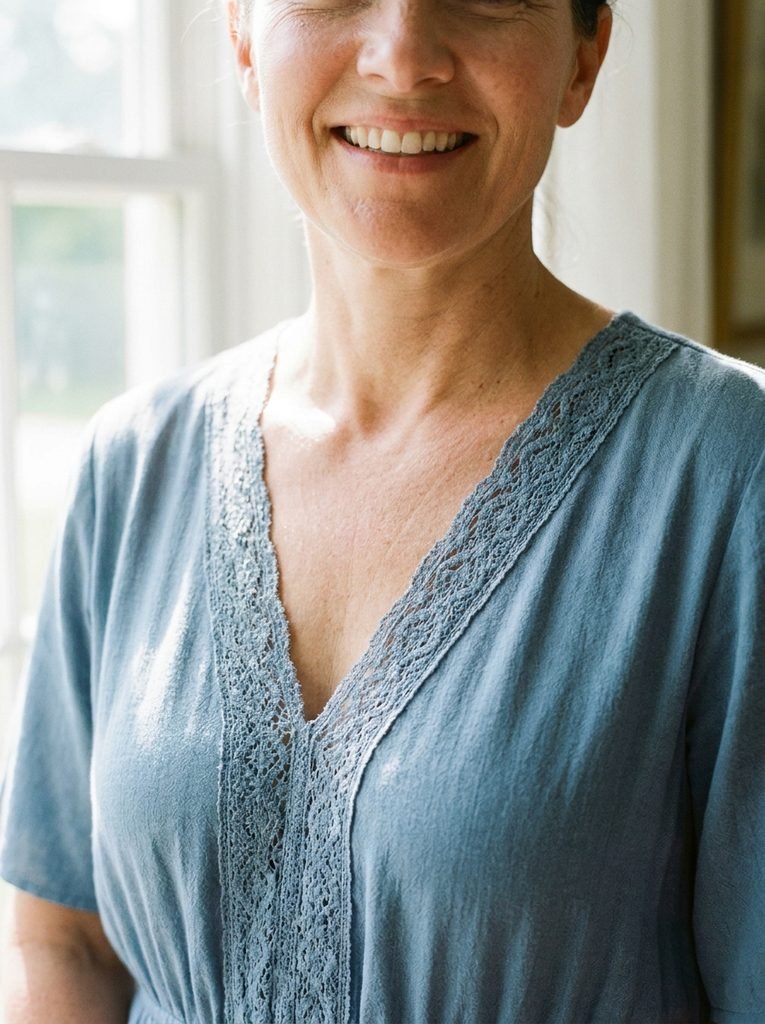
A V-neck, a scoop neck, or a boat neck all create horizontal or diagonal lines that open up the collarbone and draw the eye outward and down, which tends to read as elegant and current across a wide range of formality levels. A portrait neckline, which frames the shoulders while leaving the collarbone visible, does something similar with more coverage.
A very high, tight crew neckline sitting directly at the base of the throat, without any breathing room or fabric movement, is the shape most likely to read as closed off and older, particularly in a stiff fabric that doesn’t soften the line. This isn’t a rule against high necklines. A high neckline in a soft, draped fabric, or one with a keyhole or subtle cutout, avoids the same effect while keeping the coverage.
If modesty is a priority, which it often is for a mother of the bride, a V-neck or scoop with a sheer or lace panel filling in the space above it gives full coverage while keeping the visual opening at the collarbone that makes the neckline read as intentional rather than restrictive.
Color Choices Beyond Safe Neutrals
Mother of the bride color rules are fairly well established: avoid white, ivory, and cream, since those are reserved for the bride, and be thoughtful about very pale metallics that can photograph as white under certain lighting. Beyond those specific restrictions, there’s considerably more room than the “safe beige” instinct usually allows.
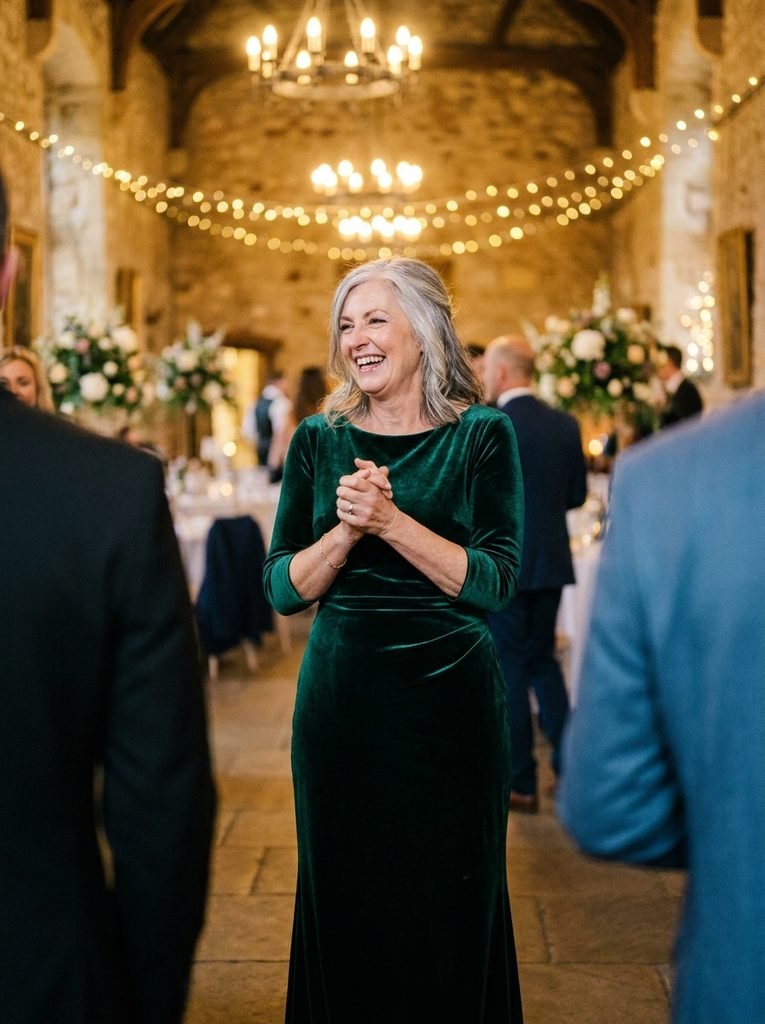
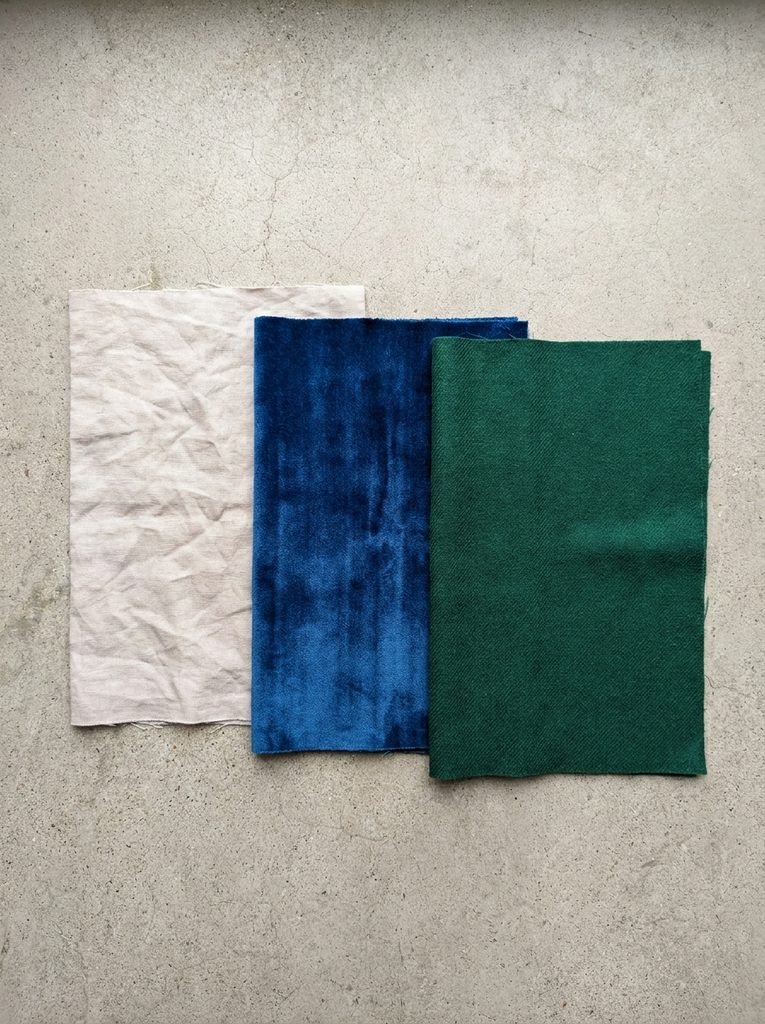
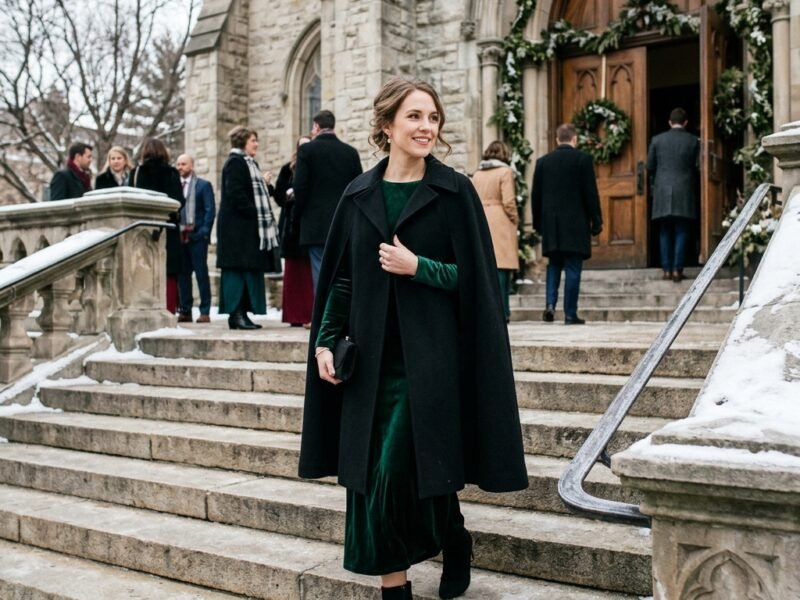
Muted, low-saturation neutrals, taupe, dusty beige, pale grey, are often chosen specifically because they feel safe, but low saturation is one of the color qualities most associated with a washed-out, aging effect, particularly under the warm lighting of an evening reception. The same silhouette in a richer, more saturated tone, deep emerald, sapphire, wine, or a warm terracotta, tends to look more vibrant and more current without requiring any change to the actual dress shape.
This doesn’t mean neutral tones are off the table entirely. A rich, warm neutral, camel, chocolate, or a deep warm grey, holds saturation in a way that pale beige and dusty taupe do not, and reads elegant rather than washed out.
Jewel tones in particular tend to photograph beautifully across a wide range of skin tones and lighting conditions, which is part of why they’ve become such a consistent recommendation for mother of the bride dressing specifically.
Fabric Drape Versus Fabric Stiffness
The way a fabric behaves on the body matters as much as the silhouette it’s cut into, and this is a detail that’s easy to overlook while shopping from photos rather than trying something on.
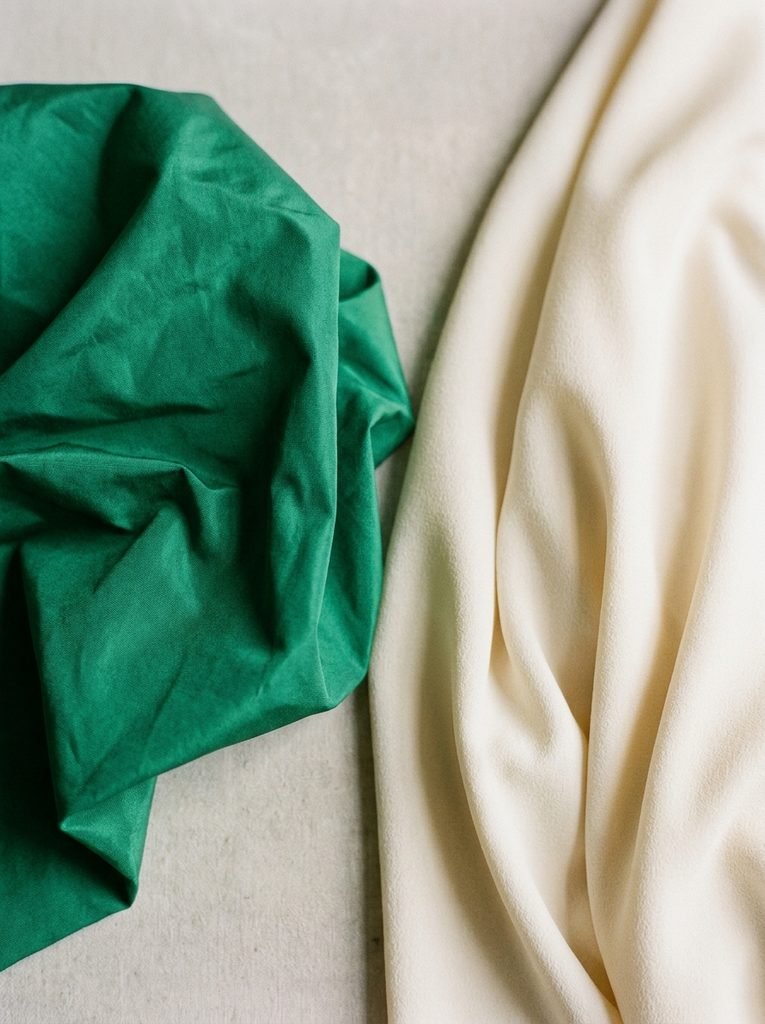
A fabric with real drape, a quality crepe, a silk or silk-blend charmeuse, a fluid matte jersey, follows the body’s actual shape and moves with it through the day, even in a fuller or more structured cut.
A stiffer fabric, taffeta, heavy brocade, certain structured polyesters, tends to hold its own shape rather than following the body underneath it, which can add visible volume even in a silhouette that’s technically well-fitted. This is part of why certain formal fabrics associated with more traditional mother of the bride shopping have earned a reputation for aging the wearer, independent of the actual cut of the garment.
Checking fabric content before ordering, and where possible feeling a swatch in person, is worth the extra step, since photos rarely convey how a fabric will actually move once it’s on.
Hemline and Proportion for Height
Hemline is one of the more counterintuitive details in this entire conversation, because the instinct is often to associate a longer hemline with more formality and a shorter one with less, when the actual effect on proportion is more specific than that.
A hemline that hits mid-calf, right at the widest part of most women’s lower leg, is the length most consistently flagged as aging across body types and heights, because it visually shortens the leg at its least flattering point without providing the formality benefit of a full floor-length gown.
A true floor-length hemline reads as fully formal and tends to be genuinely flattering across a wide range of heights and body types, since it elongates the whole silhouette rather than cutting it at an awkward point. A hemline just above or at the ankle does something similar while allowing a heel to remain visible.
For a shorter, more daytime-appropriate length, just below the knee tends to be more flattering than the mid-calf zone, since it hits at a narrower part of the leg. The general principle across all of these options: it’s worth avoiding the specific range that lands mid-calf, and choosing either notably longer or notably shorter than that zone instead.
Shoes and Hosiery: Small Details With Outsized Impact
Footwear and hosiery choices are easy to treat as an afterthought, but they carry a surprising amount of weight in how formal and how current the entire outfit reads.
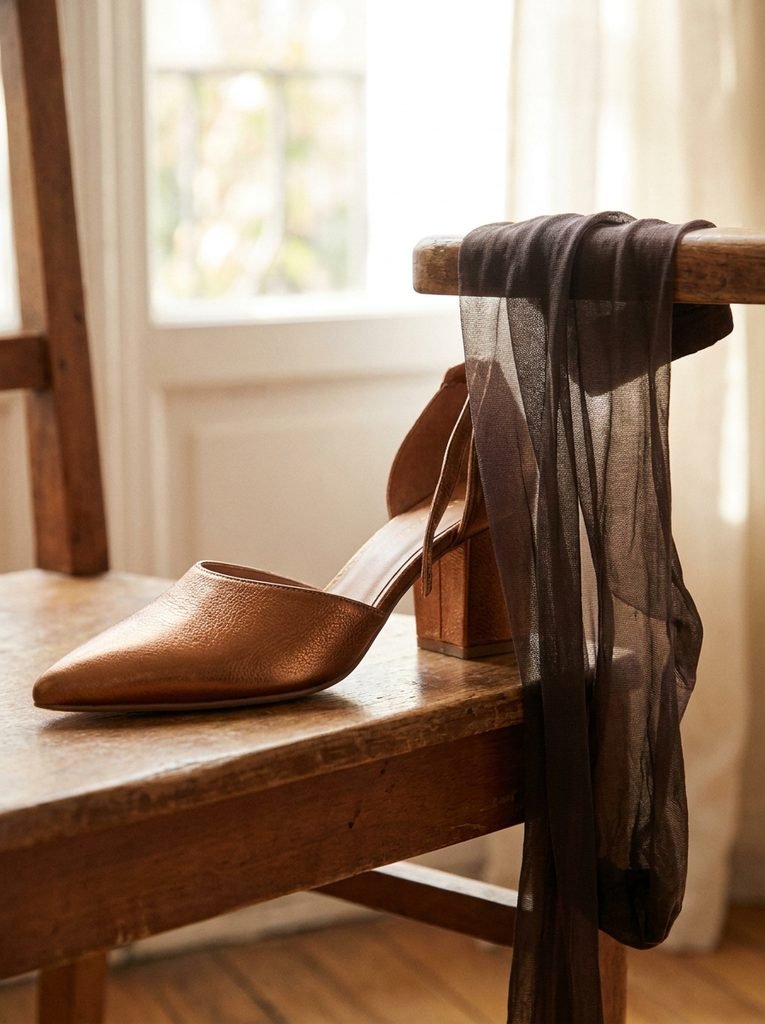
A pointed-toe pump or a strappy block-heeled sandal in a color that matches or complements the dress tends to elongate the leg and read as considered. A rounded, closed-toe pump in a very flat, matte finish, particularly in a very literal beige skin tone, is one of the choices most associated with a dated or overly cautious impression, regardless of how nice the dress above it is.
On hosiery, sheer, close-to-skin tone tights or bare legs both read as more current than opaque, visibly matte pantyhose in a noticeably different shade from the wearer’s actual skin tone. For cooler weather or a more conservative preference, a sheer, seamless hosiery close to skin tone maintains coverage without the visible line heavier opaque hosiery tends to produce.
The Jacket or Wrap That Doesn’t Add Bulk
A jacket or wrap is often necessary, whether for coverage, for temperature, or simply for personal preference, and it’s one of the pieces most likely to undo an otherwise well-chosen dress if it isn’t selected with the same attention to shape.
A cropped, fitted jacket that ends at or above the natural waist adds structure without covering the waist definition of the dress underneath it. A fitted bolero in lace or a light structured fabric does the same thing with a softer edge.
A longer blazer or duster-style jacket can work too, but only if it has some shape built in, a slight waist nip, a single button closure, or a wrap front, rather than falling as a straight column from shoulder to hem. A long, straight, boxy jacket is one of the more common ways a genuinely well-chosen dress ends up reading as matronly once it’s covered.
A soft pashmina or wrap in a fabric with drape rather than stiffness is often the most flattering coverage option of all, since it can be draped to follow the body’s shape rather than sitting as a fixed structure over it.
Jewelry Scale: Why Bigger Sometimes Reads Younger
Jewelry is often treated as a finishing detail rather than a proportion decision, but scale matters here in the same way it matters everywhere else in this guide.
Very small, delicate jewelry, a thin chain, tiny stud earrings, worn with a formal gown or a structured suit can actually read as underdressed relative to the rest of the outfit, particularly at a black-tie wedding. A slightly larger statement earring or a more substantial necklace, sized to the neckline of the dress, tends to balance a formal outfit more successfully and reads as more confidently styled.
This isn’t a case for maximalism. The goal is proportion: matching jewelry scale to the formality and structure of the outfit rather than defaulting to the smallest option available. A busy neckline generally calls for smaller, simpler jewelry, while a clean, simple neckline has more room for a statement piece.
A Fit Checklist to Run Through Before the Big Day
- Does the outfit have a defined waist, whether from a seam, a tie, or a belt?
- Do the sleeves or jacket add visible width, or do they follow the arm and shoulder line?
- Does the neckline open the collarbone area, or does it sit tightly at the throat?
- Is the color rich and saturated, or muted and washed out?
- Does the fabric drape and move, or does it stand away from the body?
- Does the hemline avoid the mid-calf zone specifically?
- Do the shoes elongate the leg rather than visually shortening it?
- Does the outer layer, if there is one, maintain shape rather than adding a boxy silhouette?
Retailers such as Nordstrom and Eloquii carry a wide range of mother of the bride and formal occasion dresses across body types and price points, with filtering options that make it easier to search specifically for waist definition, sleeve style, and fabric type rather than scrolling through options that don’t fit the proportions covered here.
The guide to mother of the bride outfits that avoid a dated look covers a related but distinct question, which specific fabrics and silhouettes have come to feel outdated over time, and pairs well with the proportion-based approach in this guide. Between the two, most of the common mother of the bride styling pitfalls are covered from both angles.
For guidance on choosing a silhouette based on body type more broadly, the bridesmaid dress guide organized by flattering fit covers many of the same silhouette principles, waist definition, fabric drape, sleeve construction, in more depth, even though it’s written with a different role in the wedding party in mind.
Frequently Asked Questions
Does matronly mean the same thing as modest? No. A fully covered, conservative outfit can look completely current when it has a defined waist and fabric that moves with the body. The matronly effect comes from shapelessness and added bulk, not from coverage level itself. It’s entirely possible to have high coverage and a modern silhouette at the same time.
What length is most flattering for a mother of the bride dress? Floor length and ankle length both tend to read as flattering and formal across a wide range of heights and body types. The specific range to be cautious about is mid-calf, which lands at a visually wide point on most legs. If a shorter, more daytime length is preferred, just below the knee is generally a safer choice than mid-calf.
Should a mother of the bride avoid patterns and prints? Not necessarily. A structured floral or a subtle jacquard can look elegant when the print is used within a well-fitted silhouette. The concern with prints tends to come from very busy or very large-scale patterns paired with a shapeless cut, where the print draws attention to the lack of structure rather than away from it.
Is a pantsuit ever the right choice for a mother of the bride? Yes, and increasingly so. A well-tailored pantsuit with a defined waist, whether through a fitted jacket or a wrap-style top, can be just as elegant as a dress for a formal wedding. The same proportion principles apply: a boxy, unstructured suit reads differently than one cut with the waist and shoulder line in mind.
How can a mother of the bride add personality to her outfit without overdoing it? Jewelry scale, a statement shoe color, or a single distinctive detail on an otherwise simple silhouette are all ways to add personal style without competing with the wedding itself. Choosing one place to be expressive, rather than making every element of the outfit a statement, tends to keep the look feeling intentional rather than busy.
Elegant Isn’t About Playing It Safe
The instinct behind most matronly outfits is actually a reasonable one. Coverage, formality, and caution all feel like safe choices for an event this significant, and none of them are wrong on their own. The mistake is treating those choices as if they require giving up shape and structure in the process.
A defined waist, sleeves that follow the arm rather than widening it, a neckline that opens rather than closes, fabric that moves with the body, these are all compatible with as much coverage and formality as any mother of the bride wants for her child’s wedding. None of them require showing more skin or taking more risk than feels comfortable.
The outfit that photographs best years from now is rarely the one that played it the safest. It’s the one that was actually fitted to the person wearing it, coverage, formality, and personal comfort included.

Leave a Reply