Most petite styling advice reads like a list of things to avoid. Skip the oversized coat. Stay away from horizontal stripes. Don’t wear a maxi dress unless it’s hemmed. All of that is true enough, but a list of don’ts doesn’t actually build an outfit. It just narrows the options down to whatever’s left over.
Adding height is a different exercise than avoiding shortness. It’s about specific proportion decisions, where a waistband sits, where a hem breaks, how a jacket ends, that genuinely change how long or short a frame reads. Those decisions can be learned and applied on purpose, which makes them far more useful than a running list of things to steer clear of.
This guide focuses on that addition side of petite dressing. Not gowns, not wedding styling, just the everyday proportion tools that make a five foot two frame look genuinely elongated in jeans, a blazer, or a plain t-shirt, the outfits most people actually reach for on a normal Tuesday.
The Difference Between Avoiding and Elongating
A “don’t wear this” rule usually exists because a specific proportion problem shows up in that item more often than others. Oversized coats often do this because the hem falls past the widest part of the body. Ankle-strap flats often do this because the strap cuts a visible line across the leg. The item isn’t the actual problem. The proportion is.
Once proportion becomes the focus instead of the item, the rules stop being fixed. An oversized coat can work fine if it’s unbuttoned and worn over something fitted underneath, because the vertical opening restores the line the closed coat would have broken. An ankle strap can work if the shoe is the same tone as the skin or the hem above it, because color continuity does more work than the strap shape does.
The sections below build outfits from that logic rather than from a checklist. Each one targets a specific point on the body, the waist, the hem, the shoulder, the wrist, where a proportion decision has an outsized effect on how tall the whole outfit reads.
Where the Waistband Sits Changes Everything
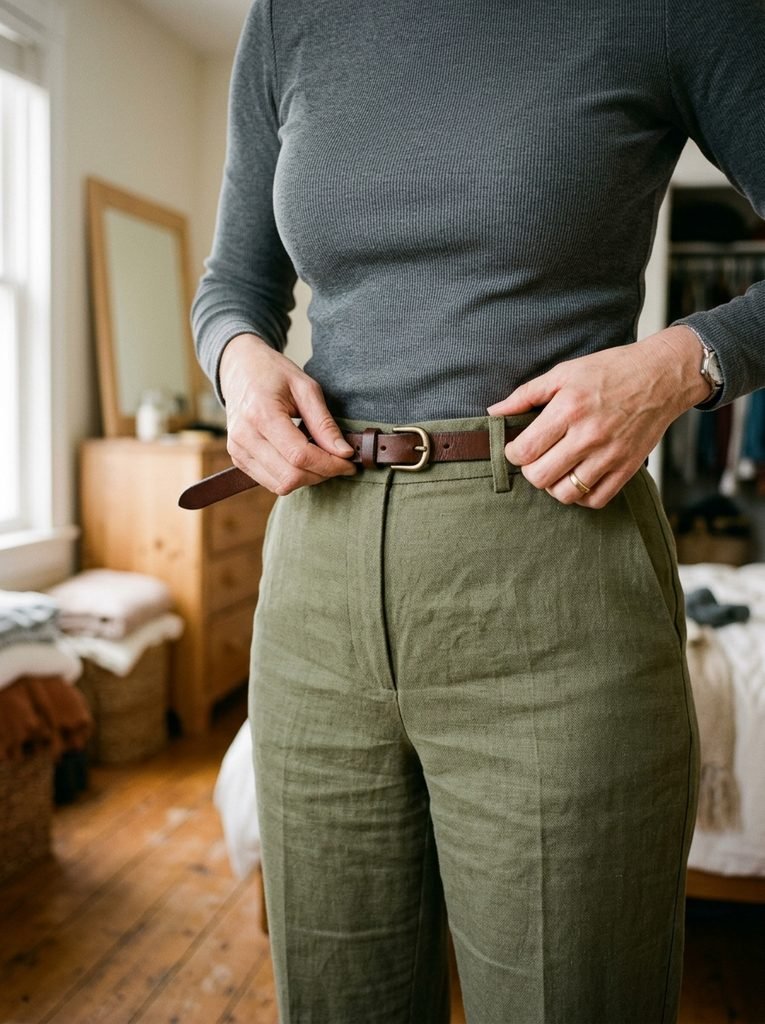
The waistband is the single most influential seam in a petite outfit, because it’s the line that splits the body into an upper and lower half. Move that line up, and the legs read as a larger share of the total height. Move it down, and the opposite happens.
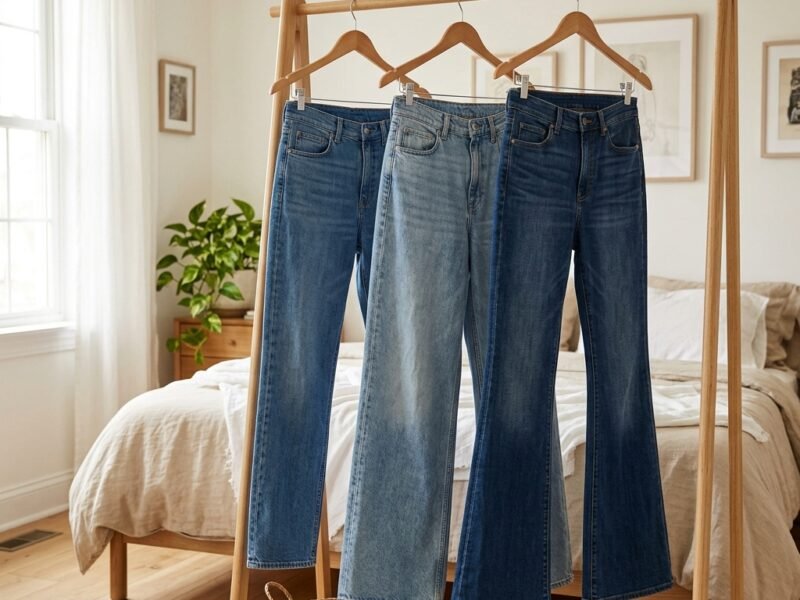
A high or ultra-high rise, sitting at or just above the natural waist, does more for a petite frame than almost any other single fit decision. It’s not about the waistband being tight. It’s about where the eye registers the split between torso and leg. A mid-rise that sits at the hip shortens that same split by a few visual inches, even on identical leg length.
This is also why petite-specific sizing exists as its own category rather than just shorter versions of standard clothing. Petite sizing is built around height and proportion together, not just trimmed inseams, which is why a genuinely petite-cut pair of trousers often sits and falls differently than a regular pair simply hemmed shorter.
A few practical waistband habits worth building:
- Tuck tops in, even loosely, rather than leaving them to fall over the waistband and hide it entirely
- Choose a rise that sits at the narrowest point of the torso rather than below it
- Use a thin belt over a looser top to re-establish the waist line when the garment itself doesn’t define one
The Hem Line Is the Break Point That Matters Most
Where a pair of jeans or trousers ends relative to the shoe is one of the most common proportion mistakes in petite dressing, and one of the easiest to fix without buying anything new.
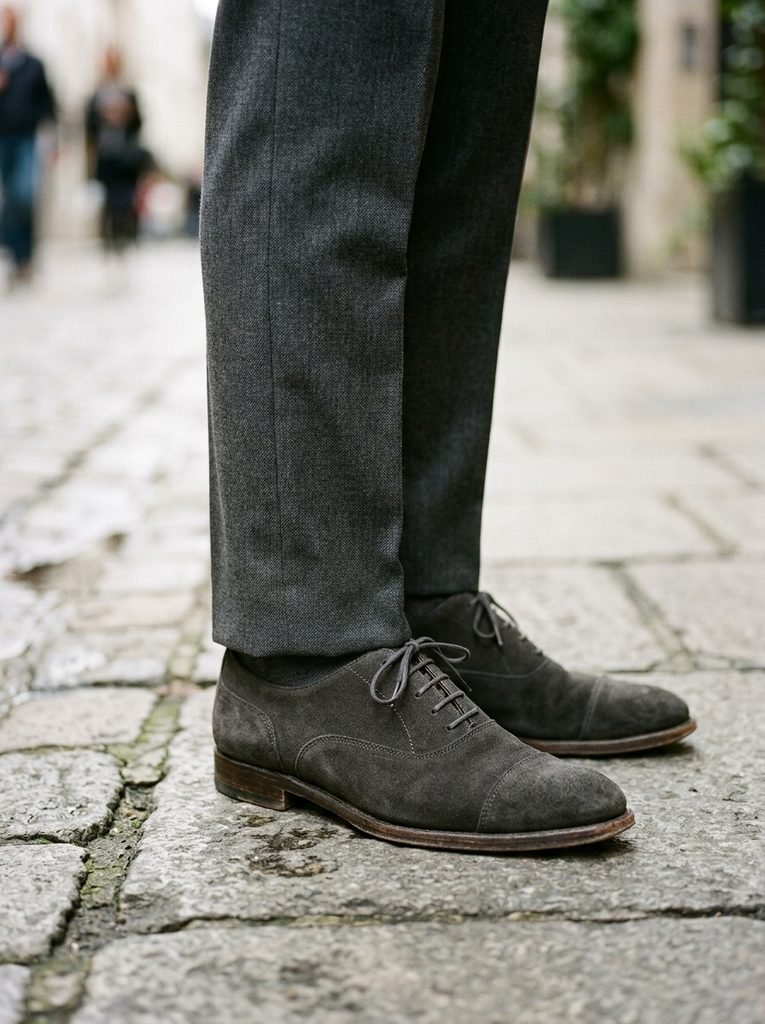
A hem that stacks or bunches at the ankle creates a horizontal pile of fabric exactly where the leg line should be running clean toward the shoe. That pile reads as a stopping point, and stopping points shorten a silhouette more than almost anything else on this list. A hem that hits precisely at the top of the shoe, or breaks just slightly, keeps the vertical line intact all the way down.
Cropped and ankle-length trousers, when the crop is deliberate rather than accidental, actually work well for petite frames specifically because a clean, intentional break above the ankle bone shows a slice of leg and shoe together, which reads as continuation rather than interruption. The distinction is precision. A pair that’s just slightly too long and puddles is doing the opposite of a pair cropped on purpose to a clean line.
Matching the color of the hem to the color of the shoe is a smaller trick that does real work. Dark trousers with dark shoes, or a wide-leg cream trouser with a nude or matching-tone flat, remove the visual break between fabric and footwear entirely, which extends the leg line further than color contrast ever does.
Jackets and Blazers Built for a Shorter Torso
A jacket or blazer that fits well through the shoulder but ends at the wrong length undoes a lot of the work a good waistband and hem just did. Length here matters as much as fit.
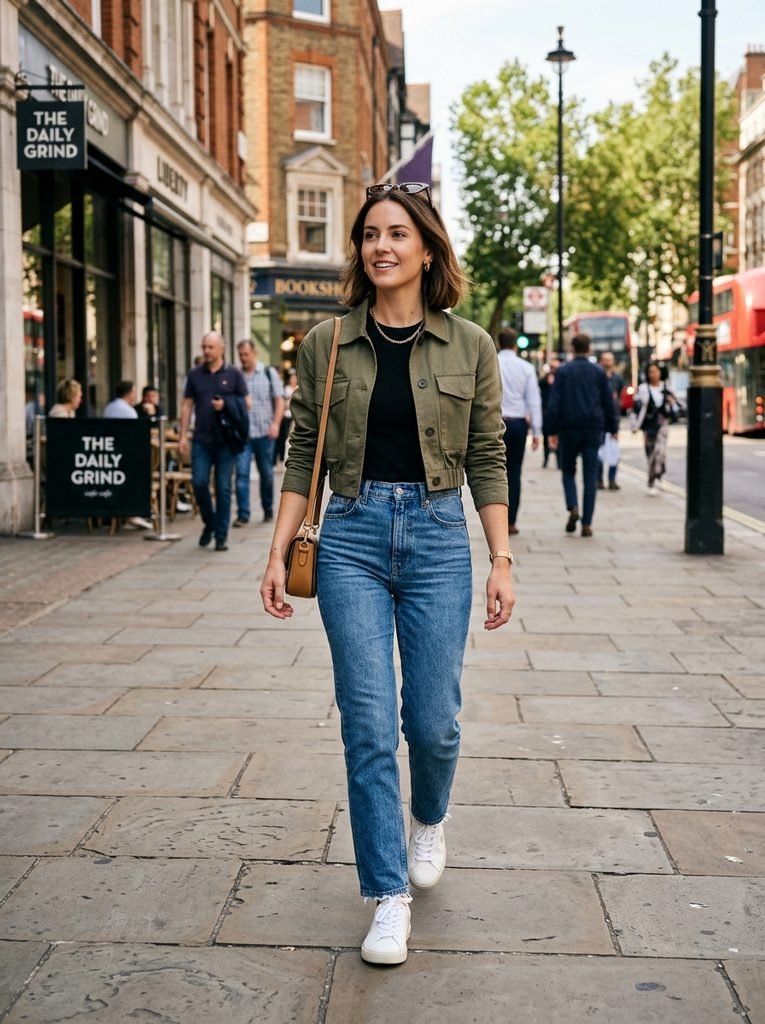
The most common issue is a blazer or coat designed for an average torso landing well past the hip on a shorter frame, at a point where it starts eating into the length of the leg rather than defining the waist. A cropped or shorter blazer that ends at or just below the natural waist keeps the leg line uninterrupted below it, which almost always reads as taller than a longer style on the same body.
Sleeve length matters just as much as body length and gets ignored more often. A sleeve that runs past the wrist bone adds visual bulk at the hand, which is a small detail with an outsized effect in photos and in person. Rolling the cuff, or having sleeves shortened, is one of the cheapest tailoring jobs available and one of the most noticeable.
Shoulder seams are worth checking too. A shoulder seam that extends past the actual shoulder point, common in oversized or borrowed-from-the-boys styles, widens the frame at the top in a way that works against the vertical line everything else is building.

Print and Pattern Scale, Not Just Color
Print scale gets far less attention in petite styling conversations than color or silhouette, but it has a real and measurable effect on how a frame reads.
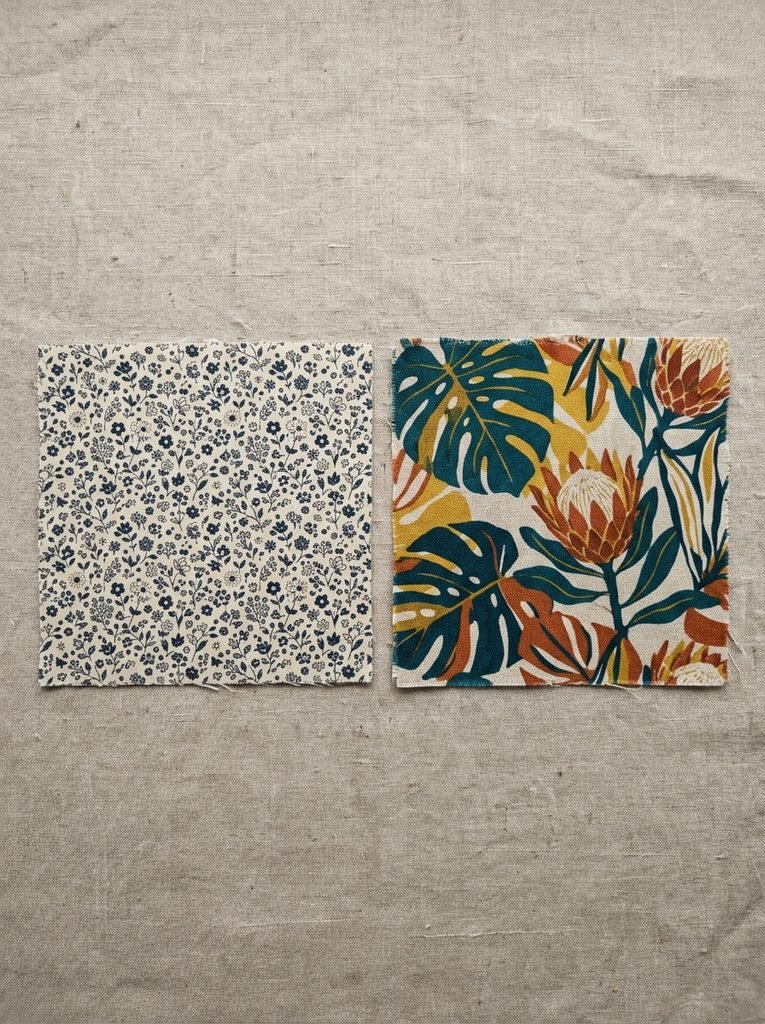
A large-scale print, big florals, oversized plaid, wide stripes, contains fewer repeats across a smaller body, which means the eye reads the print itself rather than the shape wearing it. A smaller, denser print repeats more times across the same body, which keeps the focus on the silhouette underneath rather than on the pattern.
This doesn’t mean petite frames are limited to tiny prints only. A single, oversized graphic placed centrally, like one large motif on a t-shirt, works differently than an allover oversized pattern because it functions more like a focal point than a full-body texture. The distinction is between a print that covers the whole garment at a large scale and one that’s used more sparingly as a single design element.
Vertical stripes, checks, and plaids in a small to medium scale are consistently reliable for the same reason skinny pinstripes work on tailored suiting. The repeated vertical lines guide the eye up and down rather than across, reinforcing the same elongating effect a waistband or hem line creates, just through pattern instead of seaming.
Layering Without Losing the Line
Cooler weather adds a genuine challenge to petite proportion, since stacking layers naturally adds bulk, and bulk is the enemy of a clean vertical line.
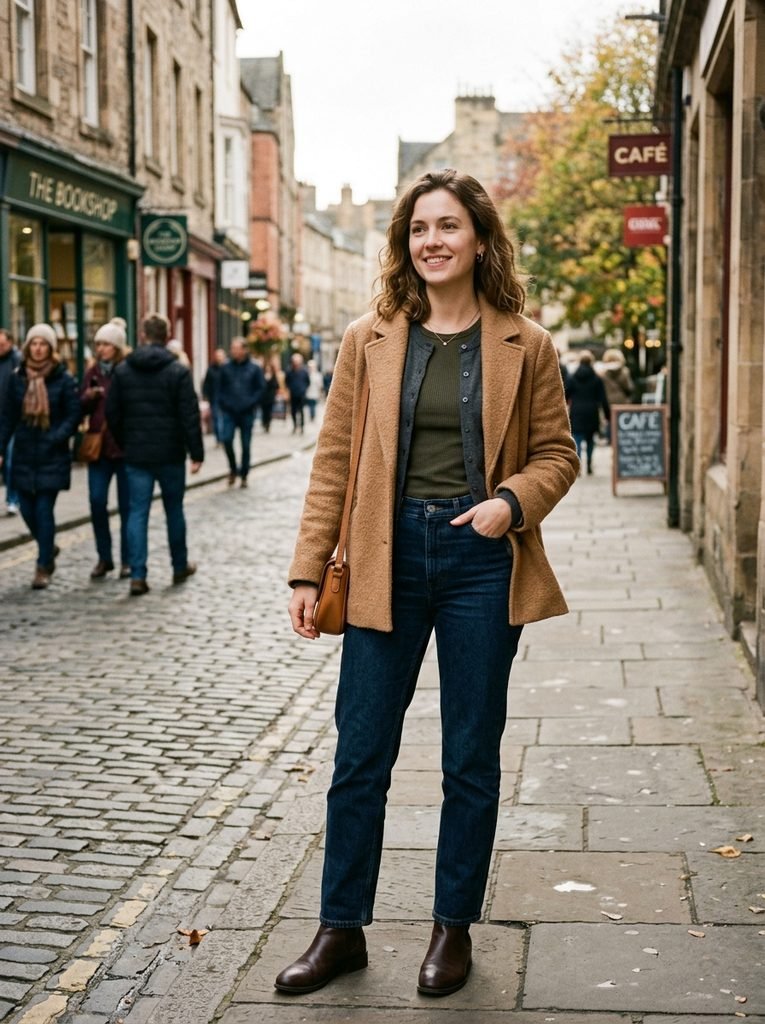
The fix isn’t skipping layers, it’s choosing slimmer versions of each one. A fitted base layer under a slightly looser mid layer, finished with a coat that has some shape rather than a fully boxy cut, keeps warmth without the silhouette ballooning outward at every stage. Three thin, well-fitted layers almost always read taller than two bulky ones.
Open layering, a cardigan or jacket worn open rather than buttoned, is particularly useful here because it recreates the vertical opening discussed earlier with the oversized coat. An open layer shows a strip of whatever’s underneath, which keeps a continuous line running down the center of the body instead of a single wide block of fabric.
Building this kind of layering system works best with a small set of pieces chosen specifically to combine well together, which is the same underlying logic behind a well-planned capsule wardrobe. A handful of slim, cross-compatible layers does more for a petite frame across a full season than a closet full of individually nice but bulky pieces that only work alone.
Accessories in Proportion: Bags, Belts, and Jewelry
Accessory scale is one of the most overlooked proportion tools, and it works both ways. An accessory that’s too large for the frame can swamp it. One that’s chosen with scale in mind can extend a line or add polish without adding visual weight.
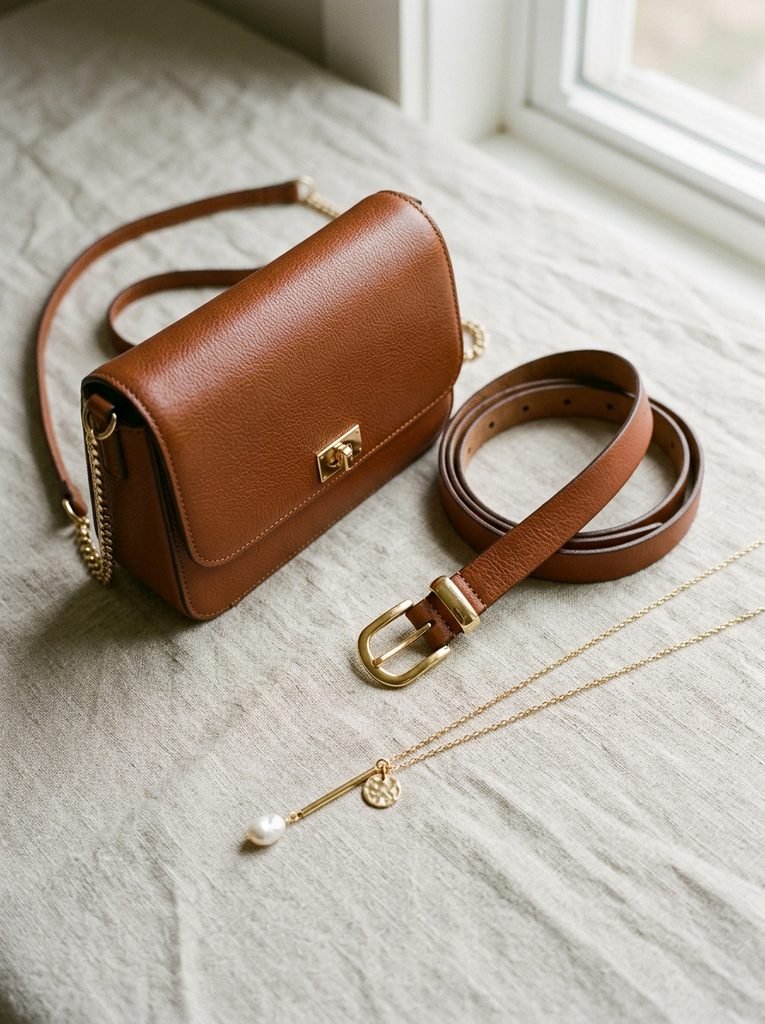
Oversized bags, especially worn crossbody where they sit at hip height, can visually widen and shorten the torso by adding bulk exactly where the waistline should be reading clean. A structured bag in a small to medium size, worn on the shoulder rather than slung low, avoids this problem entirely while still being genuinely useful.
Long pendant necklaces and layered chains that fall past the collarbone add a vertical line down the chest, similar to what a deep neckline does on its own. A short choker style, by contrast, adds a horizontal element at the exact point where the eye should be moving downward.
Belt width matters more on a petite frame than people expect. A thin to medium belt defines the waist without adding bulk at the exact point the waistband is already working to define. A very wide belt can crowd that same area and undo some of the elongating effect.
None of this needs to be expensive to work. The same logic behind outfits that read as more polished than their price tag suggests applies directly here: a few well-scaled accessories chosen with intention do more visual work than a larger collection picked without much thought to proportion.
Shoes That Extend the Leg Line
Footwear is the final proportion decision in any outfit, and for a petite frame it’s often the piece that either finishes the elongating work everything else has done or undoes it in one step.
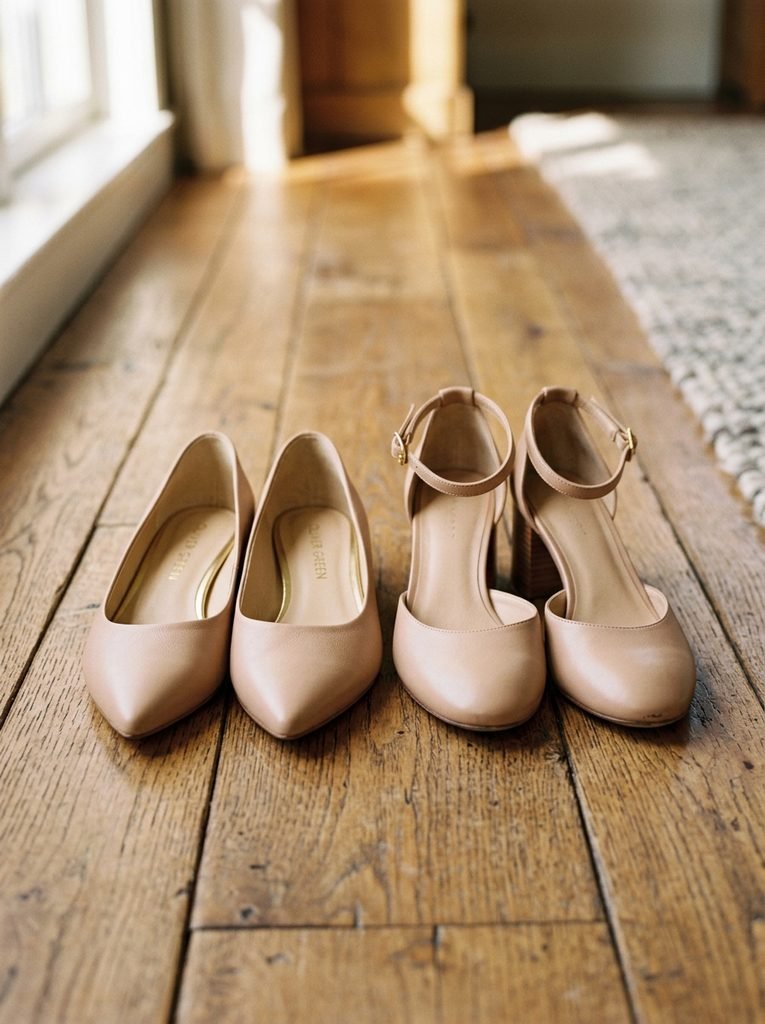
A pointed toe extends the visual line of the foot further than a rounded or square toe does, which has a small but real lengthening effect on the leg above it. This holds true whether the shoe is a flat, a loafer, or a heel, and it’s one of the easiest swaps to make without changing anything else about an outfit.
Matching shoe tone to skin tone, or to the hem directly above it, removes the visual break at the ankle that a contrasting shoe color creates. A nude or skin-toned shoe in particular tends to read as an extension of the leg rather than a separate object stopping it.
A low block heel or a modest platform adds real height without the balance trade-off of a high stiletto, which matters for anyone wearing shoes through a full working day rather than a few hours at an event. Sneakers work too, provided the silhouette is low profile rather than chunky. A thick platform sole under a wide sneaker can visually shorten the leg above it in the same way a stacked hem does.
Five Petite-Friendly Outfit Formulas
These combinations apply the proportion habits above without requiring anything unusual or hard to find.
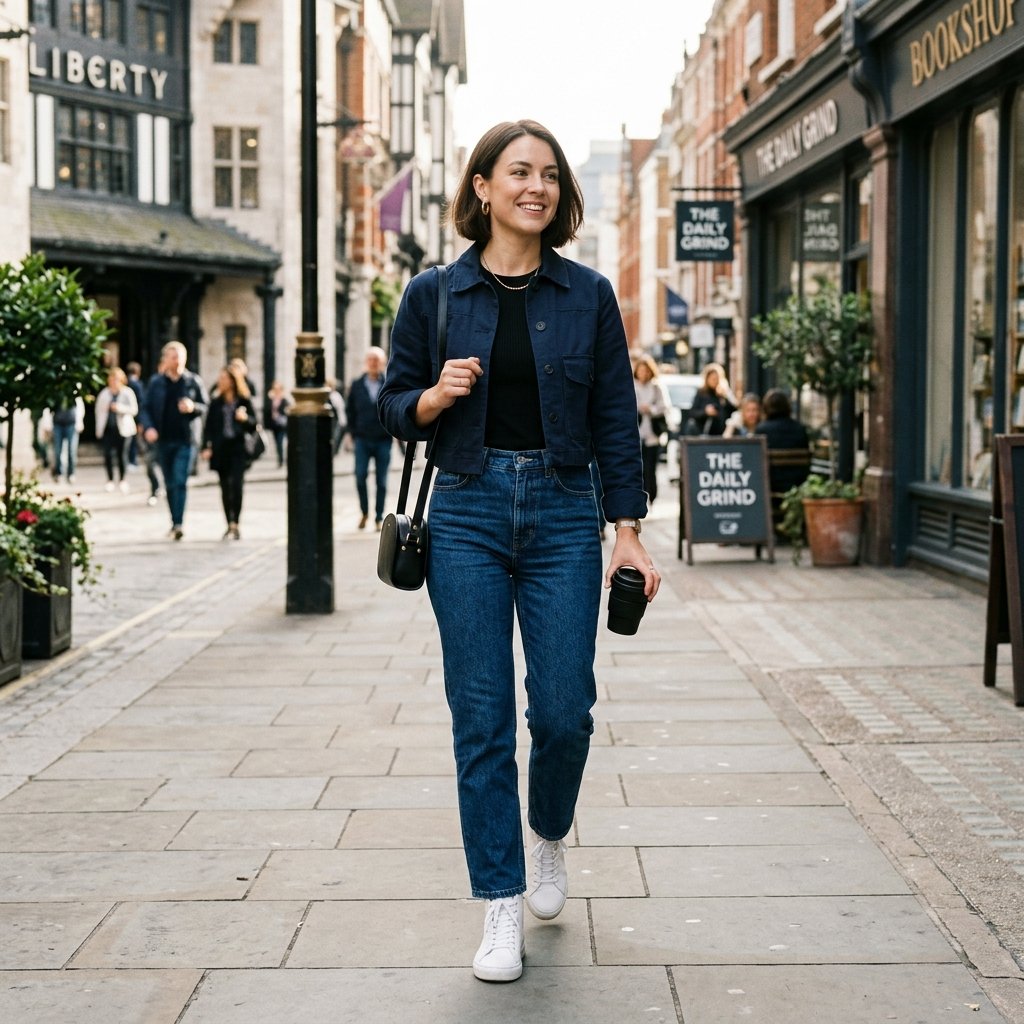
- High-rise straight leg jeans hemmed to break precisely at the shoe, a tucked-in fitted top, and a cropped jacket ending at the natural waist
- A vertical pinstripe trouser, a monochrome fitted top in the same tone, and a pointed flat in a matching or nude shade
- A wrap dress with a defined waist, a thin belt, and a mid-height pointed heel in the same tone as the hem
- Wide-leg cropped trousers that break above the ankle, a fitted turtleneck-free top tucked in, and a small structured bag worn at the shoulder
- Layered thin knits under an open, slightly cropped coat, with a long pendant necklace worn over the top layer
Each formula follows the same underlying idea: a defined waist, an intentional hem, and accessories scaled to support the line rather than interrupt it.
Shopping and Tailoring Mistakes That Undercut Proportion
A handful of habits quietly work against a petite frame even when the individual pieces are good on their own.
Buying regular-length everything and never having it altered is the most common one. Petite clothing isn’t just shortened in one place; rise, sleeve length, armhole height, and torso length are all adjusted together, which is why a single hem alteration on a regular-fit garment sometimes still doesn’t sit right. Budgeting for basic tailoring, a hem, a sleeve shorten, a waist take-in, closes most of that gap.
Buying oversized trend pieces at full scale without editing them is another. A trend that photographs well on a taller frame can be adapted for a petite one with a smaller size, a belt, or a slight crop, rather than skipped entirely or worn exactly as shown.
Ignoring rise height while focused only on leg width is a subtler mistake. Two pairs of jeans with an identical wide leg can read completely differently on a petite frame depending on where the rise sits, which is easy to miss when trying on quickly.
And treating proportion advice as a rulebook rather than a set of tools is worth naming too. The same underlying idea, that specific fit decisions interact with a specific frame in predictable ways, shows up across different kinds of body-conscious dressing, including guidance built around body shape rather than height. The two frameworks solve different problems and can be combined rather than treated as competing systems.
The Takeaway
Height isn’t something an outfit fixes. It’s something a handful of specific decisions, where the waist sits, where the hem breaks, how the jacket ends, quietly work with or against. None of those decisions require avoiding entire categories of clothing.
Once the waistband, hem, and shoulder line are working together, the rest of the outfit, color, print, accessories, becomes far more flexible than a list of don’ts would suggest. That’s the real shift: from managing a frame around a set of restrictions to actively building outfits that use proportion on purpose.
For anyone planning a wedding day look with these same principles in mind, the guide on bridal looks for petite brides covers the same elongating logic applied specifically to gowns, veils, and wedding-day styling.

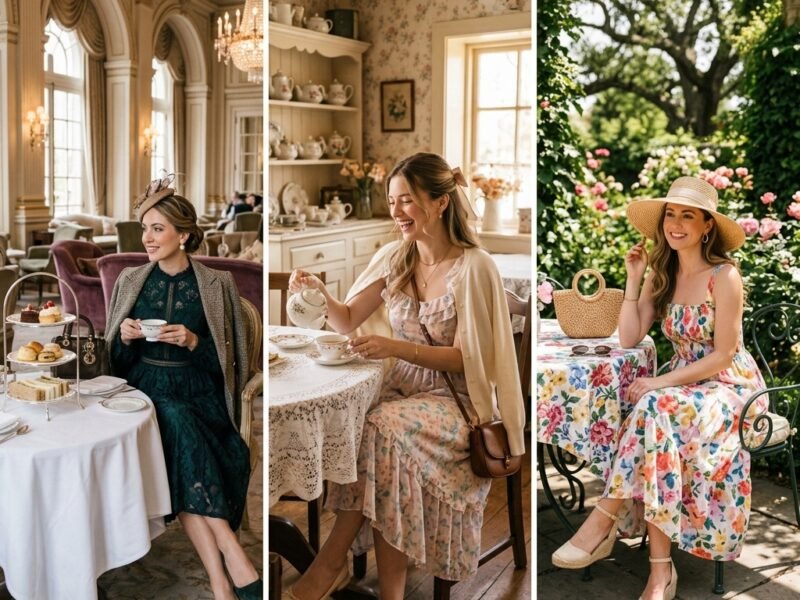
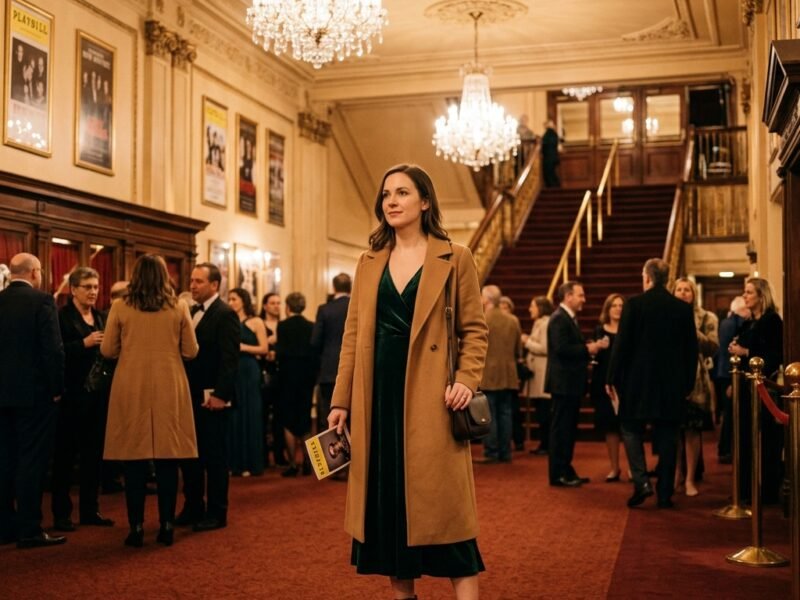
[…] same instinct that helps petite outfit ideas actually add height rather than just cover it up applies here too: dressing for the actual person and the actual room, rather than a generic […]
[…] while shorter wearers can find a hem near mid-thigh easier to balance. The petite styling tips in this guide to outfits that add height go deeper on how hem length and monochrome lines change […]