
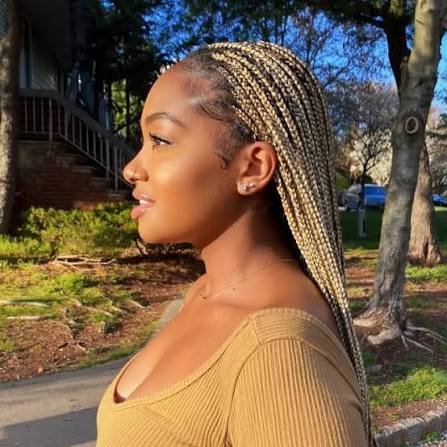
Oils, thickening shampoos, and supplements all promise length. Hair often stays at the same point anyway, snapping off at the ends about as fast as it grows from the root. The frustration is common, and the usual explanation is wrong.
Growth is rarely the problem. Hair emerges from the scalp at a fairly steady rate for most people. Retention is where the loss happens. Heat, brushing, friction against clothing and pillowcases, sun, wind, and constant handling all wear the ends down until they break. The hair grows; it just does not stay.
Protective styles address that directly, and braids are among the most effective tools available. A well-made protective braid tucks the fragile ends away, cuts daily handling to near zero, and lets the hair hold the length it produces. This guide covers ten protective braided styles that genuinely support healthier hair, along with wear times and the care routine that keeps them working.

How Protective Styles Actually Help Your Hair
The mechanism is worth understanding before the styles themselves. Everything else follows from it.
Hair is oldest and weakest at the ends. Those inches have survived the most washing, brushing, and weather, so they split and snap first. Protective styles tuck them somewhere nothing can rub, pull, or dry them out. Daily brushing and restyling stop at the same time, which removes a second major source of breakage.
The comparison is a fragile object packed in a padded box before a long move. Nothing about the object gets stronger. It simply arrives intact.
Two rules decide whether a protective style helps or quietly causes harm:
- Never braid too tight. Tension at the roots and hairline causes breakage and thinning over time. Pain is the signal, and it means the style needs loosening.
- Keep the ends tucked. Ends left hanging remain exposed, so the protection only works once they are genuinely enclosed.
Every style below works when those two conditions hold, and fails when they do not.

Loose Everyday Braids That Protect
Protection does not require a six-hour installation. Several of the most effective options are simple enough for daily wear, and their low tension is exactly what a fragile hairline needs.

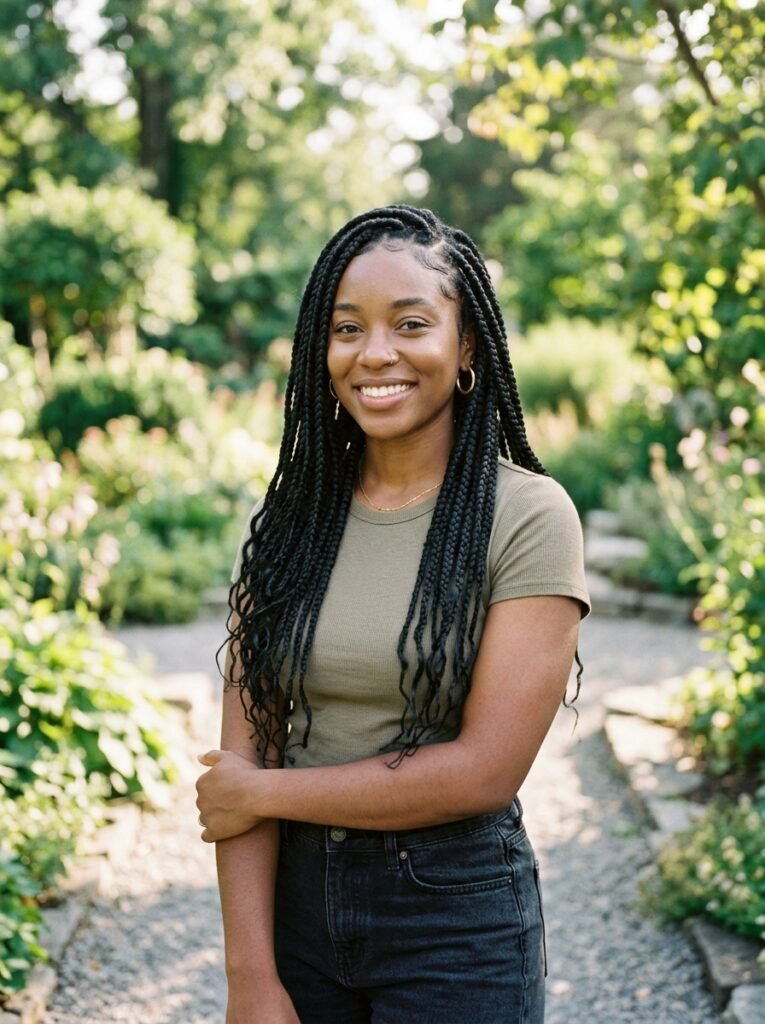
Loose Box Braids
Box braids divide the hair into sections and spread the styling across the whole head. Looseness is the entire condition of the style working.
Braids installed tightly look neater and last longer, which is exactly why the mistake is so common. That neatness is bought with tension at the edges. Sealed or tucked ends complete the protection, and a comfortable install can be worn for several weeks.
The Low Braided Bun
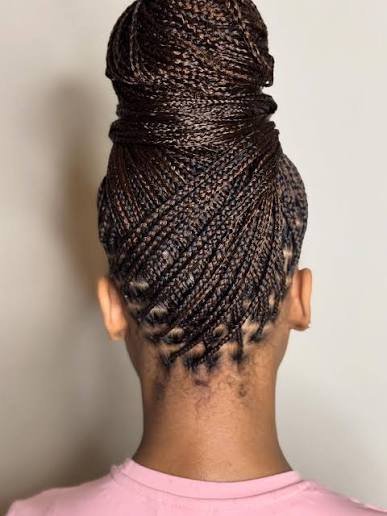
This is arguably the best everyday option on the list. The hair braids first, then coils into a low bun with the ends completely enclosed.
Braiding before coiling does two useful things. It compresses the volume, so the bun sits neat rather than bulky. It also gives pins something structured to grip. The low position keeps the weight resting against the neck instead of pulling from the crown.
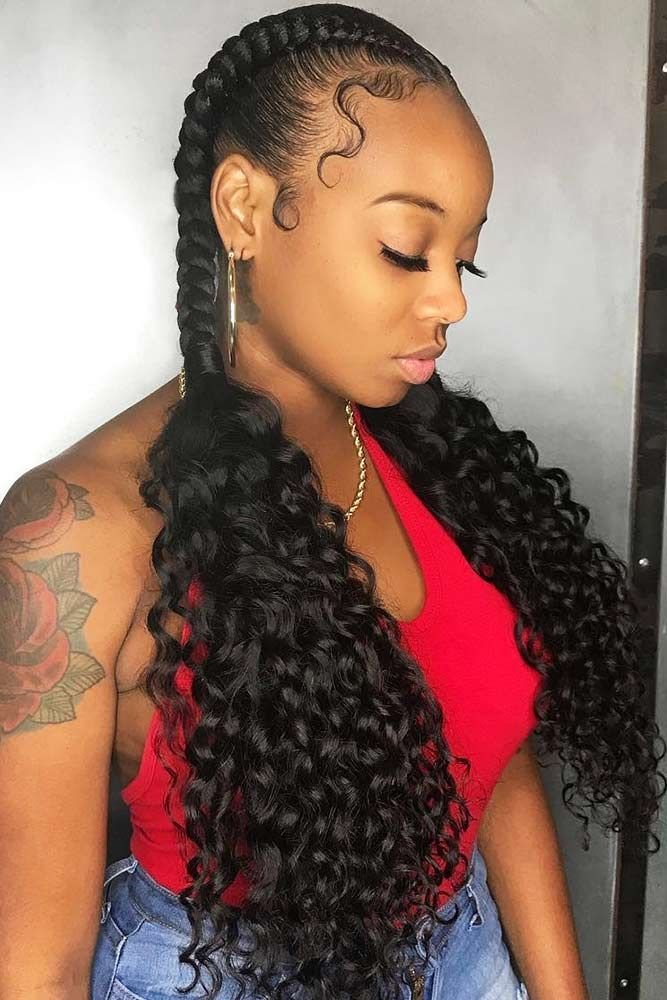
Two Loose Dutch Braids
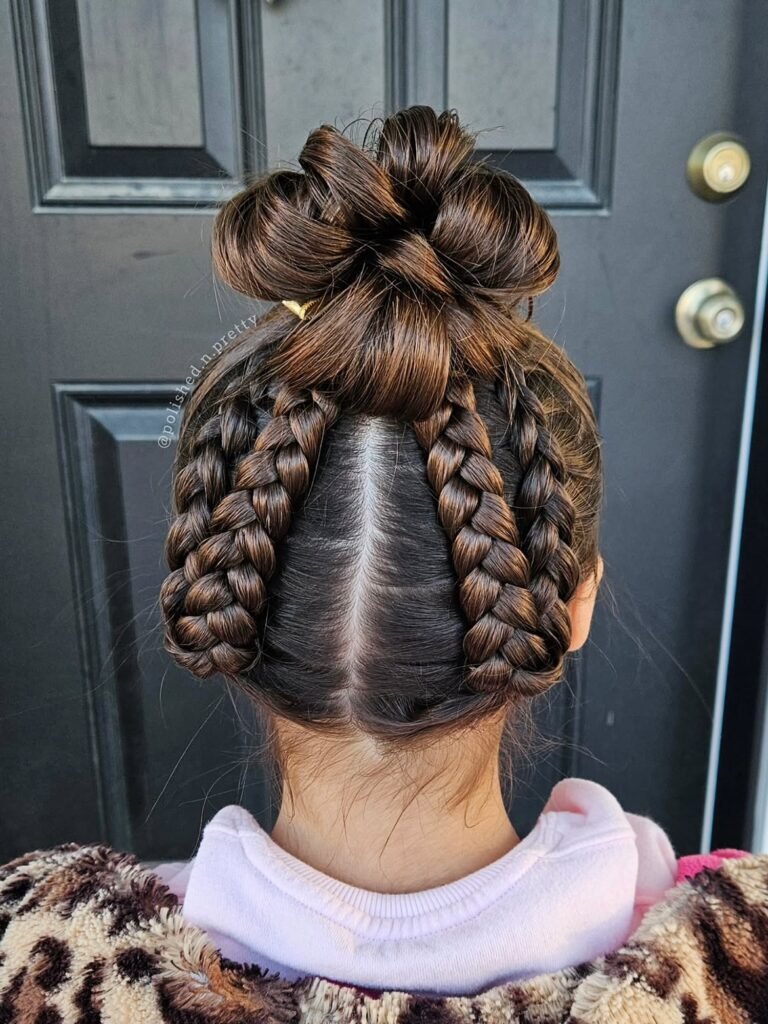
Two Dutch braids running back along the head keep everything contained through a full day, which removes most of the touching and tangling that causes breakage.
Dutch braids cross the outer strands underneath rather than over, so they sit raised against the scalp. That raised position matters here: it means the braid rests on the head rather than pulling into it. Taking equal sections each pass keeps the tension even along the length. Further everyday variations appear in this collection of half-braided styles.
The Braided Crown
A braid wrapped around the crown with the ends tucked underneath protects and looks deliberate at the same time. Nothing is left hanging.
Pinning at five or six points around the head rather than two spreads the load and stops the braid drifting. It also prevents any single pin carrying enough weight to pull. This is the style to reach for when protection needs to look like a choice rather than a compromise.
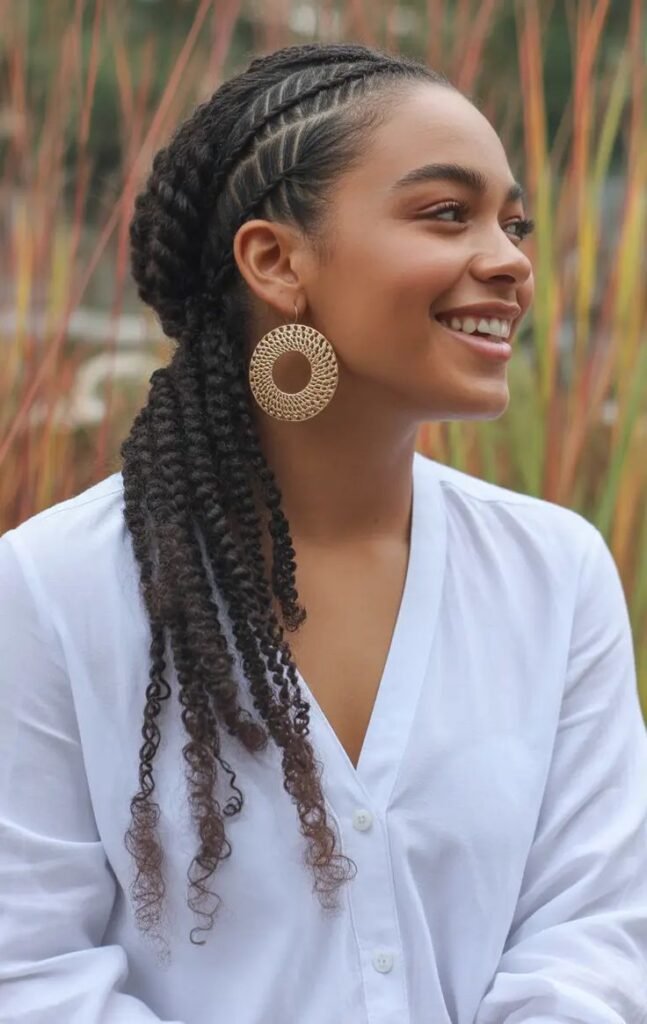
Longer Lasting Protective Styles
Some weeks call for a style that can be installed and left alone. These last longer and reduce handling further. The looseness rule matters more here, not less, because the tension stays in place for weeks rather than hours.
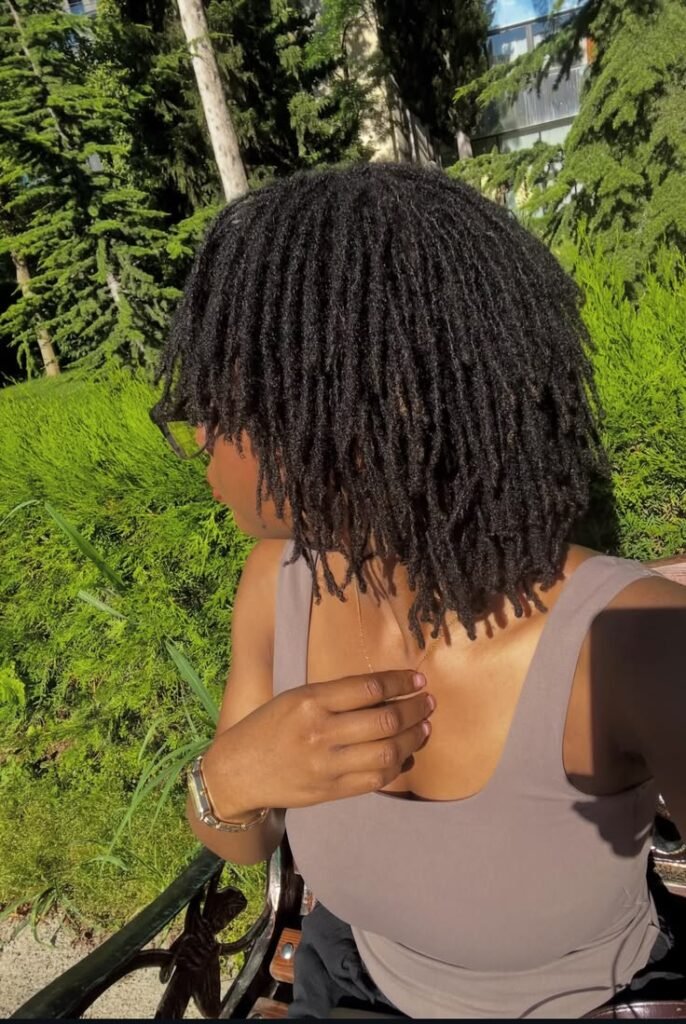
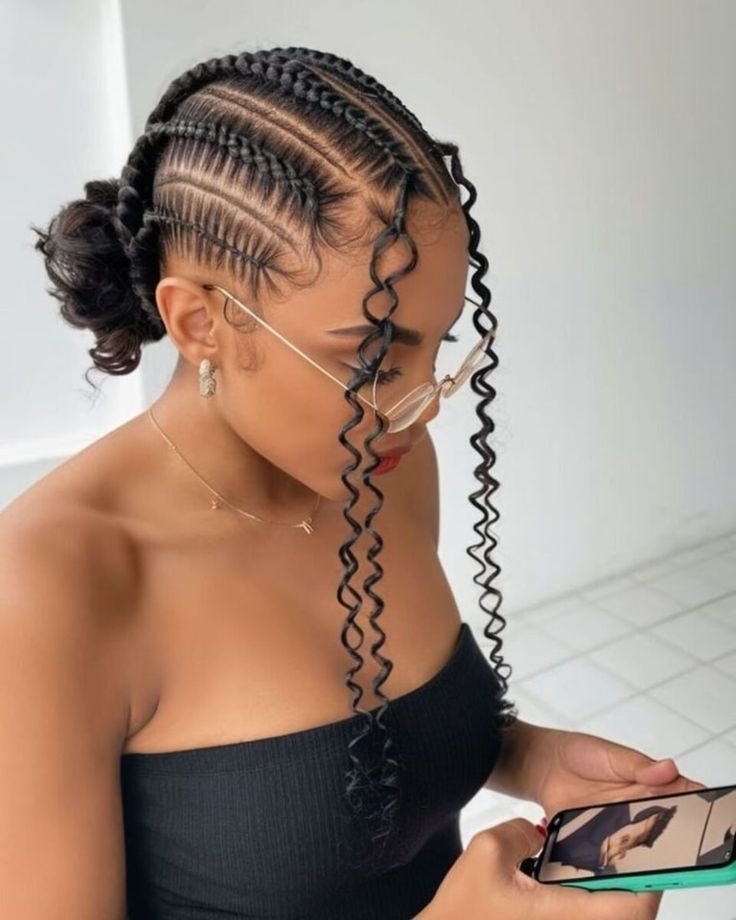
Loose Cornrows
Cornrows sit close to the scalp and hold for a long stretch, which makes them a strong protective option. Install tension is the only real variable.
Comfortable cornrows rest the edges. Painful ones do the reverse, and the damage accumulates quietly over weeks. Speaking up during the appointment is far easier than correcting it afterwards, and any competent stylist would rather adjust the tension than have the client sit through it.
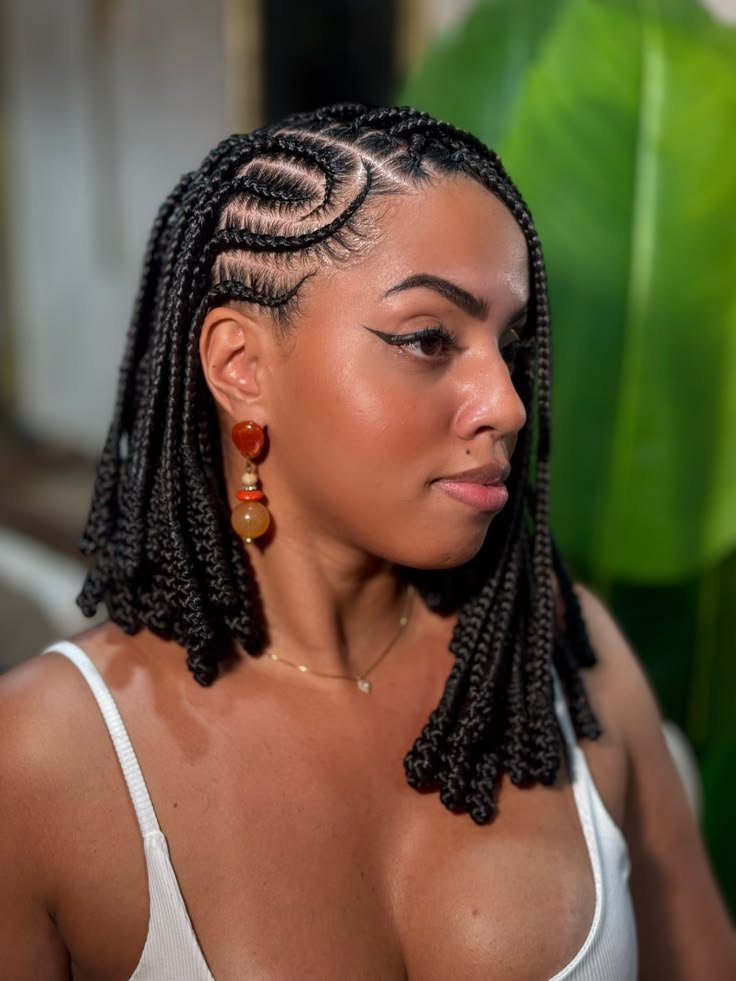
Twist Braids
Two-strand twists are the gentler relative of the three-strand braid. Fewer crossings mean less stress along the shaft.
Takedown is where they really earn their place. Twists unwind rather than needing to be picked apart, which cuts the breakage that happens during removal — often the single most damaging half hour of the whole cycle. Anyone whose hair struggles with standard braids should try twists before giving up on protective styling.
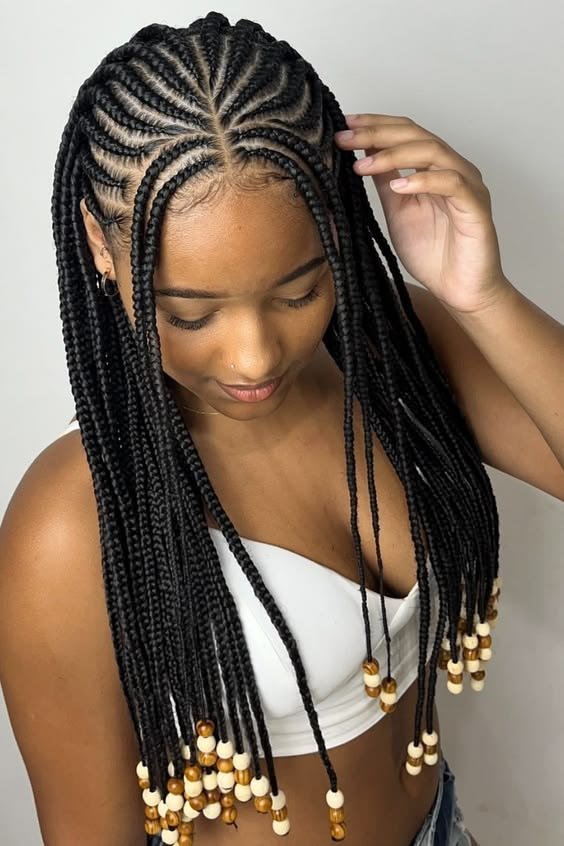
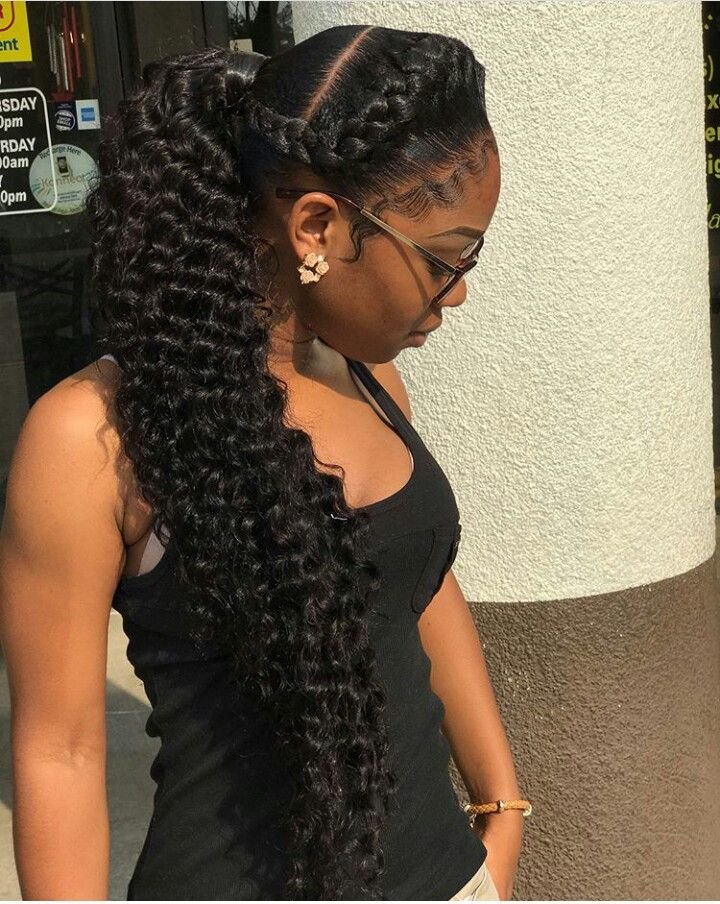
The Wrapped Low Ponytail
The hair braids into a low ponytail, and the ends then wrap up and under to sit hidden and secured.
This targets the most fragile inches specifically. A soft fabric tie rather than a standard elastic reduces compression at the gather point, which is where breakage concentrates in any ponytail worn regularly.
Gentle Overnight Protection
Sleep is the overlooked half of the problem. Six to eight hours of movement against a pillowcase creates friction, and loose hair tangles and snaps through the night. A one-minute style before bed changes that, and it costs nothing.
The Loose Sleep Braid
One loose braid before bed is the easiest protective habit to build and the one most likely to stick.
It stops the tangling and pillow friction that cause overnight breakage. Braiding loosely matters even here — a tight sleep braid applies tension for eight hours a night, every night, which is precisely the pattern that damages a hairline.
Two Loose Braids for Sleep
Splitting into two braids spreads the arrangement more gently and contains everything just as well.
The side benefit is texture. Hair braided damp dries into a soft wave overnight, which removes the need for heat the following morning — protection and styling from the same thirty seconds. This step-by-step guide to heatless overnight curls covers the method in detail.
The Pineapple for Curly Hair
Curls gathered loosely high on the head overnight — the arrangement known as a pineapple — keep the curl pattern off the pillow.
Crushing is what flattens curls and snaps them at the bend. Lifting them clear preserves both the pattern and the length. A soft scrunchie or a fabric tie holds it without compressing the base, and the whole thing should sit loose enough to move freely.
How to Care for Braided Hair
A protective style only protects while it is maintained. Installing braids and ignoring them entirely for two months tends to backfire.
Timing comes first. Six to eight weeks is the outer limit for most installations. Beyond that, product buildup and matting at the roots create their own damage, and the takedown becomes the destructive event the style was meant to prevent.
Moisture matters throughout. A light oil or a moisturising spray on the scalp and edges keeps things supple, since dry hair is brittle hair. Heavy application works against this, because product that cannot be washed out simply accumulates.
Takedown deserves real time. Rushing or pulling undoes weeks of careful protection in a single sitting. Working slowly, section by section, and detangling from the ends upward afterwards preserves what the style has been holding onto.
One small change compounds over time. A satin or silk pillowcase, or a satin scarf, reduces friction against the braids and the edges every night for the whole install.
Common Mistakes to Avoid
Four errors turn a helpful protective style into a damaging one. All four are avoidable, and the first is by far the most serious.
Braiding too tightly heads the list. Sustained tension on the follicles causes traction alopecia, and the clinical picture is worth knowing precisely. JAMA Dermatology notes that early traction alopecia does not scar and reverses once the pulling stops, but long-term traction can produce permanent scarring hair loss. Tenderness, stinging, or pain in the affected area are listed among the early signs. Pain is therefore not something to tolerate for the sake of a neater install — it is the warning that the process has started.
Leaving braids in too long comes second. The style still looks acceptable at ten weeks, and takedown is a chore, so it gets postponed. Buildup and matting mean the eventual removal causes more breakage than the install ever prevented.
Neglect is the third. No moisture, no scalp attention, nothing for six weeks. Hair tucked away still needs a little care, and a light routine takes minutes a week.
Rushing the takedown is the fourth. An aggressive removal can cost more length in an hour than the entire install protected, which is a bleak trade after weeks of patience.
Expert Insights Worth Knowing
Rotating between protective styles beats repeating one. Wearing the same install in the same sections places repeated stress on identical points along the hairline, and the frontal and temporal areas are where the hair is finest and gives way first. Varying the parting pattern and the placement spreads that load.
Rest periods between installs matter as much as the installs themselves. A few days of cleansing, deep conditioning, and no tension lets the scalp recover before the next style goes in. Back-to-back installations remove that window entirely.
The last point surprises people. Protective styling works as one component of a gentle routine rather than as a standalone fix. Six weeks of careful protection followed by daily flat-ironing and rough brushing produces no net gain. The results come from consistent handling across the whole cycle, with the braids doing one specific part of the job.
Frequently Asked Questions
Do protective styles really help hair grow?
They help hair keep the length it grows, which is where most people actually lose ground. Growth happens at the scalp regardless. Protective styles stop the ends breaking off, so that growth accumulates instead of disappearing.
How long can protective braids stay in?
Six to eight weeks at most. Past that point, buildup and matting cause damage during takedown that outweighs the protection gained. Roots feeling matted or the scalp feeling congested are both signals to book the removal.
Can tight braids cause lasting damage?
Yes, and this is the most important point in the whole article. Sustained tension on the roots and hairline causes traction alopecia, which is reversible early and can become permanent if the pulling continues for long enough. A protective style should never hurt. Pain means it needs loosening or redoing, and a stylist should be told during the appointment rather than after.
How should hair be cared for while braided?
Light moisture on the scalp and edges, satin or silk at night, a sensible wear window, and a slow takedown. Those four habits are what keep the protection real rather than nominal.
Which protective braid is best for beginners?
A loose sleep braid or a low braided bun. Both need no advanced technique, both keep tension minimal, and both can be done at home without a stylist or an appointment.
Final Thoughts
Protective braids give hair the one thing it needs most, which is to be left alone. Nothing about that requires expensive products or complicated technique.
The rules are short. Keep braids loose enough that nothing pulls. Keep the ends enclosed. Moisturise through the install, respect the six-to-eight-week window, and take the style down slowly. Rotate the placement between installs and leave a few days of rest in between.
Applied consistently, that routine shows up as retained length rather than dramatic growth. The change is gradual and it compounds. Anyone whose hair has sat at the same length for years is usually losing it at the ends, not failing to grow it — and that is a solvable problem.

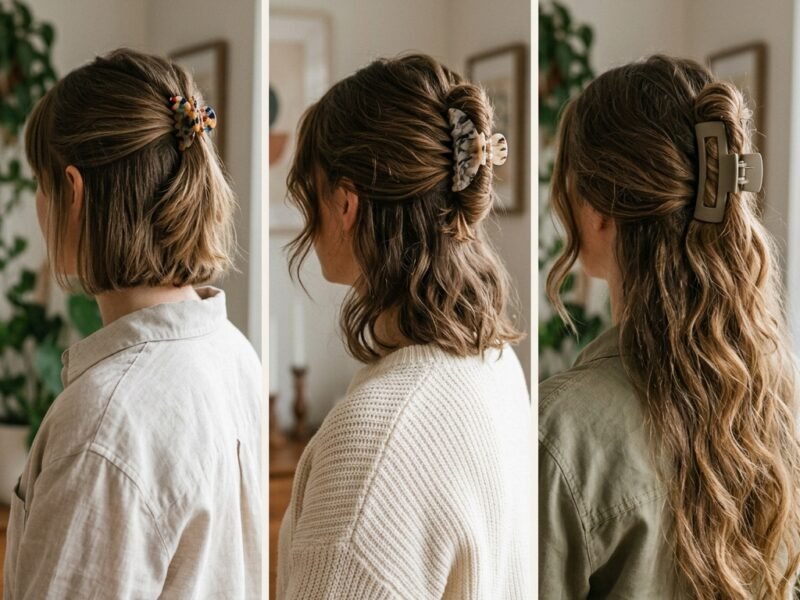
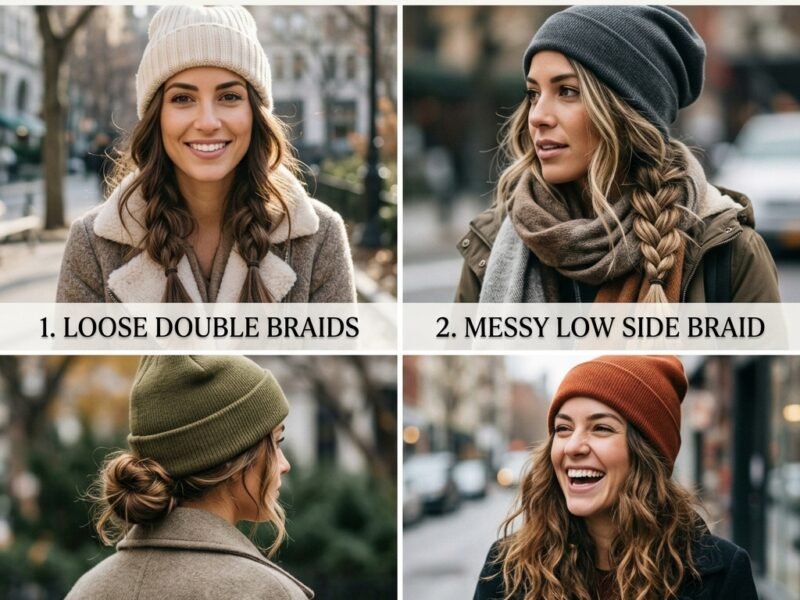

[…] Long hair with face-framing pieces also gives you plenty of styling options. You can wear the hair straight, add soft waves, create a half-up style, pull it into a ponytail, or leave the layers loose around the cheeks. […]