

Wedding planning generates a hundred small decisions, and nails usually sit near the bottom of the list. They rarely stay there once the photographs come back. Hands appear in the ring exchange, around the bouquet, resting on a shoulder during the first dance, and in most of the getting-ready shots.
The decision does not need to be complicated. It does need to be made a few weeks earlier than most brides expect, because the useful part is not choosing a colour. It is getting the nails into a condition where the colour holds.
This guide covers wedding nail ideas alongside the questions that decide whether a manicure survives the day. Which formula to choose, what shape suits a first-time wearer, when to book, and how the whole thing comes off afterwards. That last point catches out more brides than any other.

Why Wedding Nails Deserve More Thought Than You Might Expect
Hands appear in frame more often on a wedding day than at any other time. Ring exchanges are photographed close up. That is the shortest camera distance of the day, and the one where detail shows most clearly.
The practical side matters as much. A manicure has to survive eight to fourteen hours of hugging, dancing, eating, and repeated hand-washing. Chipping tends to happen at the free edge during the reception rather than the ceremony. Formula choice therefore carries more weight than shade choice.
There is also the question of how the photographs age. Classic finishes stay readable decades later. A design tied to a specific year tends to date the images along with it. Neither approach is wrong, and plenty of brides accept the trade knowingly.

Classic and Timeless Wedding Nail Styles
Classic finishes stay legible in photographs regardless of when they were taken. They are also the most forgiving to wear. Simplicity leaves less to go wrong.
Soft Nude Nails
Nude works with every dress shade and every venue. That removes it from the list of things needing coordination. Undertone decides the result rather than the shade name. Beige suits warm skin, blush suits cool, and peach sits between the two.
It is also forgiving for anyone who rarely wears polish. A chip on a nude nail is close to invisible from a metre away. On a bright shade it announces itself.
Classic French Manicure
The French has survived fifty years because the shape does the work rather than the colour. A sheer pink or nude base carries a white band along the free edge.
Band width sets the whole mood. A thin line reads modern, a thicker one traditional. The curve where the two colours meet is the flaw that shows first. Checking it in daylight before leaving the salon takes seconds.
Simple Sheer Pink or Milky White
Sheer finishes build across two or three thin coats until the nail looks lit from beneath. One thick coat pools at the cuticle and stays soft for days. That is how a dent appears the night before. Thin coats, always.

Elegant Wedding Nails With a Little Extra Detail
Detail can be added without the manicure becoming the subject of the photograph. One rule holds across all three options below. Restraint applies to placement rather than to the design itself.
Delicate Lace or Floral Accents
A single accent nail with lace or small painted flowers echoes a lace gown without competing with it. A photograph of the dress fabric gets a closer match than any description. Hand-painted work is billed by time, so expect it to cost several times what a decal does.
Fine Gold or Silver Line Art
Thin metallic lines take minutes rather than an hour, which makes this the cheapest way to add interest. The design is sparse, so it survives a few days of growth without breaking. Matching the metal to the wedding band and jewellery is worth a moment’s thought.
Soft Ombre Nails
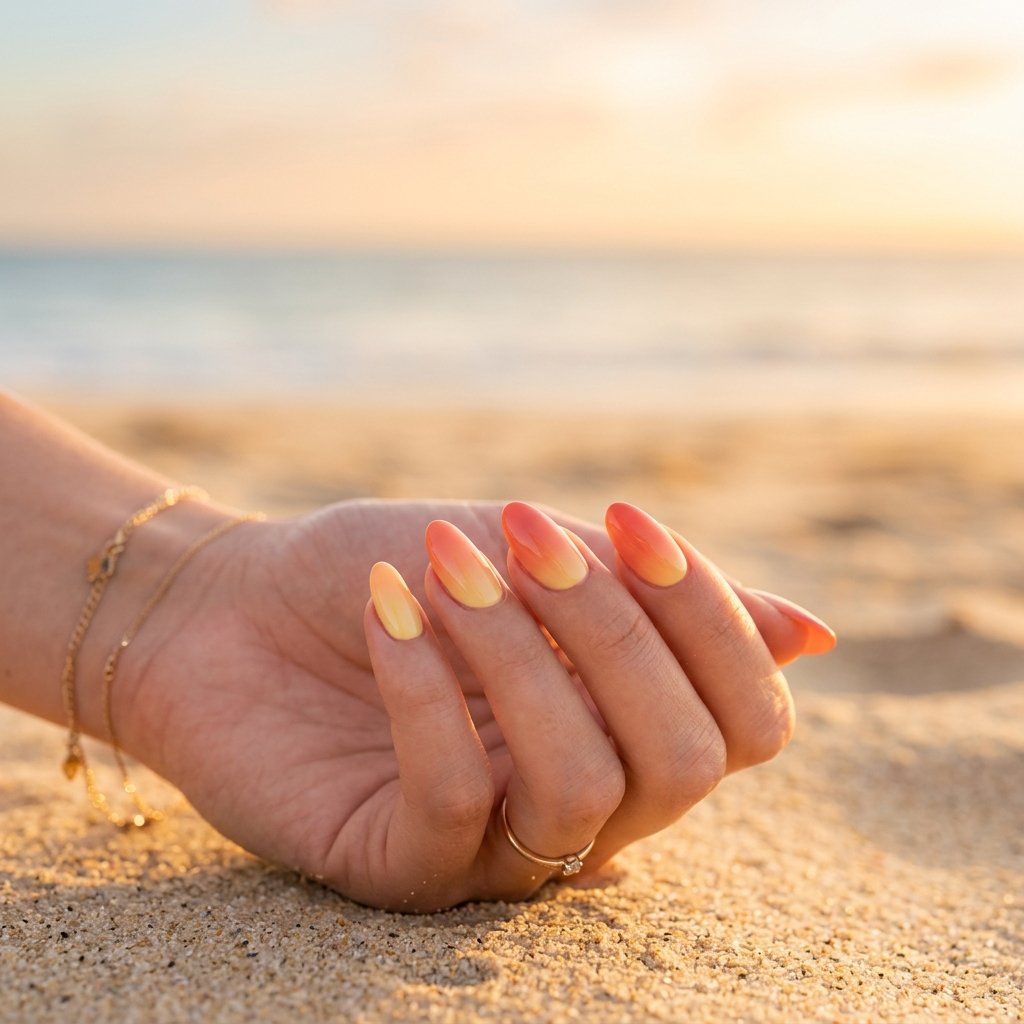
A gradient from sheer at the base to soft white at the tip sits between plain and decorated. It is built with a sponge across three light passes; one heavy pass leaves a hard edge instead of a fade. Low contrast between the two shades means blending errors barely register. That makes it forgiving work.

Nail Shapes That Complement a Bridal Look
Shape decides comfort and durability more than appearance. A shape that photographs well but cannot be lived in for fourteen hours is the wrong choice.
Almond shape tapers along the sides and rounds at the tip. That lengthens the apparent line of the finger. It is more fragile than a square, since the point carries the same force across less material.
Round or oval shapes follow the natural curve of the fingertip. They need the least adjustment for anyone used to short nails. They catch on fabric least, which matters with a veil or a beaded gown.
Squoval keeps the structure of a square with the corners filed soft. That single adjustment removes most of the catching a true square causes. The clean line survives.
Coffin or stiletto shapes concentrate force at a narrow point, so they break more readily than any other shape. They also change how hands work. Fastening buttons, signing the register, and managing a bouquet all become slower. Anyone drawn to them should wear a set for a week before deciding. Extension shapes are covered in more depth in this guide to acrylic nail designs.

Wedding Nail Colors Based on Season and Theme
Season is a starting point rather than a rule. Its real use is narrowing a wide range down to a handful of options.
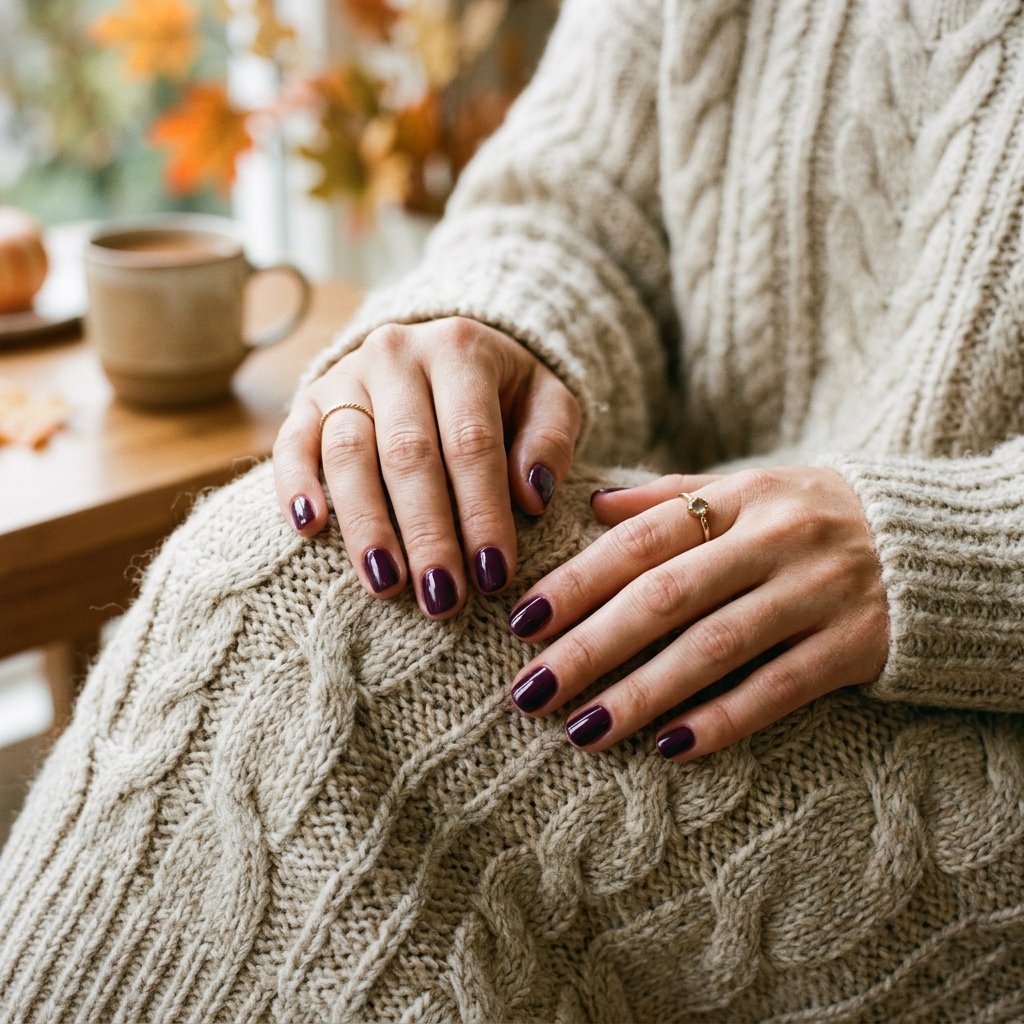
Spring suits soft pastels, pale pinks, and fresh whites. Summer favours nudes, champagne shimmer, and the classic French. All three hold up in bright outdoor light, where deeper shades look heavy. Autumn takes warmer tones — caramel, mauve, and deep champagne. Winter carries icy whites, soft silvers, and subtle sparkle particularly well under artificial light.
Venue lighting deserves more weight than the season itself. Warm reception lighting pushes metallics toward copper and mutes cool tones. Daylight does the opposite. Testing a shade under the venue lighting removes the guesswork. Photographing it under both daylight and artificial light is the next best thing.

Gel, Dip Powder, or Regular Polish: Which Is Best for Your Wedding
Most guides compare these three on durability alone. Removal deserves equal weight. That matters most for anyone travelling straight after the wedding.
Gel polish resists chipping and holds its shine for one to two weeks. It cures hard under a lamp, so there is no drying time to manage. It cannot be removed at home without acetone soaking and filing. A bride flying out the next morning is committed to it for the honeymoon.
Dip powder is the most durable of the three and the best option for anyone hard on their hands. It is also the slowest and most damaging to remove. Reputable salons will not let clients peel it off.
Regular polish chips soonest but comes off anywhere with a bottle of remover. That flexibility suits sensitive or already-damaged nails. It also suits a two-week honeymoon far better than gel. A good top coat and a small touch-up kit close most of the durability gap.
Asking the technician which formula suits the nails in front of them beats any general recommendation. Thin or peeling nails behave differently under gel than healthy ones.

Practical Tips for Booking and Planning Your Wedding Manicure
Five decisions cover most of the planning, and the first two are about timing rather than design.
Book a trial appointment a few weeks before the wedding. A trial tests colour, shape, and wear time. It also surfaces any reaction to the product on an ordinary week rather than the wedding morning. That is the more important function.
Schedule the wedding manicure two to three days before the ceremony. That gap leaves margin to fix a lifted or chipped nail. Booking the day before removes that margin. Booking a week ahead lets regrowth show at the cuticle.
Bring inspiration photos to the appointment. A technician reproduces an image far more accurately than a description. Photos also clarify scale, since most are taken on extensions rather than natural nails.
Consider the ring when choosing nail length. Long nails make sliding a band on cleanly harder. That moment is both photographed and watched. Practising it once with the trial set answers the question.
Pack a small touch-up kit for the reception. A travel file and a clear top coat handle a snag. For gel or dip, a file is the only useful item. Neither can be patched with polish.

Common Mistakes Brides Make With Wedding Nails
Four errors account for most bridal nail disappointment, and none of them involve choosing the wrong colour.
Wearing a dramatic new shape for the first time on the day tops the list. Long coffin or stiletto tips change how hands function. Discovering that while greeting two hundred guests is poor timing. A week of wear beforehand settles it.
Skipping the trial comes second. Shades read differently in person than on a screen. A colour that suits one skin tone can look grey against another.
Booking too early is the third, and it applies most to regular polish. A manicure applied a week out has usually dulled or chipped by the ceremony.
The fourth involves the cuticles, and it is worth being specific. Mayo Clinic advises against having cuticles removed, because they seal the skin to the nail plate. Even a minor cut beside a fingernail can let germs in and cause infection. Their guidance also covers using salons and technicians with a current licence. Asking for cuticles to be pushed back gently rather than cut is a reasonable request at any appointment.

Expert Insights for a Manicure That Lasts All Day
Preparation in the weeks beforehand affects the result more than anything done on the day itself.
Cuticle oil applied daily for two or three weeks keeps the nail plate flexible. Flexible nails chip less than dry ones. The routine costs a minute a day. Starting it the night before achieves nothing.
Choosing a length slightly shorter than the inspiration photograph tends to work out better. Short, well-shaped nails photograph as elegant. They also survive practical tasks that longer ones complicate.
Anyone set on a bolder design can put it on one accent nail rather than the full set. That keeps the look readable in twenty years while still including the detail. A wider range of design options appears in this collection of wedding nail designs.
Technicians can also see things a photograph cannot. A suggested change of shade or shape, based on nail structure or skin tone, is usually worth taking.

Frequently Asked Questions
How far in advance should a wedding manicure be booked? Two to three days before the ceremony, with a trial several weeks earlier to test colour, shape, and wear. The gap leaves room to fix a problem without regrowth showing.
What is the most popular wedding nail colour? Soft nude and sheer pink remain the most requested. They suit every dress shade and disguise a chip better than any bright colour.
Is gel or regular polish better for a wedding? Gel lasts longer and resists chipping. Regular polish comes off anywhere. That matters for a honeymoon abroad, since gel needs professional removal. The travel plans usually settle the question.
Which nail shape suits a wedding best? Almond and oval photograph well and stay comfortable across a long day. Coffin and stiletto break more easily and change how the hands work. Neither suits a first-time wearer.
Can nail art be added without looking too busy? Yes. One accent nail with fine line work or a small floral design adds interest. The other nine stay plain, which keeps the balance.

Final Thoughts
A wedding manicure does not need to be elaborate. It needs to suit the hands wearing it, last the day, and come off afterwards without trouble. Those three requirements narrow the field quickly.
The preparation matters more than the appointment. Cuticle oil started a few weeks out, a trial booked early enough to change course, and a formula chosen around the honeymoon all matter more than the shade. Even the simplest finish photographs well when the nails underneath are in good condition.


Leave a Reply