
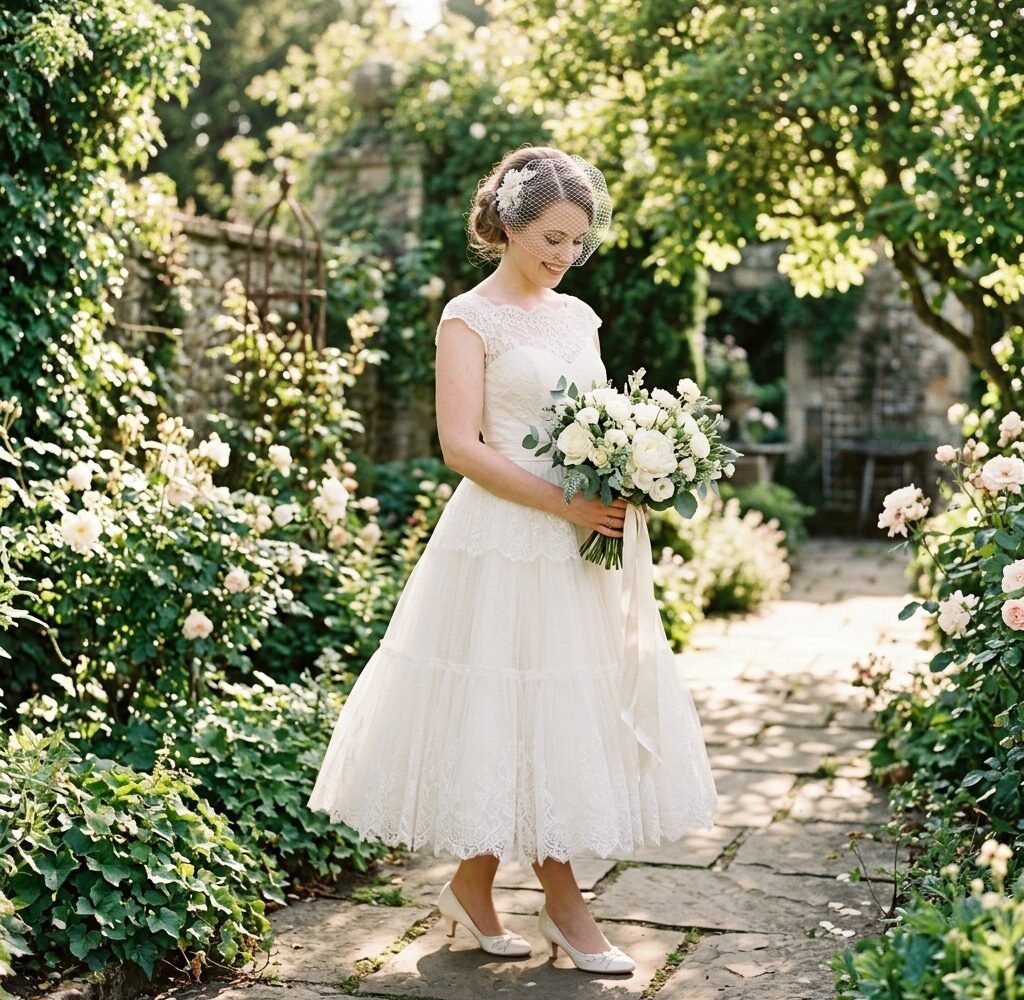
The first time around, many decisions arrive pre-made: a long white gown, a veil, a church, a row of matching bridesmaids. The second time, or the twenty-fifth anniversary, the checklist is blank. That is freeing, and it can also feel oddly stressful, because nobody seems to agree on whether any rules still apply.
The good news is that you have more room than any previous generation to dress the way you want. This guide separates the two occasions, sorts out the old etiquette from the current thinking, and then moves through settings, shapes, colors, and accessories. It also covers some questions that only come up the second time, such as reworking an original gown, coordinating with a partner, and dressing alongside children.
What You Are Really Dressing For
A second wedding and a vow renewal sound similar, but they ask different things of an outfit.
A second wedding is a new marriage ceremony, so the clothes often carry a sense of beginning. Guest lists tend to be smaller, venues more personal, and the couple usually knows exactly what they like. The dress can lean toward whatever feels fresh and self-assured.
A vow renewal is a celebration of a marriage that already exists. Bridebook describes it as a top-up to your wedding ceremony, often held on an anniversary or after a milestone. Here the outfit can look backward and forward at the same time, echoing the original wedding or deliberately departing from it.
Keeping that difference in mind helps narrow the search. Ask whether the day marks a start or a celebration of years already lived, and the shortlist tends to get shorter.
The Old Rules and What Current Guidance Says
Older etiquette held that white was for first weddings only, that a face-covering veil belonged to a first-time bride, and that a vow renewal should not resemble a wedding. Some families and religious communities still hold those views, so it is worth a quick conversation with your officiant and close relatives.
Most current planning resources say otherwise. WeddingWire’s second-wedding guide answers the white dress and veil question with a plain yes, adding that a veil is a personal choice unless an officiant requires one. Greenvelope likewise suggests there is no good reason to avoid any shade of white or any color you like.
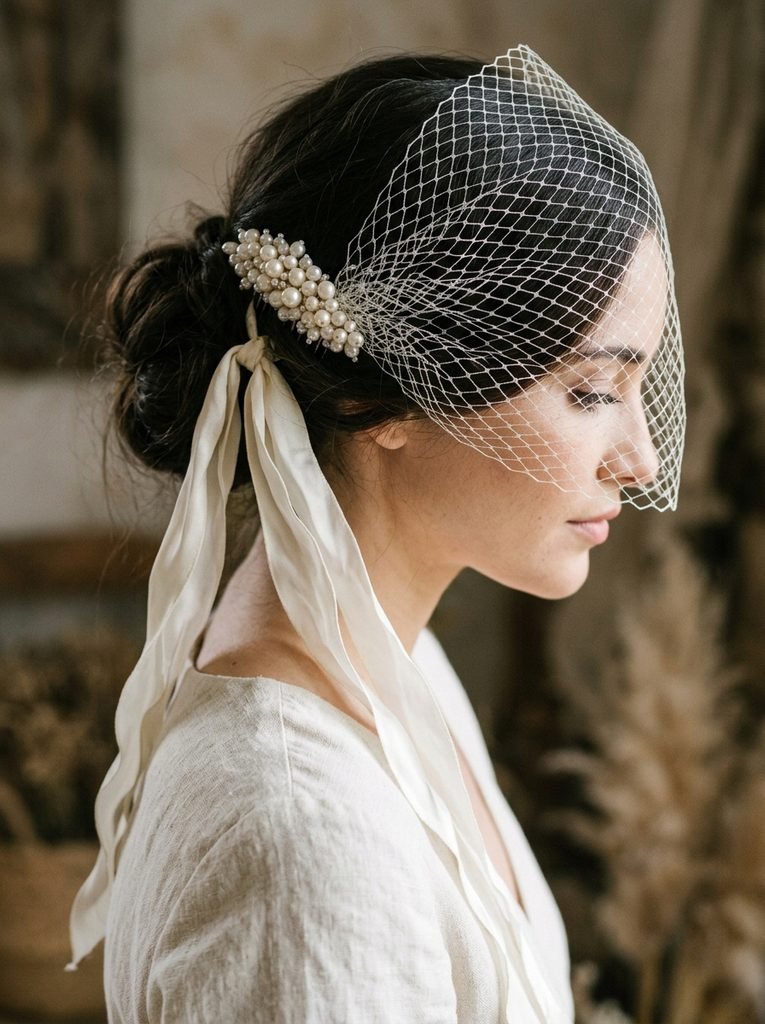
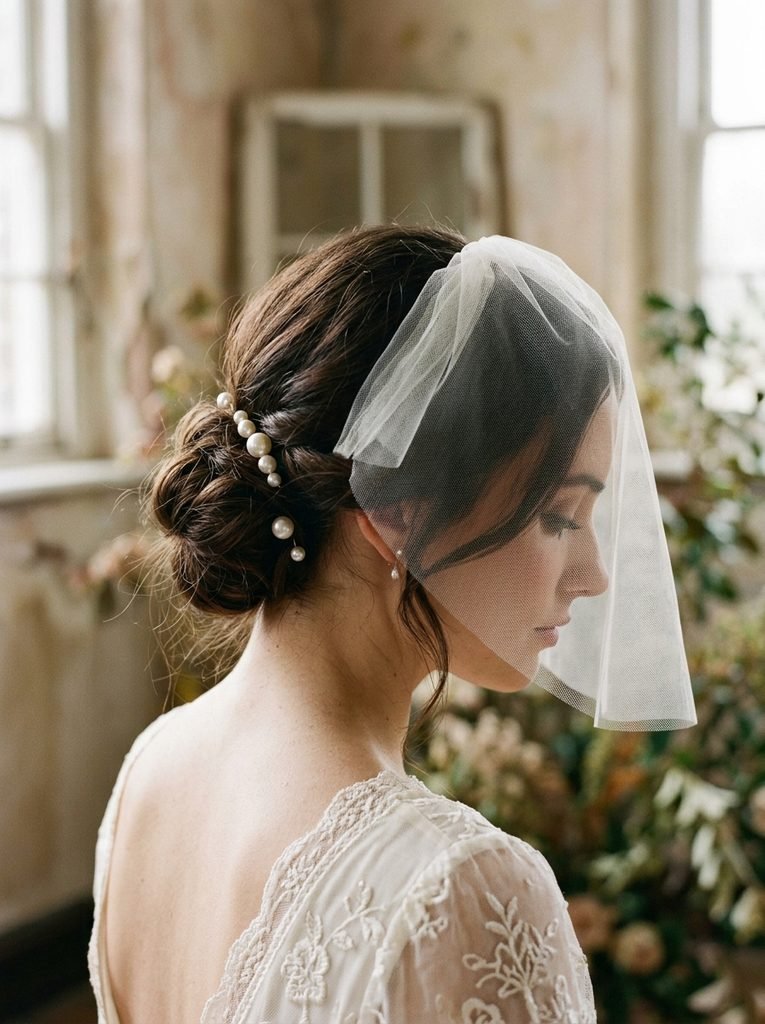
The one detail that often stays traditional is the blusher, the short layer worn over the face. Many guides still treat it as a first-wedding element, which is why second brides often choose face-framing veils, birdcage styles, or hairpieces instead. In practice, the useful rule is to choose what makes you feel like yourself and check only the specific requirements of your venue or officiant.
Let the Setting Choose the Outfit
A venue narrows decisions faster than any trend report. These six scenes cover most second weddings and renewals.
City Hall or Courthouse
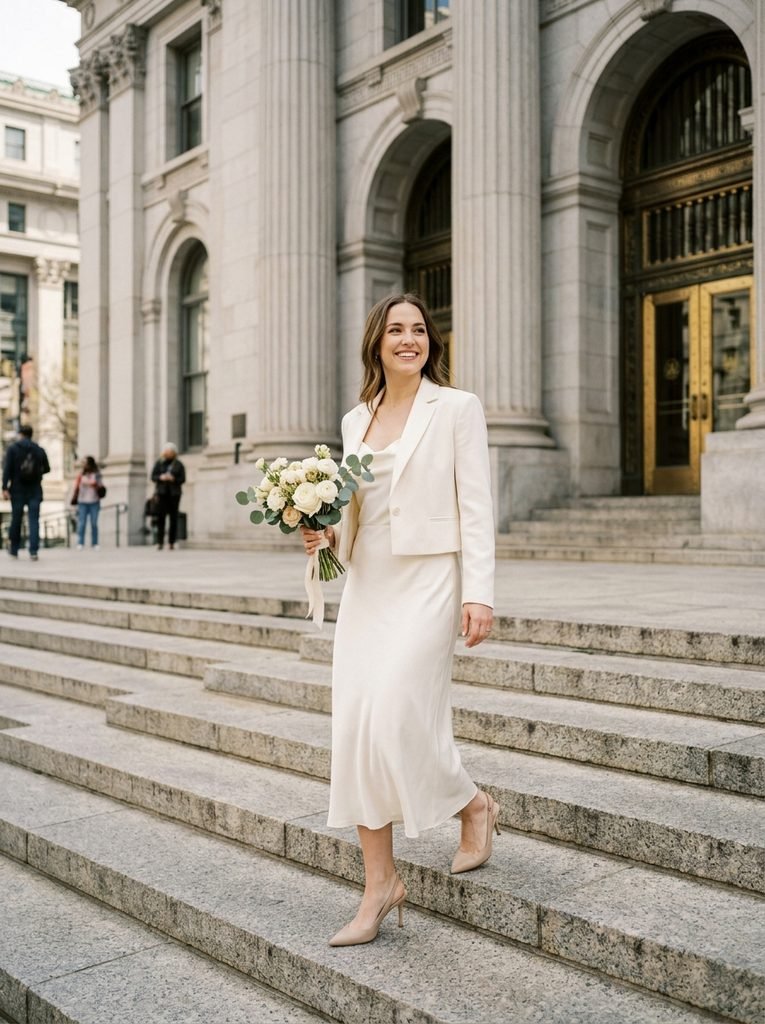
Short and midi lengths feel at home here. A crepe sheath, a tailored skirt suit in ivory, or a structured midi dress with a small posy suits marble steps and quick photographs. Add pearl earrings and low heels, since courthouse corridors involve more walking than people expect.
Backyard or Garden
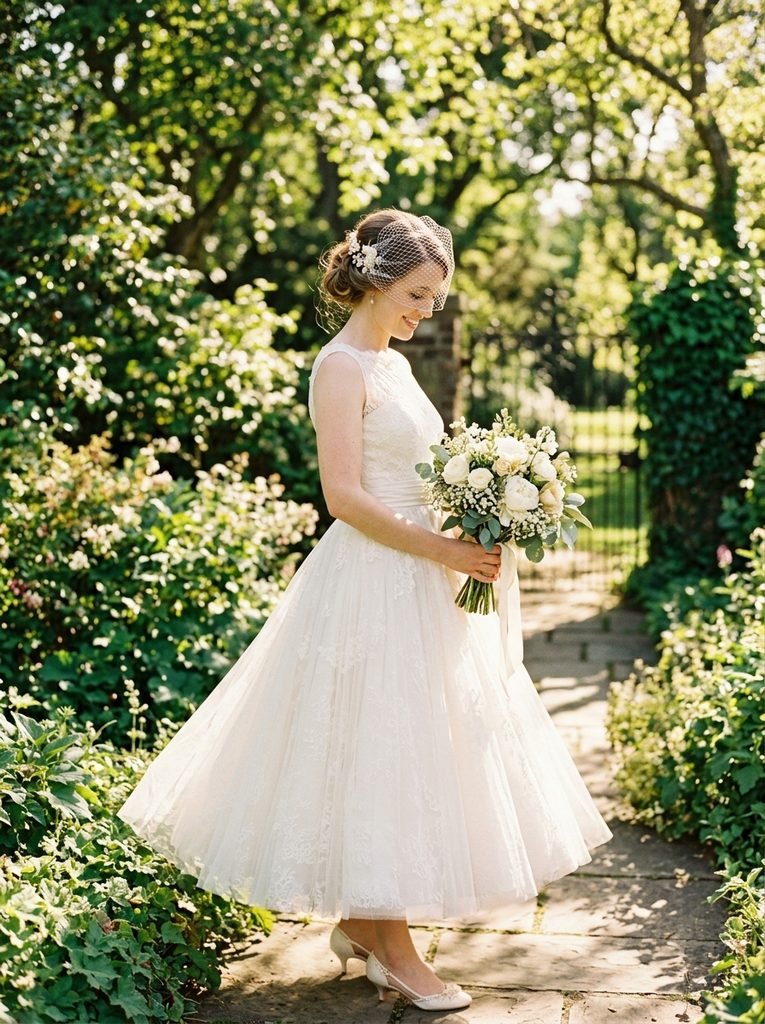
A tea-length dress in chiffon or soft lace works beautifully on grass and in warm light. Block heels or dressy flat sandals avoid sinking into lawns. A lightweight shawl handles evening cool, and a hem that skims the ankle stays out of damp grass.
Beach or Coast
Lightweight, well-lined chiffon or crinkled georgette moves nicely in the breeze, but a thin fabric needs a reliable lining. Choose a hem that clears the sand, and keep jewelry simple so it does not tangle in windblown hair. Barefoot sandals or embellished flat shoes work better than anything with a heel.
Restaurant or Private Dining Room
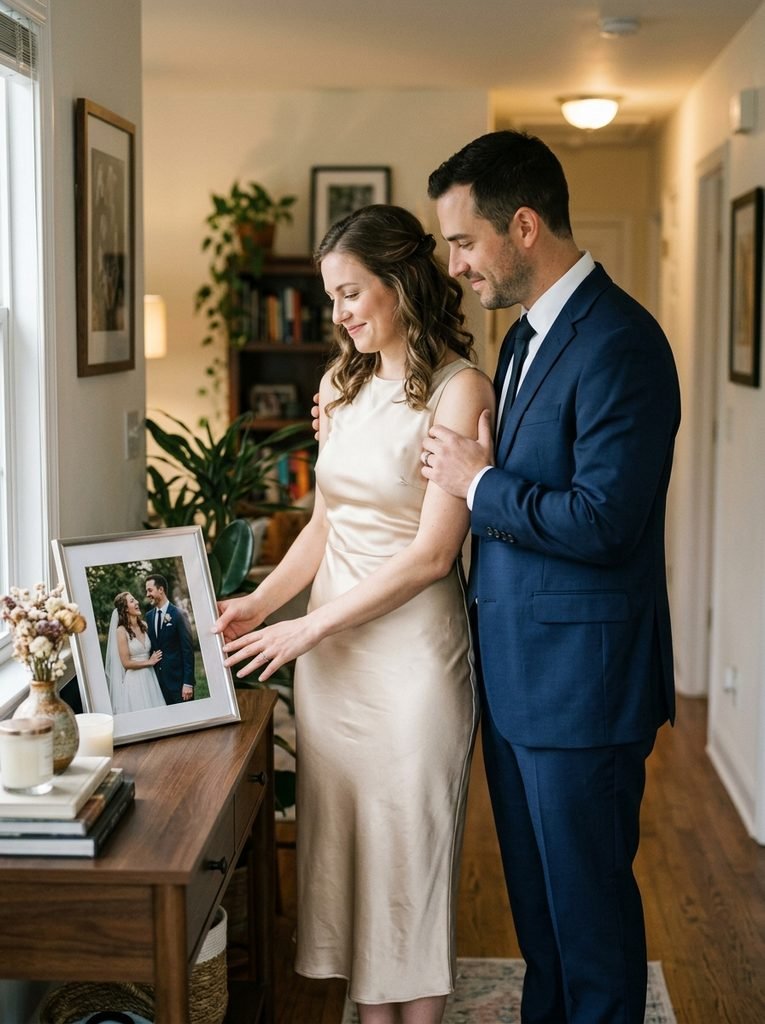
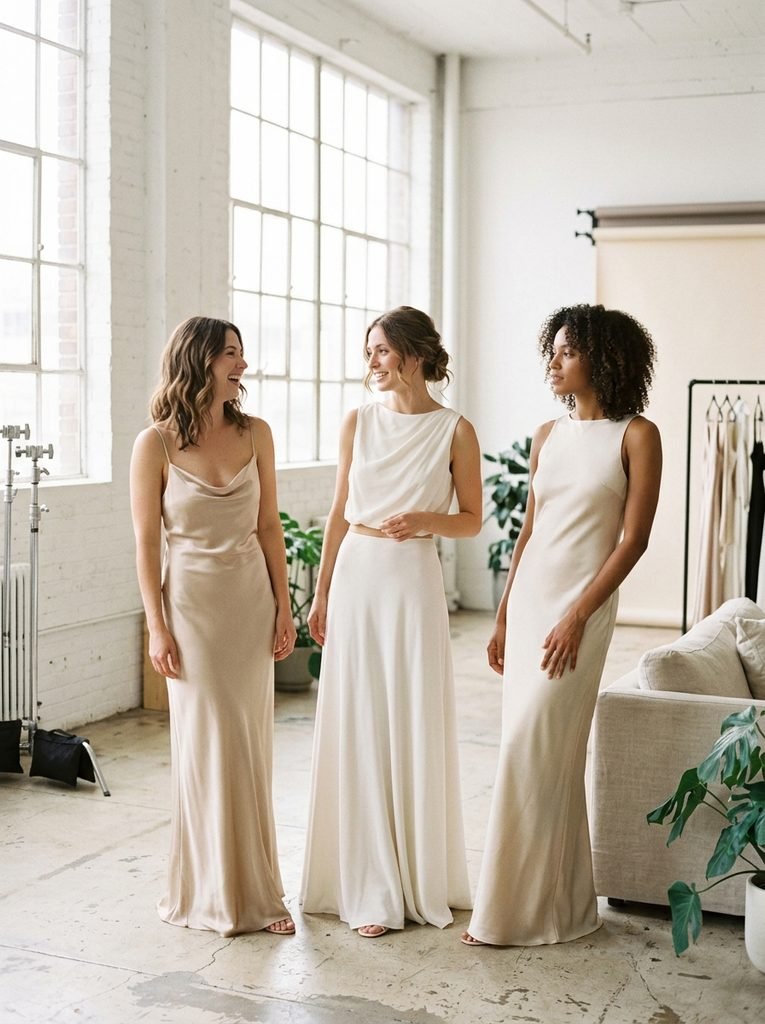
A satin slip midi or a draped crepe dress suits candlelight and small tables. Interior lighting tends to be warm, so ivory and champagne photograph more softly than stark white. A tailored jacket or cropped cape adds polish and keeps shoulders warm when a door opens.
Church or Traditional Venue
Coverage requirements vary by congregation, so ask early. Long-sleeve lace, a dress with a matching wrap, or a gown with a modest neckline satisfy most guidelines without feeling restrictive. A floor-length skirt in crepe or mikado looks formal and sits well in a sanctuary.
Evening Celebration or Anniversary Party
Vow renewals held as a party can go dramatic. Think a beaded column in champagne or a deep-colored gown with a bit of sparkle. If the day includes a ceremony and a dinner, the reception outfits guide shows how a second look can change the mood without a full change of style.
Shapes Worth Trying Beyond the Ball Gown
A full skirt is lovely but only one of many options. Several shapes suit second weddings and renewals particularly well because they are lighter to wear and simpler to move in.
Tea-length dresses end around mid-calf and carry a gentle retro charm. They suit gardens, dinners, and daytime ceremonies, and they show off interesting shoes.
Column and sheath dresses follow the body in a straight line. In a matte crepe or satin, they look sleek and keep the focus on the face.
Slip and bias-cut dresses have a fluid, modern feel. They pair well with a jacket, cape, or bolero when more coverage is needed.
Two-piece sets combine a top and skirt or trousers, and they look polished while giving more flexibility for fit. A lace top with a satin skirt is a good example.
Dress and coat combinations work well for cooler months, with a structured coat doubling as a ceremony layer.
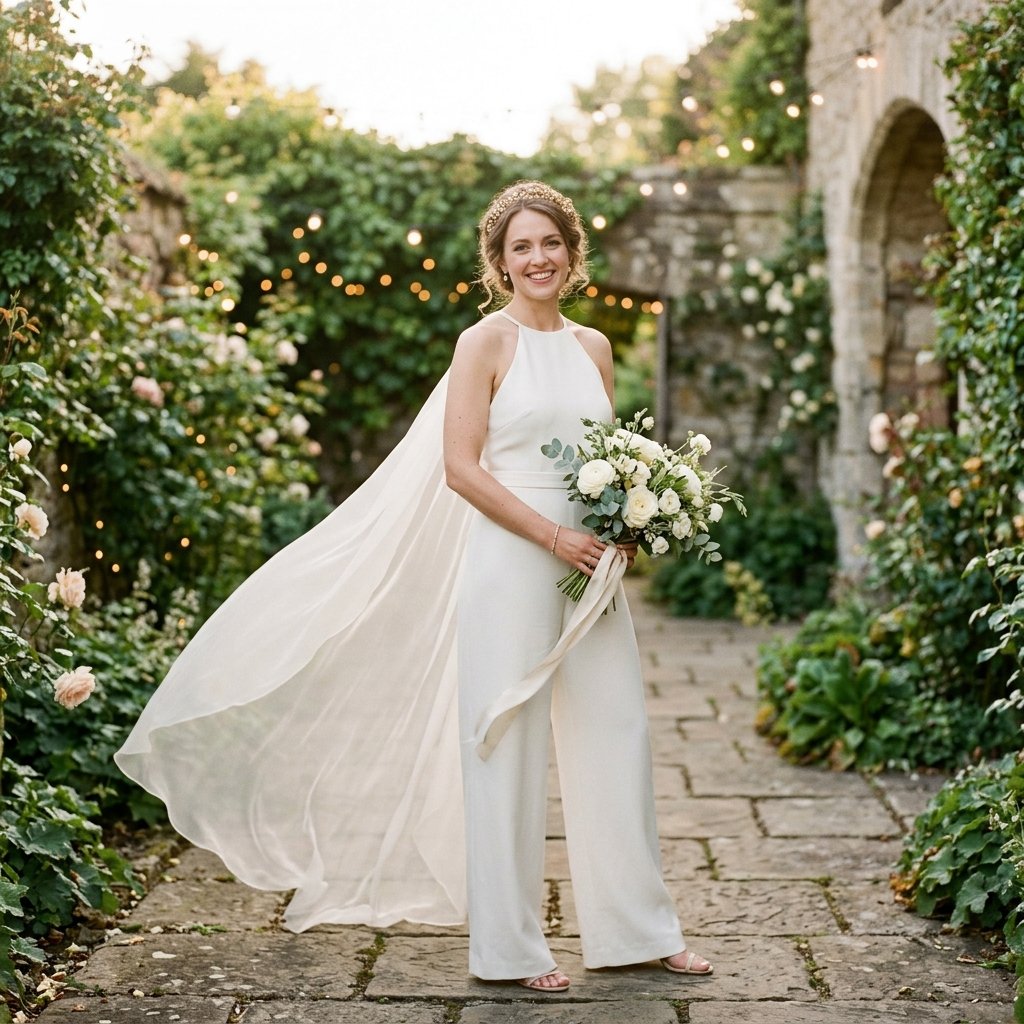
Anyone who prefers trousers can look at bridal jumpsuit ideas for brides who skip the gown, which covers that route in full.
Fabric matters as much as shape. Crepe and satin offer clean lines, chiffon and georgette add movement, and lace brings romance. Soft tulle can create volume without much weight, though a heavily layered skirt may feel hot in summer.
Color Is Fully on the Table
White and ivory remain popular, and both are perfectly acceptable. A second wedding or renewal simply expands the palette.
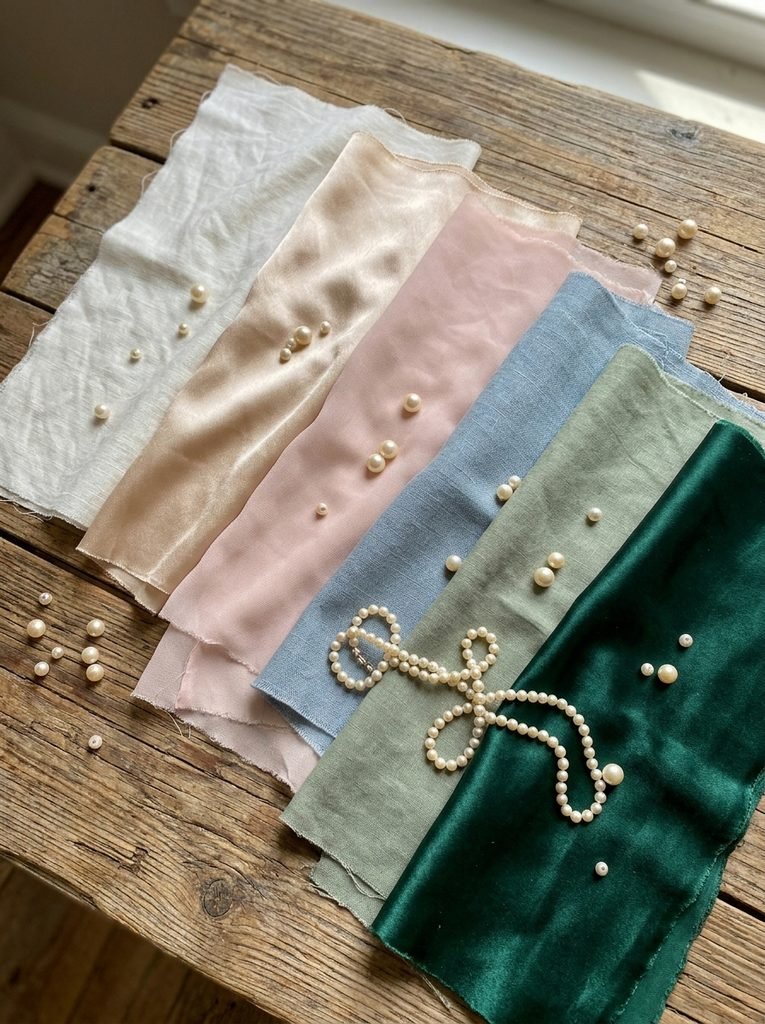
Champagne, blush, and pale gold are the gentlest departures, and they usually look warm in photographs. Dusty blue, sage, and soft lilac read as fresh and calm. Deeper shades such as emerald, burgundy, and navy suit evening ceremonies and winter dates. A subtle print or embroidered floral can also feel more personal than plain white.
Anniversary themes offer an easy source of inspiration for renewals. Traditional anniversary gifts include pearls for thirtieth anniversaries, rubies for fortieth, and gold for fiftieth. A pearl-toned dress, a ruby-red sash, or a champagne gold gown can nod to the milestone without announcing it.
Before choosing a shade, hold the fabric near your face in natural daylight. Some people find ivory warmer and kinder than bright white, while others prefer crisp white. Personal preference decides this far better than any chart.
Wearing the Original Dress Again, or Reworking It
A vow renewal gives people the chance to revisit the dress they wore years earlier. Some choose to wear it as it is, and others alter it to suit who they are now.
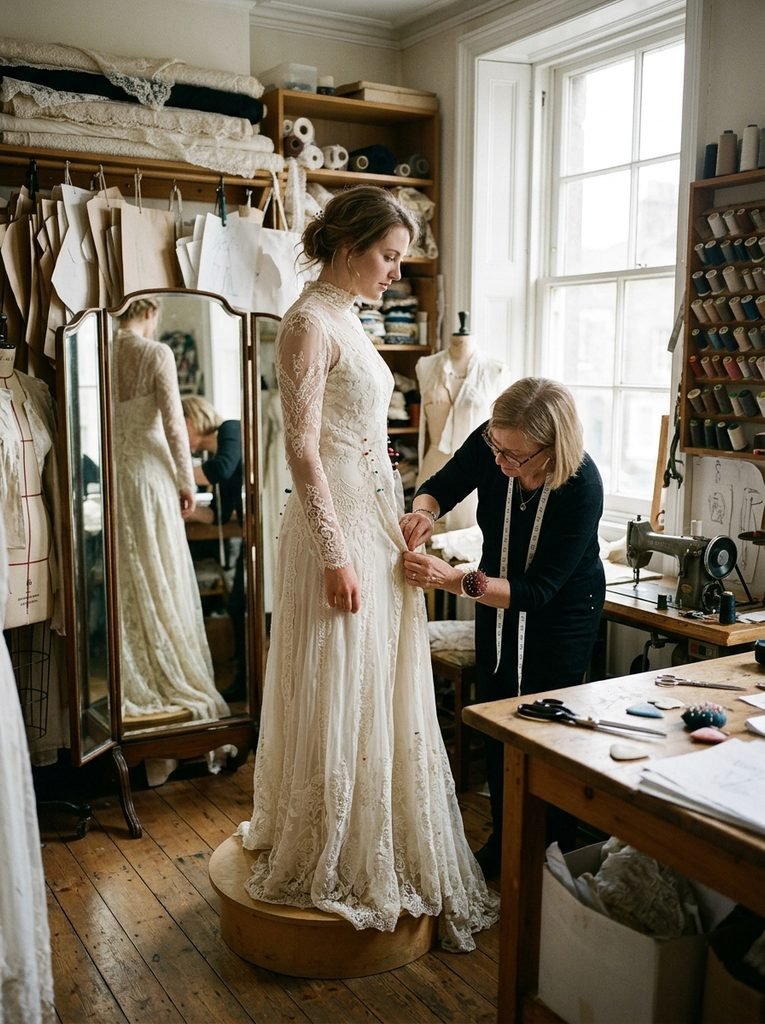
If the dress still fits, check its condition before the date. Stored fabric can yellow, seams can weaken, and beading can loosen over time. A seamstress or garment preservation specialist can assess whether it needs repair or cleaning before a second wearing.
Alterations can make it feel new. Common changes include:
- Shortening the hem to tea length
- Adding sleeves, straps, or a lace overlay
- Removing a train or bustle
- Adding a colored sash or belt
- Reshaping the neckline
Some people also use fabric from the original dress to create a new accessory, such as a wrap, a hair piece, or a keepsake wrapped around a bouquet. If the first dress no longer feels right, that is just as valid. Wearing something new for a new chapter is its own kind of tribute.
Veils, Headpieces, and Hair
A veil is optional at both occasions. If you love the idea, a face-framing veil, a short birdcage, or a long veil without a blusher all feel natural. If you would rather skip it, a comb, pearl pins, a floral crown, or a simple headband adds a bridal touch.
Hair should suit the venue and the weather as much as the outfit. Breezy beaches favor secure updos, while indoor evening events can handle sleek waves or a low chignon. People with shorter styles can find a good range of options in the short hair styling guide, which includes ideas that work for formal events.
A trial run is worth doing for any style involving pins or accessories. It lets you see how a headpiece sits with your outfit and whether it will stay put through a long day.
Shoes, Jewelry, and the Layer You Will Want
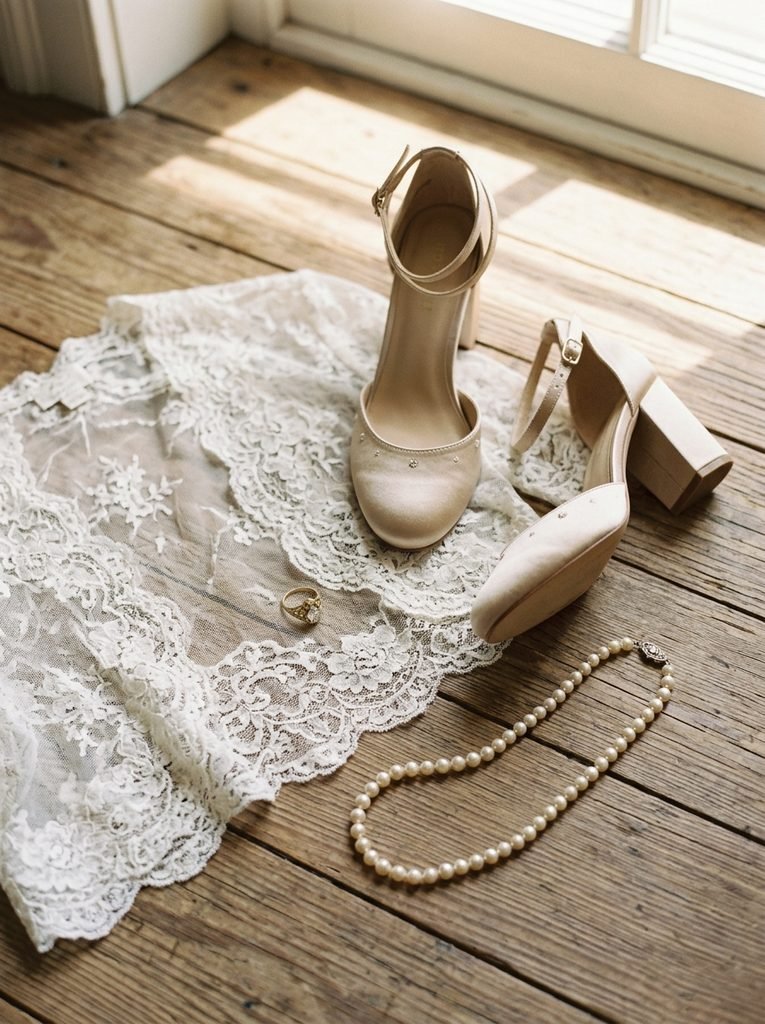
Shoes deserve more attention than they usually get. Bridebook advises against very high heels or brand-new shoes for vow renewals, which is sensible advice for any ceremony. Break shoes in at home, and bring a second comfortable pair for photos and dancing.
Jewelry can carry meaning without overwhelming the outfit. Consider a necklace passed down in the family, earrings from an anniversary, or your original rings worn alongside new ones. Keep the neckline in mind: a detailed bodice often pairs best with studs, while a plain neckline has room for a necklace.
A layer is worth planning in advance. A satin jacket, a cropped cape, a lace bolero, or a soft shawl handles cold air-conditioning, breezy evenings, and coverage requirements, and it gives the outfit a second look for photographs.
Dressing as a Pair and With Children Involved
A second wedding or renewal often involves two adults with firm views on formality. Talking early about the level of dressiness helps avoid mismatched outfits. If one partner wears a full tuxedo and the other a casual sundress, the photographs can feel uneven.
A simple way to coordinate is through color. A tie, pocket square, or boutonniere in a tone from the dress ties the pair together. For beach or garden events, lighter fabrics and softer colors suit both partners.
When children from earlier relationships, or grandchildren, take part, WeddingWire suggests discussing with your officiant how they can be involved. Their outfits can follow the same palette without matching exactly. Comfortable shoes and easy-to-move clothing matter more for younger children than perfect coordination, and letting older children choose within a color range often goes more smoothly than strict instructions.
Questions That Come Up Again and Again
Can I wear a white dress to a second wedding?
Yes. Current planning guides broadly agree that white or ivory is a matter of personal taste, though it makes sense to check any specific expectations from your venue or officiant.
Do I have to wear a veil?
No. If you want one, face-framing and birdcage styles are popular for second weddings. A hairpiece or comb is an easy alternative.
Is it fine to wear my original wedding dress to a vow renewal?
Many people do. Have it checked for wear first, and consider alterations if you want it to feel different or fit differently.
How formal should a vow renewal be?
As formal as you like. A garden lunch suits a tea-length dress, while an evening dinner may call for a gown. Matching the outfit to the venue and time of day is the main guide.
Does a second wedding dress have to be expensive?
Not at all. Plenty of attractive options come from occasion-wear and contemporary labels, and the budget bridal outfit guide shows how to find a polished look without paying boutique prices.
A Dress for This Chapter
The best second wedding or renewal outfit usually has less to do with tradition than with timing. It reflects the person wearing it now, in the place where the ceremony is happening, with the people who will be watching.
Choose a setting first, then a shape that moves well and a color that feels right, and the rest of the decisions tend to fall into place. The outfit does not need to prove anything. It only needs to feel like the right one for this day.


Leave a Reply