

There is a moment most people with short hair recognize. You finish styling, step back from the mirror, and something feels slightly off. The waves are a little too even, the top has a lacquered stiffness, or the whole shape looks arranged instead of lived in. Nothing is wrong exactly. It just reads as more effort than the haircut needed.
Short hair leaves very little room for padding. On long hair, extra curls or product can disappear into the length. With a pixie, a chin-length bob, or a cut that ends at the jaw, every decision sits close to the face and gets noticed. That is why the styles that look most elegant tend to be the ones with a clear, restrained finish.
This guide looks at that finish in detail. You will find what usually tips a short style into “overdone,” which looks stay polished with very little effort, and how the same idea adjusts across different lengths. The goal is not a stricter routine. It is a lighter hand and a few good choices.
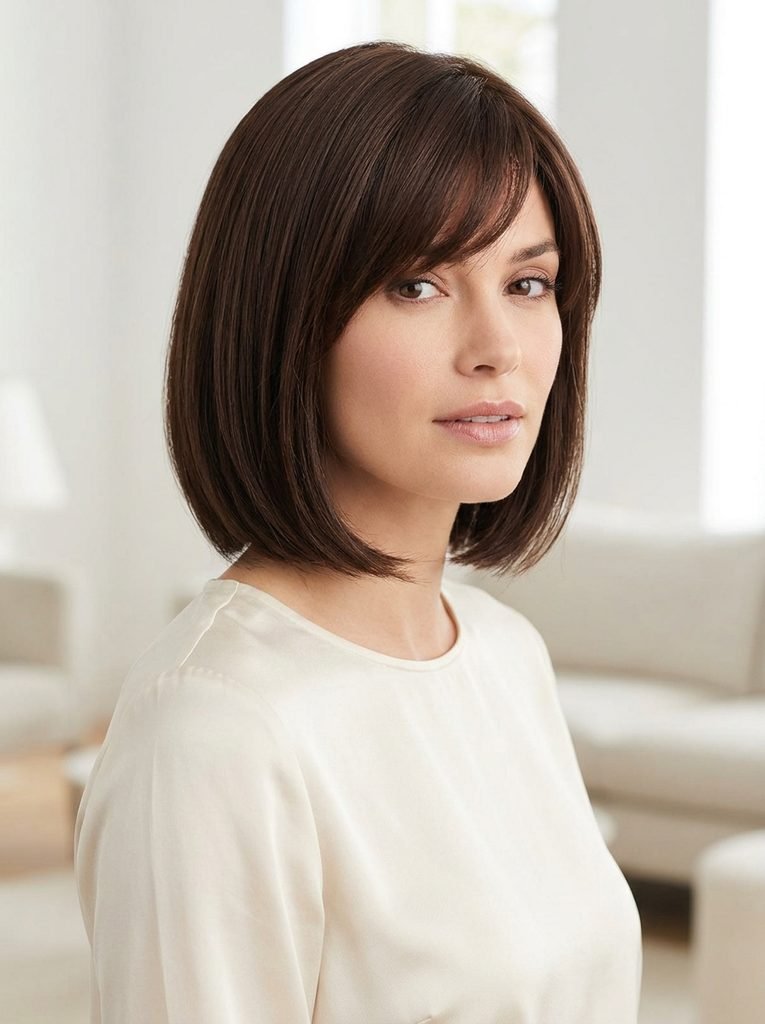
Why Short Hair Shows Every Extra Step
A short haircut already has a built-in outline. A bob has its edge and its weight line, a pixie has a crown and a tapered nape, and each shape is designed to look intentional by itself. When styling piles on top of that shape, the details start to compete instead of supporting each other.
Distance matters too. Short hair sits right beside the cheekbones, jaw, and neck, so texture, shine, and volume all become part of how the face is framed. A heavy hold near the temples or a stiff curl at the jawline is far more visible there than the same product would be six inches lower on a long style.
Short hair also has less length to absorb product. A small extra amount of wax or spray can be the difference between soft movement and a coated, flat finish. Small changes show up quickly, which is the real reason short styles feel harder to get “just right.” These are styling observations rather than fixed rules, but they explain why restraint tends to look better than intensity.
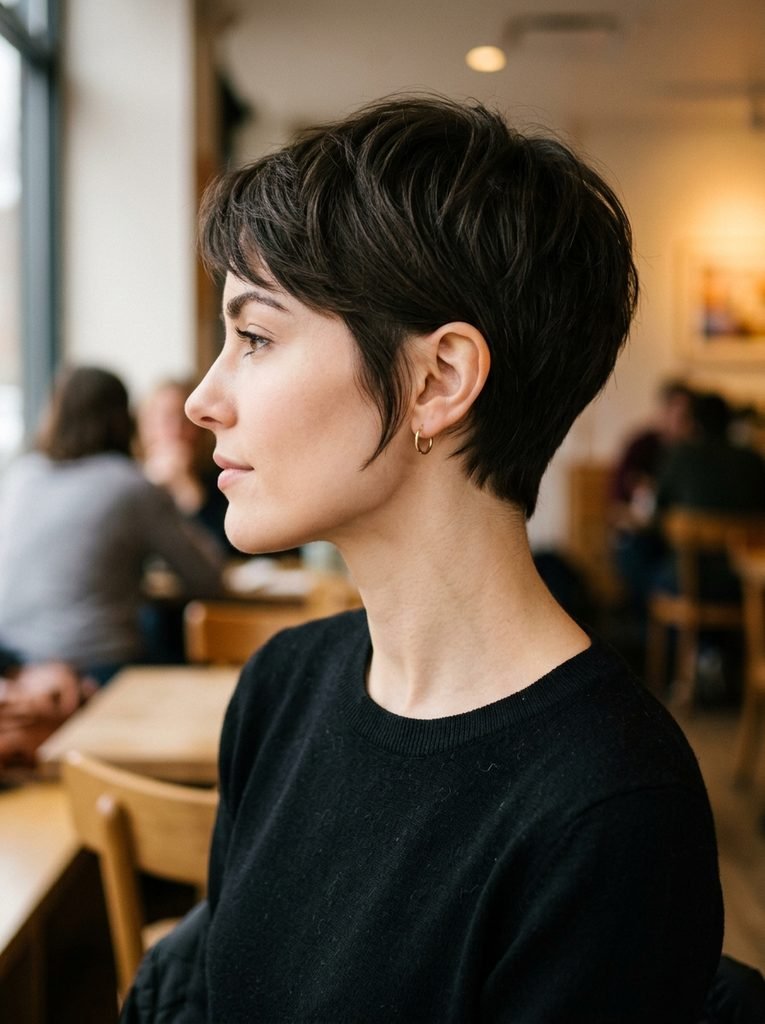
The Signs a Short Style Has Gone One Step Too Far
Overdone rarely means one big mistake. It usually comes from several small choices that each seemed reasonable. Recognizing the pattern makes it much easier to pull back before the finish is set.
The most common one is the helmet effect. Every strand is smoothed and sprayed into one continuous surface, so the hair loses its natural separation and stops moving when you turn your head. It can look neat in a photo, yet in person it tends to feel stiff and a little dated.
Repetition is another giveaway. When every curl or wave is the same size and direction, the finish looks manufactured. Natural hair has small variations, and a bit of irregularity is exactly what makes a curled bob feel soft instead of set with rollers.
Then there is texture with nowhere to go. A choppy, piecey finish looks great on a cut that was built for it, but on a blunt or softly layered shape, heavy texture spray creates noise. The hair looks messy in a way that seems accidental instead of styled.
Finally, count the accents. A side sweep, a deep part, a clip, a headband, glossy shine, and crimped ends can each be lovely alone. Together they turn a simple haircut into a costume. Most elegant short styles have one clear focal point and let everything else stay quiet.
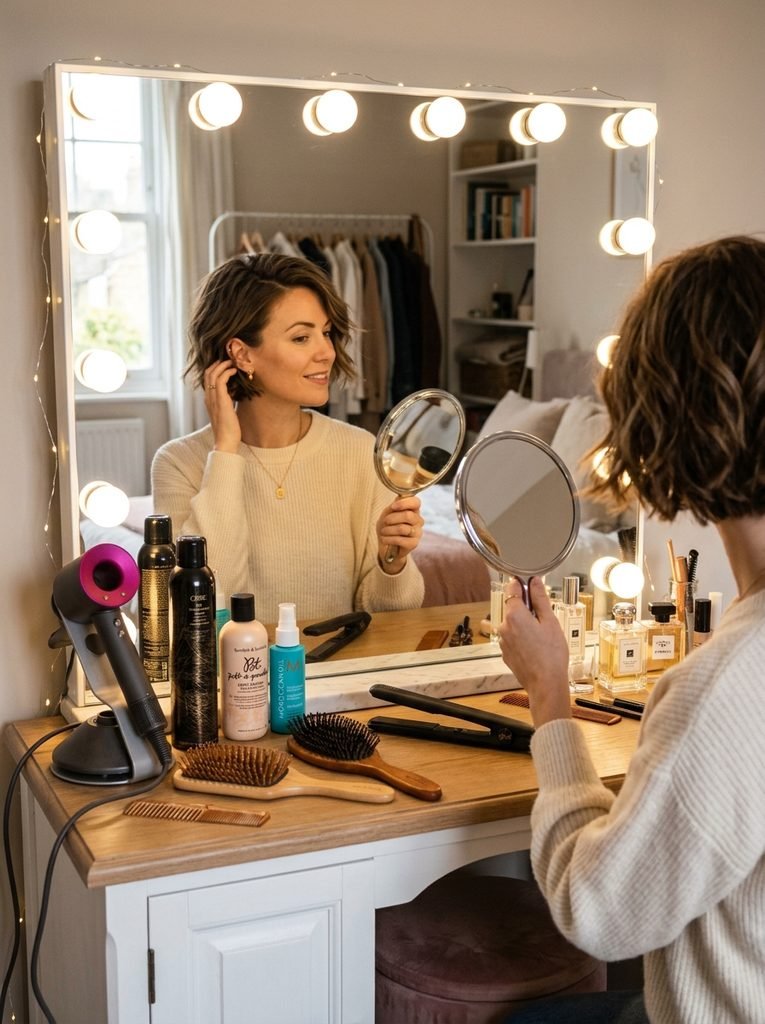
Six Finishes That Look Refined Without Trying Hard
None of these styles requires an unusual haircut. They are finishes that work on many short shapes, and each relies on one main idea instead of several competing ones.
The Soft Side Part With a Single Bend
A deep or slightly off-center part gives short hair a structured, grown-up feel without any added product. The elegant detail is the bend: the front section sweeps across the forehead and then curves gently behind the ear or along the cheekbone, rather than lying flat and straight.
This works well on chin-length bobs and longer pixie cuts. A round brush or the barrel of a dryer can create that curve while the hair is damp, and the result should look like a soft wave of movement, not a curl. If the bend looks tight or perfectly round, loosen it with your fingers.
Smooth Crown, Loose Ends
One of the easiest ways to look polished is to contrast smooth and relaxed textures within the same cut. The top and crown stay sleek and slightly glossy, while the ends have a little separation and lightness. The contrast reads as deliberate without looking complicated.
On a bob, this means the surface near the part looks clean while the last inch or two moves freely. On a pixie, the crown lies smooth and the fringe or nape has slightly separated pieces. It is a good option when you want to look put together but not perfect.
The Tucked-Behind-the-Ear Bob
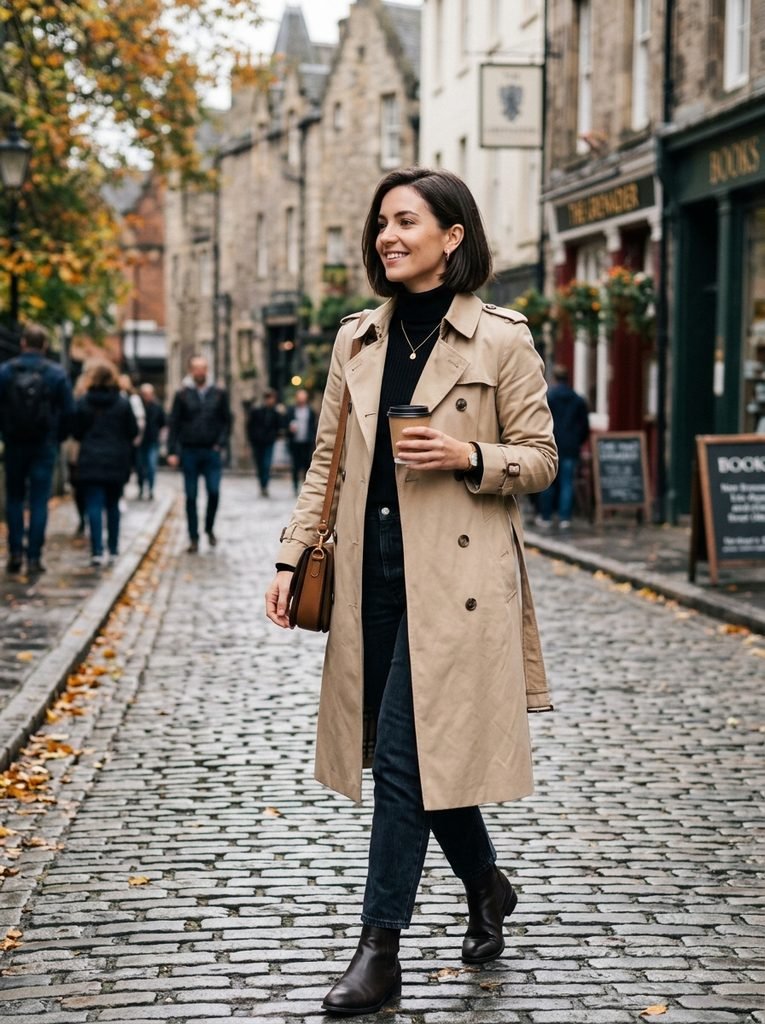
Tucking one side behind the ear is such a small gesture that it is easy to underrate. It exposes the jawline and ear, breaks up the symmetry of a bob, and gives the face a clean edge on one side while the other stays soft.
The trick is to tuck loosely so the hair curves back instead of being pinned flat. Leave a slightly softer piece near the cheekbone, which keeps the look from feeling severe. This finish suits both straight and wavy hair, and it works well with earrings, since the whole point is to let a small detail show.
Air-Dried Waves With a Little Direction
Air-dried waves look relaxed almost by definition, but a small amount of direction keeps them from looking unfinished. Scrunching a light cream through damp hair and guiding the front sections away from the face lets natural bends form in an intentional pattern.
The difference between “effortless” and “forgot to style it” is usually the shape of the outline. If the ends are trimmed cleanly and the part is defined, loose waves look chosen. If the perimeter is ragged or the part is wandering, the same waves can look neglected. A little shaping with your fingers as the hair dries goes a long way.
The Sleek Pixie With One Lifted Piece
Sleek pixie styles can look severe if every strand is flattened. Leaving one section slightly lifted, such as the front fringe or a small area at the crown, adds softness and gives the cut a focal point. Everything else can stay smooth and close to the head.
A small amount of lightweight product on the fingertips is usually enough to shape that piece. The aim is a gentle lift and a bit of direction, not height. The result feels refined because it has one decision in it, instead of an all-over texturized finish.
Curled-Under Ends With Space Inside
A curled-under bob can look elegant or dated depending on how much room is left inside the curve. When the ends tuck under tightly and the hair sits rigidly, the shape looks heavy. When the curve is looser, with a little air between the hair and the neck, it feels soft and modern.
To get there, curl in larger sections and let the hair cool before touching it. Then run your fingers or a wide-tooth comb through the ends once, which relaxes the curve without erasing it. That last step is often the one that makes a set style look like natural movement.
Elegant vs. Overdone: A Side-by-Side Look
Sometimes the difference is easiest to see in direct comparison. The table below shows how the same style choices can lean either way depending on how far they are taken.
| Detail | Looks Elegant | Looks Overdone |
|---|---|---|
| Part | Soft, slightly off-center line | Razor-sharp part with flat, glued sides |
| Crown | Smooth with light lift | Teased high or sprayed rigid |
| Ends | Slight separation, visible movement | Uniform curls or fully crimped pieces |
| Shine | Natural gloss that moves with light | Wet, coated look across the whole head |
| Texture | Used in one area, like the fringe | Applied everywhere at the same strength |
| Accessories | One small piece, chosen to match the look | Several clips, bands, or pins together |
Notice that in every row, the elegant version involves less intensity, not less intention. Each choice is still clear. It just does not try to be the loudest thing on the head.
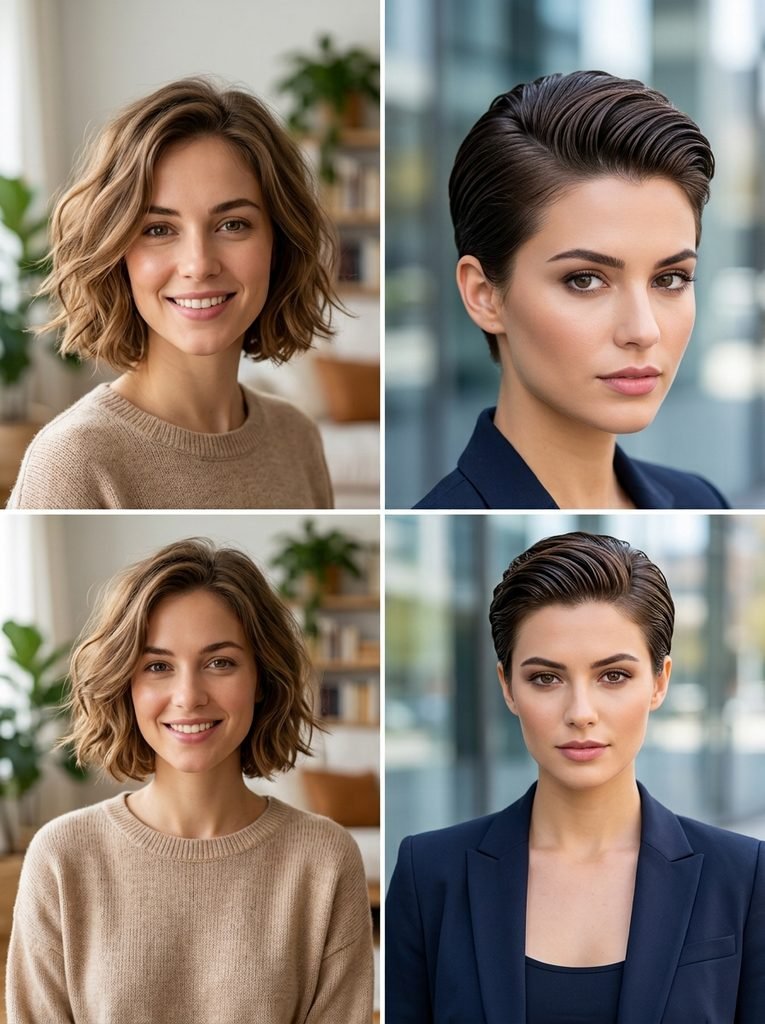
Matching the Finish to Your Length
Short hair covers a wide range, and the same styling idea behaves differently depending on where the hair ends. Adjusting the finish to the length is one of the simplest ways to avoid an overdone look.
Pixie Cuts
A pixie cut is short at the sides and back, usually with a little more length on top. Because there is so little hair, texture is the main visual tool. Elegant pixie styling tends to keep one area soft, such as the fringe, and let the sides sit neatly. Too much product across the top quickly flattens the shape and makes it look heavy.
Chin-Length Bobs
A bob cut ends around the jaw and offers the most flexibility. It can be sleek, wavy, tucked, or curled under. The most refined versions usually choose just one of those directions. A bob with a soft part, a slight bend, and a clean edge often looks more expensive than one with waves, volume, and accessories all at once.
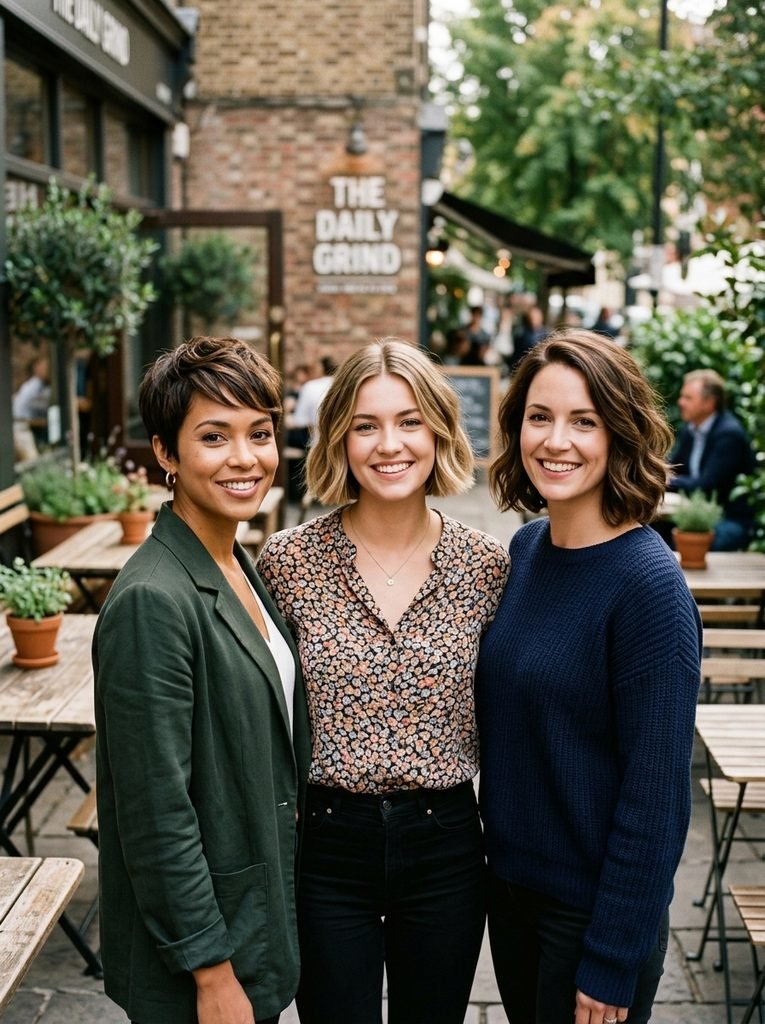
Jaw to Collarbone Lengths
At the longer end of short, the hair has enough weight to move naturally. Here, elegance often comes from letting gravity do some of the work. A light blowout that follows the shape of the cut, or loose waves that fall forward slightly, tends to look effortless. If your cut already has built-in layering, like the soft layers covered in our butterfly haircut ideas, it usually needs even less styling to look finished.
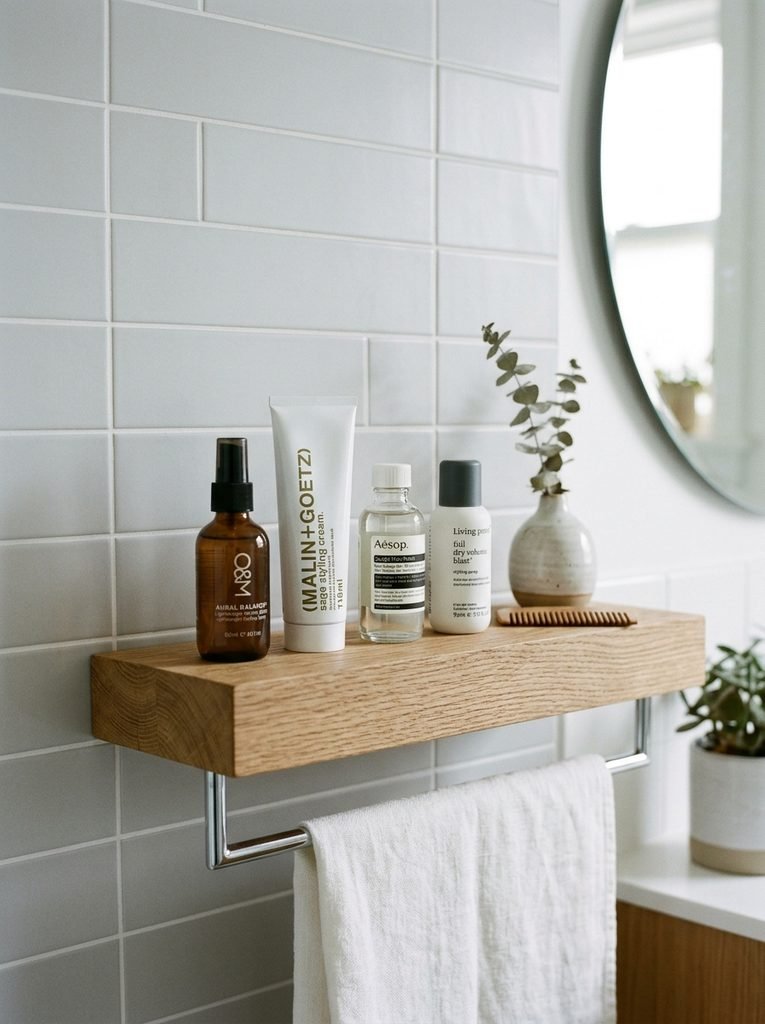
Product Choices That Keep the Look Light
Product is where many short styles quietly tip over. The instinct is to add more hold to make a look last, but heavier products tend to flatten the natural movement that makes short hair look soft.
A useful habit is to start with less than you think you need and build up only where the hair asks for it. A small amount of cream or lightweight lotion on damp hair can handle frizz and shape. A little paste or wax, warmed between the fingers, can define a single section. Sprays tend to work best as a final touch held at a distance, instead of being aimed at one spot.
It also helps to know that dermatologists have raised concerns about very strong styling products. The American Academy of Dermatology suggests reducing the use of long-lasting hold products and choosing styles that do not depend on them. That fits neatly with the aesthetic goal here: a softer finish is often the healthier one as well.
Heat tools deserve the same restraint. The same organization recommends using flat irons on dry hair at a low or medium setting and no more often than every other day, and keeping a curling iron on each section for only a moment. For short hair, that advice happens to line up with good styling: a quick pass to shape the ends usually looks better than repeated passes to force a curl.
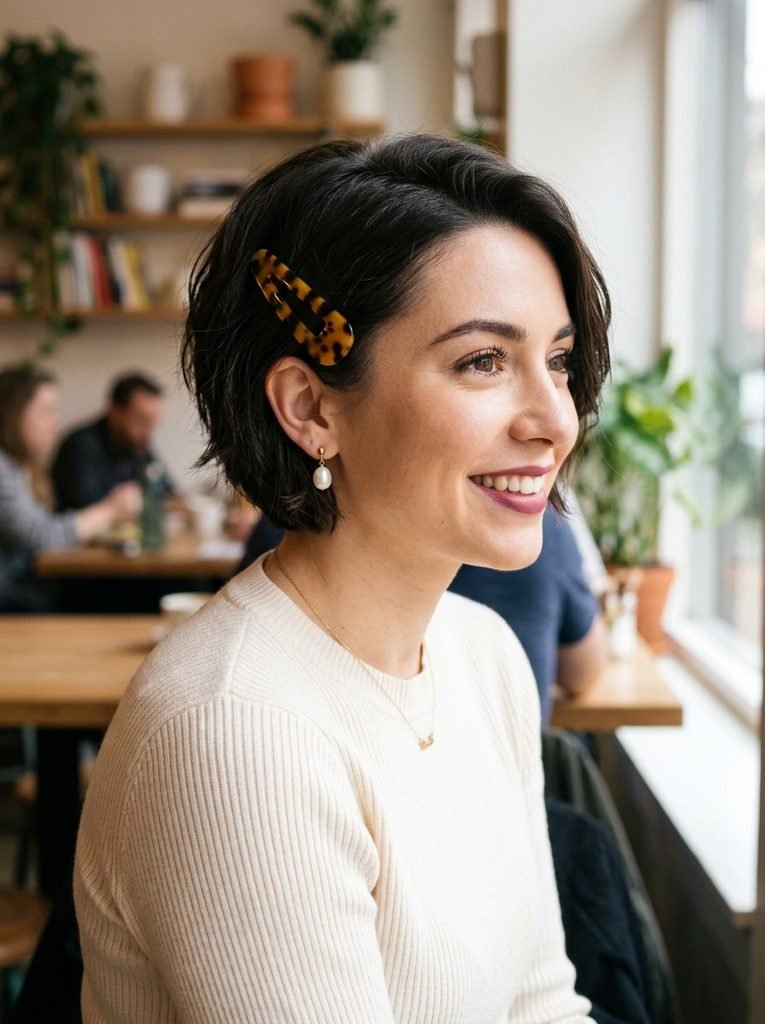
Small Accessories That Add Polish
Accessories are the easiest way to make short hair look finished, and also the easiest way to make it look busy. The same principle applies as with texture: choose one and let it stand alone.
A single barrette placed just above the ear can hold back a side section and add a quiet accent. It works especially well with a deep side part, where the clip echoes the line of the hair. Metal in a muted tone, tortoiseshell, or a simple pearl detail tends to suit a polished look better than bright plastic or oversized designs.
A thin headband or a soft fabric band can work on longer bobs, sitting slightly behind the hairline so the front stays open. The band should look like part of the outfit as much as the hairstyle. If it competes with earrings or a statement collar, one of them is probably too much.
Small pins can also work as a substitute for hairspray. Instead of using product to hold a tucked section in place, a thin pin in a similar color as the hair holds it invisibly. That keeps the finish flexible and avoids the stiff look that extra product can bring.
Keeping the Shape Fresh Between Cuts
Even the best styling fades when the haircut has lost its outline. Short hair depends on clean lines, so regular trims tend to make a bigger difference than any styling product. Pixie and bob shapes can start to look heavier at the nape and softer at the edges as they grow, and no amount of product fully hides that.
How often that happens depends on your hair’s growth and how sharp your cut is, so it is best to follow the guidance of whoever cuts your hair. If you notice that the same styling routine suddenly looks different, the outline is often the cause.
Daily habits help too. Sleeping on a smooth pillowcase, or loosely tying the hair on top of the head for bed, can reduce frizz and keep waves from flattening on one side. A quick morning refresh with a damp comb or lightly dampened fingertips is often enough to reset the shape, and it is far gentler than restyling from scratch.
On busy days, simple methods are usually the most elegant. Our list of easy hairstyle ideas you can do in minutes includes quick options, and many of the ideas translate well to shorter lengths with a small adjustment, like a loose tuck or a single pin.
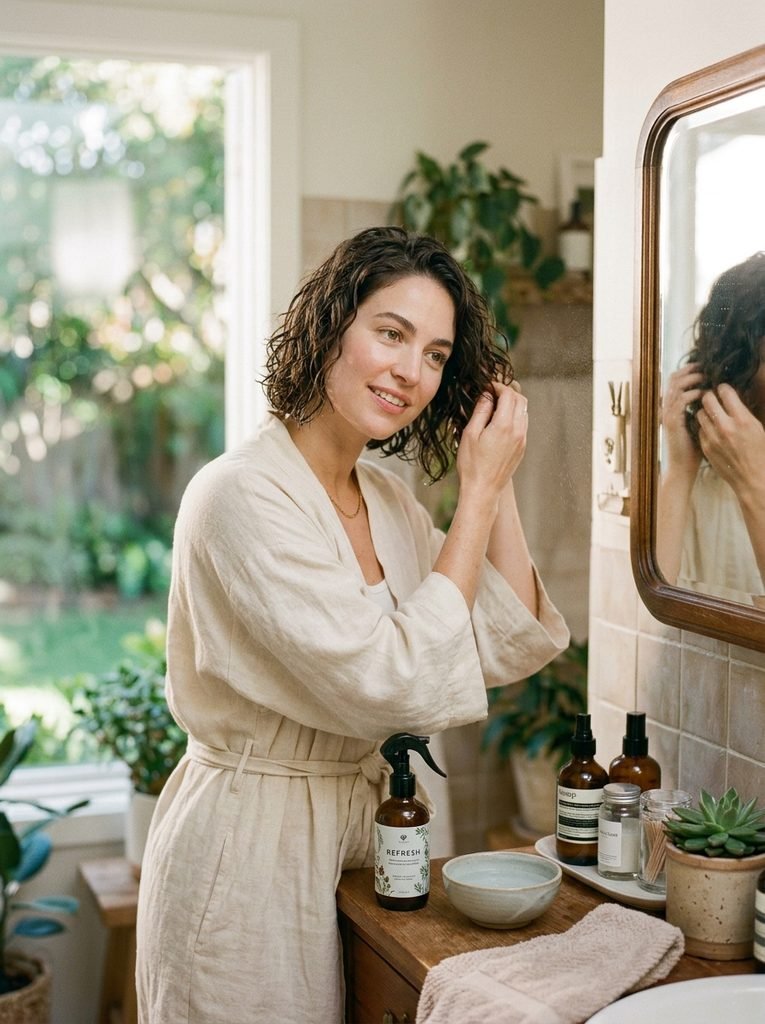
A Quieter Way to Think About Styling
The most useful shift is to stop asking what else a short style needs and start asking what it could do without. A good cut usually provides shape, and good styling adds one clear idea. That might be a smooth crown, a soft bend at the front, a clean tuck behind the ear, or a single accent that catches the light.
If a look feels too much, remove the last thing you added. It is often the spray, the second clip, or the extra pass with the curling iron. Hair that moves, catches light, and settles back into its shape tends to read as elegant far more reliably than hair that looks fixed in place.
For more ideas on cuts that hold their shape with very little effort, the 2026 hairstyle roundup is a good place to browse. Save the looks that feel relaxed and settled, then notice how few products or tools they actually seem to need.

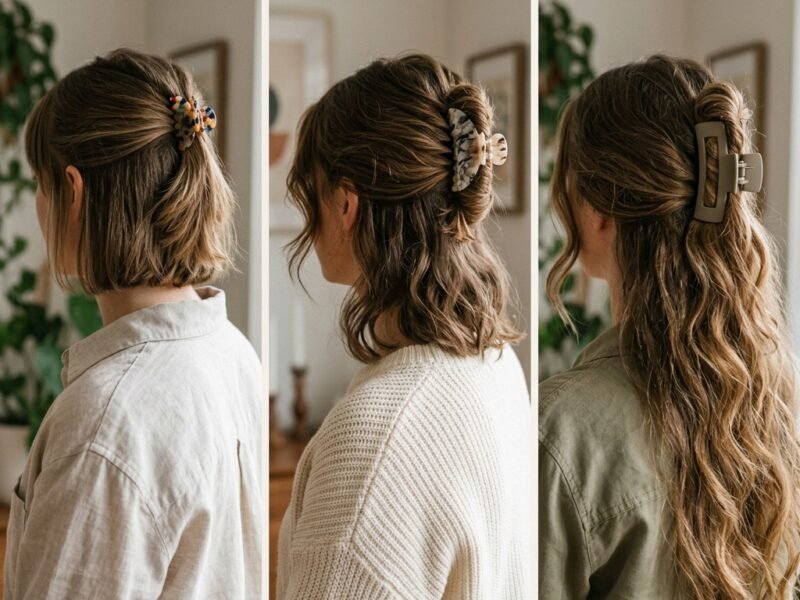
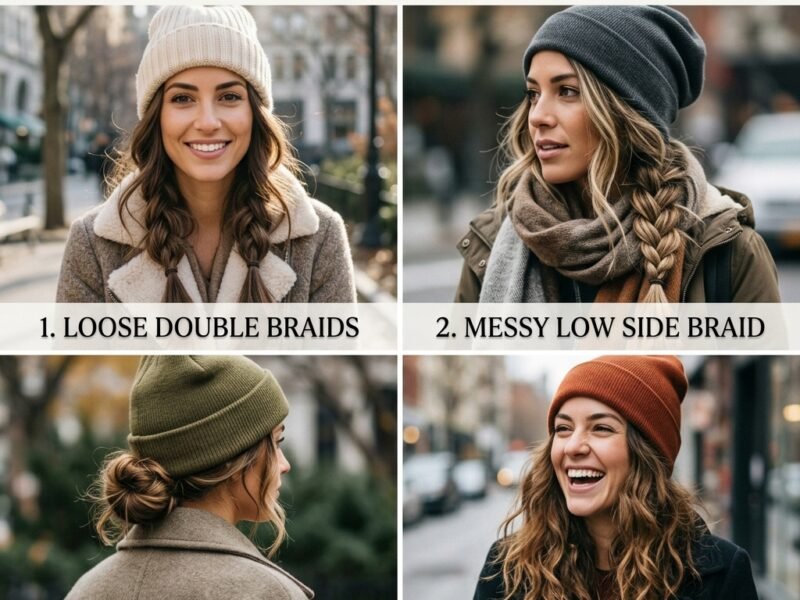
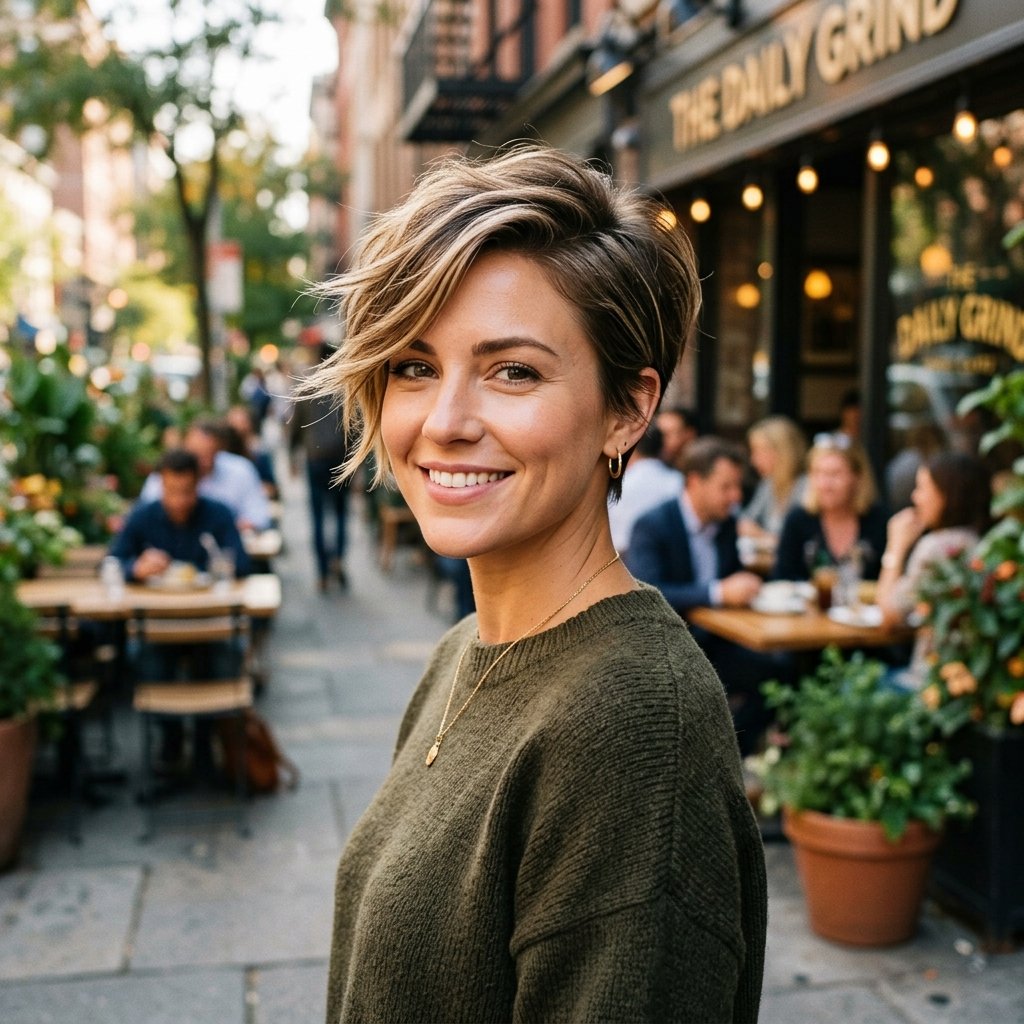
[…] Sweeping a short fringe to the side and securing it with a small pin helps if the hat tends to push it into the eyes. For bobs, tucking one side behind the ear and leaving the other loose creates a relaxed asymmetry. More short-hair styling ideas appear in the elegant short hair guide. […]