
Acrylic nails hold their place in salon bookings because they solve a problem polish cannot. They build length and shape onto a nail that will not grow it naturally. They also provide a hard surface that survives detail work no natural nail could carry.
The trade-off is that acrylic is a commitment rather than an appointment. The natural nail keeps growing underneath, so a gap opens at the cuticle within two to three weeks. That gap is not cosmetic. It becomes a lifting point where moisture and bacteria collect. Infills every two to three weeks are the maintenance schedule, not an upsell.
Removal matters as much as application. Acrylic cannot be soaked off the way gel polish can. The bulk gets filed down first, then the remainder soaks in acetone. Picking or prising a set off takes layers of the natural nail plate with it. That is the most common cause of the thin, damaged nails people blame on acrylic itself.
One health note applies across every design below. The British Association of Dermatologists has warned that (meth)acrylate chemicals in acrylic and gel products are driving a contact allergy problem. In their study, 2.4 per cent of people tested were allergic to at least one. In a survey of 742 dermatology clinic attendees, 19 per cent reported adverse effects from salon-applied acrylics. Sensitisation happens when uncured product touches skin. Application technique therefore matters more than product brand.

Is Driving Nail Design Trends
Three things drive which acrylic designs spread. The first is photographic behaviour. Chrome, jelly, and magnetic finishes shift as light moves across them. That reads as motion in a video and as depth in a still. Flat colours cannot compete on that axis.
The second is achievability. A design spreads fastest when it looks complex and executes simply. Swirls, aura gradients, and abstract brushwork all fall into that category. Each is striking, and forgiving of an unsteady hand, because there is no correct version to deviate from.
The third is the length of the canvas. Acrylic extensions provide surface area that natural nails rarely have, and detailed art needs room. A design that reads clearly on a long coffin nail can become an unidentifiable smudge on a short natural one.
That last point is the practical filter for anyone browsing inspiration. The question worth asking of any saved image is what nail length it was shot on. Most of the intricate work below assumes extension.

25 Stunning Acrylic Nail Designs to Try
The classic French manicure remains the most requested acrylic set. On extensions it behaves differently from a French over natural nails. The technician builds the white tip into the acrylic itself rather than painting it on, so the line cannot chip off.
The smile line — the curve where white meets base — is the flaw that shows first. A tip built slightly deeper than the natural free edge holds its shape through the infill cycle. Regrowth pushes the line outward over three weeks.
Shape drives the whole impression. Short square French reads corporate and holds up to typing; long almond reads formal and does not. Both use the same technique, and the difference is entirely in the file work.

2. Chrome Mirror Acrylic Nails
Chrome powder buffs into a cured gel layer over the acrylic. That makes it a two-system design, and it prices accordingly.
A true mirror shows every imperfection beneath it. The acrylic has to be filed perfectly level before the powder goes on. Any ripple translates into a visible distortion. Longer shapes exaggerate the effect, and also exaggerate the flaw.

3. Nude Minimalist Acrylic Nails
A plain nude set is the cheapest acrylic option. It is also the most demanding of the technician’s file work, since nothing distracts from the shape.
Undertone matching matters more than shade name. Beige suits warm skin, blush suits cool. Nude disguises regrowth better than any other colour, which can stretch the infill window by a few days. The lifting risk at the cuticle stays the same, whatever colour hides it.

4. Glitter Glam Acrylic Nails
Glitter can be mixed into the acrylic powder rather than layered on top. It then runs through the full thickness and cannot wear off.
That construction has a consequence at removal. Glitter suspended in acrylic resists acetone considerably, so the soak takes longer. Anyone booking a glitter set should expect the removal appointment to run past the usual half hour.

5. Marble Acrylic Nails
Veining gets drawn into a wet layer with a fine brush, then blurred before it sets. Timing is the whole skill.
Drawn too early the lines spread and muddy; too late and they read as hard strokes rather than stone. Every nail comes out different, which is intended and also means the design forgives an unsteady hand better than any geometric pattern would.

6. Ombre Acrylic Nails
On acrylic, ombre is usually built rather than painted. Two coloured powders get blended wet during application, so the gradient sits inside the nail rather than on it.
That is why acrylic ombre outlasts polish ombre by a wide margin — there is no surface layer to wear through. The baby boomer version, pink fading to white, grows out almost invisibly. The pink at the base matches the nail bed showing through at the cuticle.

7. Floral Acrylic Nail Art
Hand-painted florals are billed by time, so this is one of the more expensive designs on the list.
Decals cost a fraction and go on in minutes, though the pattern repeats across fingers unless placement is varied deliberately. Asking for that variation is worth doing. Sealing decal edges under top coat prevents the lifting that otherwise starts within days.

8. Pink Princess Acrylic Nails
Pink acrylic sets often pair long almond or coffin shapes with rhinestone accents. The shape choice carries a durability cost.
Coffin and stiletto tips break more often than square or almond, because the narrowed point concentrates force across less material. Anyone who works with their hands should ask for the shortest version of the shape rather than the photographed length.

9. Matte Black Acrylic Nails
A matte top coat strips the shine. It also shows fingerprints and oil far more readily than gloss.
Hand cream applied before photographs will mark it. Matte also mutes whatever sits underneath, so black reads flatter and deeper once flattened. The finish wears off faster than gloss too, and usually needs refreshing at the infill rather than lasting the full cycle.

10. Gold Foil Acrylic Nails
Foil arrives as thin leaf pressed into a tacky layer and sealed underneath a top coat.
The irregular fragments are the appeal, so deliberate even placement usually looks worse than a scattered one. Foil also disguises wear better than almost any finish here, since the pattern was never uniform to begin with and small changes go unnoticed.

11. Swirl Art Acrylic Nails
Swirls are drawn freehand with a liner brush, and the absence of a correct version is what makes them forgiving.
Line weight determines the look more than colour does. A consistent thin line reads graphic and modern; varying thickness reads hand-drawn and retro. Specifying which is wanted saves a conversation halfway through the appointment.

12. Jelly Transparent Acrylic Nails
Jelly relies on translucent product layered so the colour deepens while staying see-through.
The transparency creates a specific problem on acrylic: any lifting at the cuticle becomes visible through the nail rather than hidden beneath colour. That makes prompt infills more important here than on opaque sets. A comparison of which finishes need gel versus regular polish appears in this guide to 2026 nail trends.

13. 3D Pearl Acrylic Nails
Pearls sit proud of the nail surface, which means they catch on clothing, hair, and fabric.
Half-pearls hold better than full spheres, and setting them into product before it cures beats gluing onto a finished surface. Placement near the cuticle keeps them clear of the knocks that dislodge tip-mounted embellishments. Most salons charge per stone rather than per set.

14. Aura Gradient Acrylic Nails
The glowing centre is created with an airbrush or a sponge, then sealed. Both routes need a gel layer over the acrylic.
Blending is where it fails. A hard edge between the centre and the surround reads as a blob rather than a glow. Building the colour across several light passes produces the fade; one heavy pass never does.

15. Velvet Cat-Eye Acrylic Nails
Magnetic polish contains fine metallic particles. They align when a magnet passes over the wet surface, producing a shifting band of light.
Holding the magnet closer produces a sharper band. Deep shades show it best because the contrast is higher. The particles have to be aligned and cured immediately, so this is one design where the technician’s speed genuinely affects the result.

16. Milky White Acrylic Nails
Milky white is translucent rather than opaque, built across several sheer layers until the nail looks lit from beneath.
That translucency magnifies any ridge or unevenness in the acrylic underneath, so preparation carries more weight than usual. It also shows lifting at the cuticle sooner than an opaque white would, which shortens the practical infill window.

17. Square Tip Acrylic Nails
Square is the most durable shape available in acrylic. Force spreads across the full width of the tip rather than concentrating at a point.
It is the sensible choice for anyone typing, lifting, or working with their hands all day. The sharp corners are the only weak spot. A slight file to soften them, squoval rather than true square, removes the catching without losing the structured look.

18. Butterfly Acrylic Nails
Butterflies come as decals or as hand-painted work, and the price gap between them is substantial.
Translucent wings layered under a top coat produce the floating effect that makes this design work. Keeping them to one or two accent nails stops it tipping into novelty. It also keeps the cost sensible if the work is hand-painted.

19. Pastel Spring Acrylic Nails
Pastels on acrylic behave better than pastels in polish, because the colour is mixed into the powder and cannot streak.
A different shade per finger costs no more than a single colour, since the technician is mixing per nail anyway. Pastels do show regrowth more clearly than nudes, so the infill schedule matters more than the colour choice suggests.

20. Rhinestone Glam Acrylic Nails
Rhinestones set into product before it cures hold far longer than stones glued onto a finished surface.
Weight is the consideration people miss. A densely stoned nail carries real mass, and that load pulls at the tip through everyday use. Concentrating stones near the cuticle rather than the free edge keeps the leverage low and the set intact.

21. Chocolate Brown Acrylic Nails
Deep brown sits between a neutral and a statement colour, which is most of its appeal.
Dark shades on acrylic show regrowth starkly, because the contrast against the natural nail bed at the cuticle is high. That puts the practical infill window closer to two weeks than three. Anyone stretching appointments should choose a lighter tone.

22. Cloud Nail Art Acrylic Nails
Clouds are built by dabbing white over a blue base with a sponge. The edges get softened before the layer sets.
The technique is closer to blending than to painting, which is why it looks harder than it is. Adding a fine shimmer over the finished cloud suggests light behind it. This design needs length to read clearly, since a small canvas turns the shapes into indistinct patches.

23. Neon Pop Acrylic Nails
Neon pigments are notoriously weak in coverage and usually need a white base underneath to reach full brightness.
Without that base they read chalky and uneven. Neons fade under sunlight faster than any other colour family. A set worn on holiday looks noticeably duller after a fortnight than the same set worn indoors.

24. Abstract Art Acrylic Nails
Abstract work has no template, which cuts both ways. Nothing can be objectively wrong, and nothing can be reliably reproduced.
Bringing a reference image matters more here than for any structured design, because the description alone communicates almost nothing. Asking for two accent nails rather than ten also keeps the cost down and stops the set reading as chaotic.

25. Bridal Elegant Acrylic Nails
Bridal acrylics need planning around a fixed date rather than a rolling schedule.
Applying a fresh set two or three days before the wedding leaves margin to fix a lifted nail without the regrowth showing. Anyone new to acrylic should book a trial set weeks ahead. A reaction to the product is far easier to discover on an ordinary Tuesday. A fuller treatment of bridal timing appears in this guide to wedding nail designs.

Conclusion
Choosing an acrylic design is two decisions taken together. What goes on the surface, and what shape and length carries it. The second matters more day to day. Square and almond survive ordinary use. Coffin and stiletto concentrate force at a point and break more often. Intricate art needs length to read at all, so the two decisions are not independent.
Three practical points run through all 25 stunning acrylic nail designs above. Infills fall due every two to three weeks regardless of design. Dark and translucent finishes shorten that window, because they show regrowth and lifting sooner. Embellishments hold longest when set into product rather than glued on top. Placement near the cuticle beats the free edge. And removal should be filed and soaked by a technician. Prising a set off is what damages the nail underneath, not the acrylic itself.



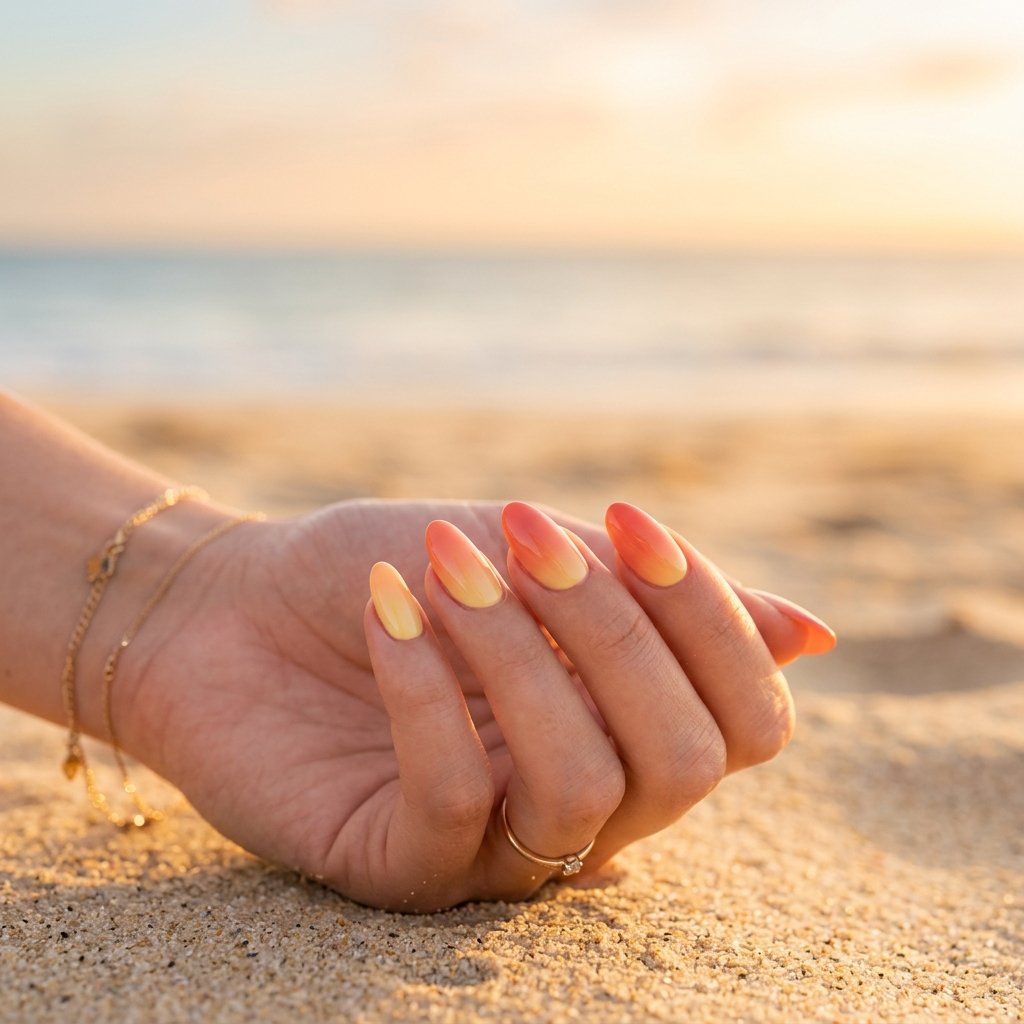
[…] up better in heat and wind. For a finishing detail that photographs well up close, browse these nail design ideas […]