
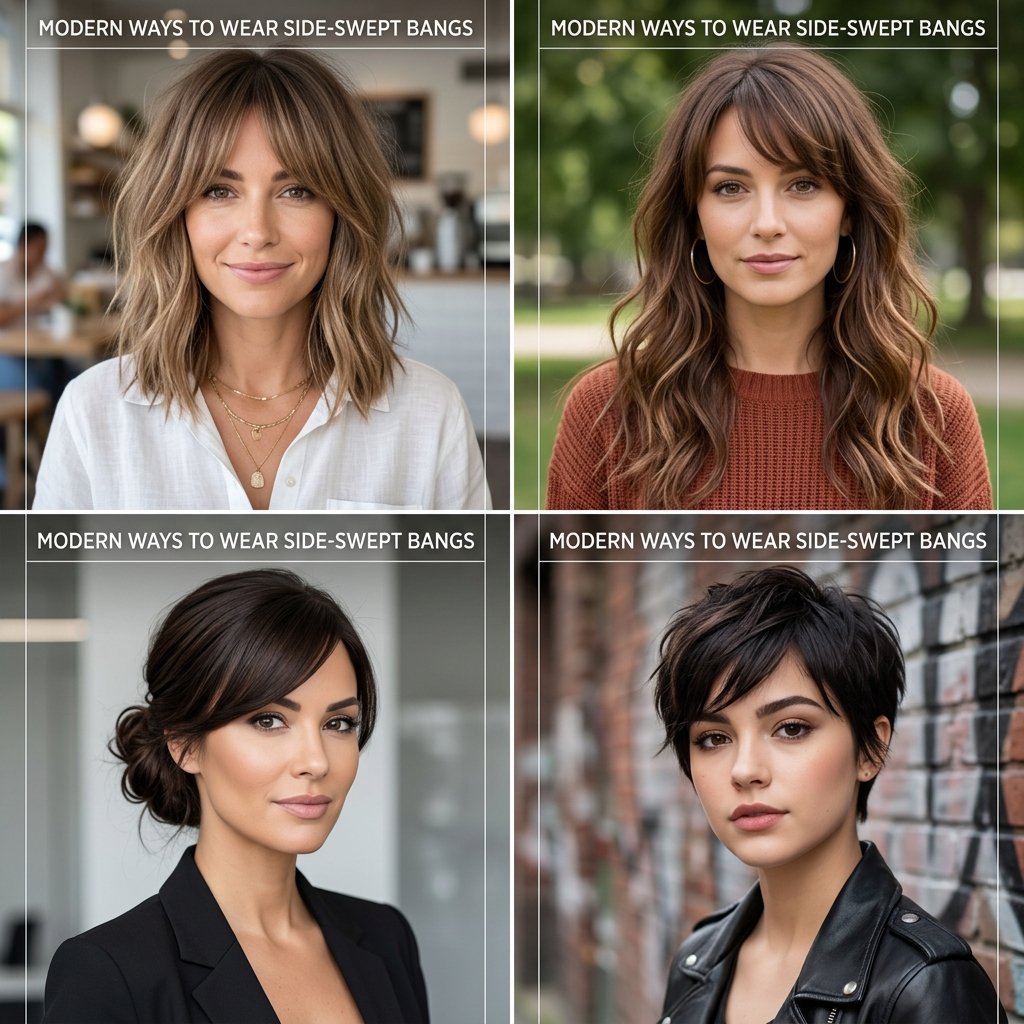
Side-swept bangs have a way of resurfacing just when everyone assumes the trend has run its course. This time around, though, the style doesn’t read as a rerun of the heavily flat-ironed fringes that defined the early 2000s. The shape is softer, the length is more forgiving, and the styling leaves room for natural movement rather than demanding a rigid finish.
That shift is what makes the current version of side-swept bangs so adaptable. They sit comfortably against a sleek bob, disappear into long layers, break up a blunt lob, or add motion to naturally wavy hair often subtly enough that the haircut still feels like “you,” rather than a dramatic departure.
The renewed interest tracks with the broader direction of hair trends this year. Side bangs have evolved with each decade since their heyday among reality-TV stars in the 2000s, and stylists have folded the look back into modern aesthetics with more edge and structure. Industry coverage frames the current wave as a Y2K throwback reworked for a softer, more wearable finish described as the nostalgic trend resurging for 2026, with an emphasis on refined, less severe styling than its earlier iteration Bustle.
If you like the concept but don’t want it to look dated, the details matter length, parting, texture, volume, and how the ends are shaped can change the entire result. Below is a professional breakdown of the most current ways to wear the style, followed by guidance on face shape, hair type, and salon communication.
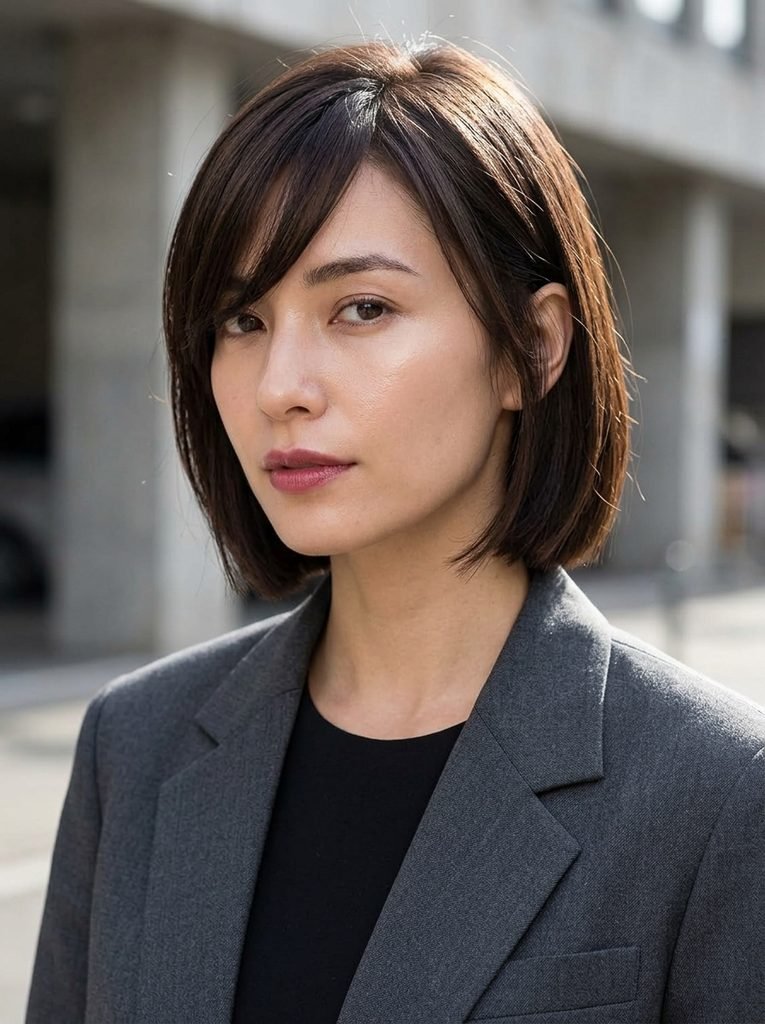
Long Bangs Blended Into Loose Layers
Long side-swept bangs perform best when they have somewhere to go. Rather than ending abruptly at the eyebrow, the fringe can start around brow or cheekbone level and gradually merge into longer layers, creating one continuous line from the forehead toward the sides of the cut rather than a visible break.
Loose layers also give the fringe movement: worn down, the bang curves away from the face while the surrounding layers follow the same direction. For long hair, keep the shortest point light rather than cutting a dense, solid section the goal is motion, not a block of hair.
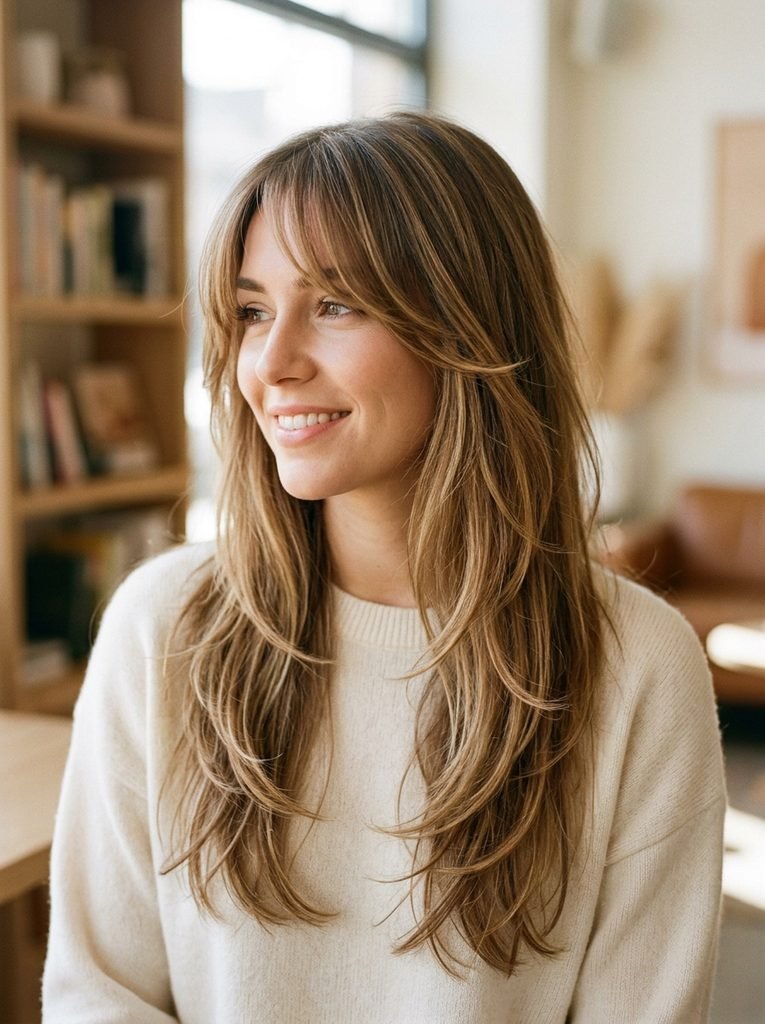
Side-Swept Bangs on a Sleek Bob
A polished bob gives side-swept bangs an entirely different character. Instead of pairing the fringe with waves or heavy layering, keep the bob smooth through the ends so the asymmetry of the bangs becomes the focal detail.
This works especially well when the bangs run slightly longer and can be tucked to one side without a stiff curl a small bend at the ends is enough. The contrast between a strong, simple bob shape and a softly broken fringe is what reads as current rather than dated. A slightly off-center part (even by an inch or two) is usually enough to change how the bangs fall, without needing a dramatic side part.
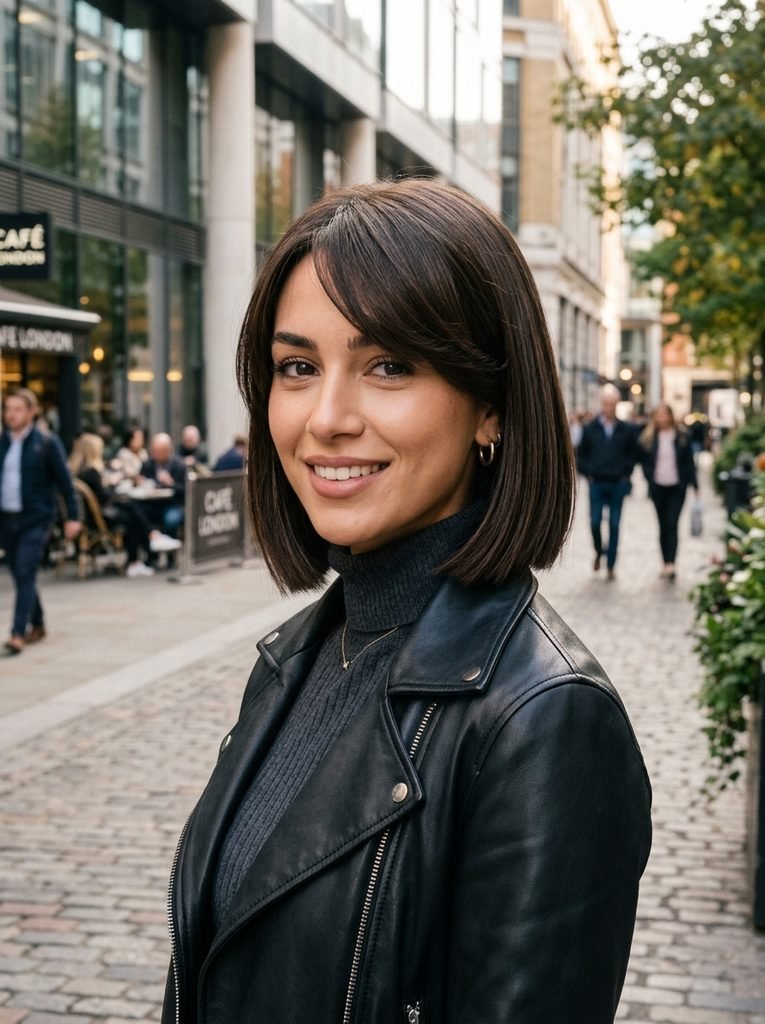
A Soft Side Sweep With Beach Waves
Side-swept bangs don’t need to be pin-straight. With beach waves, the fringe can echo the same loose movement as the rest of the hair — the key is not curling the bangs as tightly as the lengths. Give the front section a gentle bend away from the face and let the ends stay soft, while the rest of the hair carries more texture for a relaxed contrast.
This pairing suits anyone who favors casual, undone styling but still wants shape around the face. If you enjoy this type of texture, Soreva Style’s beach wave hairstyle tutorial covers different ways to build loose waves with hot tools, flat irons, braids, or natural texture. The finished bang should look slightly imperfect rather than carefully sculpted.
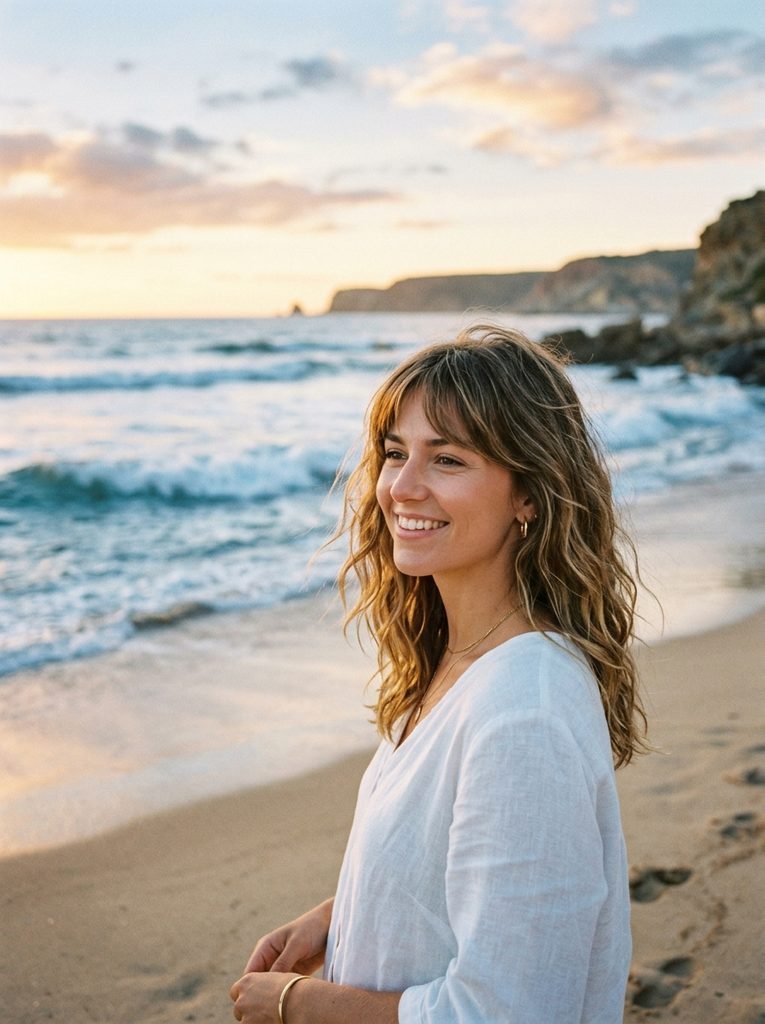
A Deep Side Part With Feathered Ends
For a more pronounced take, move the part further to one side and let the bangs sweep diagonally across the forehead. The modern detail is in the ends: feathered rather than heavily curled, with enough separation to show individual pieces.
This works particularly well with medium or long layers, since feathered ends throughout the haircut echo the bang’s movement instead of leaving it looking like a separate addition. Keep the crown natural too much lift or teasing tips the look toward retro rather than current.
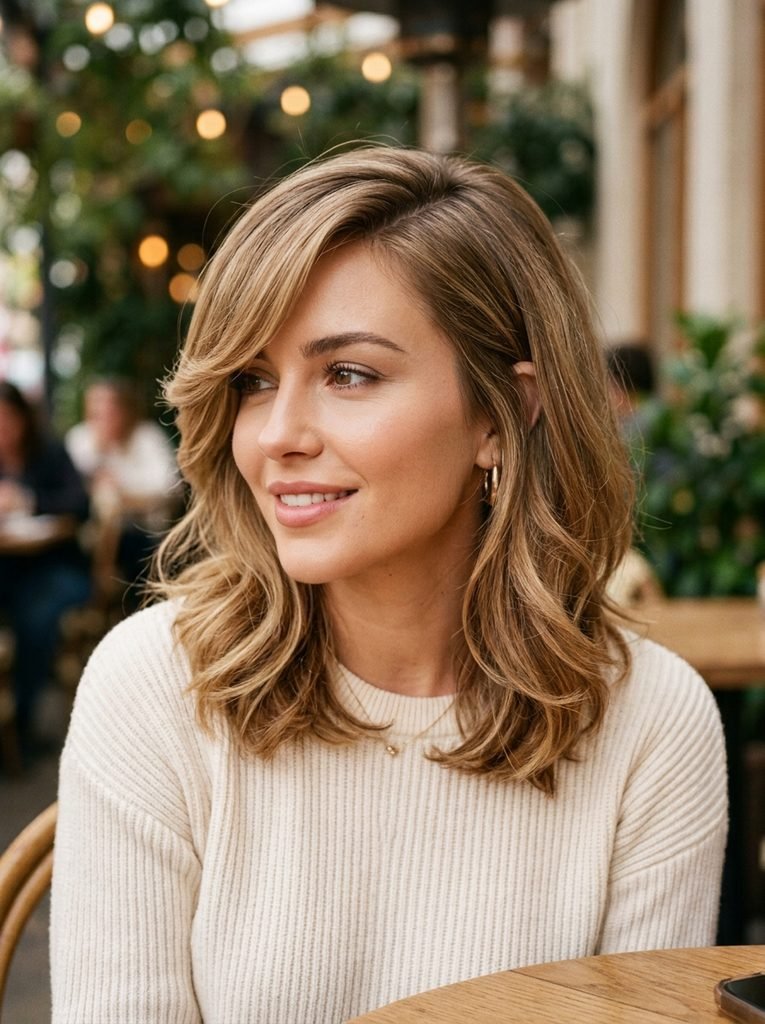
Side-Swept Bangs on a Shoulder-Length Lob
A shoulder-length lob gives bangs enough surrounding length to blend naturally without becoming a dramatic statement. It’s one of the more flexible pairings because the cut sits between short and long bangs can be worn visibly one day and tucked to the side the next.
A slightly tousled finish, rather than glass-smooth styling, keeps the fringe looking relaxed. Fine hair benefits from keeping more weight at the perimeter for density; thicker hair can take subtle internal layers to avoid heaviness.

Curly Hair With a Side-Swept Fringe
Side-swept bangs can work on curls when the shape follows the natural pattern instead of being forced straight. The key variable is that curly hair changes length dramatically between wet and dry states a section that looks long wet can spring up considerably once it dries into its curl pattern, so the finished length needs to be judged in its natural texture.
A curly side fringe cut slightly longer, allowed to fall diagonally before blending into the curls at the temples, reads softer than a straightened equivalent. Balanced volume through the sides gives the fringe room to settle without competing with bulk at the crown.
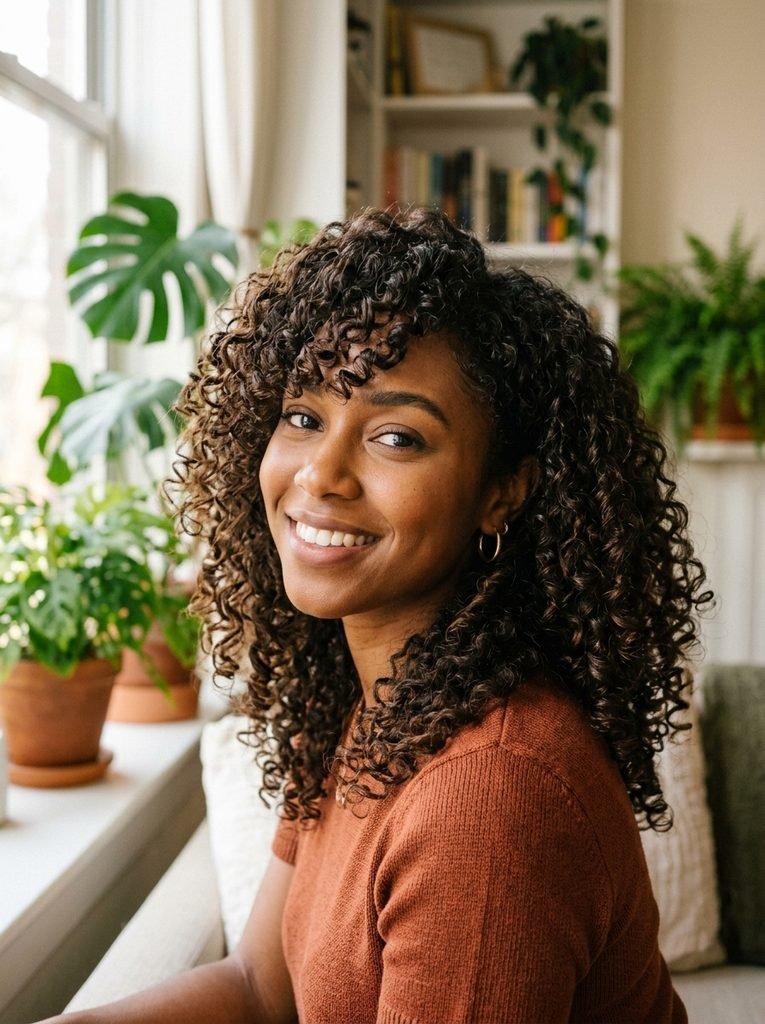
Side-Swept Bangs With a Low Ponytail
Pulling the rest of the hair into a low ponytail leaves the fringe as the primary face-framing element. Rather than brushing every strand tightly back, let the bangs keep their curved shape a low position at the nape keeps the focus on the face, and a clean elastic or wrapped strand finishes the look.
This is a useful option when hair isn’t cooperating enough to wear loose: the bangs supply shape while the ponytail keeps everything else controlled. For a softer variation, leave one small section loose beside the ear.
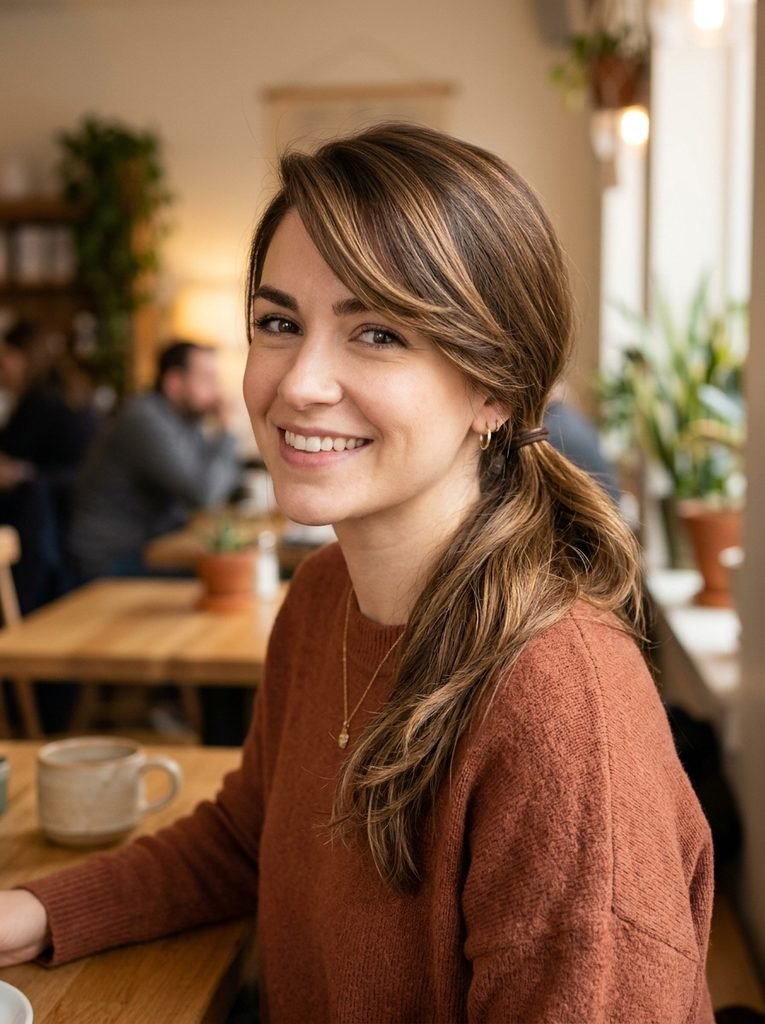
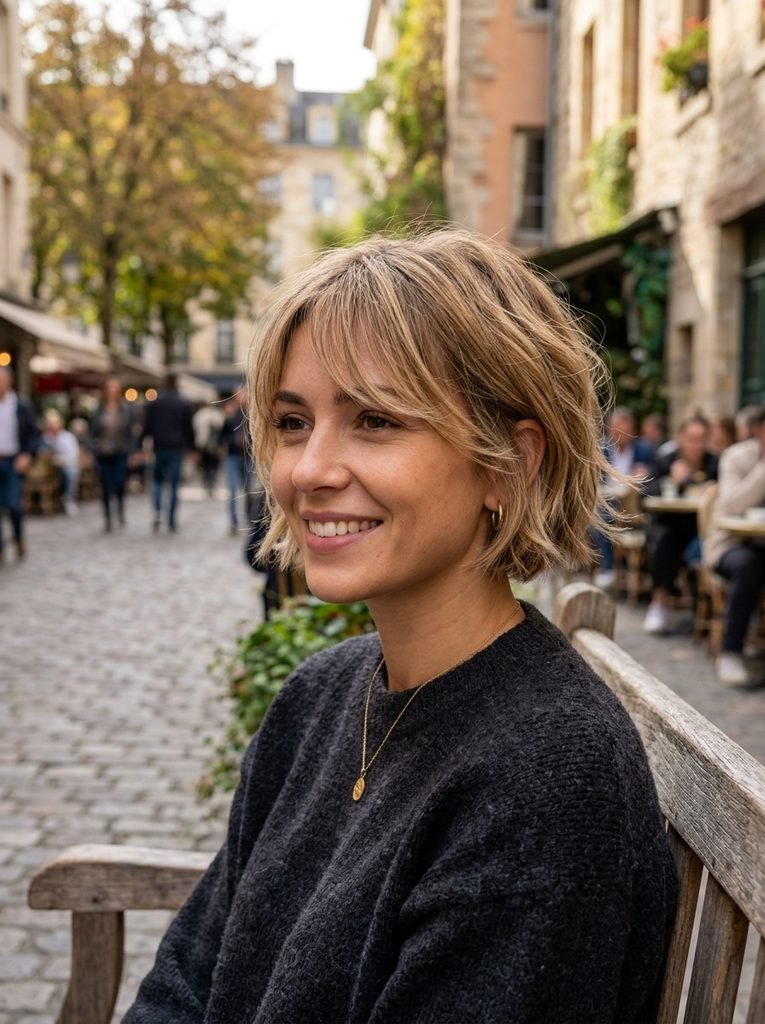
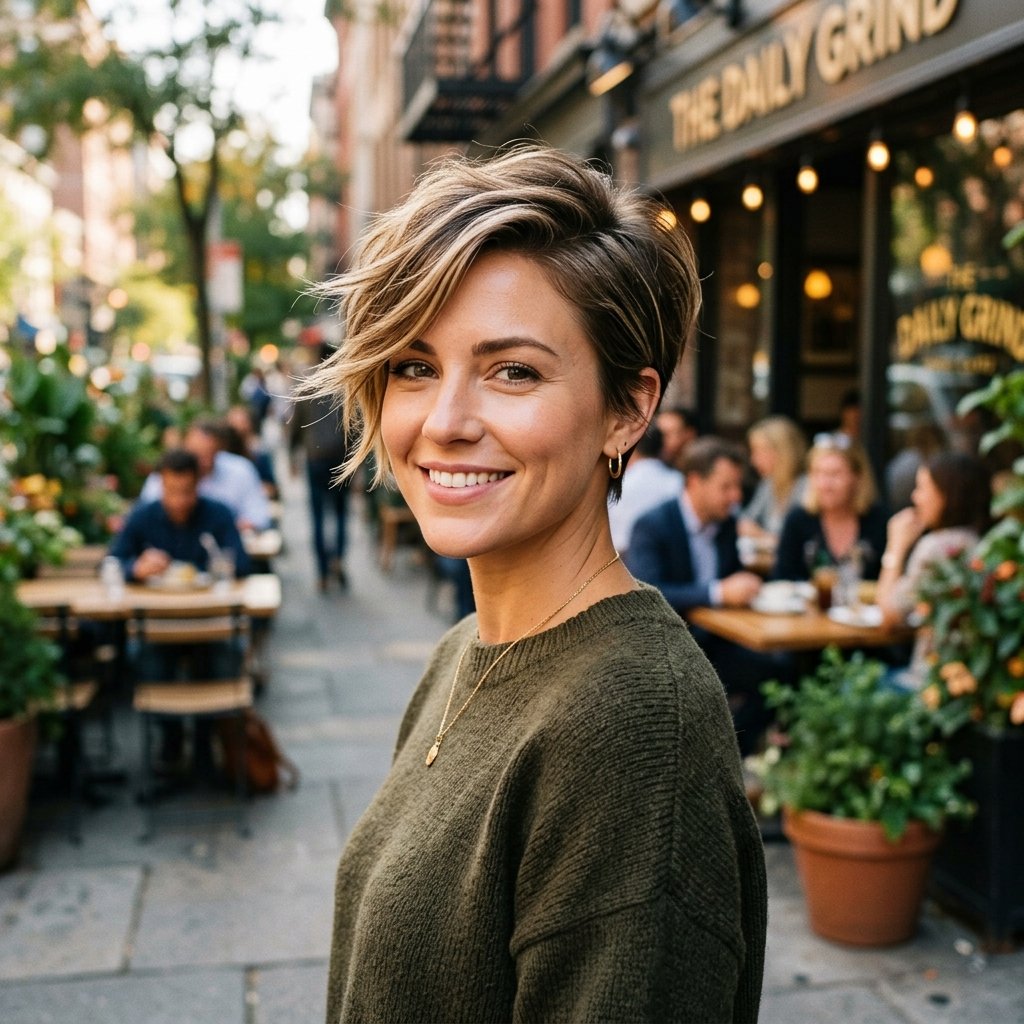
A Short Bob With Wispy Side Bangs
Short hair doesn’t need a heavy fringe to register. A chin-length or shorter bob paired with wispy side bangs creates a lighter effect the fringe should show visible separation rather than forming one thick section.
This pairs especially well with a softly textured bob, where slightly uneven or naturally bent ends add movement without turning the cut into something heavily layered. The shorter the bob, the more visible the relationship between fringe and cut becomes, so keeping both elements soft prevents the look from reading as severe. A small amount of styling cream through the ends helps individual pieces stay separated.
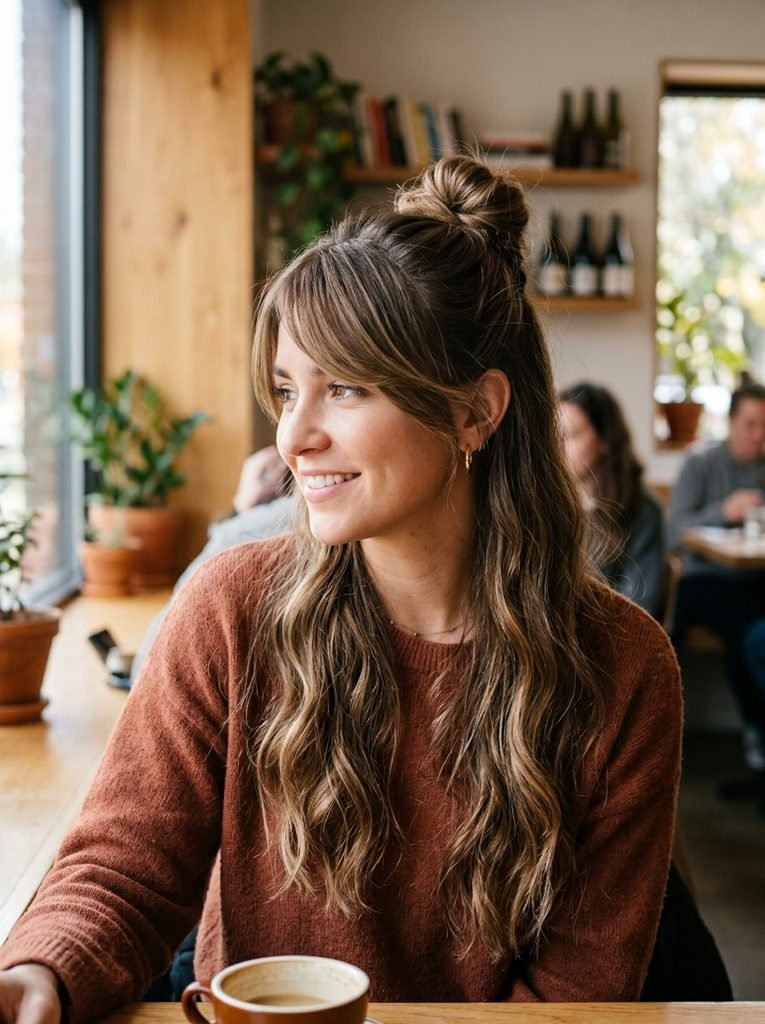
Side-Swept Bangs With a Half-Up Style
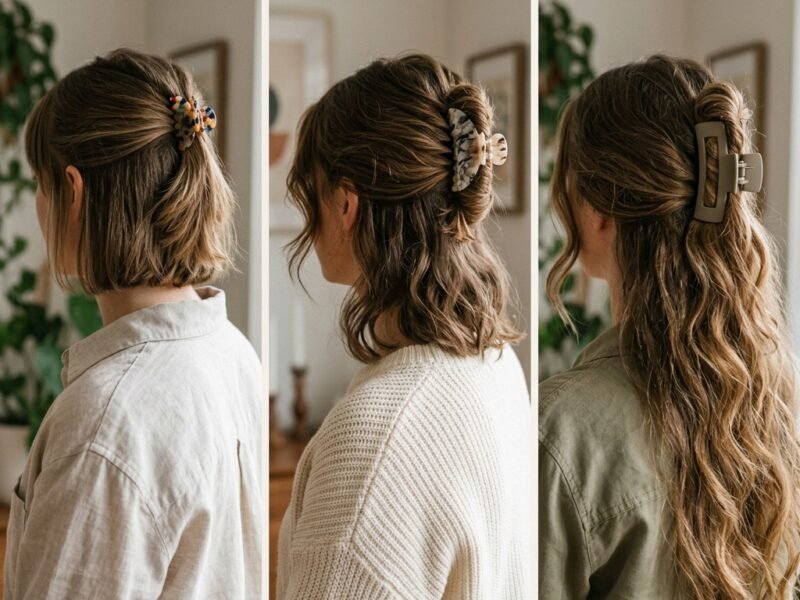
A half-up style makes side-swept bangs feel more intentional without requiring a full updo. Secure the hair behind the crown into a small ponytail or clip while leaving the fringe loose the contrast between the secured back and the flowing front frames the face simply.
Smooth the crown for a polished result, or leave texture through the lengths for something softer. This is also a practical option during the grow-out stage, when longer bangs can be swept sideways and blended into the half-up section rather than constantly falling forward. This approach differs from curtain bangs, which part in the center and move outward on both sides Soreva Style’s curtain bangs guide explains that distinction and how longer fringe eventually blends into face-framing layers.
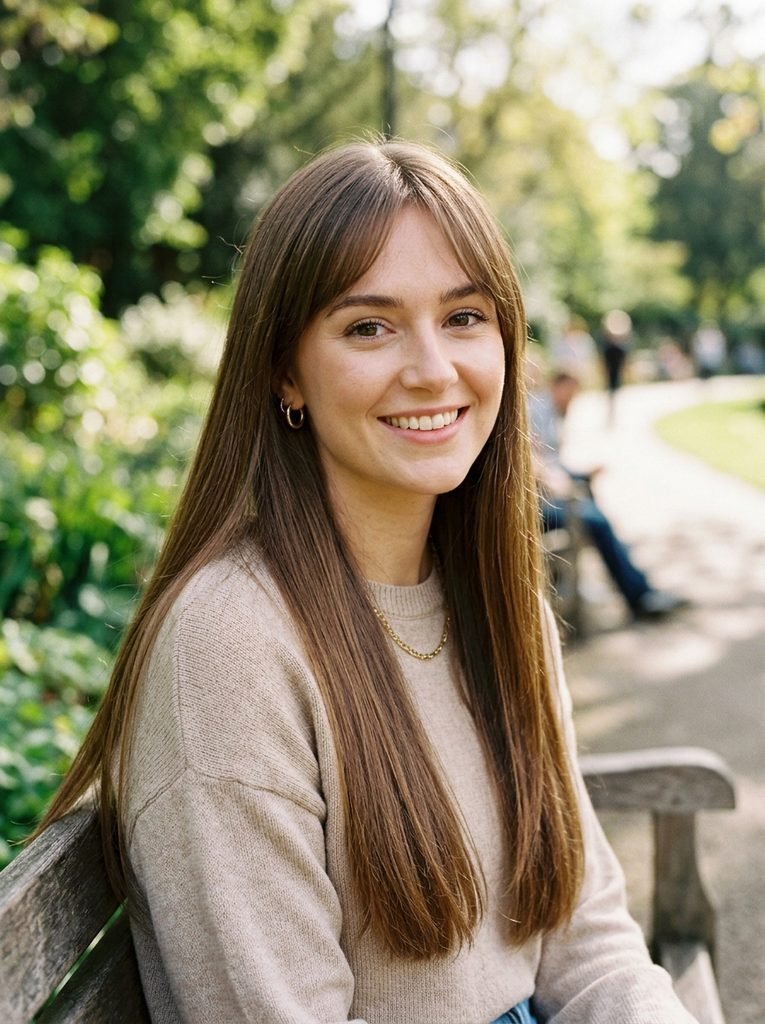
A Soft Side Fringe on Natural Straight Hair
Straight hair makes side-swept bangs especially visible, so the goal is working with the hair’s natural smoothness rather than adding volume. A light curve from a round brush or flat iron, then letting the fringe fall naturally, is usually enough a dramatic swoop isn’t necessary.
This style also shows why the initial cut matters: if the bangs are too short or too thick, straight hair makes the separation obvious. A longer, lighter section blends more naturally into the surrounding layers.
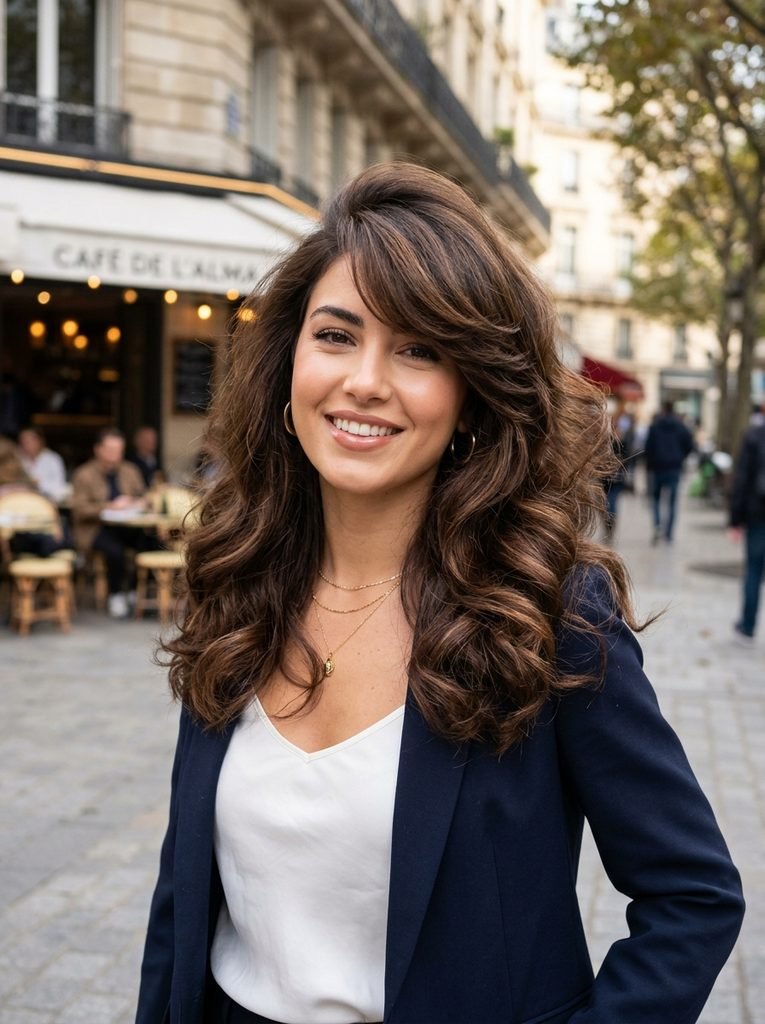
Side-Swept Bangs With a Voluminous Blowout
A blowout brings out the fuller, more glamorous side of this style. Instead of pressing the bangs flat against the forehead, use a round brush to create slight lift at the root and curve the ends away from the face.
Proportion is the key consideration if the rest of the hair carries significant volume while the bangs stay flat, the front can look disconnected from the rest of the style. A little body in the fringe keeps the whole look cohesive, and this approach pairs naturally with layered haircuts where movement through the lengths continues the fringe’s line rather than isolating it.
The Barely-There Side Sweep
Not everyone wants an obvious fringe. Using a longer face-framing piece from the front of the haircut and sweeping it across the forehead creates the visual effect of side-swept bangs without making the fringe the dominant feature.
This is a practical choice for anyone growing out bangs, or testing whether a more permanent fringe suits them the longer section can move back into the rest of the hair whenever a more open forehead is preferred. The transition should stay soft, disappearing into the haircut rather than ending on an obvious point.
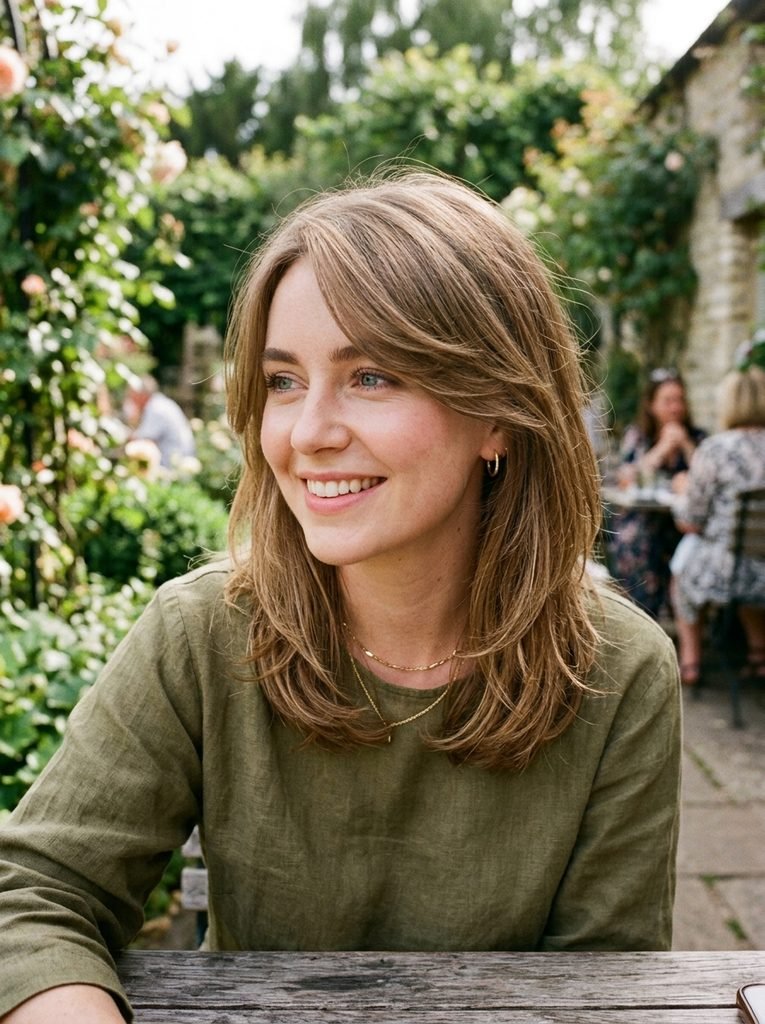
What Separates Modern Side-Swept Bangs From a Dated Version
The difference usually comes down to restraint. The earlier iteration relied on a strong side part, heavy root teasing, firm hairspray, and a pronounced curl through the ends a distinct, deliberately retro effect. Today’s version is described by stylists as more textured and less heavy, blended into the surrounding layers and swept away from the face rather than forming a stiff curtain Bustle.
A few adjustments make the difference:
- Keep the fringe longer when the goal is blending into layers.
- Use a light bend rather than a tight curl.
- Let individual strands stay visible instead of fusing into one section.
- Avoid excessive height or teasing at the crown.
- Match the bangs’ texture to the rest of the haircut.
- Keep the ends soft rather than flipped.
- Use a lighter styling product so the hair can still move.
Choosing the Right Length for Your Hair
There’s no single required length for this fringe the right choice depends on how the rest of the cut is structured.
Short hair. A bob or pixie makes the bangs more visible, so keeping the fringe light preserves movement rather than adding bulk.
Medium hair. A lob or shoulder-length cut gives bangs room to blend into layers and switches easily between loose styling and pulled-back looks.
Long hair. The fringe can become nearly indistinguishable from face-framing layers as it grows, or create a deliberate diagonal line across the front of the style.
In every case, the surrounding haircut matters more than the exact bang length — a side fringe reads more natural when it has some connection to the rest of the cut through layering or movement.
Matching Side-Swept Bangs to Face Shape
The diagonal direction of a side-swept fringe changes how the forehead and face are visually framed, which is part of why the style suits a wide range of face shapes.
For round faces, stylists frequently recommend side-swept styles specifically because the diagonal line elongates the face rather than emphasizing width sweeping long, wispy bangs to the side is considered one of the more effective ways to make a round face appear more oval. A separate expert breakdown notes that side-swept bangs hitting just under the eyes show off the forehead and reduce the appearance of roundness, while textured bangs create a similar effect with more visual edge WhoWhatWear.
For oval faces, the flexibility is broader: longer, soft, side-swept bangs are often cited as the preferred framing for an oval face shape, and most lengths work without needing to compensate for a particularly wide or narrow area The Zoe Report.
For heart-shaped faces, a softer, longer side fringe can help distribute attention across the forehead and sides of the face rather than drawing it to a narrower chin. Soreva Style’s guide to heart-shaped faces similarly lists side-swept styles as a strong option here.
For square or longer faces, a fuller side fringe can add horizontal movement around the upper face and soften angular jawlines.
These are styling guidelines, not fixed rules hair density, natural growth pattern, texture, and the haircut underneath all affect the final result.
Styling Side-Swept Bangs Without Stiffness
Start with slightly damp bangs when blow-drying. Use a small or medium round brush and direct the hair toward the intended side, creating a gentle curve rather than pulling it straight across for lift and movement. Let the section cool before disturbing it once dry.
With a flat iron, a single light pass is typically enough to establish direction repeatedly clamping the same section, especially on shorter pieces, tends to flatten the movement you’re trying to create. Naturally wavy or curly hair often doesn’t need straightening at all; shape the fringe with the same product used elsewhere and guide it to one side while it dries.
A small amount of flexible styling spray holds the shape without stiffening it — too much product tends to separate the fringe into heavy, sticky sections rather than soft pieces.
What to Communicate at the Salon
“Side-swept bangs” can describe several different results, so a reference photo alone often isn’t enough. Before the cut, it helps to specify:
- Where the shortest point should finish
- How thick or wispy the fringe should be
- Which side you naturally part your hair
- Whether the bangs should blend into layers
- How much daily styling you’re realistically willing to do
- Whether your hair is naturally straight, wavy, curly, or coily
It’s also worth mentioning your usual parting habits. Someone who wears a center part most days may need a different transition than someone who already parts to the side daily.
Side-Swept Bangs by Occasion
Everyday: a loose side sweep with natural texture pairs easily with casual styling.
Work: a smooth fringe with a low ponytail or polished lob keeps the look controlled.
Evening: added volume through the lengths makes the bangs feel more glamorous without requiring a full updo.
Formal events: the style adapts well to curls, half-up styles, or low pinned hair, provided the fringe itself stays loose around the face. Soreva Style’s wedding guest hairstyle guide includes several half-up and pinned approaches that adapt well while keeping the fringe loose.
The versatility is part of the appeal the same haircut can look understated in the morning and more polished later with a change in texture and finish rather than a different cut entirely.
Frequently Asked Questions
Are side-swept bangs back in style?
Yes. the style has returned as part of a broader revival of earlier hair trends, with current versions generally longer, softer, and more blended than the heavily styled fringes of the early 2000s.
Are side-swept bangs good for long hair?
Yes. Long hair gives the fringe room to blend into face-framing layers, and it can be worn visibly or tucked into the rest of the cut.
Can you wear side-swept bangs with curly hair?
Yes, provided the length accounts for how much the curl pattern will contract once dry.
Are side-swept bangs easier to grow out than blunt bangs?
A longer, blended fringe tends to be more flexible during grow-out because it can be swept into the surrounding layers, though the ease depends on the original length and cut.
Can side-swept bangs make thin hair look fuller?
A thoughtfully cut section can visually add density at the front, but removing too much hair elsewhere in a fine haircut can have the opposite effect.
Do side-swept bangs work with a middle part?
Yes, though the fringe typically needs to be directed intentionally to one side worth mentioning if you switch between center and side parts.
Final Thoughts
Side-swept bangs don’t have to read as a throwback. The current versions work because they leave room for movement a long fringe blending into layers, a short bob with wispy bangs feeling sharp rather than heavy, or natural waves and curls giving the style a different personality altogether.
There’s also no obligation to commit to the most dramatic version. A barely-there sweep made from a longer face-framing layer can create the same general effect without making the fringe the defining feature of the cut. The best starting point is whichever version fits how you already wear your hair.

Leave a Reply