
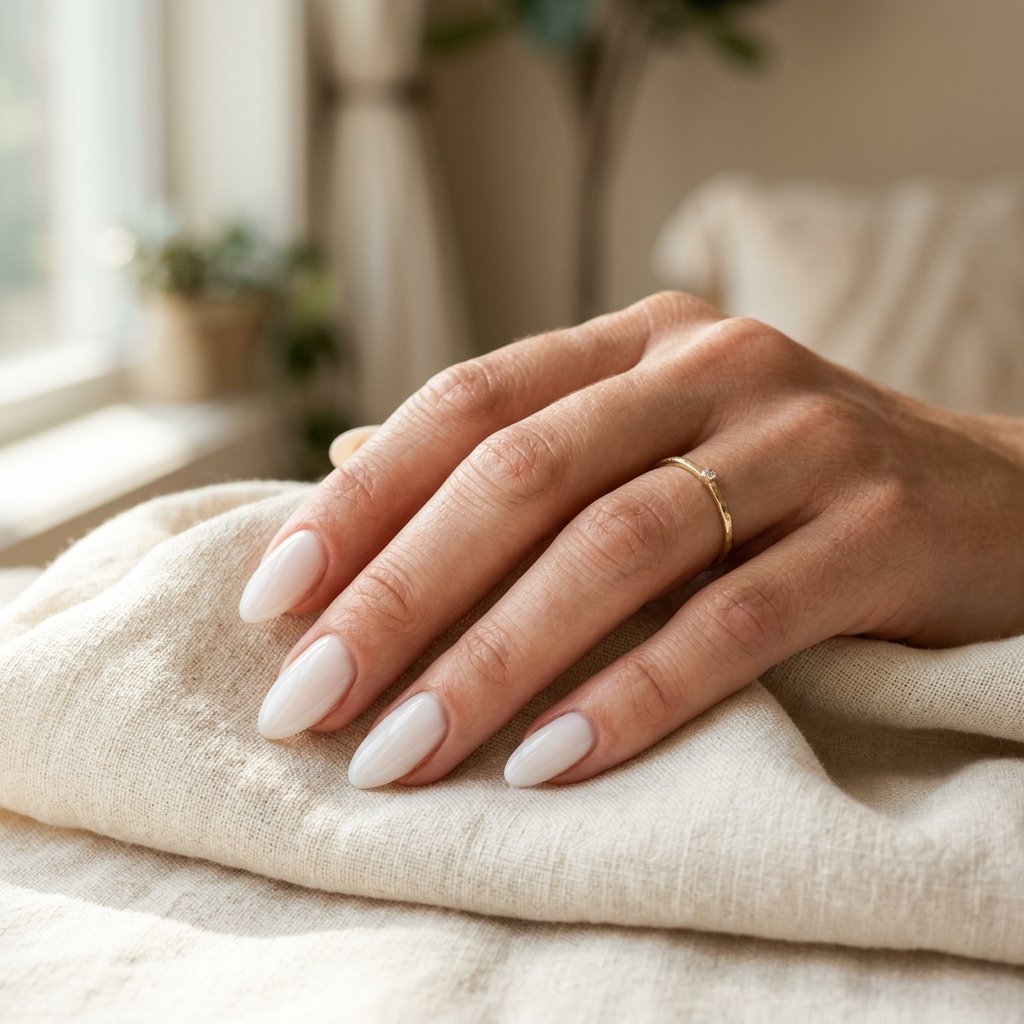
I walked into a salon a few years ago with a screenshot on my phone and walked out with nails that looked closer to a shark fin than anything remotely soft. My fault, honestly. I said “almond,” pointed at a photo that was actually stiletto, and the tech gave me exactly what I asked for instead of what I meant.
That appointment taught me more about this shape than any tutorial ever did. The gap between elegant and aggressive comes down to maybe two millimeters at the sidewalls, and almost nobody bothers to explain that part.
Since then I’ve filed my own nails into almond more times than I can count, sat through plenty of appointments with different techs, and figured out which versions actually survive real life. Washing dishes. Digging keys out of a bag. Typing all day. That’s the stuff most inspiration photos leave out.
So this is the version of the almond nail conversation I wish someone had handed me back then. Practical, a bit opinionated, and focused on what looks good on actual hands rather than on a lightbox in a studio.
Three Things Worth Knowing Before You Commit
Let’s get the useful bits out of the way first, because these three things will save you from the most common disappointment.
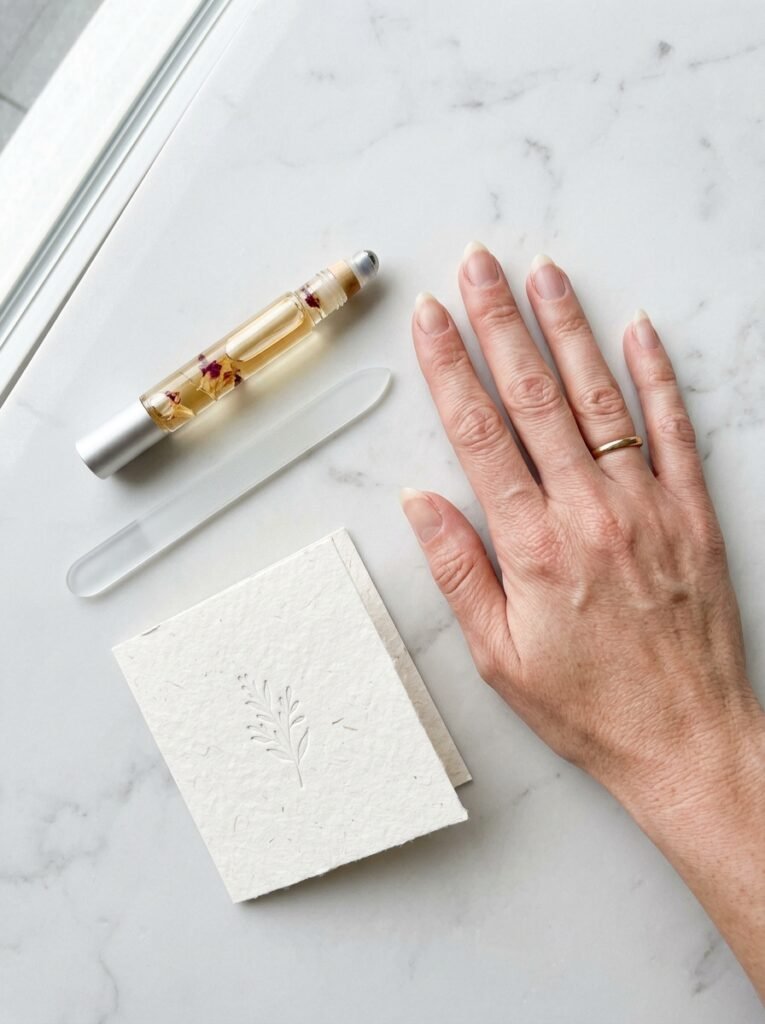
You need a little free edge to work with. Almond needs roughly three to four millimeters of nail past your fingertip before the taper has anywhere to go. Try it on a nail bitten down to the skin and you’ll just get a rounded stub. Not the end of the world, but not almond either.
The taper happens at the sides, not the tip. This is the part people get wrong. You are shaving the sidewalls inward at an angle, then softening the point at the end. If you attack the tip first, you’ll shorten your nails by half and still not have the shape.
Bring two photos, not one. One for the shape, one for the color. “Almond” means slightly different things to different techs, and a picture removes the guesswork in about four seconds. Say the word out loud too, then add “soft, not pointy” if that’s what you’re after.
What Almond Actually Means, and What It Doesn’t
Picture an actual almond. Narrow at the base, widening slightly, then tapering to a rounded tip. That’s the whole idea. The sides slope inward and the very end stays curved instead of coming to a point.
Where people mix it up is with the shapes sitting on either side of it.
Oval is almond’s calmer cousin. It follows the natural curve of your nail bed, tapers gently, and finishes with a wider, blunter tip. Almond is narrower and reads as more dramatic.
Stiletto is the other direction. Same tapering idea, but it keeps going until the tip becomes an actual point. Beautiful in photos, genuinely annoying with a keyboard.
Then there’s coffin or ballerina, which tapers like almond but gets sliced flat across the top. Almond, oval, stiletto, and coffin all start from a similar filing motion, which is exactly why appointments go sideways when you rely on words alone.
Almond Nail Ideas That Look Expensive Without Trying
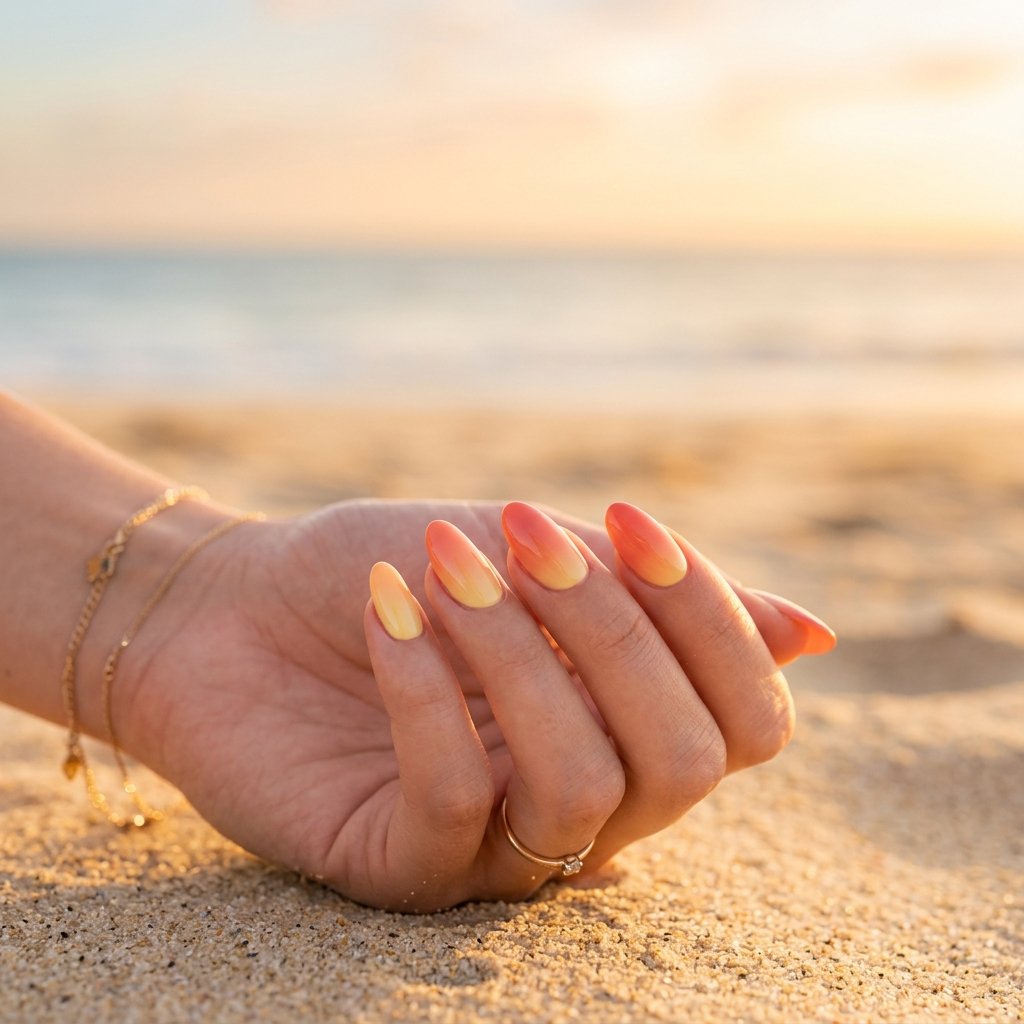
Here’s where it gets fun. The shape does a lot of the heavy lifting, so the colors and finishes that work best are usually the simplest ones.
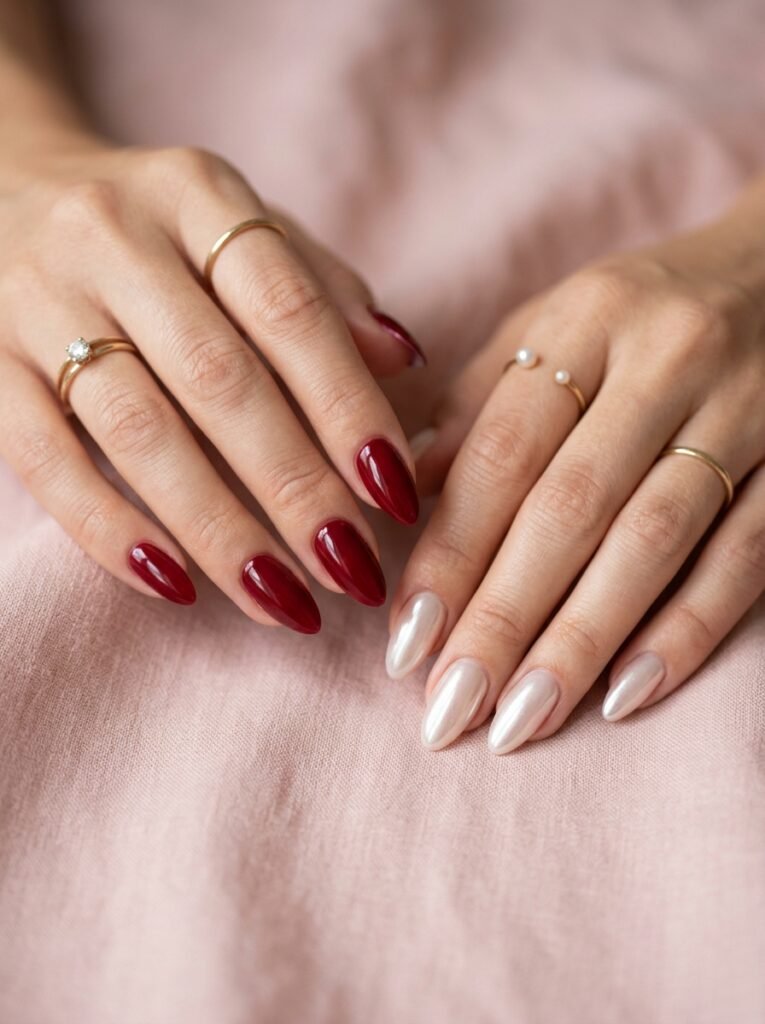
Milky white. Slightly translucent, a bit cloudy, never chalky. It makes almond nails look like they belong to someone with a very calm life. Two thin coats beat one thick one every time, since a heavy coat turns milky white into correction fluid.
A nude that matches your skin. The trick is undertone, not shade. Peachy nudes suit warm skin, rosy and mauve-leaning nudes suit cool skin, and getting this right is the difference between “expensive” and “beige.” If picking shades is where you usually stall, this guide to choosing nail colors that flatter your skin tone breaks the logic down properly.
A slim French curve. Classic French on almond looks best when the smile line is thin and follows the curve of the tip rather than cutting straight across. Thin is the key word. Anything thicker than a couple of millimeters starts to look dated.
Chrome and glazed finishes. Almond gives chrome a long, mirrored surface to bounce off, which is why glazed pearl looks so good on this shape specifically. A pearl chrome powder over a sheer pink base is my go-to when I want to look put together without picking a color.
Real red. Not coral, not brick. A proper blue-toned red on medium length almond nails is the closest thing to a manicure cheat code. It suits every skin tone I’ve seen it on and it never looks like you’re chasing a trend.
Espresso and chocolate brown. Deep browns have quietly become the sophisticated alternative to black. On almond nails they feel warm rather than harsh, and they hide the odd chip better than most dark shades.
One small detail. A single gold line down the center of one nail. A tiny pearl at the base. One matte nail among glossy ones. Almond nails have narrow surface area, so restraint reads as intentional and clutter reads as busy.
Jelly and sheer tints. Sheer cherry, sheer plum, sheer berry. You get color without full coverage, and grow-out is far less obvious. This is the low-maintenance option nobody talks about enough.
Soft matte. Matte finishes flatten the shine, which stops longer almond nails from looking too glossy and dramatic. It works best on muted shades like taupe, dusty rose, or slate. Skip it on very dark colors unless you enjoy buffing off fingerprints.
Choosing a Length That Actually Survives Your Week
Length changes the personality of almond nails more than color does.
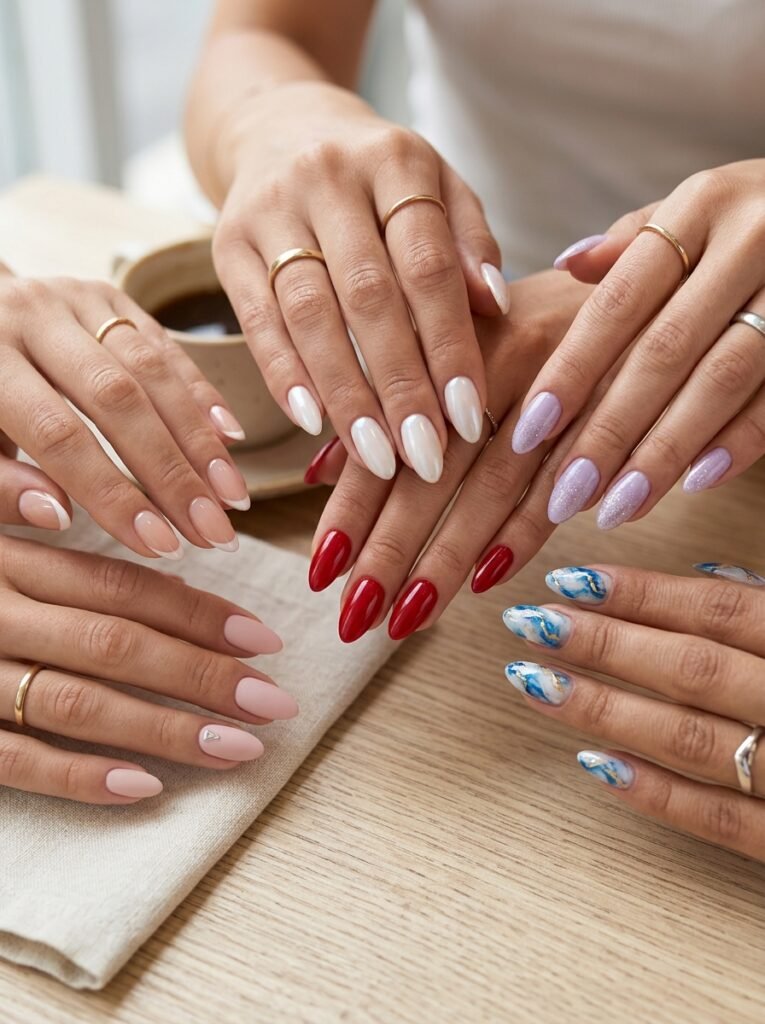
Short almond sits just past the fingertip. Elegant, easy to live with, and the version I recommend to anyone trying the shape for the first time. You keep full use of your hands and still get that tapered, softened look.
Medium almond extends maybe five to seven millimeters past the finger. This is the sweet spot for most people. Long enough to look deliberate, short enough that you’re not relearning how to button a shirt.
Long almond is where things get glamorous and slightly impractical. Gorgeous for a wedding, a holiday, or a stretch of time when you’re not doing anything hands-on. My friend Nadia wears long almond nails constantly and swears she’s adapted, but she also has a separate technique for opening cans that I refuse to attempt.
Here’s the realistic take. If you type for a living, cook most nights, or have a small child pulling at things, medium is your ceiling. There’s no prize for suffering through a length you resent by Wednesday.
Filing Almond Nails at Home Without Wrecking Them
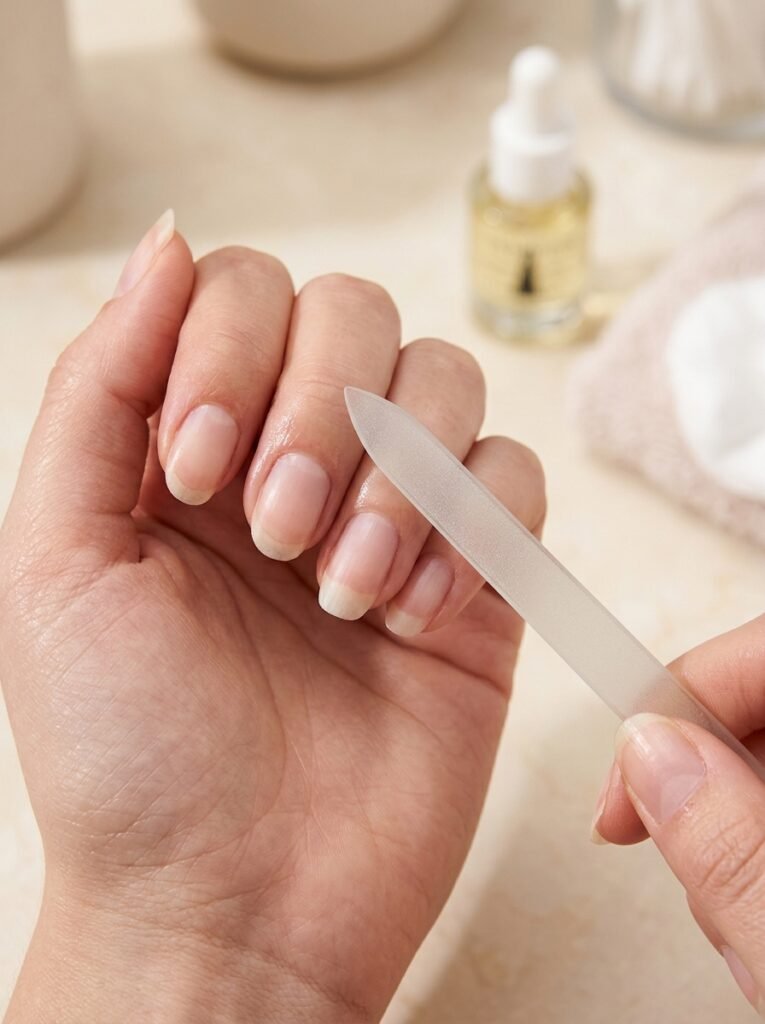
You can absolutely do this yourself. I’ve never had a tech shape mine better than I can, mostly because I’m the only one who can see all ten from the right angle.
Start with completely dry nails. Wet nails are soft and they tear instead of filing cleanly, which is why filing after a shower is such a bad habit.
Square them off first. It feels counterintuitive, but a flat starting edge gives you a reference point so both sides taper evenly. Trying to freehand a curve from a curve is how you end up with lopsided nails.
Find the center of each nail and mark it mentally at the tip. Everything you file from here angles toward that center point.
Take one side down at a time, moving the file inward at roughly a 45 degree angle. Short strokes, always in one direction. Sawing back and forth splits the layers at the edge and causes peeling later.
Once both sides are angled, soften the tip. This is the step that separates almond from stiletto, so go gently and check often.
Then hold your hand out at arm’s length, palm down, and compare all five nails. Fix the outliers. Thumbs are usually the troublemakers because their nail beds are wider, so they often need slightly less taper than the rest.
A 180 grit file works for natural nails. Glass files are worth the small investment because they seal the edge rather than shredding it.
Short Almond Nails Deserve More Credit
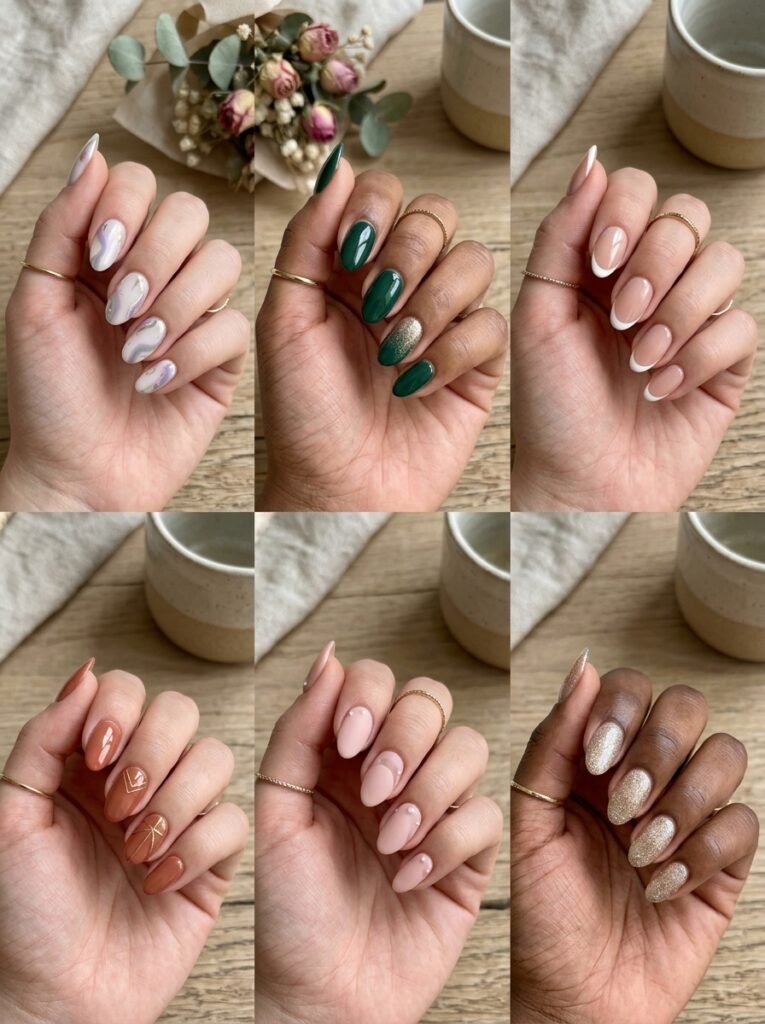
There’s a persistent idea that this shape only works long, and I think that’s wrong.
Short almond is genuinely one of the most flattering manicures out there. The taper still narrows the nail visually, which makes fingers look longer even when very little nail is showing. It survives gym sessions, gardening, and dishwashing. It chips less because there’s less leverage on the free edge.
If your nails are on the shorter side and you want the illusion of more length, there are also some clever design tricks that make short nails look longer, and most of them pair beautifully with a soft almond tip.
My own default for the last year has been short almond in a milky beige. Nobody has ever asked why my nails are short. Several people have asked where I get them done.
The Mistakes That Show Up Around Day Four
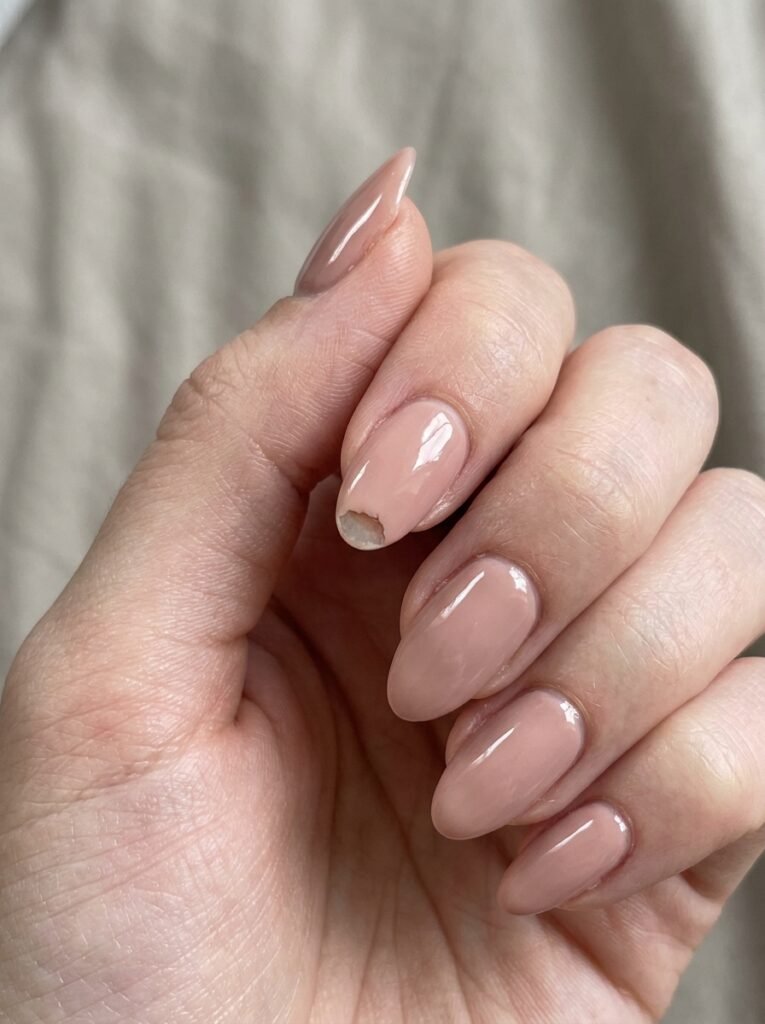
Nothing looks wrong on day one. Problems announce themselves later in the week.
Over-tapering. The most common one by far. Too much filing at the sidewalls leaves almost no width supporting the tip, and natural nails start snapping. If your nail looks narrower than your nail bed, you’ve gone too far.
Filing away the stress point. The strongest part of your nail is where it leaves the skin. Aggressive filing along the lower sidewall weakens that area, and it’s where breaks tend to start.
Uneven pairs. Nobody notices one imperfect nail. Everyone notices when the two index fingers don’t match. Check your hands side by side before you decide you’re finished.
Choosing a length for the photo, not for your week. If you’re going straight from the salon into a house move, pick the shorter option and thank yourself later.
Skipping cuticle care. Almond draws the eye toward the nail bed. Dry, ragged cuticles undo an otherwise lovely manicure instantly.
Ignoring your natural nail curve. Very curved nails, the ones with a deep C-curve, tip into pointy territory much faster. If that’s you, keep the tip rounder than you think you need.
Keeping the Shape Looking Fresh Between Appointments
Almond needs a bit more upkeep than square, because the tip is the first thing to lose definition as nails grow.
Refile the tip every five to seven days. Just the tip, not the sides. The sidewall angle stays put as the nail grows out, so touching it repeatedly is how nails get too narrow.
Cuticle oil daily, ideally at night. It keeps the free edge flexible, and flexible nails bend instead of snapping.
Add a fresh layer of top coat every three days if you’re wearing regular polish. It takes two minutes and easily buys you another few days of shine.
Use the pads of your fingers instead of your nail tips for opening things. It feels fussy, but it’s the single biggest factor in how long a shape lasts.
Wear gloves for cleaning. Hot water and harsh products soften the nail plate, and soft nails at that tapered tip bend in ways you’ll notice by the weekend.
Keep a small file in your bag. Catching a snag the moment it happens usually saves the nail. Ignoring it until you get home usually doesn’t.
Questions People Ask Me About Almond Nails
How long do my nails need to be? Roughly three to four millimeters of free edge is the minimum for a recognizable almond. Anything shorter reads as oval, which still looks lovely, just not the same.
Are almond nails weaker than square? On natural nails, slightly, because tapering removes width from the strongest part of the free edge. Keeping the length modest and the tip a little rounder makes a real difference. On gel or acrylic, structure matters more than shape.
Can I get almond shape with just gel polish on natural nails? Yes, as long as you have some length to file into. Gel polish adds durability, not length. If your natural nail is short, you’d need tips or an extension to build a longer almond.
What’s the actual difference between almond and oval? Almond has straighter, more angled sides and a narrower, more defined tip. Oval follows your nail’s natural curve and finishes wider and blunter. Almond looks more dramatic, oval more understated.
How often should I reshape? Every five to seven days for a quick tip refresh, and a fuller reshape every two to three weeks depending on how fast your nails grow.
Do almond nails suit short fingers? They’re one of the better shapes for it. The taper creates a vertical line that makes fingers look longer. Just keep the length moderate, since very long nails on short fingers can look unbalanced.
Will they suit wide nail beds? Yes, and this is one of almond’s real strengths. Narrowing the sides makes a wide nail bed look slimmer without changing anything else.
One Last Thought Before You Book
The best almond manicure I’ve ever had was short, milky, and cost me nothing because I did it myself on a Sunday evening while half watching a film. The worst was expensive, long, and lasted nine days before I filed it down in frustration.
The shape is flattering on almost everyone. The failures usually come from length, over-filing, or trying to copy a photo of somebody else’s hands instead of working with your own nail beds.
Start shorter than you think you want. Keep the tip softer than the inspiration picture. Compare your hands before you put the file down. That’s most of it, really.


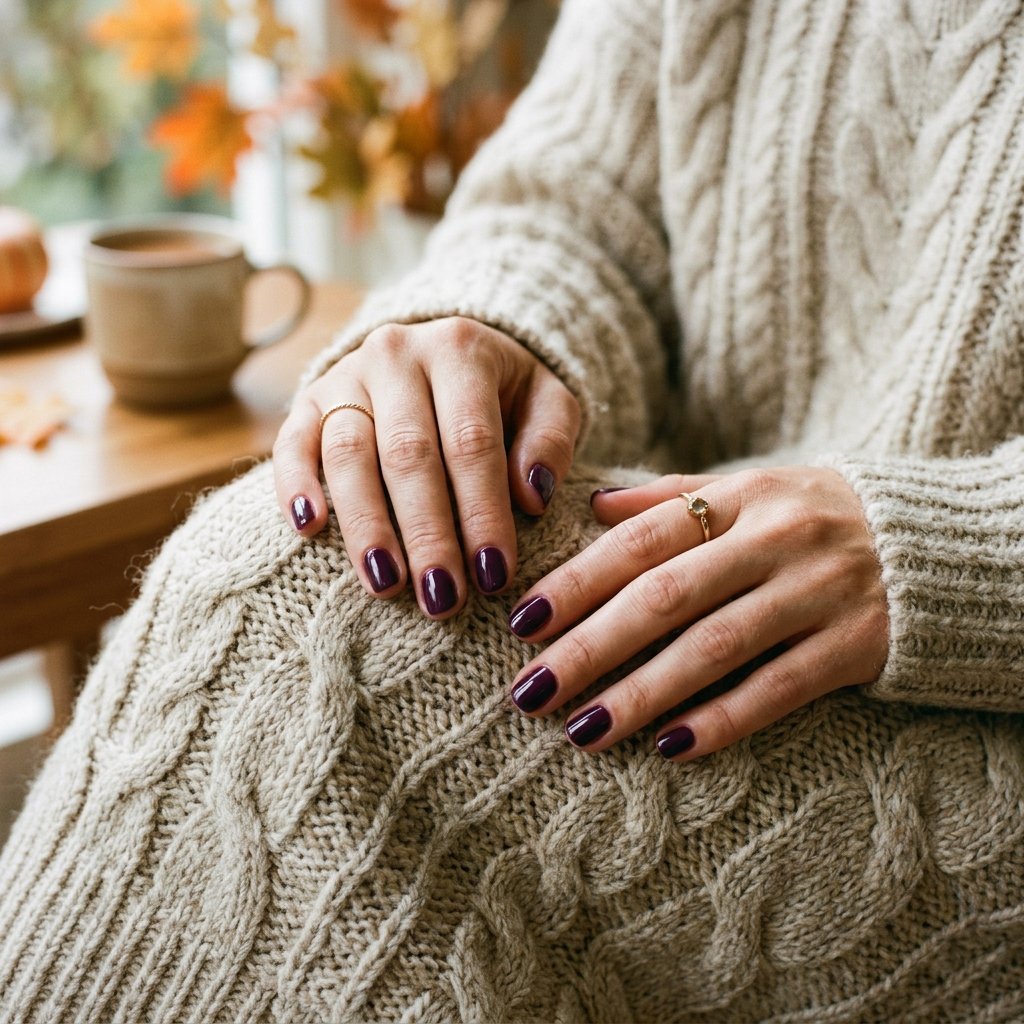
[…] Nail Ideas […]