
Pull your hair back and look at the mirror straight on. If the widest point sits at the cheekbones, with a forehead that narrows above them and a chin that tapers below, the outline is closer to a diamond than anything else. It is one of the less common face shapes, which may be why the advice written for it tends to be thin.
Most of that advice says the same thing: show off the cheekbones. That works as a starting point, but plenty of people with this shape want the opposite. They would like the cheekbones to read a little softer and the jaw to feel less sharp, especially when their current cut draws a straight line across the widest part of the face.
This guide is built around that goal. It covers where layers should start, which fringes behave, how to handle a pointed chin, and what to say at the appointment. A few styles that work against the goal are flagged along the way.

What Softening Really Means on a Diamond Face
Softening is a visual job. A haircut cannot change bone structure, but it can change where the eye stops. On a diamond face the eye tends to stop in two places: the cheekbones, because they are the widest point, and the chin, because the outline narrows sharply into it.
That gives a haircut three realistic jobs. The first is adding a little width at the forehead so the top of the face does not look pinched. The second is adding movement at the jaw and chin so the lower half feels rounded instead of pointed. The third is avoiding a hard horizontal line across the cheekbones, which is what happens when hair ends or tucks in exactly there.
It helps to confirm the shape first, because diamond gets mixed up with its neighbours. In heart-shaped face hairstyles, the forehead is usually the widest part. On a diamond face, the forehead is narrower than the cheekbones. Compared with oval, the cheekbones stand out more and the jawline is less gently curved.
A simple check is to take a photo straight on with your hair pulled back. Compare the width at the temples, cheekbones and jaw. If the cheekbones clearly win, diamond is a fair description. Face shapes sit on a spectrum, so treat the result as a guide rather than a label.
Cheekbones First: Where Layers Should Start
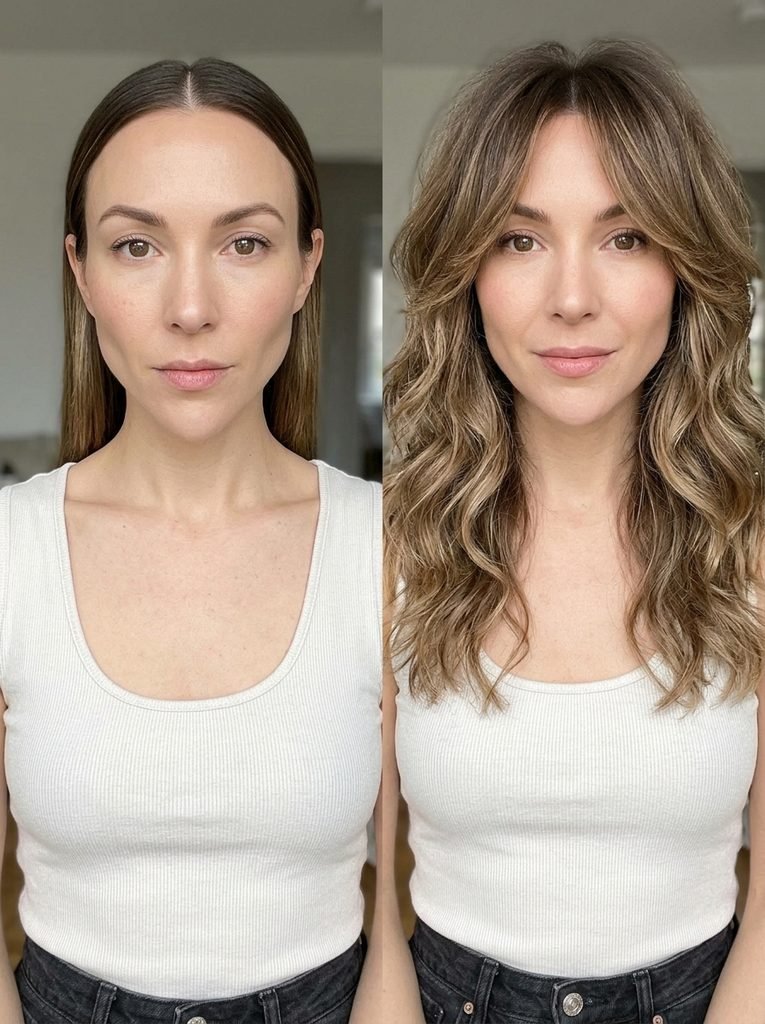
Layers are where most diamond face cuts go right or wrong. The rule that holds up across most examples is to start layers below the cheekbone, not at it. A layer that ends at cheekbone height works like a highlighter pen, pointing straight at the widest part of the face. One that ends near the jaw or chin pulls the eye along a diagonal, which reads as softer.
Picture two photos of the same person. In the first, hair is cut in short layers that finish just under the eyes and is tucked behind the ears. The cheekbones look prominent and the face looks wide through the middle. In the second, longer face-framing pieces begin around the cheekbone and curve down toward the chin, and the hair is worn forward. The widest point is still there, but it no longer reads as a ledge.
Tucking hair behind the ears deserves its own mention. It exposes the exact line you may be trying to soften. Leaving one side loose, or letting a few strands fall forward, gives the outline a curve to follow.
Movement helps as well. Loose, S-shaped waves and a gentle bend at the ends add curves around the cheekbones, which balances the angularity that straight, flat hair can emphasize. A soft wave pattern also makes small differences between the two sides less noticeable.
Fringe Options, Compared
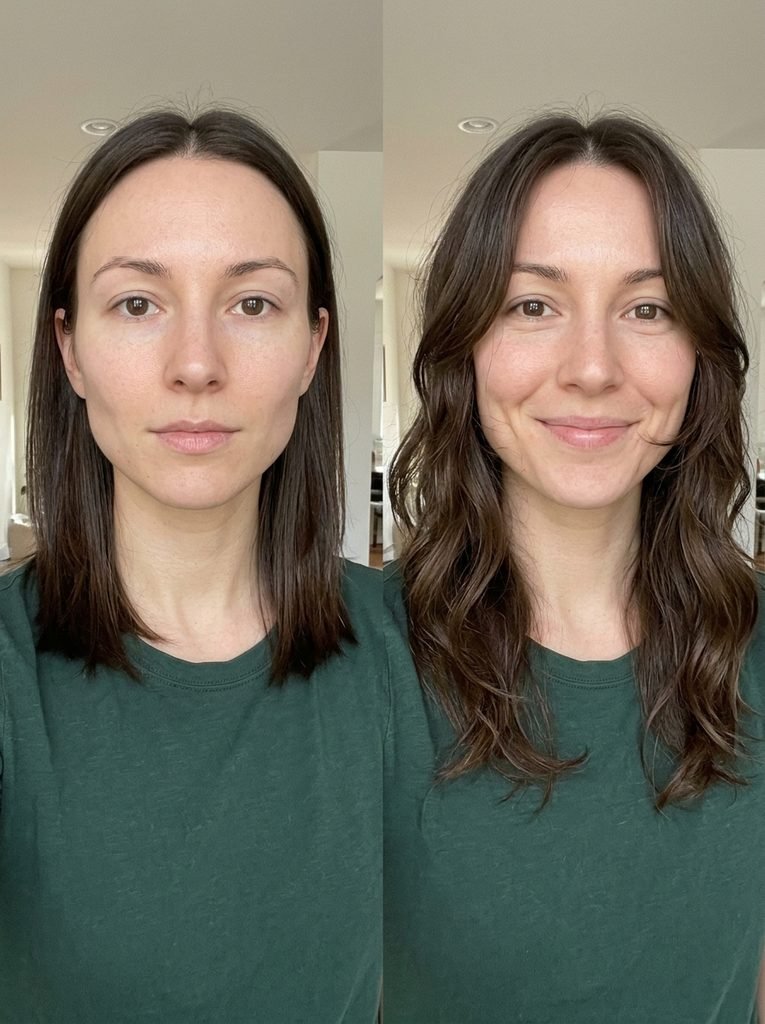
The forehead is the narrowest part of a diamond face, so a fringe has an extra job here. It can add apparent width at the top while sweeping attention away from the cheekbones. The type of fringe matters more than whether to have one at all.
| Fringe style | Effect at the forehead | Effect near the cheekbones | Upkeep |
|---|---|---|---|
| Curtain bangs | Parts in the middle and adds soft width at the temples | Longer ends sweep past the cheekbones on a diagonal | Low, and they grow out gently |
| Side-swept bangs | Covers part of the forehead on one side | Creates a slanted line across the widest point | Low to medium |
| Wispy, feathered fringe | Adds light coverage without a heavy edge | Leaves the cheekbones fairly visible | Medium, with regular trims |
| Blunt full fringe | Adds the most width at the top | Can make the lower face look narrower | High, with frequent trims |
| No fringe, deep side part | Keeps the forehead open | Hair falls across one cheekbone | Lowest |
Curtain bangs are the most forgiving choice for this shape. They widen the top of the face a little and the long ends travel right past the cheekbones. If you have never had them, the guide to curtain bangs and what to ask for explains how to describe the length so they land where you want them.
A blunt full fringe can work, but the edge matters. A hard, straight line looks strong against an already angular face, while a slightly broken or feathered edge reads lighter. A deep side part with no fringe is the quietest option, and it still covers the top of one cheekbone.
Jaw and Chin: How the Ends Should Land
The lower half of a diamond face tapers, and the goal is to keep that taper from looking sharp. Hair that finishes right at the chin in a straight, blunt line can echo a pointed chin. Ends with a slight bend, some texture, or a little weight just below the chin tend to look rounder.
Length is the easiest lever. A cut that lands between the chin and the collarbone adds width below the cheekbones, where a diamond face is narrower. That is part of the reason collarbone-length cuts get so much attention, and the lob haircut guide goes into exactly where the ends should sit and how to wear them.
For an angular jaw, the thinking shifts slightly. Straight lines that run parallel to the jaw repeat its angle. Soft curves, feathered ends and layers that move away from the face give the corner something to blend into. If you have a strong, squared jaw alongside high cheekbones, some ideas in haircuts for a square face shape apply here too, since the softening logic at the jaw is similar even though the cheekbones play a different role.
One thing to watch is heavily razored or point-cut ends. On fine hair they can look wispy and add an edge rather than a curve. A little texture is useful, and a lot of it can work against the softer finish you are after.

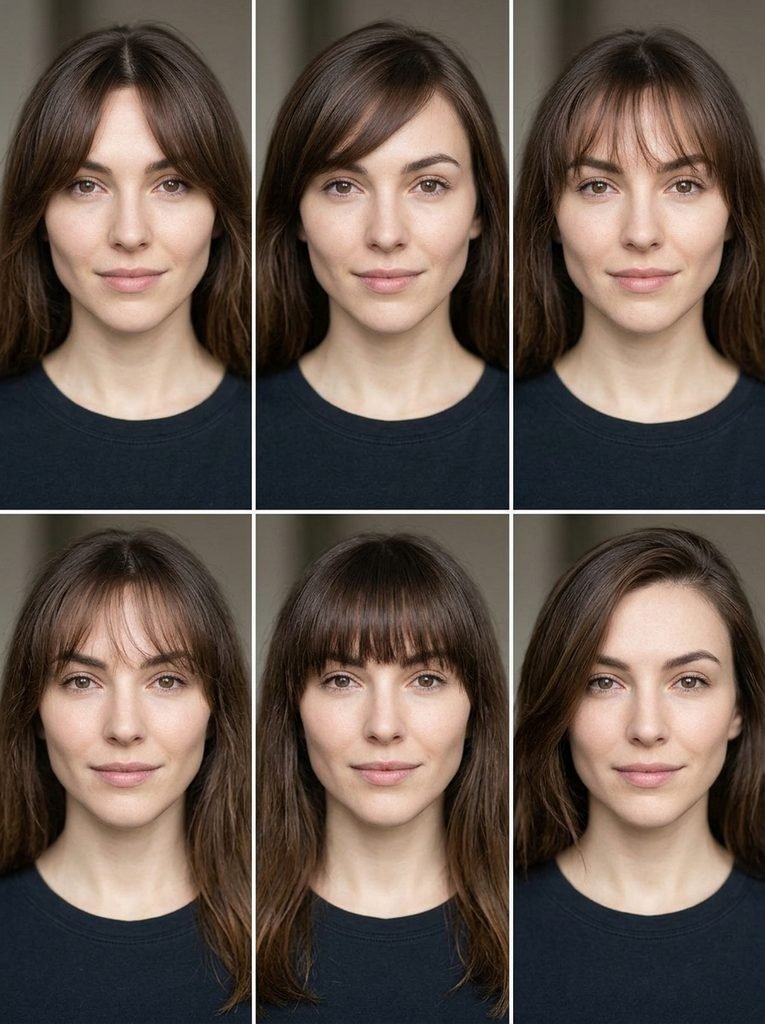
Six Haircuts Worth Saving to Your Board
These are the cuts that most consistently suit the softening goal. Each one handles the cheekbones and jaw in a slightly different way, so the right pick depends on how much length and upkeep you want.
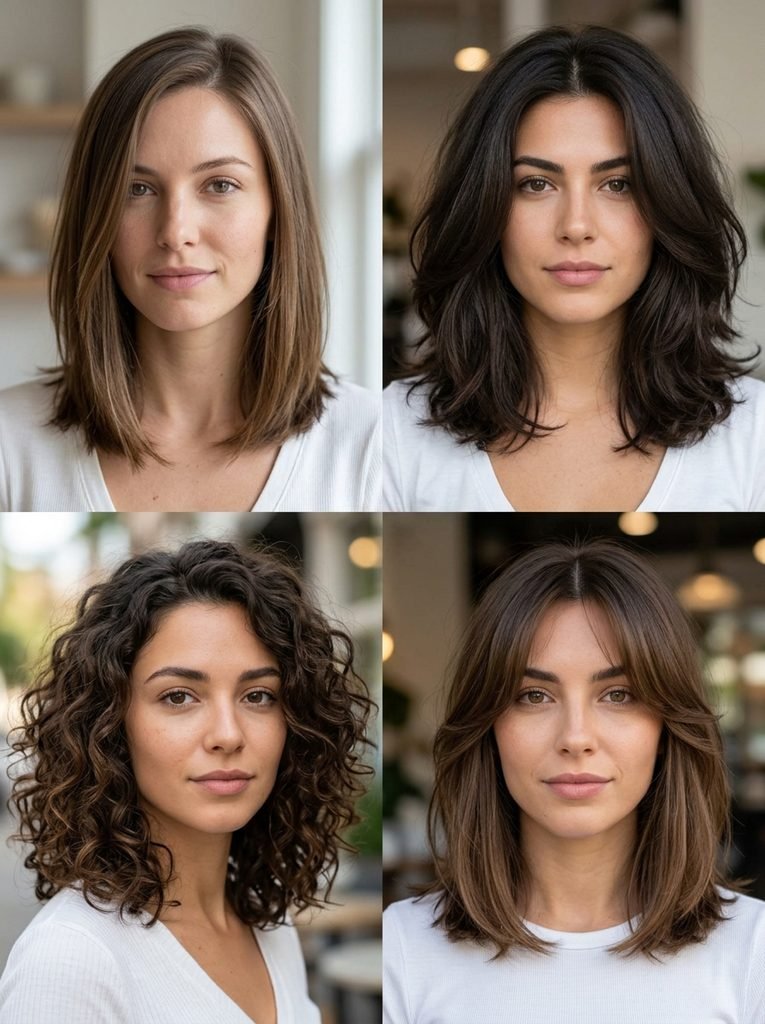
The Collarbone Lob With Soft Ends
The ends brush the collarbone and carry a slight inward bend. That adds width below the cheekbones and takes the focus off the chin. A deep side part keeps the top from looking flat.
Long Layers With Curtain-Style Face Framing
The pieces around the face begin near the cheekbone and fall past the chin, while the back stays long. The effect is a V-shaped diagonal that guides the eye downward instead of across.
The Chin-Length Bob With a Bend
A bob can look sharp on this shape when it is cut bluntly. Ask for a rounded perimeter and ends that curve slightly toward the face, so the hair meets the jaw with a curve instead of a point.
The Soft Shag With Wispy Fringe
Choppy layers add movement all over, and a wispy fringe widens the forehead lightly. The cheekbones are broken up by texture instead of being outlined by a clean edge.
The Textured Pixie With a Side-Swept Fringe
A pixie can still work. Keep length on top, leave some soft wisps near the temples, and sweep the fringe to one side so the cheekbones are crossed by a diagonal line rather than left fully bare.
Shoulder-Length Curls With Rounded Layers
Curls naturally add width below the cheekbones. A rounded shape, with the fullest part around the jaw and shoulders, balances the narrower chin without any extra styling.

Texture, Density and Parting: Small Details That Change the Shape
The same cut can look quite different depending on the hair it is made from. Fine hair tends to fall flat against the sides of the face, which can make the cheekbones and jaw look more defined. Asking for subtle layers around the jaw can give it a little lift without adding bulk.
Thick hair carries more weight at the ends, which usually helps a diamond face because the width sits low. The risk is too much bulk around the cheekbones. Having some weight removed through the middle lengths, while keeping the ends full, keeps the proportions balanced.
Curly and wavy hair has a natural advantage here, since curves are already built in. The thing to check is where the fullest part of the shape sits. If the volume peaks right at the cheekbones, the cut will emphasize them. If it peaks lower, around the jaw and below, the effect is softer.
Straight hair needs the most help from the cut itself. Bends, layering and a loose blow-dry add the curve that texture would otherwise provide.
Parting is the quiet adjustment. A deep side part lets hair fall across one cheekbone and breaks up the symmetry, while a sharp, flat middle part can make the face look more angular. A middle part works best when the hair around it has movement, such as curtain bangs or waves.
Styles That Sharpen Instead of Soften
A few choices tend to work against the goal, at least in their most extreme versions. They are worth knowing about, though none of them is a rule.
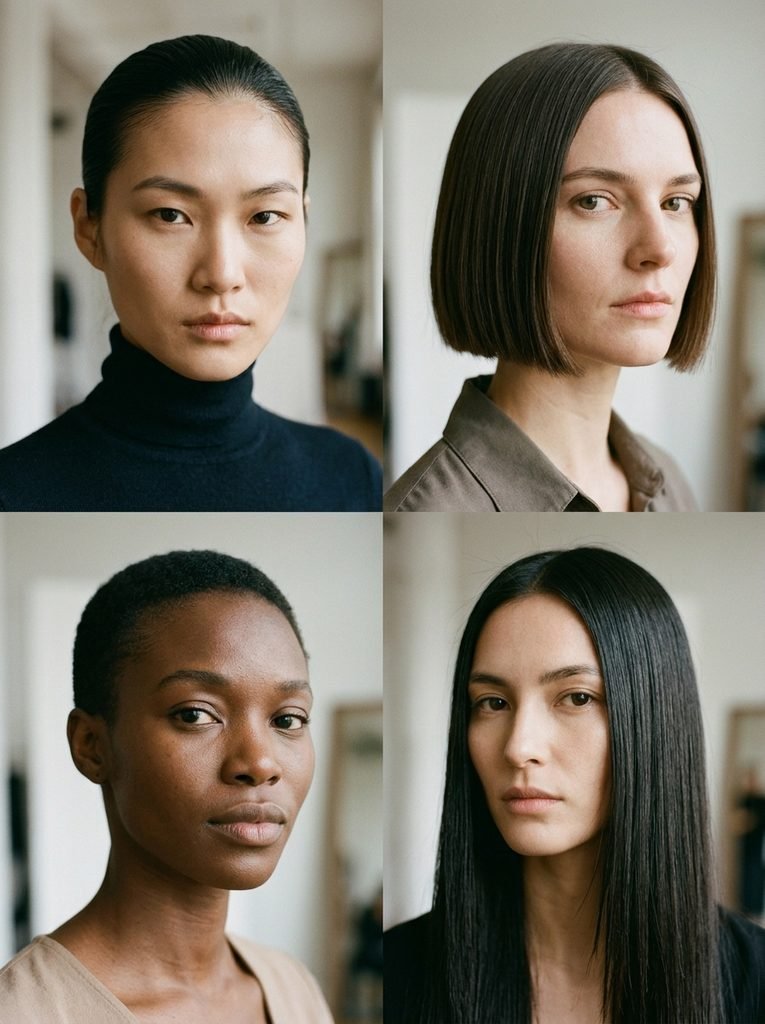
Severe, slicked-back styles. Hair pulled tightly away from the face exposes the cheekbones, jaw and chin all at once. Leaving a few loose strands around the temples and ears takes the edge off.
Blunt bobs that end exactly at the cheekbone. Anything that stops at the widest point makes it look wider. A bob that falls to the chin or just below behaves differently.
Very short crops with no length around the face. These put the focus on the bone structure. If you love a crop, keeping a little length near the temples and ears helps.
Heavy volume at the sides. Extra width at the cheekbone level adds to the widest part of the face. Volume works better at the crown and below the jaw.
Perfectly straight, flat lengths. Hair that falls like a curtain beside the face can repeat the angles of the cheekbones and jaw. A little bend or wave changes that.
A Light Touch With Colour
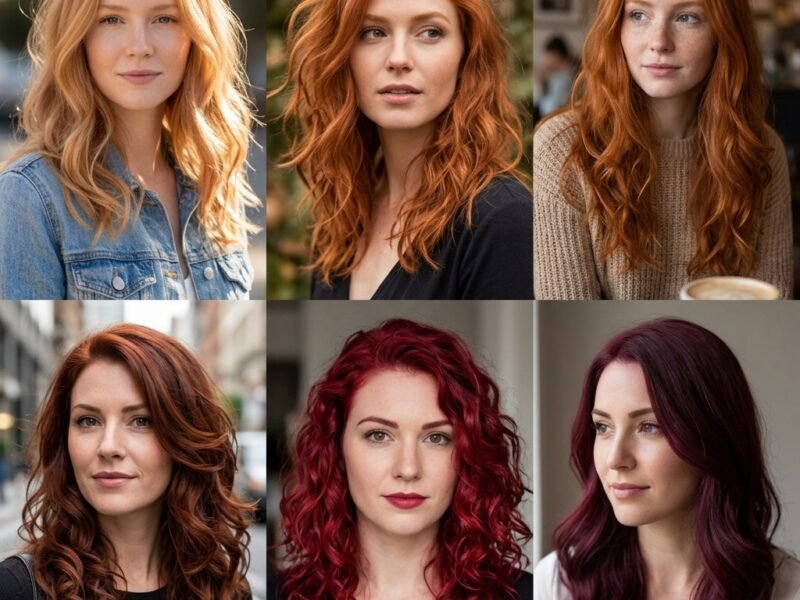
Colour is optional here, but placement can support what the cut is doing. Lighter pieces that sit around the jaw and chin draw the eye to the lower half of the face, which adds visual weight where a diamond face is narrowest. Soft, blended brightness near the ends also adds dimension to bends and waves.
The thing to be careful about is a bright, defined stripe right at the cheekbone. It can work the same way a layer ending there does, by marking the widest point. Blended tones that start lower and fade gently usually look more natural.
Any colour change comes with maintenance, so it is worth asking a colourist how often it will need refreshing before deciding. If you want only a small adjustment, a toner or a gloss can shift the overall tone without a large commitment.

How to Describe It at the Appointment
Saved photos are useful, but they can be misleading. A photo shows one person’s face shape, hair type and styling on a particular day. Bringing two or three pictures, ideally including one from the front and one from the side, gives a clearer idea of the shape you like.
Descriptions help even more than pictures. A few phrases that translate well:
- “I’d like the layers to start below my cheekbones.”
- “Can the ends have a slight bend so they don’t look sharp at the chin?”
- “I want face-framing pieces that sweep past my cheekbones, not stop at them.”
- “Could the fringe have a softer, feathered edge?”
- “I want to keep some weight at the ends so the width sits low.”
It is also fair to say what you are trying to soften. Saying “my cheekbones and jaw feel angular and I’d like a softer outline” gives the person cutting your hair something specific to work with. Then ask how the cut will sit on your particular hair type, since density, curl and growth patterns all change the result.
Common Questions
Can I wear a pixie cut with a diamond face?
Yes, with some adjustments. Leave length on top and a few soft pieces around the temples, and sweep the fringe to one side. A very tight crop puts the emphasis on the cheekbones and jaw.
Is a middle part a bad idea?
Not necessarily. A flat, severe middle part with straight hair can sharpen the face, while a middle part with curtain bangs or waves works well. The surrounding hair matters more than the part itself.
Should I avoid short layers?
Short layers that end at the cheekbone usually emphasize that area. Layers that begin lower, around the chin or beyond, tend to be softer.
How often will these cuts need trimming?
Shorter shapes like bobs and fringe tend to need attention more often, since the ends and fringe length make the shape. Longer layered cuts are generally more flexible. Your stylist can suggest a schedule that suits your hair.
Before You Book
A diamond face does not need to be hidden or corrected. Haircuts simply shift the emphasis, and the ones above do it by adding softness at the forehead, movement at the jaw and diagonals across the cheekbones.
If you only try one change, start with where the layers begin and how the ends land near the chin. Those two details do most of the work. Pick a photo or two that you like, describe the outline you want, and let the details of length and texture follow from there.



Leave a Reply