Face-shape hairstyling advice tends to repeat itself. Wider forehead, narrower chin, add volume at the jaw, done. Most guides stop there without explaining why any of it works.
Heart-shaped faces actually have far more room to play than most lists suggest. Soft layers, sharp bobs, curtain bangs, long waves, and even blunt cuts can all flatter this shape, depending on how the rest of the haircut is balanced.
Heart-shaped faces are also one of the most common shapes, so reference photos are never in short supply. The problem is that most of those references get shared without any explanation of why the style works, which leaves people guessing at their next salon appointment.
This guide breaks down what actually works, why it works, and a few choices worth approaching carefully, so a new hairstyle feels intentional rather than accidental.
How to Recognize a Heart-Shaped Face
Before picking a cut, it helps to confirm the shape being worked with, since guesses are wrong more often than expected.
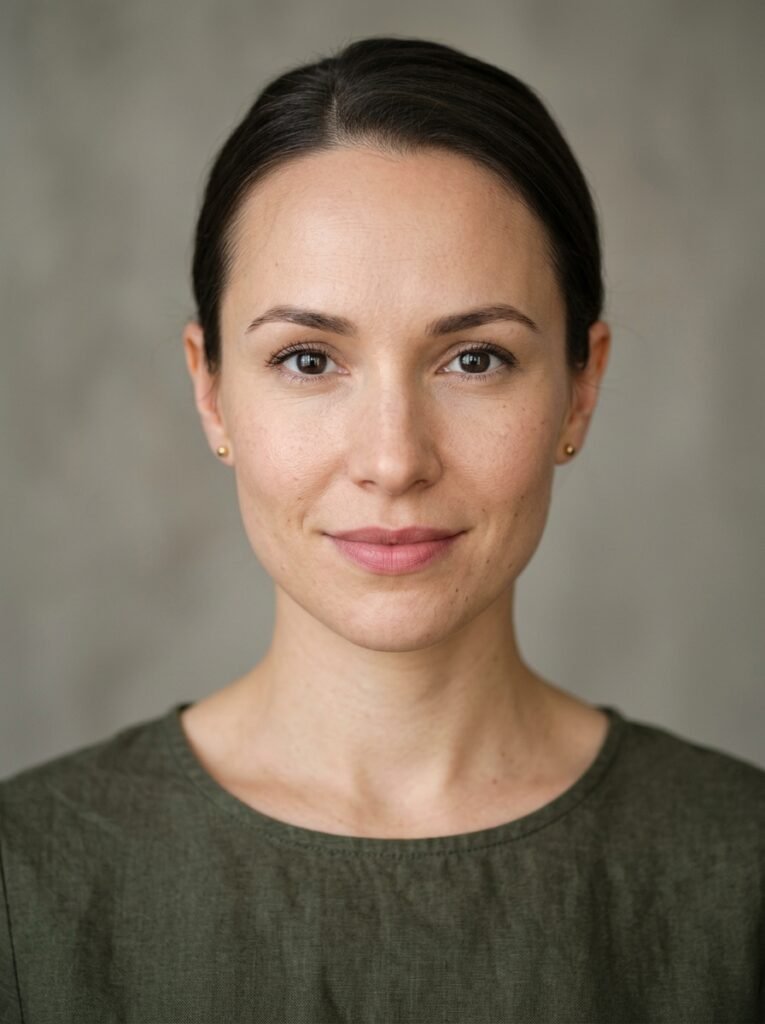
A heart-shaped face typically shows:
- A broader forehead compared to the rest of the face
- Cheekbones that sit slightly wider than, or similar in width to, the forehead
- A chin that narrows to a point, sometimes with a slight taper toward the jaw
Hair pulled fully back should reveal an outline close to an upside-down triangle with a softened point at the bottom. Reese Witherspoon and Scarlett Johansson are frequently cited as heart-shaped face references, which helps picture the effect.
The shape is also easy to confuse with an oval or round face, especially when the chin taper is subtle. The clearest giveaway is the forehead-to-chin ratio. A forehead noticeably wider than the jawline, paired with a chin that tapers to a soft point, signals a heart shape rather than something else.
Once the shape is confirmed, the styling goal becomes straightforward. The width up top needs softening, while the jaw and chin benefit from a little added visual weight, without tipping the whole look top-heavy.
Why Balance Is the Whole Strategy
Nearly every recommendation in this guide traces back to a single idea: proportion, not disguise. Stylists rarely aim to hide a heart-shaped face. They aim to bring its widest and narrowest points closer into balance.
Research on facial proportion supports why that balance matters visually. A retrospective analysis published in Plastic and Reconstructive Surgery – Global Open compared dozens of facial measurement points across pageant finalists and found that specific proportional relationships, not any single feature, aligned most closely with perceived attractiveness. The takeaway for everyday styling is simple: small shifts in visual balance change how a whole face reads, well before any single feature gets a second look.
Applied to a heart-shaped face, that means softening width at the forehead and crown while building gentle visual weight near the jaw and chin. Every cut, part, and styling habit below works because it leans on one side of that balance or the other.
Best Cuts for a Heart-Shaped Face at a Glance
Anyone scanning for quick direction before a salon visit can start here:
- Long layers starting around the chin or below balance the face beautifully
- A soft curtain fringe softens a wider forehead without hiding it completely
- Chin-length bobs and lobs add width right where a heart-shaped face needs it
- Side-swept styles generally outperform a tightly pulled middle part
- Heavy volume right at the crown tends to exaggerate forehead width
The sections below break each of these points down in detail, since the specifics matter more than the shorthand.
Best Haircuts by Length
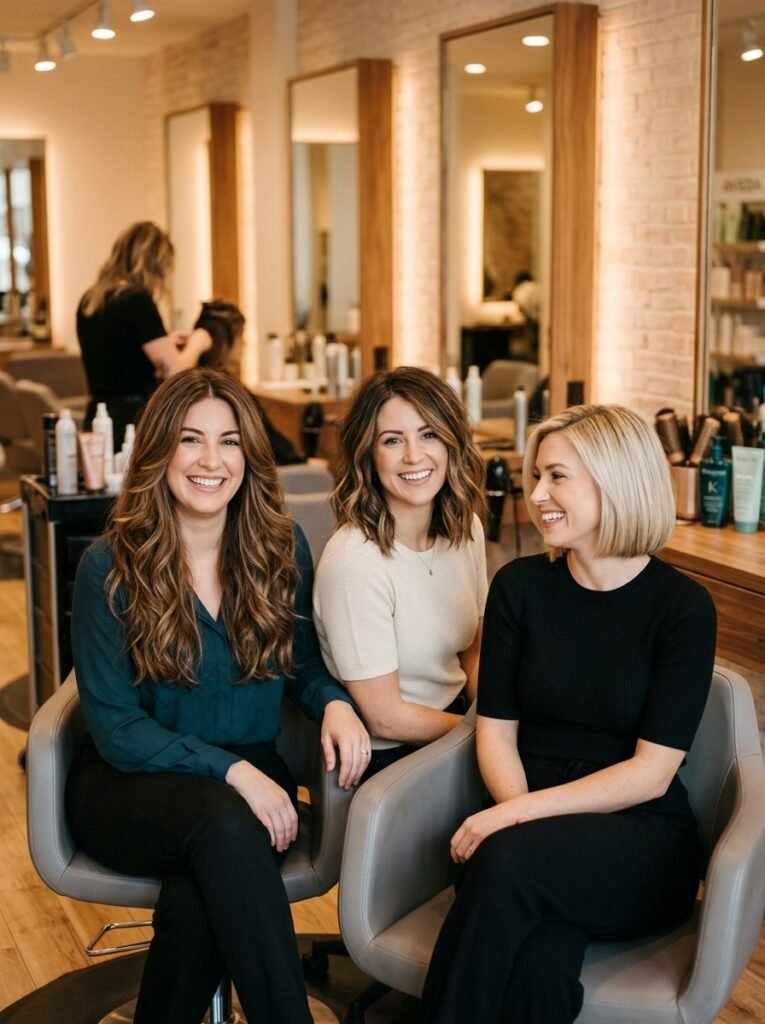
Long hair ranks among the easiest lengths to work with on a heart-shaped face. Long layers starting at or below the chin soften the taper toward the chin and keep the overall silhouette balanced. Waves or loose curls add further softness, since a heart-shaped face generally looks best when hair isn’t pin-straight and flat against the jaw.
Medium-length hair, particularly a lob or shoulder-grazing cut, may be the single most flattering length for this face shape. The ends land exactly where the face needs extra width, which balances a broader forehead naturally.
Short hair works too, though it needs a bit more intention. A blunt bob hitting right at the jawline adds width exactly where it’s needed. Pixie cuts also work well, usually looking best with texture or slight length left around the face rather than a fully cropped, tapered style that pulls attention back up toward the forehead.
Curly and textured hair holds a natural advantage here, since curls already add width and movement lower on the face with little extra styling effort. The main risk is volume concentrated too high at the roots, which can happen when layers start too close to the crown. Asking a stylist to shape layers so the fullest part of the curl pattern sits around the cheekbone and jaw, rather than at the top of the head, keeps that balance working in favor of the face shape.
Bangs Worth Considering
Bangs come up constantly in heart-shaped face styling conversations, and the honest answer is a solid yes, with the right kind.
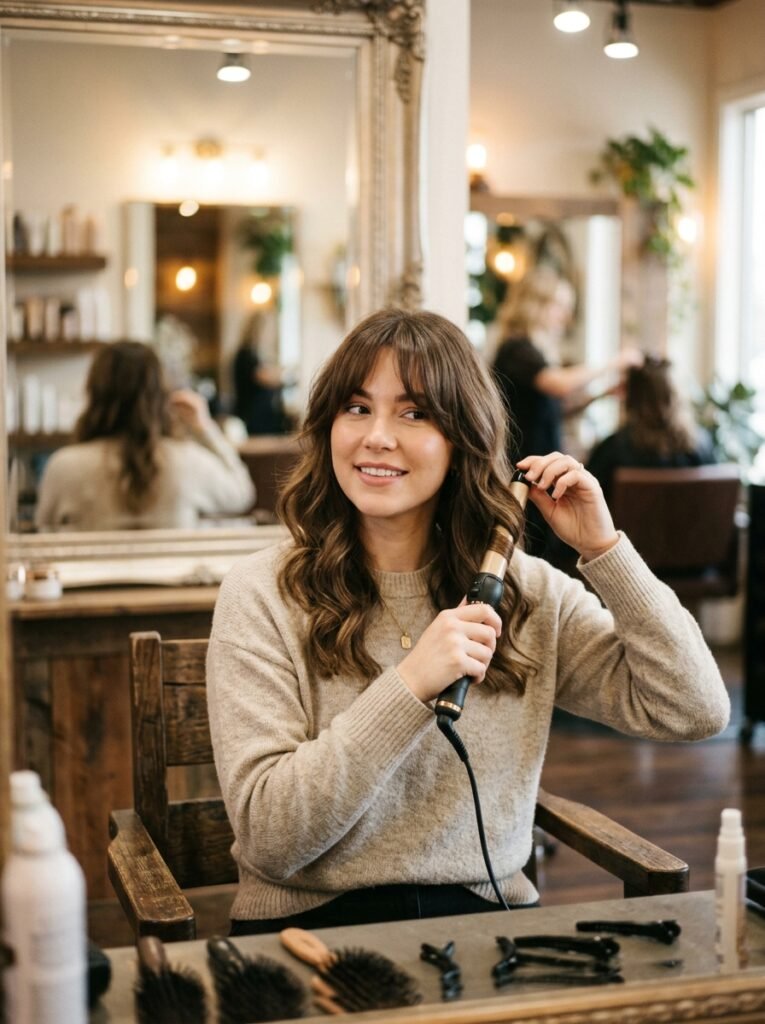
Curtain bangs are the easiest option. They part naturally down the middle and sweep to the sides, softening the forehead without covering it entirely, which keeps the whole look from feeling heavy.
Side-swept bangs work well too, particularly for anyone wanting a lower-maintenance option that grows out more gracefully.
A heavy, blunt, straight-across fringe tends to work less well. It can emphasize forehead width rather than soften it, and it sometimes makes the chin look even narrower by comparison. A wispy, textured fringe usually solves the issue for anyone who loves a blunt look but wants it to read softer.

Real Examples Worth Studying
Seeing how these choices play out in practice often clarifies the theory faster than reading about it alone.
Stylists frequently describe clients with a clear heart-shaped face switching from a short, cropped pixie to a longer bob that hits the collarbone, paired with soft curtain bangs. The forehead width immediately reads as less dominant, and the jawline appears more balanced without any change to the underlying features.
Reese Witherspoon’s public appearances offer another useful reference. Her hair is almost always styled with movement around the chin, whether through soft waves or layered ends, and it’s rarely pulled back into anything severe or flat.
A third common case involves a heavy, blunt fringe paired with sleek, tightly pulled-back hair. That combination often draws more attention to the forehead than intended. Switching to a softer side part with loose waves tends to fix the imbalance almost instantly.
Face-Framing Details That Make the Biggest Difference
Beyond the overall cut, a handful of smaller details change how a hairstyle reads on a heart-shaped face.
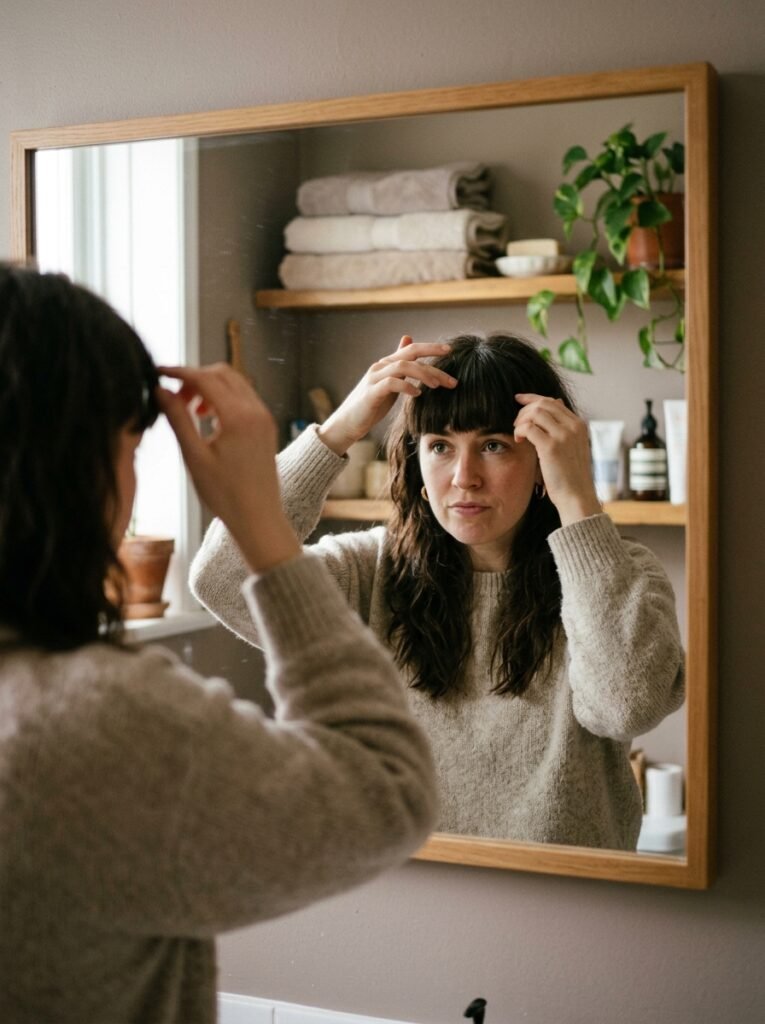
Parting matters more than most people expect. A deep side part tends to flatter more than a razor-sharp middle part, since it breaks up forehead symmetry slightly and softens the upper half of the face.
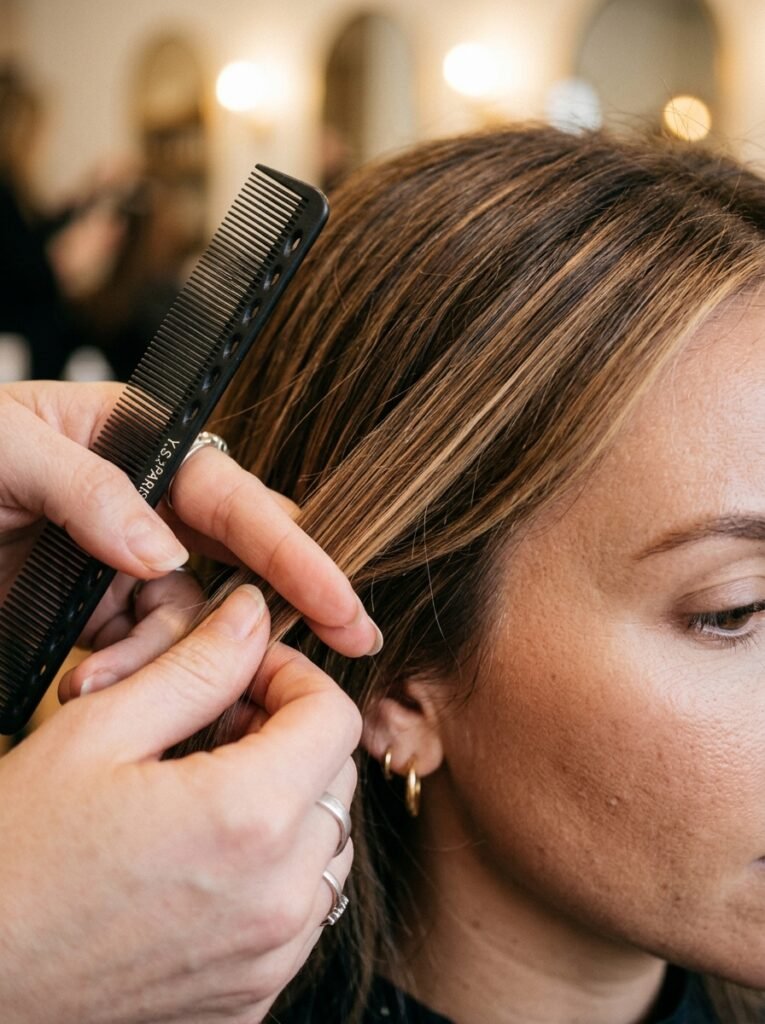
Layers should start at or below the cheekbone. Layers beginning too high, right around the crown, add volume in the spot that’s already the widest part of the face shape.
Color placement helps too. Face-framing highlights placed lower, around the jaw and chin, draw the eye downward and add the same kind of visual balance a haircut provides. Anyone considering a color change alongside a new cut should mention this directly to their stylist.
These same balancing principles shift considerably for other face shapes. Readers curious how the logic changes elsewhere can compare it against this breakdown of the best hairstyles for round faces, where the goal of adding or softening width works almost in reverse.
Styles That Need a Careful Approach
A few specific choices tend to work against a heart-shaped face more often than they work for it, at least without some adjustment.
Very high volume at the crown. Teased roots or significant height at the top of the head add visual weight exactly where the face is already widest.
Slicked-back styles with no softness. A tight, fully pulled-back style with no face-framing pieces left loose can make the forehead look even more prominent by comparison.
Extremely blunt, heavy fringe. As covered earlier, a hard, straight-across bang tends to fight the natural taper of this face shape rather than work with it.
Very short, tapered pixies with nothing left around the face. These can still work on a heart-shaped face, but they need texture near the temples and cheeks, otherwise the eye goes straight to the forehead’s width.
None of these are hard rules that can never be broken. Plenty of people make these styles work beautifully. It usually just takes a slightly different approach than what suits other face shapes.
Updos and Special-Occasion Styling
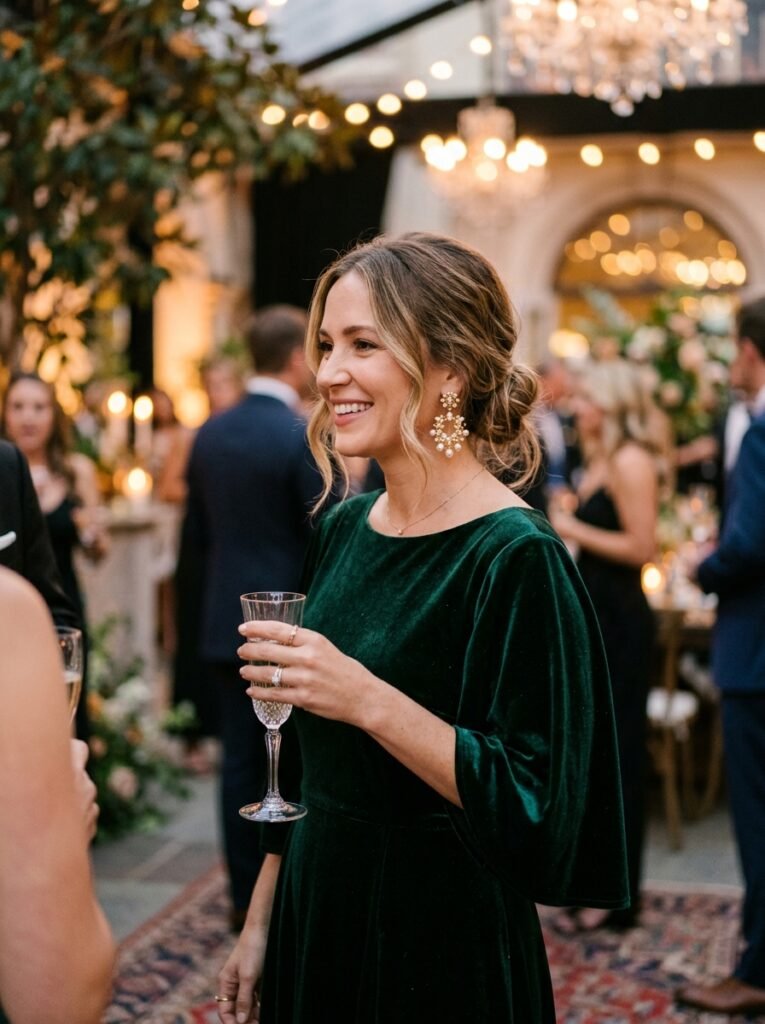
Special occasions usually call for hair pulled back at least partially, and this is where a heart-shaped face can run into trouble without an obvious explanation. A style that looked great down can suddenly feel unbalanced once it’s swept up.
The fix is usually simple. Instead of pulling every strand back tightly, a few soft face-framing pieces left loose around the temples and cheeks restore the balance. A low bun or loosely gathered updo tends to work better than anything high and tight, since height at the crown adds volume in the widest part of the face.
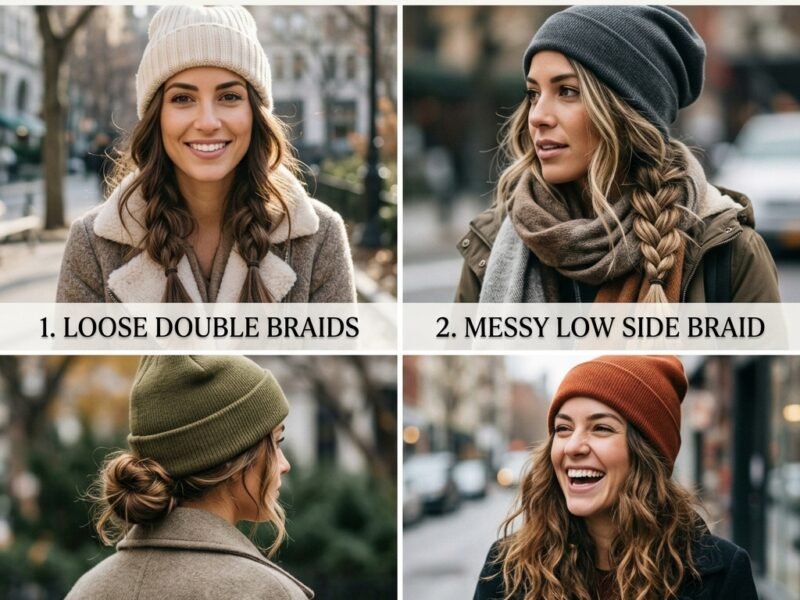
Braided styles work well too, especially ones with some looseness rather than a slicked, sleek finish. A braid starting a little lower, near the ear rather than right at the hairline, keeps some visual softness near the jaw.
When an event calls for hair fully pulled back with no loose pieces at all, statement earrings can pull visual attention downward instead, which restores balance even when the hairstyle itself can’t.
Quick Styling Habits for Everyday Wear
Beyond the initial haircut, small daily styling habits make a real difference in how the shape reads.
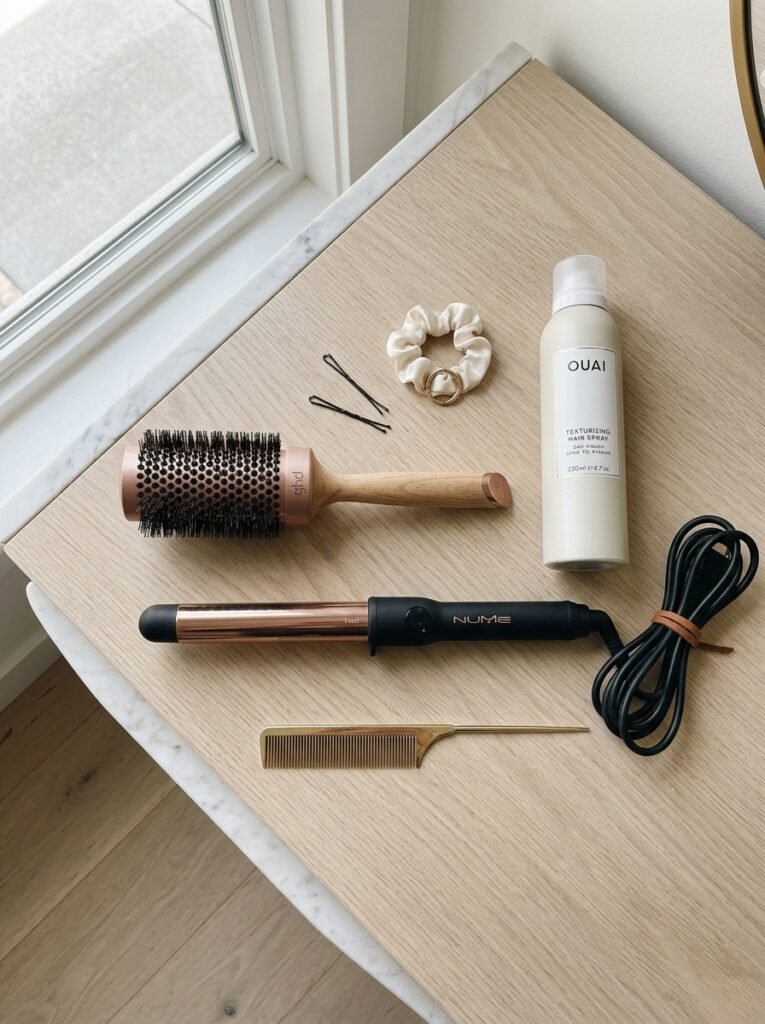
- A round brush during blow-drying adds slight volume near the ends rather than at the roots
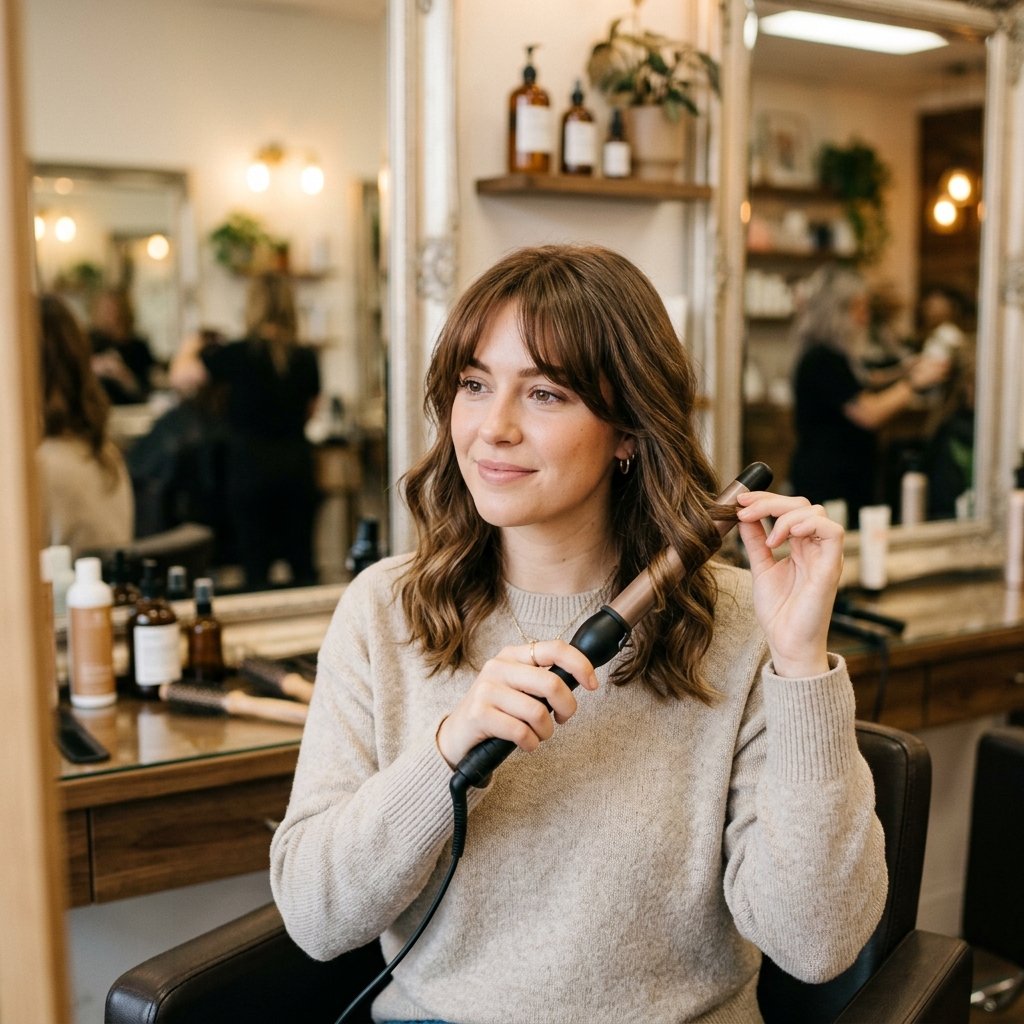
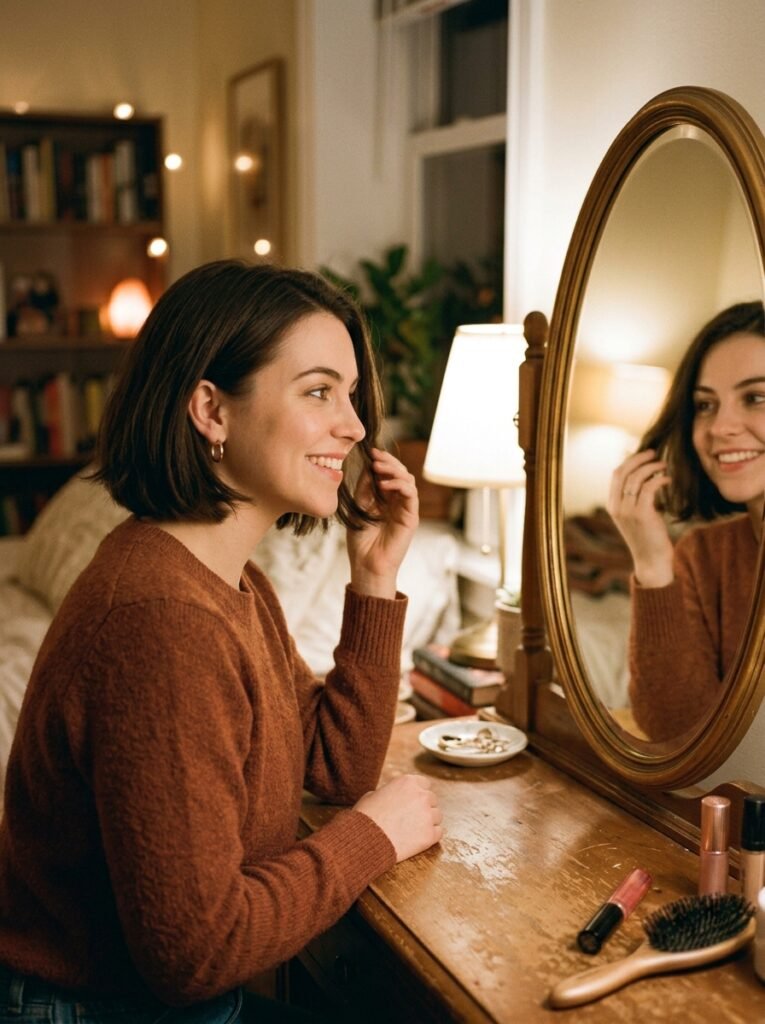
- Loose waves, even a quick five-minute curl with a wand, add width lower on the face in a way flat, straight hair doesn’t
- Switching up a habitual middle part occasionally keeps the forehead from becoming the most obvious focal point
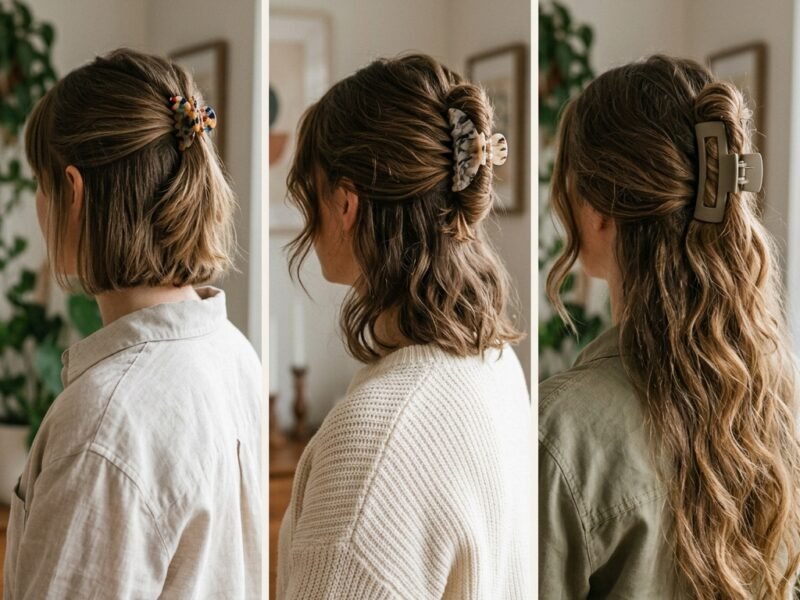
- Face-framing pieces left loose around a ponytail or updo soften the whole look, even on days hair gets pulled back
- Texturizing spray at the ends of a bob or lob keeps that width from looking flat or one-dimensional
- Curling just the bottom half of long hair, rather than the whole length, adds targeted width near the jaw without changing the texture up top
- A light hold gel or cream on curtain bangs helps them sit softly to the sides instead of springing back toward the center of the forehead
Frequently Asked Questions
Is a middle part always bad for a heart-shaped face? Not always. It depends on the rest of the cut. A middle part paired with soft waves or curtain bangs works fine. A severe, flat, pulled-back middle part with no movement tends to be less flattering.
What’s the single best haircut for a heart-shaped face? A chin-to-shoulder length lob with soft layers and a deep side part is usually the safest, most universally flattering option, though plenty of other lengths and cuts work well too.
Can a heart-shaped face still wear a pixie cut? Yes, especially with some length and texture left near the temples and cheeks rather than a fully cropped, tight style all around.
Do heart-shaped faces need bangs? No, bangs aren’t required. They’re one flattering option among several. Plenty of heart-shaped faces look great without any fringe, especially with the right layering and parting.
Does hair color actually make a visible difference here? It can, particularly with strategically placed highlights or lowlights near the jaw, which help balance forehead width the same way a haircut does.
How often do these cuts need a trim to stay balanced? Roughly every six to eight weeks for shorter cuts like a bob or lob, since the shape relies on the ends landing in a specific spot. Longer, layered cuts have more flexibility and can usually stretch to ten or twelve weeks between trims.
Will these cuts work with fine or thin hair? Yes, though it helps to ask a stylist for layers that add the appearance of fullness near the jaw specifically, since fine hair can fall flatter than intended without extra shaping there. Anyone dealing with fine strands more broadly can also find useful techniques in this guide to hairstyles that make thin hair look thicker, many of which pair well with heart-shaped face balancing.
Final Thoughts
A heart-shaped face has more styling flexibility than most generic guides give it credit for. The core idea stays simple even as the options vary: soften the width up top, add a little visual interest near the jaw and chin, and avoid anything that pulls attention straight back up to the forehead.
From there, it comes down to personal preference. Long waves, a chin-length bob, curtain bangs, and even a well-styled pixie can all work beautifully once the basic balance is in place.
Bringing reference photos to the next appointment helps translate these ideas into a real cut. A quick conversation with a stylist about how a specific style will sit on an individual face shape is worth having before committing to anything drastic.


[…] combo, and anyone considering a specific silhouette for date night might find inspiration in these hairstyles worth trying for a heart-shaped face. When the outfit already does a lot of the talking, like a bold dress or a statement coat, keeping […]