

Choppy is a risky word in hair. Said about a cut that went wrong, it means uneven and unplanned. Said about a shag, it describes the whole idea. The layers are cut at different lengths on purpose, so the finished shape sits full and rounded on top, lighter around the edges, and slightly tousled even when nothing has been styled.
That contrast explains why the shag haircut fills so many saved boards, and why a single photo can lead to very different results. One person pictures long, soft layers that skim the shoulders. Another pictures a cropped outline with a short fringe. Both are shags, and both get the same name.
This guide breaks down what the choppy layers actually do, how to read a reference photo, which shapes and fronts are worth considering, and how to style the cut at home with three different finishes.

What “Choppy” Really Means in a Shag Haircut
In a shag, choppy describes how the layers end, not only how short they are. Instead of one clean line, the ends are broken up so neighbouring pieces fall at slightly different lengths. Light passes between them, and the hair separates into visible sections rather than hanging as a single curtain.
According to Luxe Digital’s shag guide, stylists create this broken texture with point cutting, slide cutting or a razor, and the textured (rather than blunt) layers are what make a cut read as a shag. For a wider look at layer vocabulary beyond the shag, this guide to layered haircuts and what to ask for is a useful companion.
Three zones do most of the work.
The Crown
Short layers on top create lift and a rounded outline. The shorter they are, the bolder and more retro the shape looks. Longer crown layers give a gentler, blown-out feel that sits closer to everyday layered hair.
The Face Frame
Layers that begin around the cheekbones, jaw or chin angle toward the face and swing whenever you turn your head. This is the part most people notice first in photos, and it is usually the detail worth describing most carefully to a stylist.
The Ends
Tapered, uneven ends keep the perimeter airy and give the cut its feathery edge. If too much is removed, they can look sparse, which is why a fuller bottom edge is a common request for fine hair.
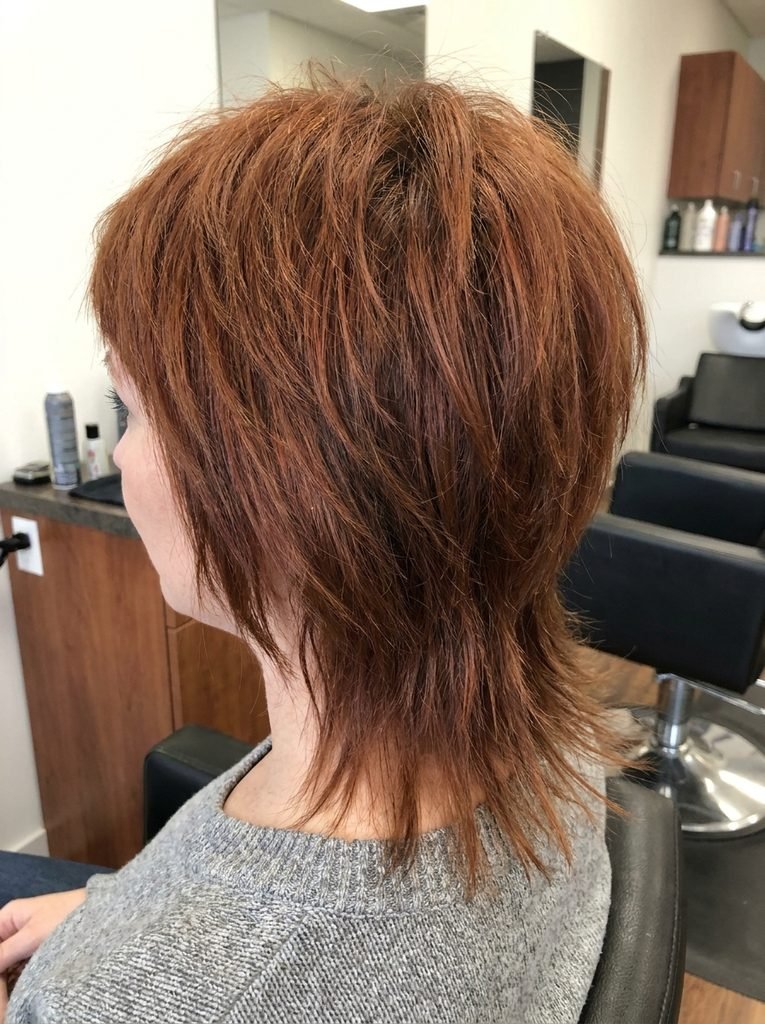
Where the Shag Came From, and Why Today’s Version Looks Softer
Stylist Paul McGregor is usually credited with the original shag. According to Luxe Digital, he cut one for Jane Fonda around 1969, and she wore it in the 1971 film Klute, which gave the style its nickname. Musicians such as Joan Jett and David Bowie later wore their own versions, which is part of why the cut still carries a slightly rebellious, music-scene feel.
The modern interpretation is looser. It tends to be longer, often falling past the shoulders, with the choppy layers kept and the wild volume toned down. That is the version most people save today, and it is the reason the shag now covers everything from cropped cuts to waist-length hair.

How to Read a Shag Photo Before You Save It
A reference photo shows styled hair, not a haircut. Before pinning an image, check three details that survive the styling.
The first is the position of the shortest layer. If it sits only at the crown, the shape is subtle. If it starts near the cheekbones, the layers frame the face and the cut reads as obviously shaggy. A back view, when one is available, shows how far the layers travel down toward the nape.
The second is how the ends finish. Wispy, see-through ends suggest heavy texturing, which looks light in a photo but needs good density to repeat. Fuller, softly broken ends point to a gentler approach that is easier to live with.
The third is how much hair sits on top compared with the hair below. A big rounded crown over much longer, thinner lengths usually belongs to the wolf cut, which has a sharper step between sections and is covered in this guide to a wolf cut for women. A shag tapers more gradually from top to bottom.
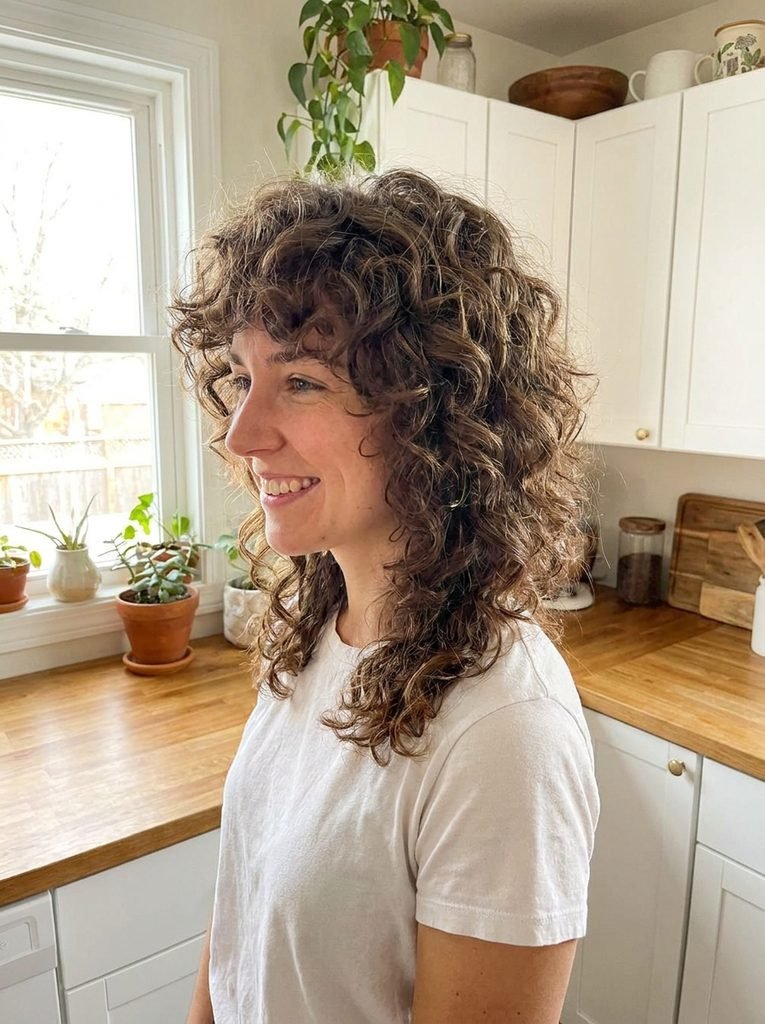
Also look at the hair type in the picture. A diffused curly shag and a blow-dried straight shag can share a name and look nothing alike, so a photo featuring hair similar to yours is a more honest guide. Lighting matters too. Backlit shots add a glow and volume that flat indoor light will not reproduce.
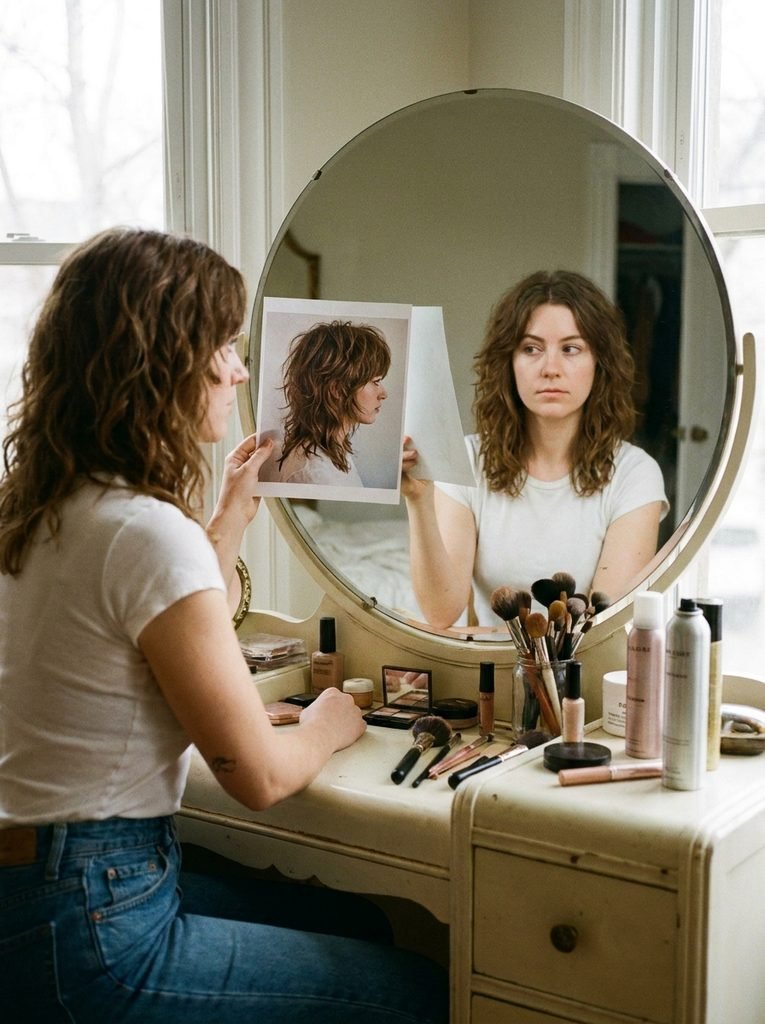
Shag Shapes Worth Saving: Long, Mid-Length, Cropped and Bob
Length changes the personality of the cut more than almost any other choice.
The Long Shag
Layers begin around the cheekbones or chin, and the length stays well past the shoulders. From the front it looks like a rounded, feathery layered cut. From behind it keeps a long, tapered line. It is the most forgiving option for anyone nervous about losing length, and it grows out without an awkward phase.
The Mid-Length Shag
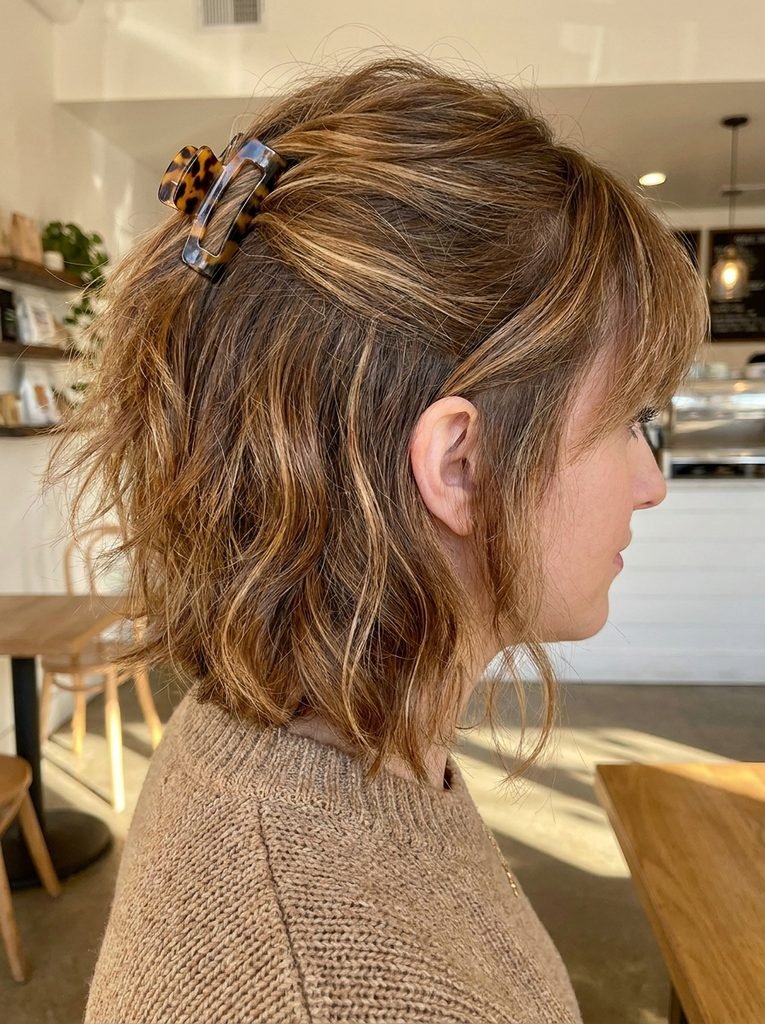
Between the collarbone and the shoulders, the layers are clearly visible and the hair still has room to move. This is the shape most people picture when they hear the word, and it pairs well with a fringe. It can be pulled half up, though the shortest pieces will slip out around the face.
The Cropped Shag
Sitting around the jaw or higher, a cropped shag looks closer to a textured pixie with a little extra length at the nape. It shows more of the neck and ears, dries quickly and has an edgy, spiky outline. The trade-off is upkeep, because a shape with so little length loses its outline sooner.
The Shaggy Bob
A chin-length bob with choppy layers built inside it is the middle ground for people who like structure. The outline stays a bob, while the layers give it motion and a fuller crown. It reads neater than a full shag and keeps most of the texture.
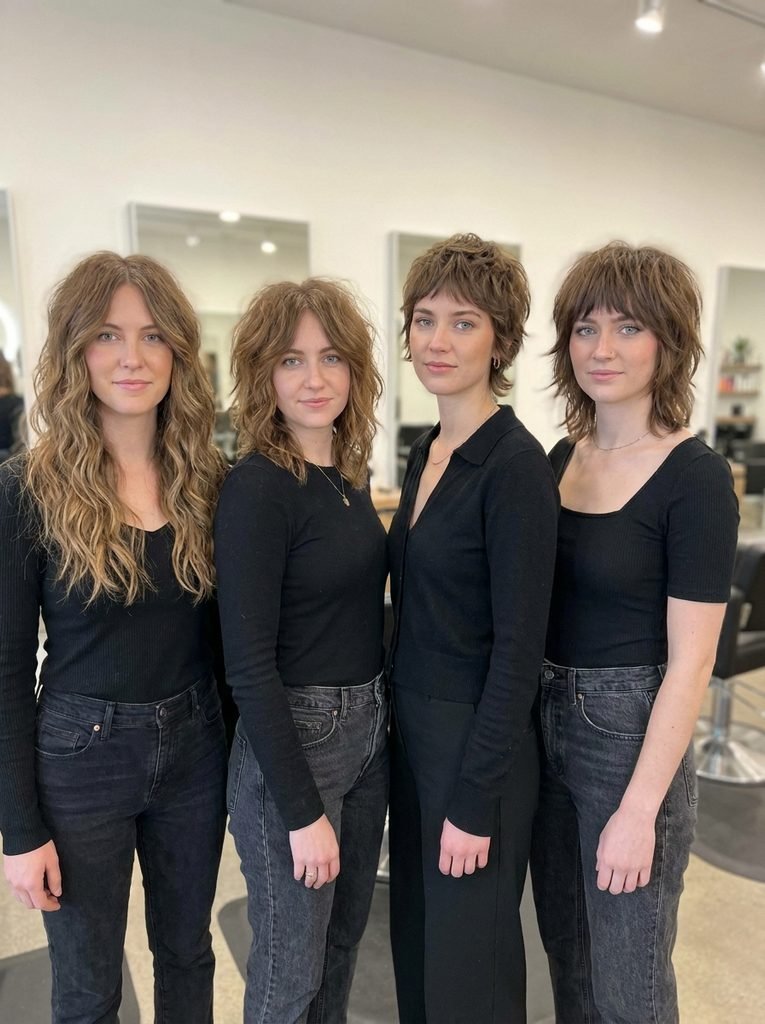
The Front of the Shag: Fringe, Curtain Pieces or Nothing at All
The front of the cut changes its mood quickly. A choppy fringe that grazes the eyebrows gives a graphic, slightly punky edge and keeps attention on the eyes. A longer fringe that lengthens toward the sides blends into the face-framing layers and feels much softer.
Curtain-style pieces sit between the two. Parted in the centre and swept outward, they make a shag look more relaxed and are easier to grow out. For more on asking for them, see this guide to curtain bangs and how to style them grown out.
Skipping bangs altogether is a perfectly good choice. Long face-framing layers can deliver most of the shaggy effect with far less daily attention. The one caution for anyone who does choose a short fringe is that it grows quickly, and Luxe Digital suggests booking an extra fringe trim between full haircuts.
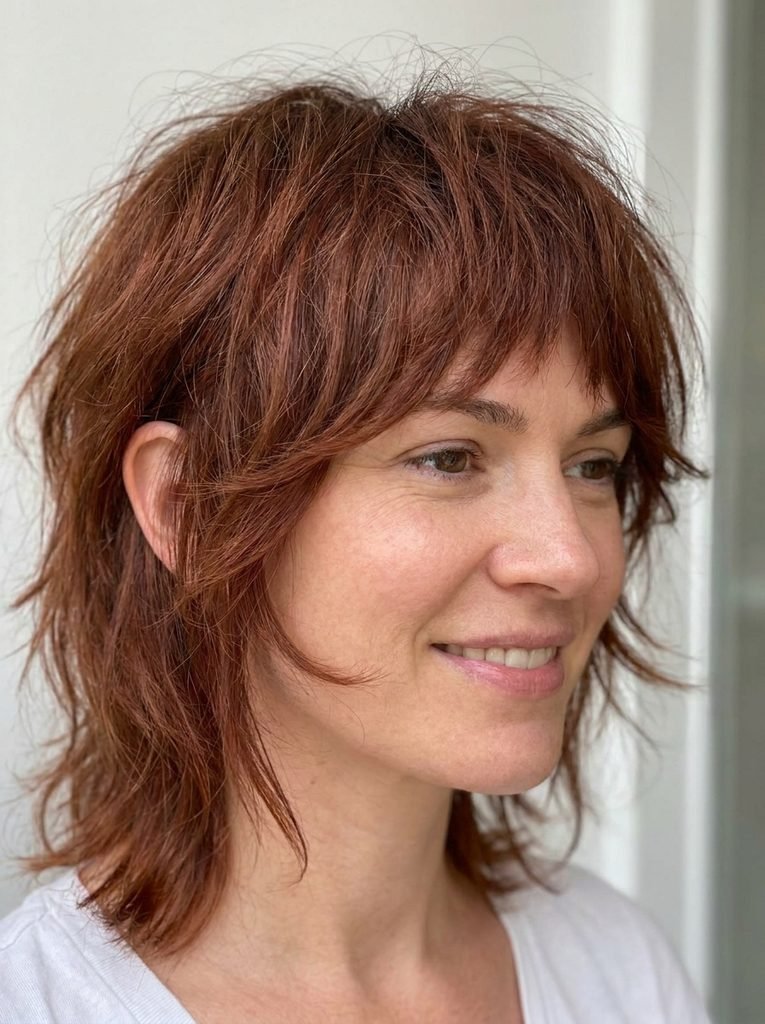
Matching the Shag to Your Hair Texture
Wavy hair is often described as the easiest match. Cosmopolitan UK, as quoted by Luxe Digital, calls it the ideal type for a shag. The waves give the layers a natural bend, so the finish looks styled with very little effort.
Curly hair suits a fuller, more rounded shag, but the cutting method matters. Luxe Digital recommends asking for a dry cut with scissors, which lets the stylist work curl by curl and allow for shrinkage.
Straight hair can wear a shag, although the layers need more help to show. Without a little styling they may lie flat and read as ordinary layers. A texture spray and a rough blow-dry usually solve that.
Thickness is the last variable. Thick hair benefits from the weight removal, but it helps to ask how the stylist plans to handle the bulk so the shape does not turn into a triangle. Fine hair can work too, provided the ends keep some weight and heavy thinning is avoided.
Three Ways to Style a Shag
The cut is meant to look lived in, but there is more than one way to get there. Each finish below starts with hair that is damp rather than dripping.
The Air-Dried Finish
This is the lowest-effort route and suits waves and curls best. Work a light salt spray through wavy hair, or a curl cream through curls, then scrunch upward and leave it alone. Touching hair while it dries breaks up the pattern and invites frizz. On humid days, this routine for controlling frizzy hair in humid weather adds a helpful prep step.
The Rough-Dried Finish
This one suits straight or slightly wavy hair that needs some encouragement.
- Apply a light mousse or root spray to damp hair.
- Flip your head upside down and dry the roots first, lifting with your fingers.
- Pass the dryer briefly over the lengths without a brush.
- Twist a few pieces around the face and finish with a texture spray.
Luxe Digital points out that texture sprays tend to help a shag more than serums or oils, which can weigh the layers down.
The Smoothed Finish
For a dinner or a meeting, use a small round brush on the fringe and the face-framing layers, then add a touch of smoothing cream. Leave the back and crown with their natural texture. The mix of a polished front and a textured back looks intentional rather than flat.

Common Mistakes That Flatten Choppy Layers
Too much product is the usual culprit. Heavy creams and oils near the roots pull the crown down, and the layers lose their separation. A small amount, kept mostly through the mid-lengths and ends, goes much further.
Brushing dry hair with a paddle brush is another. It blends the pieces back together and erases the choppy definition. A wide-tooth comb or simply your fingers keeps the sections apart.
Straightening every strand from root to tip is a quieter mistake. A flat-ironed shag can look like a plain layered cut, because the bend that gave each layer its character has been pressed out. If you use heat, leave some movement in the ends.
Shag Looks by Occasion
The same cut can read very differently depending on how much finishing it gets.
For a Workday
A smoothed finish with the fringe brushed into place and one or both sides tucked behind the ears keeps things tidy while the crown stays full. A loose, low half-tie also works when hair needs to stay off the face.
For a Weekend
Air-dry with salt spray, scrunch, and head out. Luxe Digital notes that Matrix describes a shag as looking better on day two than on day one, so a second-day shake and a little dry texture is often all it needs.
For an Evening Out
Define the face-framing pieces with a small curling iron turned away from the face, add a little shine to the ends, and leave the crown full. The result looks dressed up without losing the tousled shape.
For Travel or Gym Days
Pin the front pieces back with a few flat clips and tie the lengths low. The shortest layers will escape, but on a shag that looks like part of the design.

Color, Clips and Finishing Touches
Soft dimension makes layers easier to see, especially in photos. A few lighter strands near the face or gentle highlights through the crown give the eye something to follow, while a single flat color keeps the focus on the silhouette. Both look good, so it comes down to whether you want the haircut or the color to lead.
Accessories work best when they respect the layers. A small claw clip at the crown lets the shorter pieces fall around the face. A wide headband adds a vintage touch that suits the cut’s 1970s roots. Tucking one side behind the ear shows off earrings and the shape of the face-framing layers.
Trims, Timing and Growing a Shag Out
Upkeep depends mostly on length. Luxe Digital suggests that a short shag needs a trim every four to six weeks, while a longer one can often wait six to eight, and some stylists stretch that further.
The maths is straightforward. Hair grows about half an inch a month on average, according to the American Academy of Dermatology as reported by USA Today. After two months, the shortest layers have dropped by roughly an inch, which is why the crown starts to feel less lifted.
Growing the cut out is gentle. The short crown layers catch up with the rest, the shape softens into long layers, and the fringe can be styled to the side. Mention at your appointment that you plan to grow it, so each trim can be shaped with that in mind.
Who Might Prefer a Different Cut
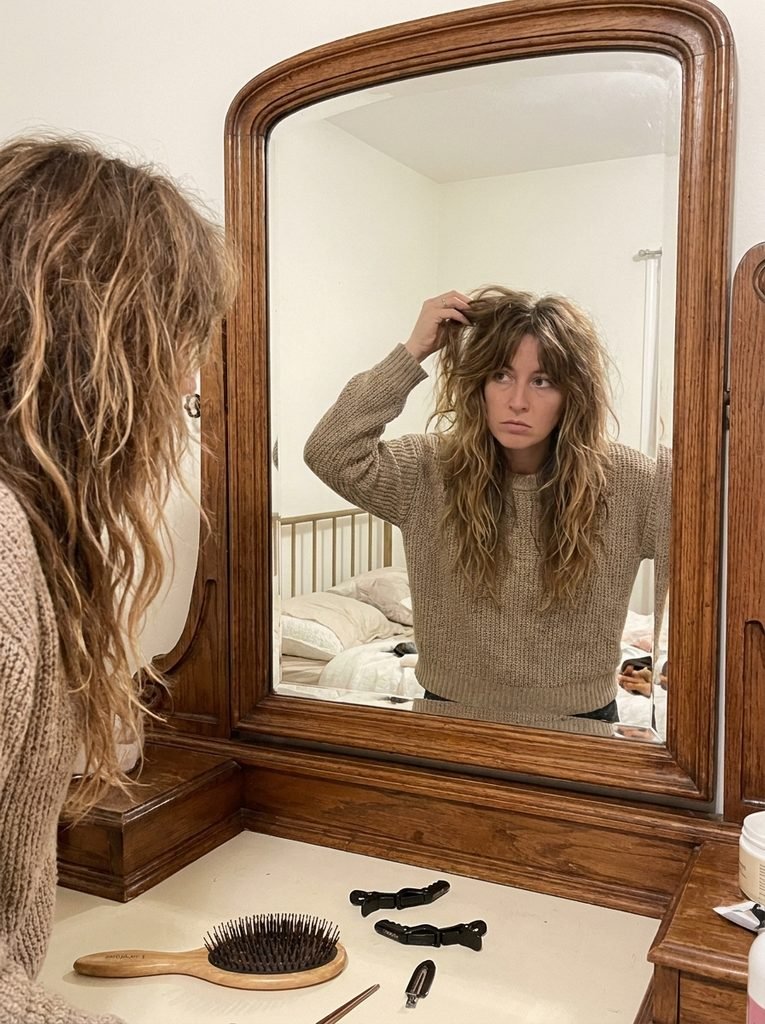
A shag asks for a little styling. Anyone who wants smooth, polished hair with no effort, particularly on straight, flat hair, may find it frustrating. Very short versions also need careful layering to avoid puffing out, and a fringe means regular trims. If those points sound like too much, a softer layered cut or a long face-framing shape is a calmer option.
What to Say at the Appointment
“Shag” means different things to different stylists, so describe the details instead of relying on the name. Bring one photo from the front and one from the back, and point out what you like in each.
A clear request might sound like this: “I’d like a mid-length shag with soft, textured layers. The shortest layer should sit around my cheekbones, with a longer fringe that blends into the sides. Please keep some weight at the ends.”
Then cover the practical points, such as how you usually dry your hair, whether you wear it up for work, and how often you are happy to return for trims. For straight or wavy hair, Luxe Digital says a razor can give the layers a softer, more melted movement than scissors, so it is a fair thing to ask about.
Quick Answers About Shag Haircuts
Is a shag hard to style every day?
Not usually. Most versions need a texture product and a minute or two of rough drying, and plenty of people simply air-dry. The cut is designed to look slightly undone.
Can a shag be tied back?
Partly. Longer versions can go into a low ponytail or a half-up clip, but the shortest layers will fall out around the face. Cropped versions are better left down.
Is a shag the same as a wolf cut?
They are close relatives, not twins. A shag tapers its layers gradually, while a wolf cut has a sharper jump between the short top and the longer back.
Choppy on Purpose
The shag works because its layers are uneven by design. Where the shortest piece sits, how the ends finish and what happens at the front decide whether the cut feels soft, edgy or somewhere in between. Settle those three details first, match them to a photo with hair like yours, and the rest is mostly a matter of letting the texture do its job.


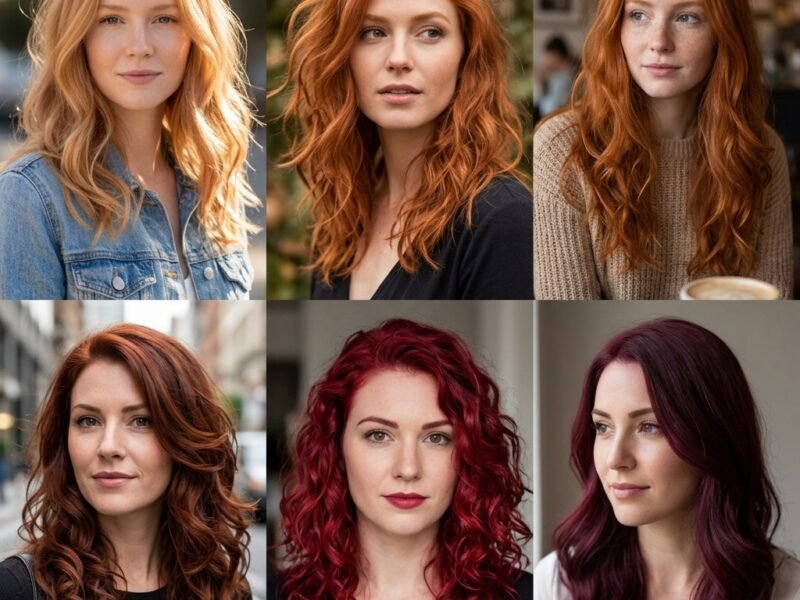

[…] in. Layered cuts catch light at the edges of each layer, so dimension shows up easily. A choppy shag haircut creates that effect, with copper and auburn picking up different shades at every […]