
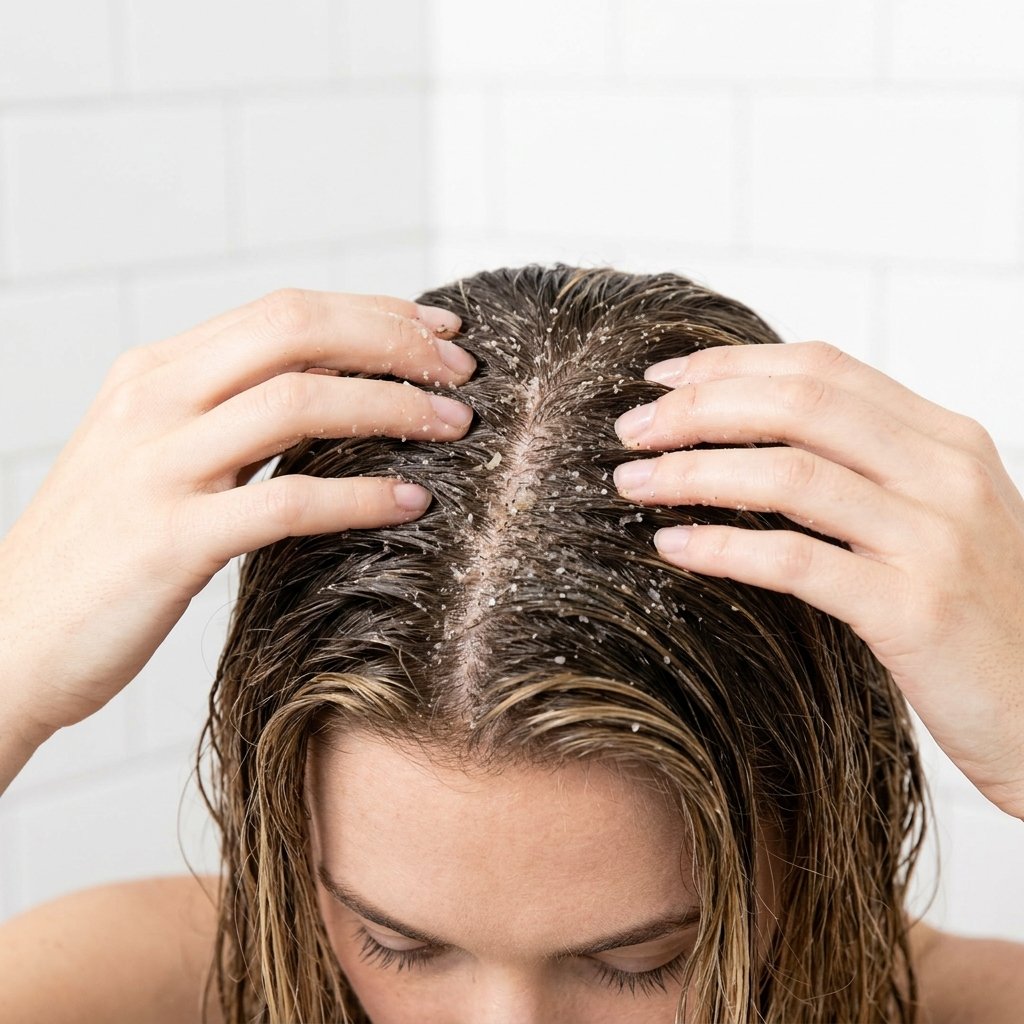
Scalp care usually gets talked about as a health topic: oil balance, buildup, general upkeep. What gets skipped over almost every time is the much more immediate payoff, which is how directly the scalp affects the way a style actually turns out. Flat roots by noon, a blowout that won’t hold, frizz that starts right at the part line. All three trace back to the scalp far more often than people assume, and all three have almost nothing to do with the ends of the hair, where most styling attention tends to go.
This isn’t about scalp health in the clinical sense. It’s about a handful of habits, mostly things you’re already doing anyway, that shift the actual outcome of a blowout, a wave set, or a second-day style, depending on how they’re handled.
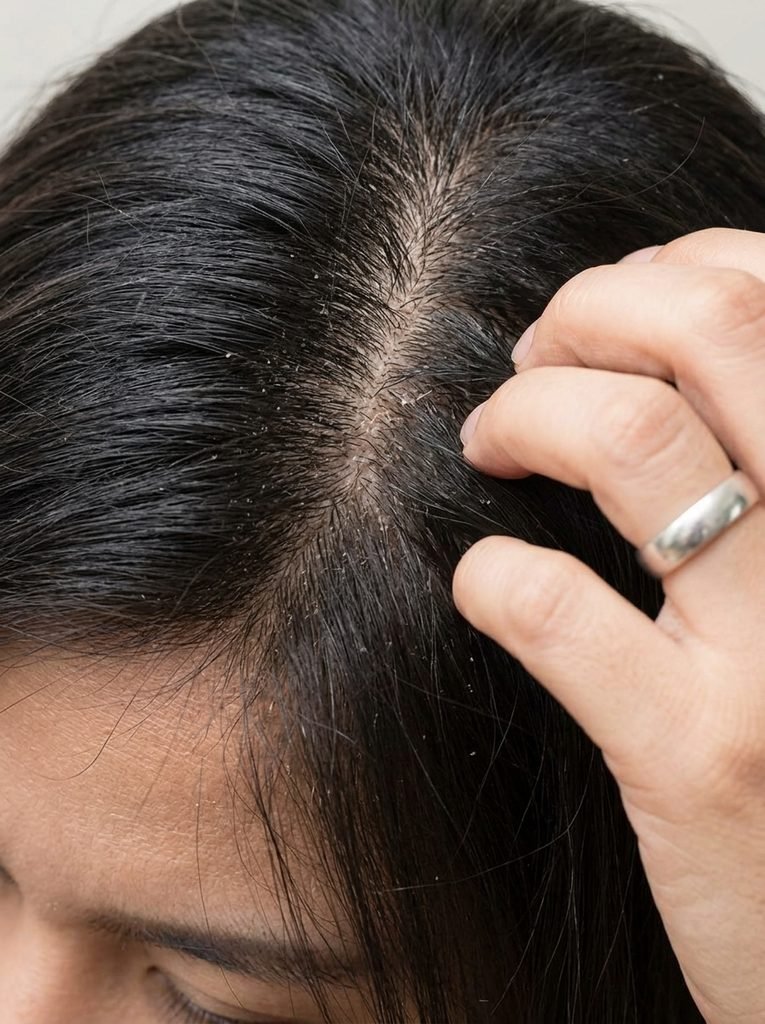
Why the Scalp Matters More to Styling Than Most People Realize
Every styling result starts at the root, literally. The scalp is where natural oil gets produced, where product either absorbs or sits on the surface, and where the hair shaft begins, which means it’s also where volume, texture, and hold all originate before a single tool touches the hair.
A few specific connections explain why this matters so much:
- Oil distribution changes texture. Hair close to the scalp behaves differently depending on how much natural oil is present, which affects everything from how a curl holds to how flat the roots sit.
- Buildup interferes with hold. Layers of old product, even in small amounts, coat the hair shaft near the root and make it harder for a fresh style to grip and last.
- Tension and dryness show up as frizz. The hairs closest to the scalp are often the shortest and most prone to flyaways, and scalp dryness specifically tends to make this worse.
- How the scalp is treated during washing sets up everything after it. Rough handling, too much heat, or the wrong pressure at the sink all affect the starting point before styling even begins.
None of this requires a specialized routine. It mostly requires paying attention to a few habits that already happen every time hair gets washed or styled.
Washing Frequency and What It Actually Does to a Style
How often hair gets washed has more to do with styling outcomes than most people expect, and the “right” frequency depends entirely on what kind of result you’re after.
Washing every day strips natural oil consistently, which tends to produce more volume at the root but can leave texture drier and harder to hold through the day, particularly for curl or wave patterns that rely on some natural oil for definition.
Stretching washes out a bit longer allows natural oil to redistribute down the length of the hair, which often improves how well a wave or curl holds and can make second and third-day hair genuinely easier to style than freshly washed hair. The tradeoff shows up at the root, where oil buildup flattens volume faster the longer a wash is stretched.
There’s no universal right answer here, but there is a useful way to think about it: if the goal is maximum volume, washing more frequently and focusing styling effort at the root helps. If the goal is texture and hold, particularly for wavy or curly styles, stretching a wash by a day or two often produces a better result than starting from completely clean hair.
Dry shampoo bridges the gap for a lot of people, but it’s worth applying it the night before rather than the morning of, since it needs time to actually absorb oil rather than just sitting on top of the roots.
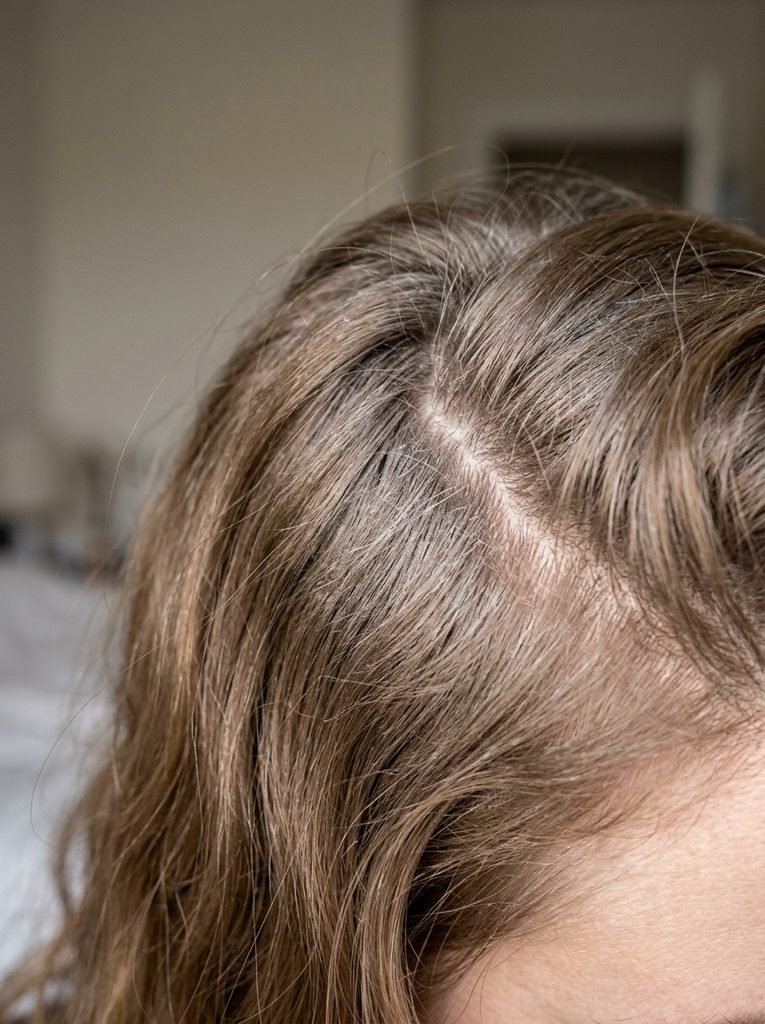
The Scalp Massage Habit
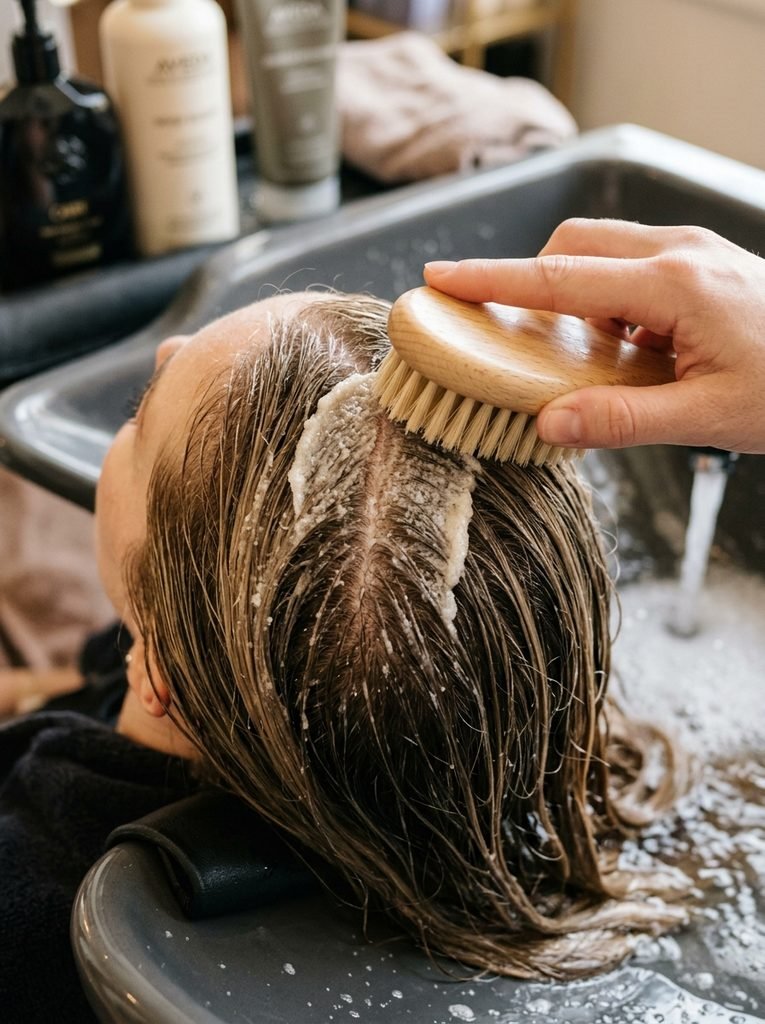
A scalp massage during washing does more for styling than it gets credit for, mostly because of what it does to product distribution and root tension rather than anything more elaborate.
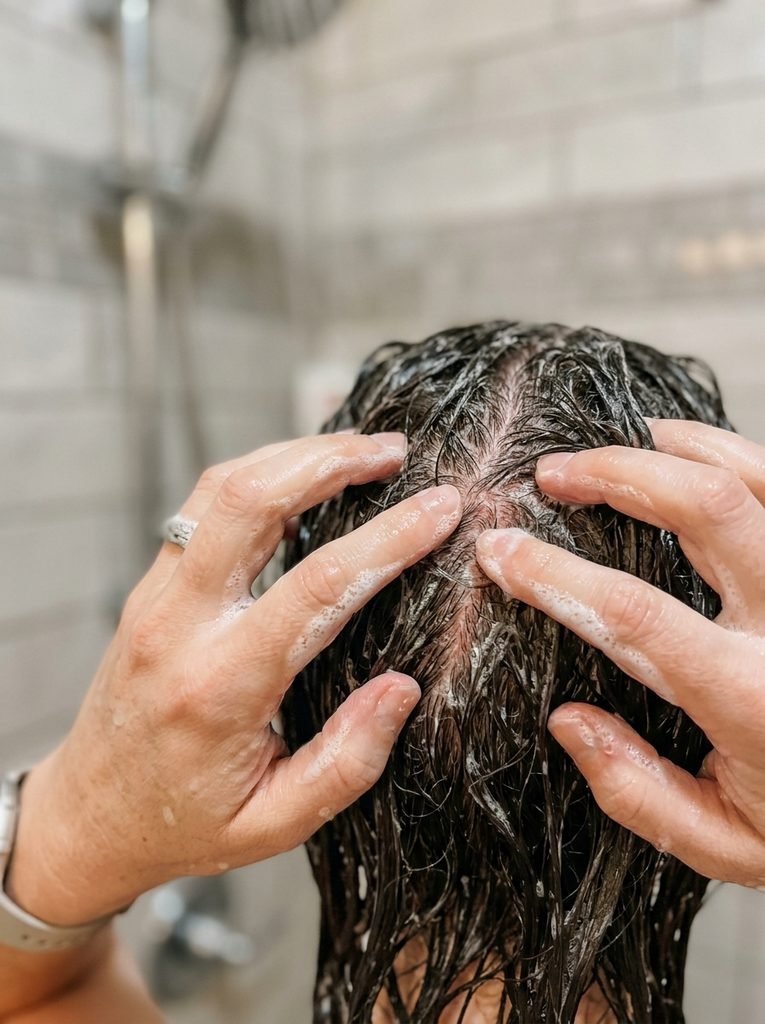
Working shampoo through the scalp with the fingertips, rather than piling it on top and letting it sit, distributes natural oils more evenly and helps loosen buildup that would otherwise sit at the root and interfere with volume. A minute or two of this during a normal wash is enough to notice a difference, without needing a separate treatment step.
Massage also releases some of the tension that builds up at the root from tight styles, hair ties, or extended time in a bun or ponytail. Roots that have been under tension for hours often lie a little flatter once released, and a short massage during the next wash helps them bounce back to their normal position faster.
This is a styling habit, not a treatment. It doesn’t need special tools or products beyond what’s already part of a normal wash routine, just a slightly more deliberate approach to how the shampoo actually gets worked through.
Product Buildup and Root Volume
Buildup is one of the most common, least visible reasons a style stops holding as well as it used to, and it happens gradually enough that most people don’t notice until the difference is significant.
Styling products, dry shampoo, and even some conditioners can leave a light residue at the scalp over time, particularly if they’re not fully rinsed or if dry shampoo gets layered on top of itself across several days without a full wash in between. That residue coats the hair right at the point where volume and lift matter most, which is exactly why a style that used to hold all day starts falling flat by early afternoon.
A clarifying wash every one to two weeks, depending on how much product gets used day to day, resets this without requiring a change to the rest of the routine. It’s worth noting that a clarifying wash tends to leave hair feeling slightly different immediately afterward, sometimes a little more textured or dry than usual, which is normal and typically resolves with the next regular wash and conditioner.

Exfoliation for a Smoother Styling Canvas
Exfoliating the scalp occasionally, using either a dedicated scalp scrub or simply a more thorough massage with a clarifying shampoo, does for the scalp roughly what exfoliating does for skin: it clears away the buildup that a regular wash doesn’t fully remove.
The styling benefit shows up in how well products absorb afterward. A clean, buildup-free scalp allows root-lifting sprays, mousses, and other styling products to actually reach the hair shaft rather than sitting on top of a layer of old product, which means less product is often needed to get the same amount of lift and hold.
This doesn’t need to happen often. Once every couple of weeks is enough for most routines, and more frequent exfoliation can occasionally leave the scalp feeling tight or overly stripped, which works against the goal rather than for it.
Drying Techniques That Start at the Root
A lot of styling effort goes into the ends and mid-lengths of hair, but the drying technique used at the root determines a large part of how the finished style actually looks.
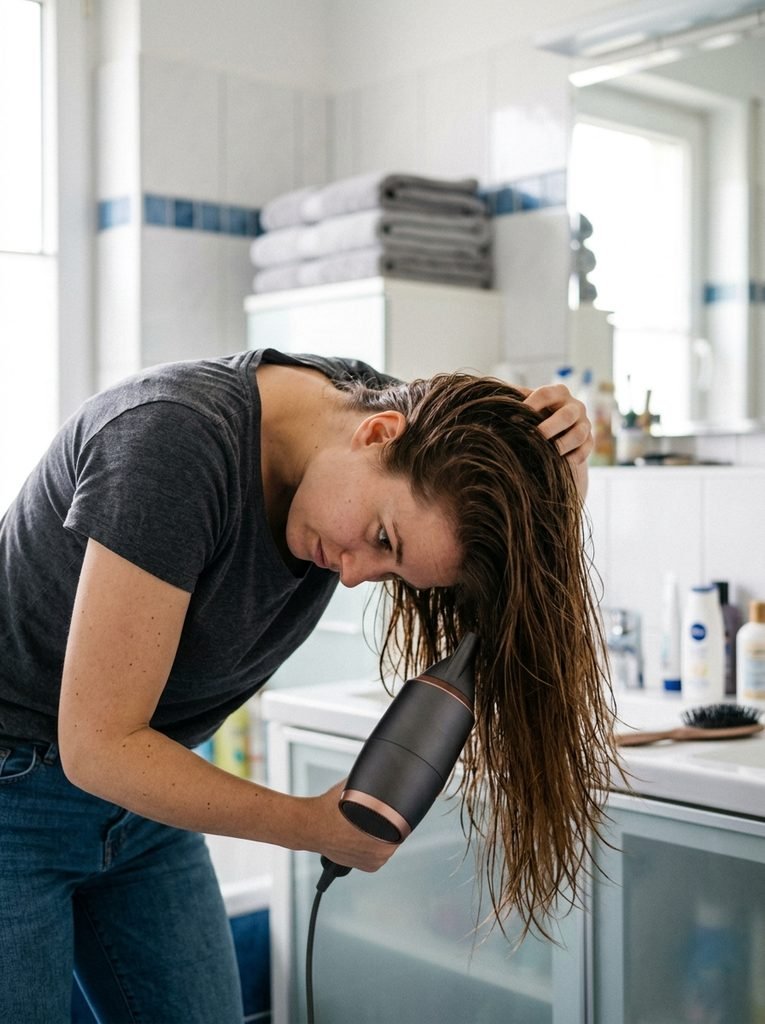
Blow-drying with the head tipped forward, working the dryer against the direction the hair naturally falls, lifts the roots in a way that upright drying rarely achieves. This single adjustment, more than most root-lift products, tends to produce the most noticeable difference in all-day volume.
A cool shot at the end of drying, aimed specifically at the roots rather than just the ends, helps set the lift achieved during the forward-drying phase, since heat sets the shape of a style but cool air locks it into place.
For curl and wave patterns specifically, scrunching product upward toward the scalp, rather than only through the mid-lengths and ends, encourages the root to participate in the overall texture rather than staying flat while the rest of the hair curls.
Some of this overlaps directly with technique used for holding a wave pattern through a full day, since root treatment during the drying process affects how long any wave or curl set actually lasts, not just how it looks in the first hour.
How This Changes Across Hair Types
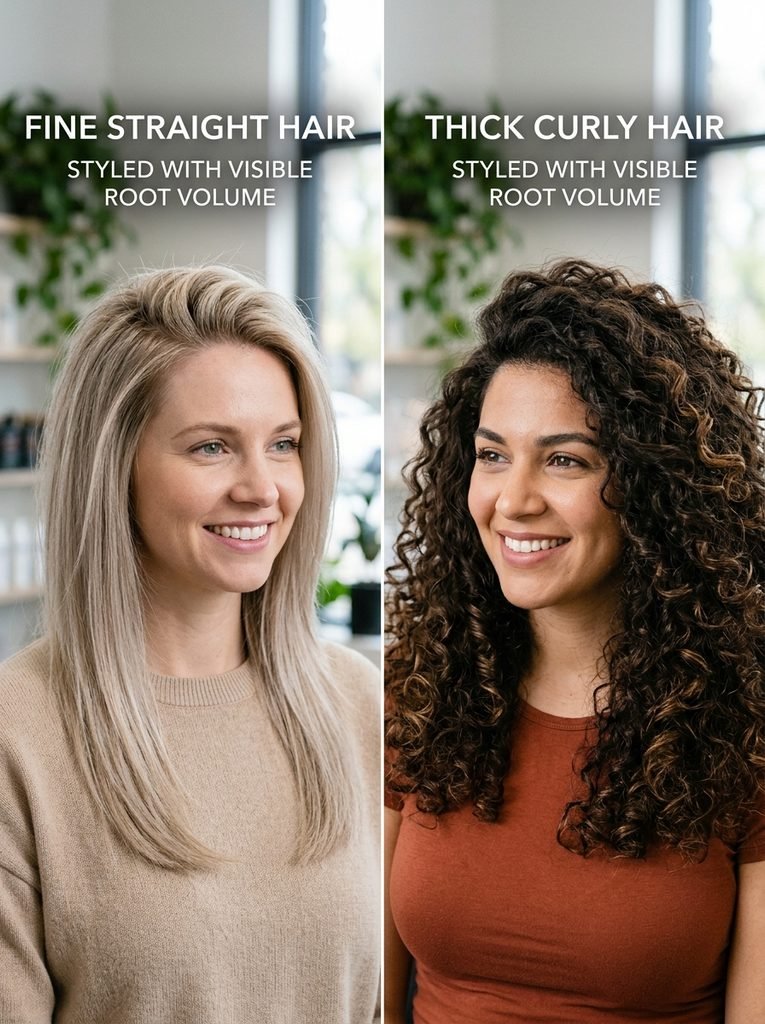
Fine, straight hair tends to show root oil and flattening fastest, which makes washing frequency and root-focused drying technique especially important for maintaining volume through the day.
Thick or coarse hair often tolerates a longer stretch between washes without the same flattening effect, and benefits more from the massage and exfoliation habits, since buildup tends to accumulate more in dense hair without being as visually obvious.
Curly and wavy textures generally hold styles better with slightly more natural oil present, which means stretching a wash by a day or scrunching product toward the root rather than washing frequently often produces better curl definition.
Color-treated hair benefits from a gentler approach to exfoliation and clarifying washes, since these can occasionally affect color vibrancy if used too frequently, even though they still solve the same buildup and absorption issues.
Building a Simple Weekly Approach
None of the habits above require a complicated new routine layered on top of an existing one. A simple weekly rhythm covers most of what’s useful:
- Wash day: a thorough scalp massage while shampooing, focused on distributing product evenly rather than just piling it on top.
- One day mid-week: dry shampoo applied the night before, rather than the morning of, to give it time to actually absorb oil.
- Every one to two weeks: a clarifying wash or light scalp exfoliation, timed for whenever styles have started losing hold faster than usual.
- Daily, regardless of wash schedule: drying technique that starts at the root, whether that’s forward-direction blow-drying or scrunching product upward for curl patterns.
This kind of rhythm adapts easily around whatever the rest of a hair routine already looks like, since it’s built around adjusting existing habits rather than adding entirely new steps.
Common Mistakes That Undercut Styling Results
Applying dry shampoo right before styling rather than the night before. It hasn’t had time to absorb oil yet, which means it sits on the surface rather than actually solving the volume problem.
Skipping a clarifying wash because hair “looks” clean. Buildup is often invisible until a style stops holding the way it used to, at which point it’s already been affecting results for a while.
Drying upright instead of forward at the root. This is the single most common reason a blowout looks great at the mid-lengths and ends but falls flat within an hour.
Over-massaging or over-exfoliating in an attempt to fix a styling problem faster. More frequent isn’t automatically better here, and overdoing either habit can leave the scalp feeling tight or stripped, which works against the styling goal rather than toward it.
Ignoring hair type when choosing a wash frequency. A schedule that works well for fine, straight hair can genuinely undercut curl definition or texture in wavy and curly hair, and vice versa.
Frequently Asked Questions
How often should I wash my hair for the best styling results? It depends on the desired result. More frequent washing tends to produce better root volume, while stretching washes slightly longer often improves hold and definition for wavy or curly textures.
Does a scalp massage actually make a difference to styling? Yes, mainly by distributing product and natural oil more evenly and by releasing root tension from tight styles, both of which affect how a blowout or wave set holds afterward.
How often should I do a clarifying wash? Roughly every one to two weeks for most routines, though this can shift depending on how much styling product gets used day to day.
Why does my blowout lose volume so quickly? This is most often related to drying technique at the root, particularly drying upright rather than against the direction hair naturally falls, or to product buildup that’s interfering with lift.
Is scalp exfoliation necessary for everyone? Not strictly necessary, but it tends to help most people who use styling products regularly, since it clears buildup that interferes with how well those products can work.
Does hair type change how I should approach scalp care for styling? Yes. Fine hair generally benefits most from frequent washing and root-focused drying, while curly and thicker textures often do better with a longer stretch between washes and more attention to massage and buildup removal.
The Actual Payoff
None of these habits require an elaborate routine or a cabinet full of new products. Most of them are small adjustments to something already happening every time hair gets washed or dried. The difference shows up not in how the scalp feels, but in how the finished style holds, how long it lasts, and how much less effort it takes to get there the next time around.



Leave a Reply