
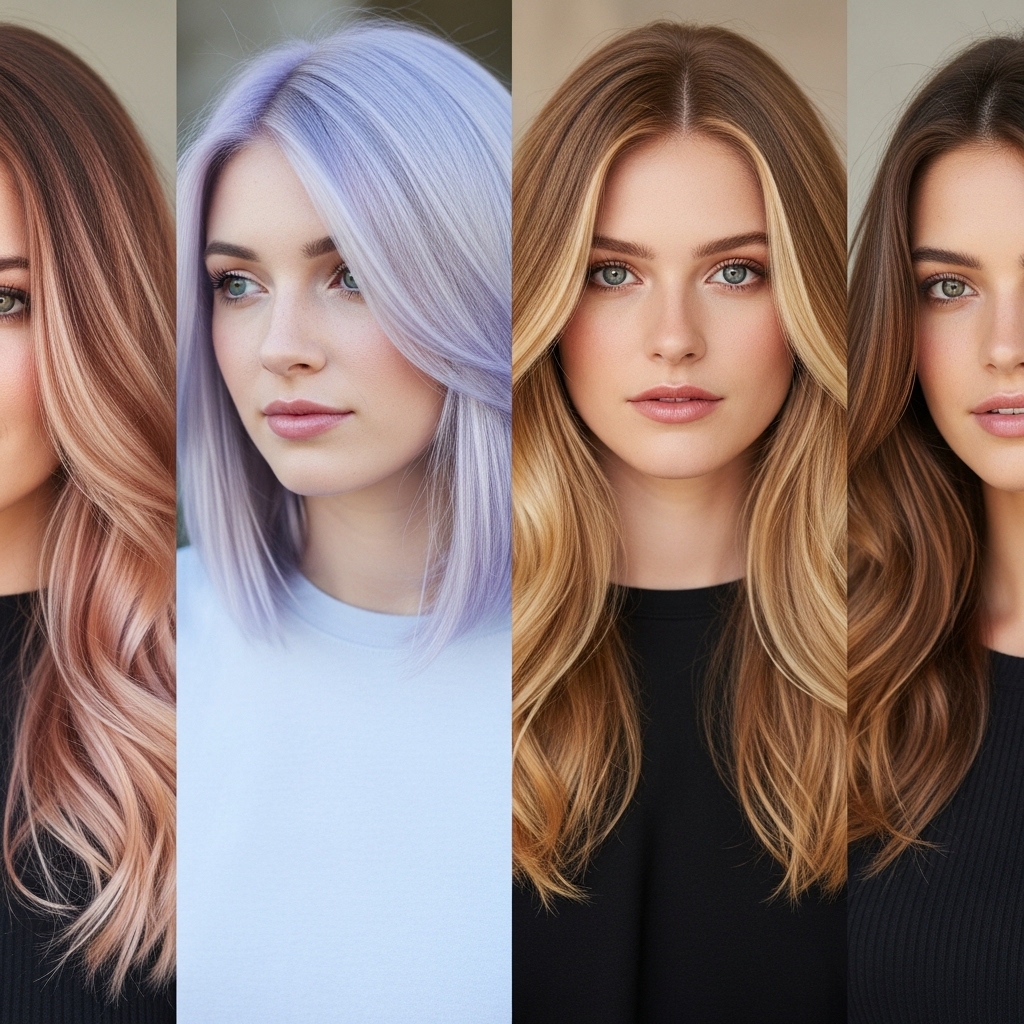
Spring pulls people toward lighter hair, and colour is the fastest way to change a look without touching the cut. It is also the one beauty decision that involves actual chemistry. Three things matter more than the swatch photograph. Whether a shade needs bleach, how many levels of lift it demands, and how fast the tone washes out. A honey blonde on dark brown hair is a different appointment, at a different price, from the same shade on a light base. One safety note applies across every permanent and semi-permanent option below. The NHS advises testing a dye at least 48 hours before use. It also advises avoiding PPD-containing products entirely for anyone who has ever reacted to hair dye or a black henna tattoo. The 20 shades below run from a gloss that washes out in six weeks to a double-process blonde that commits to a schedule.
1. Honey Blonde Glow
Honey blonde sits warm and golden rather than bright, which makes it one of the easiest blondes to maintain. Warm tones fade gracefully; cool ones turn brassy as they go.
On a light or mid brown base it needs two to three levels of lift. Highlights achieve that without a full bleach. Dark brown hair needs more, and more lift means more damage. Root regrowth stays soft, since the contrast against natural brown is small. That stretches appointments toward ten or twelve weeks.
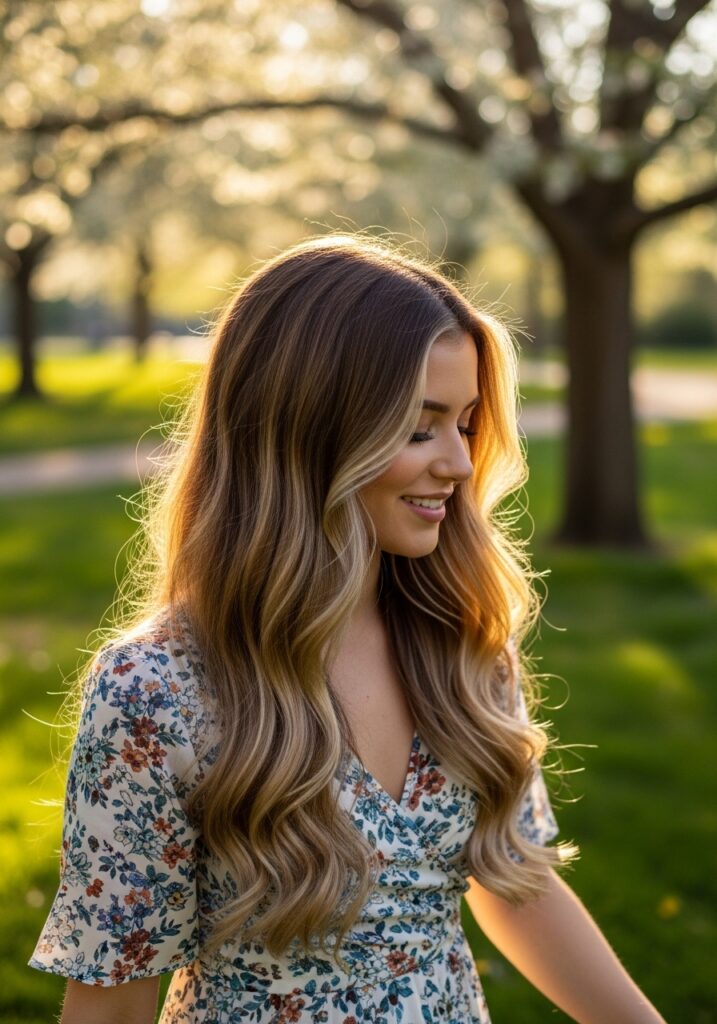
2. Soft Caramel Balayage
Balayage is a technique rather than a shade. Colour gets painted onto the surface of the hair by hand, so the lightest pieces sit at the mid-lengths and ends while the root stays natural.
That is why it dominates. There is no regrowth line, because there was never a line to begin with. Appointments can run four to six months rather than six weeks. Caramel over a brunette base needs only two or three levels of lift, so the hair stays in reasonable condition. The effect shows best on a layered cut, and this guide to 2026 hair trends covers which shapes carry it.
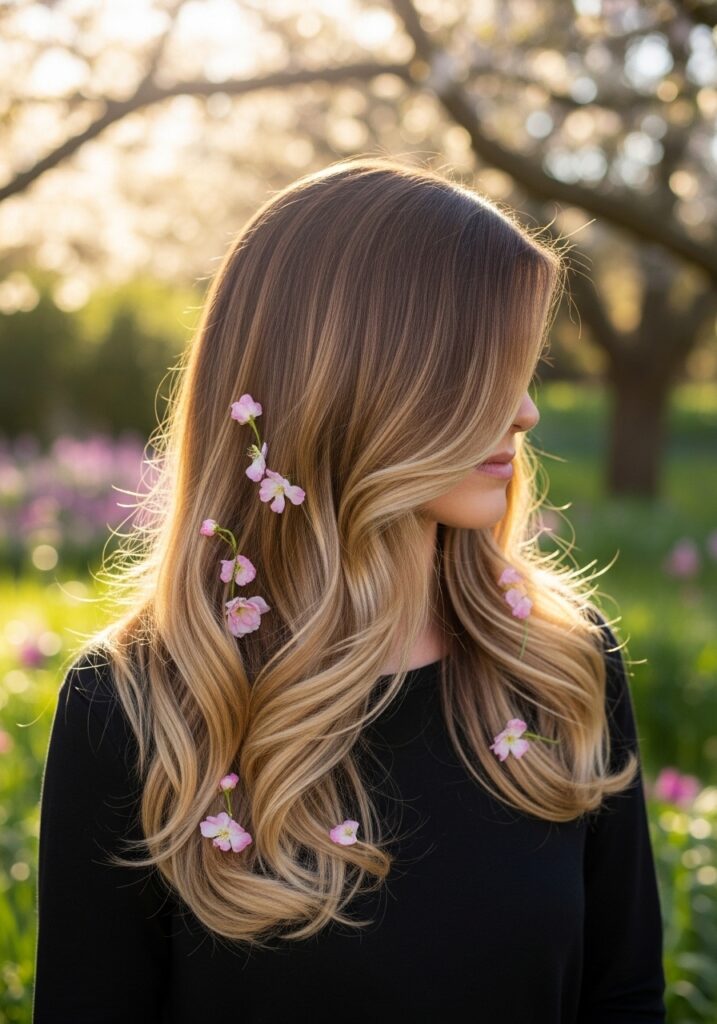
3. Strawberry Blonde Romance
Strawberry blonde combines a blonde base with a red-gold tone laid over the top, and the red is the unstable half. Red molecules are the largest of any dye pigment. They sit closest to the surface and wash out first.
Expect the shade to shift toward plain blonde within four to six weeks. A colour-depositing conditioner between appointments slows that considerably. Cold water rinses help more than most people expect.
4. Rose Gold Elegance
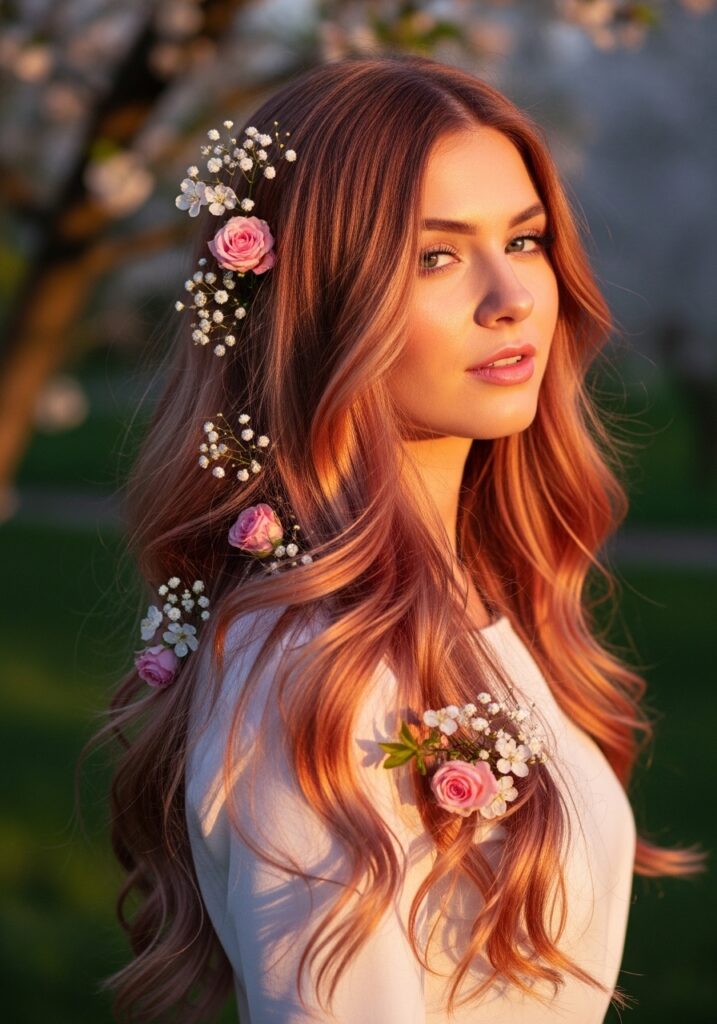
Rose gold is a toner sitting on a pre-lightened base, which means it is a two-step process on anything darker than light blonde.
The pink washes out fast — often within six weeks — while the lightened base underneath does not. Anyone trying this should be comfortable with the blonde underneath. That is what remains once the rose fades, and it lasts until the next appointment.
5. Sun-Kissed Bronde
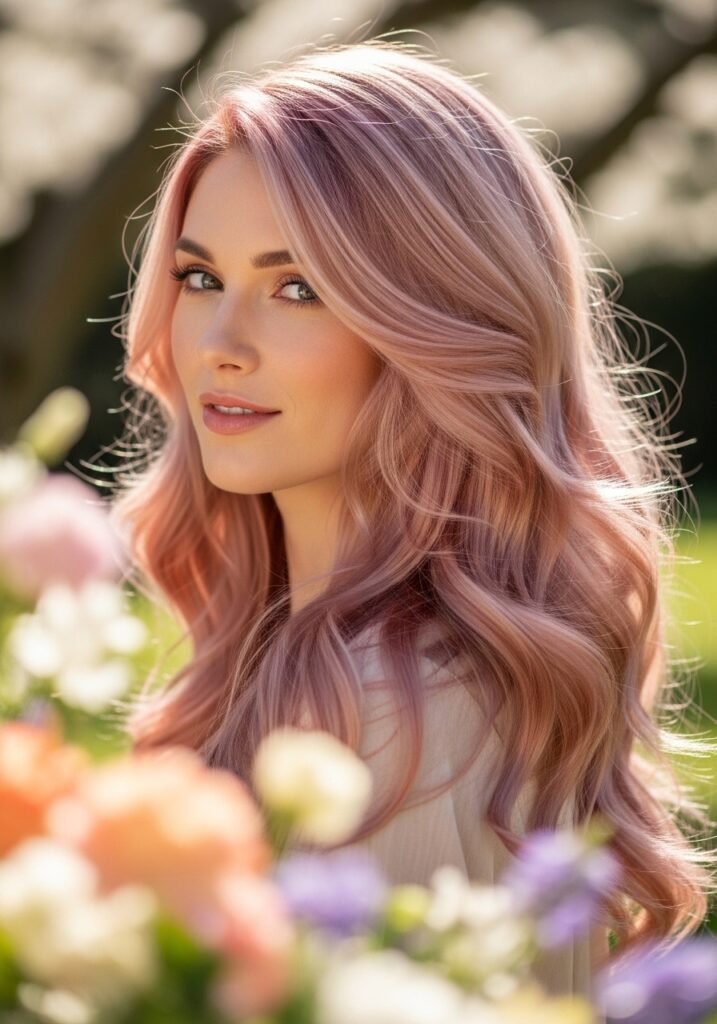
Bronde sits deliberately between blonde and brunette, and it exists largely as a solution to maintenance. Keeping the base close to natural means regrowth barely registers.
Most versions need only one or two levels of lift through selected pieces. That is gentle enough for hair already weakened by previous colour, which makes bronde the standard recommendation for anyone growing out a heavier blonde.
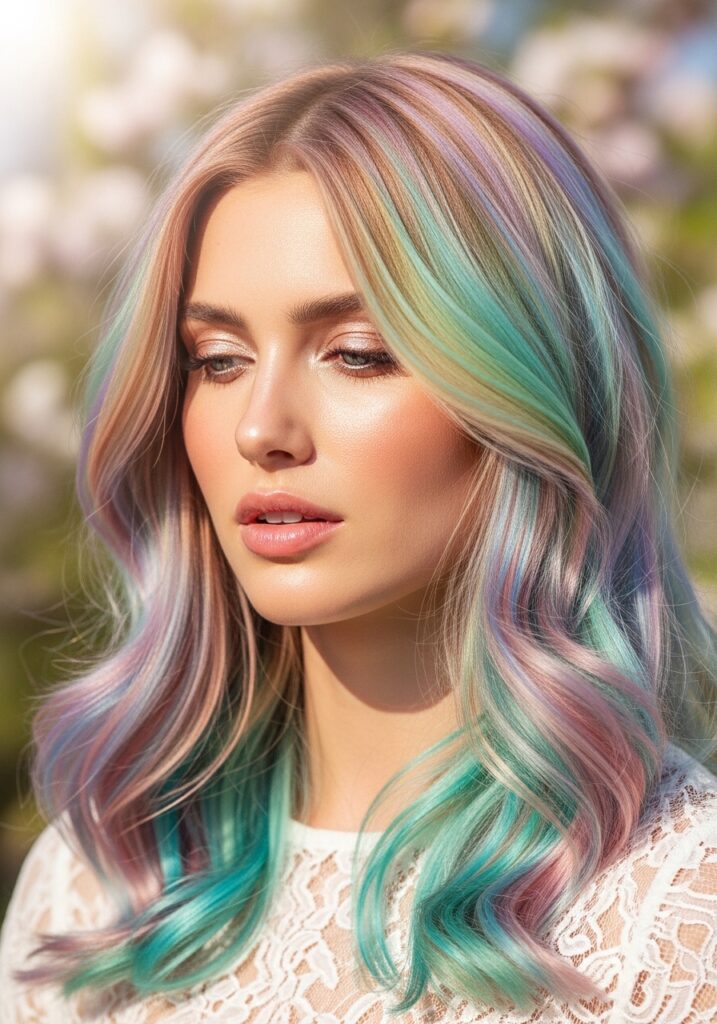
6. Pastel Lavender Dream
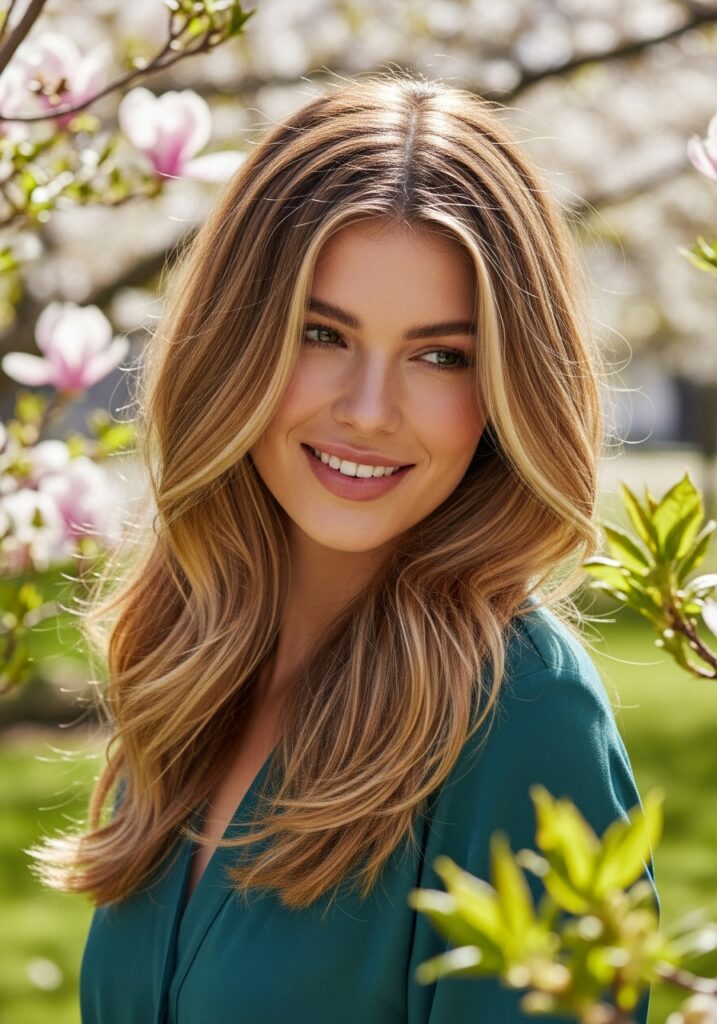
Pastels are the most demanding shades on this list. Lavender needs a base lightened to pale yellow before any purple will read as purple rather than muddy grey.
On dark hair that means bleach, sometimes across two sessions. The pastel itself then lasts four to six weeks at best. Realistically this is a commitment to a bleached base for as long as the colour is worn, plus a toner refresh roughly every month.
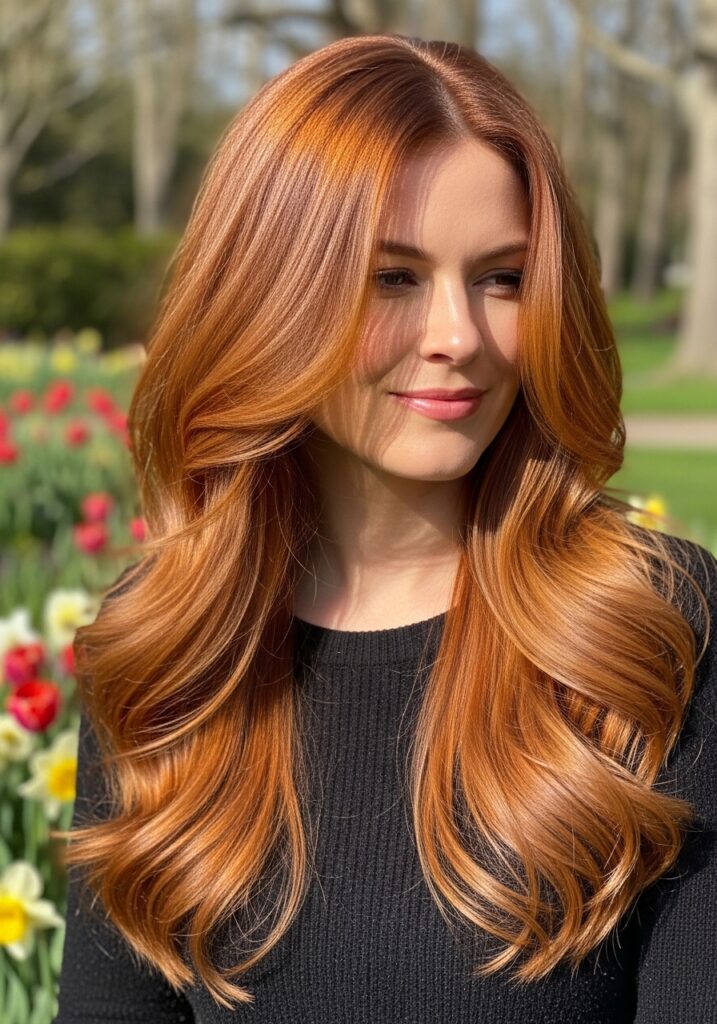
7. Golden Copper Shine
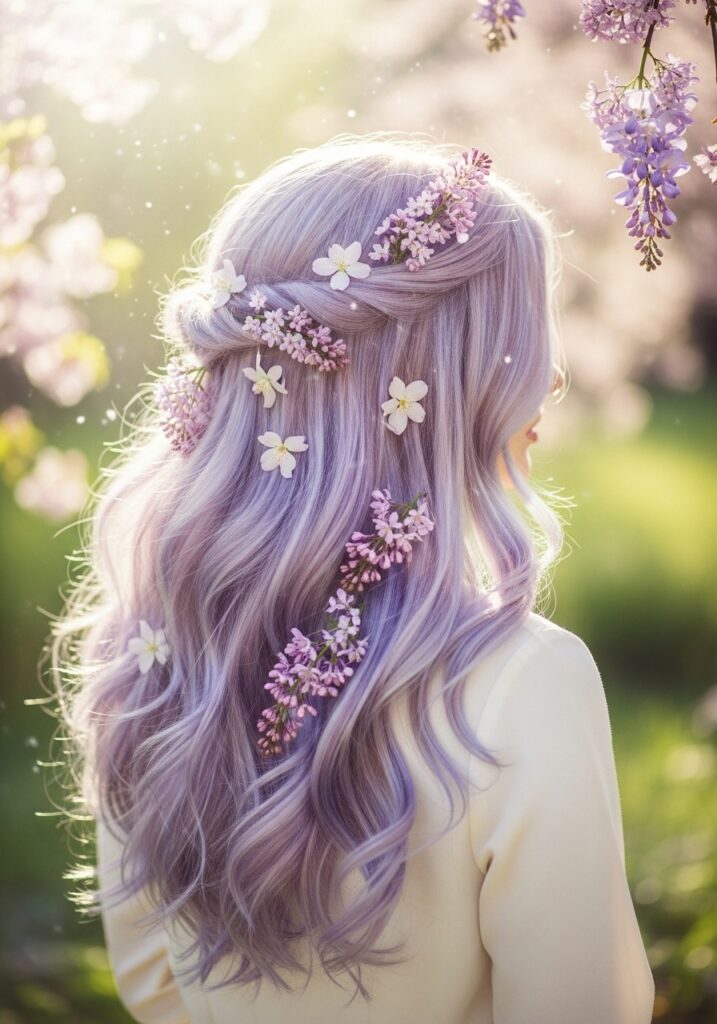
Copper is one of the few vivid shades that works without pre-lightening on mid brown hair, because the underlying warmth in brown hair is already orange-red.
It fades noticeably rather than gracefully, though. Copper loses intensity within about six weeks. It drifts toward a softer, more muted version of itself. A copper-depositing mask used weekly keeps it saturated between salon visits.
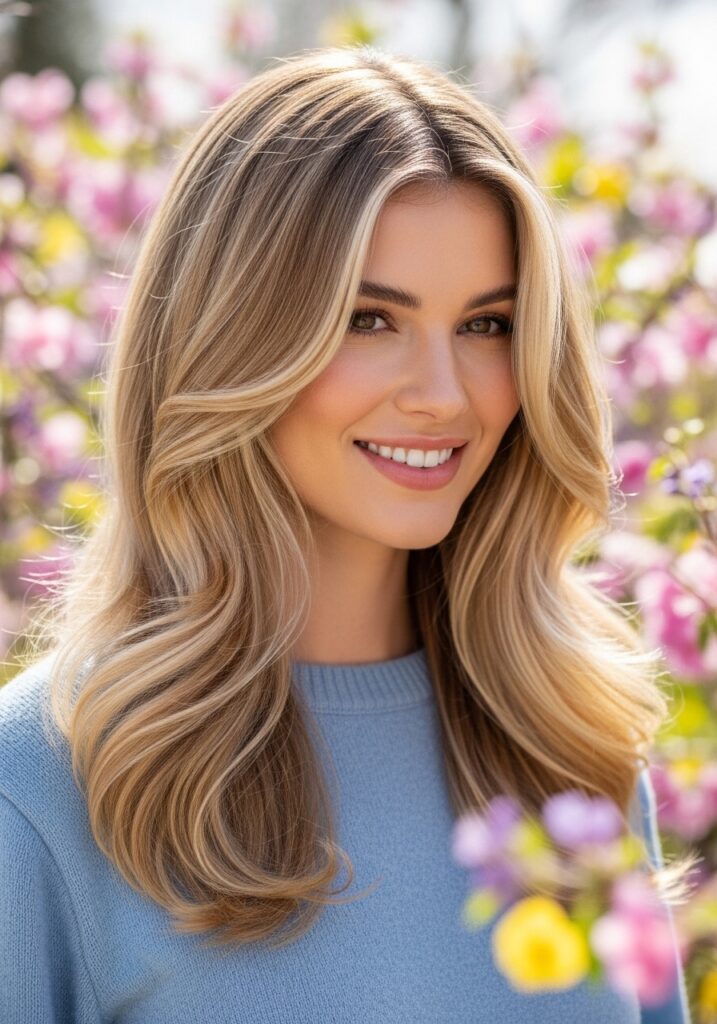
8. Creamy Vanilla Blonde
Vanilla blonde sits light but neutral, avoiding both the yellow of a golden blonde and the grey of a platinum one. Hitting that neutrality requires a toner, and toners fade.
Purple shampoo counteracts the yellow that emerges as the toner washes out. Used too often, it shifts the hair toward lilac. Once or twice a week is the working rule. Dark bases need substantial lift here, so this is not a single-appointment change from brunette.
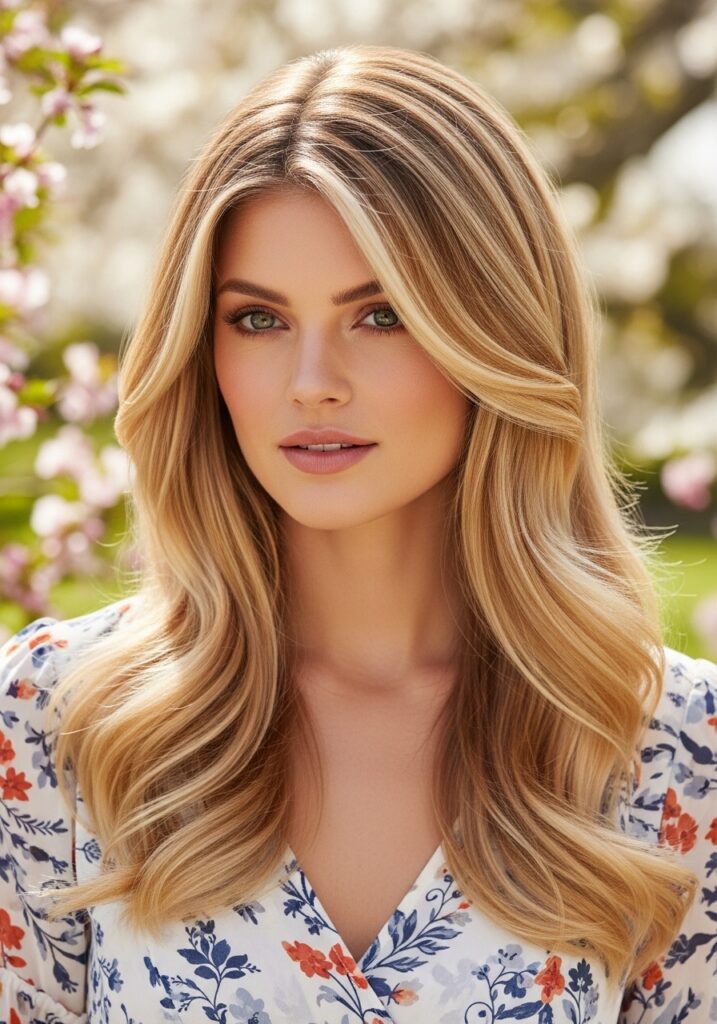
9. Buttercream Blonde
Buttercream keeps more warmth than vanilla, which is what makes it more forgiving. Warm blondes hide fading; cool blondes advertise it.
The practical advantage is toner longevity. A buttery blonde still looks intentional three months in. An icy one starts looking yellow within four weeks. For anyone lightening for the first time, this is the lower-risk entry point.
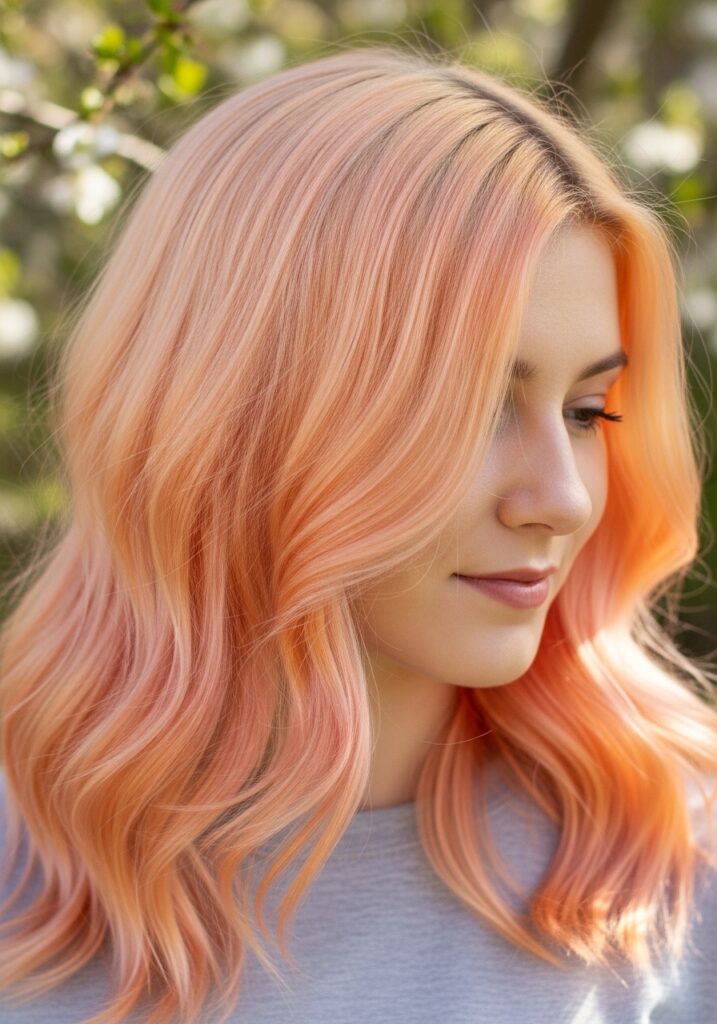
10. Peachy Blonde
Peach is a pastel and behaves like one. It needs a pale base and it fades quickly, usually within a month.
The upside is that peach fades warmly. As the tone lifts out it passes through a soft apricot and then a golden blonde, none of which look wrong. Pastel blue and green fade through visibly odd intermediate stages instead.
11. Mushroom Brown
Mushroom brown deposits ash and beige tones over a brunette base, and depositing colour is far gentler than lifting it. Little or no lightening is involved.
Ash tones fade faster than warm ones. The natural warmth of the underlying hair returns over six to eight weeks. A blue or green-based toning shampoo counteracts that. Anyone with strong natural red undertones will find this shade harder to hold.
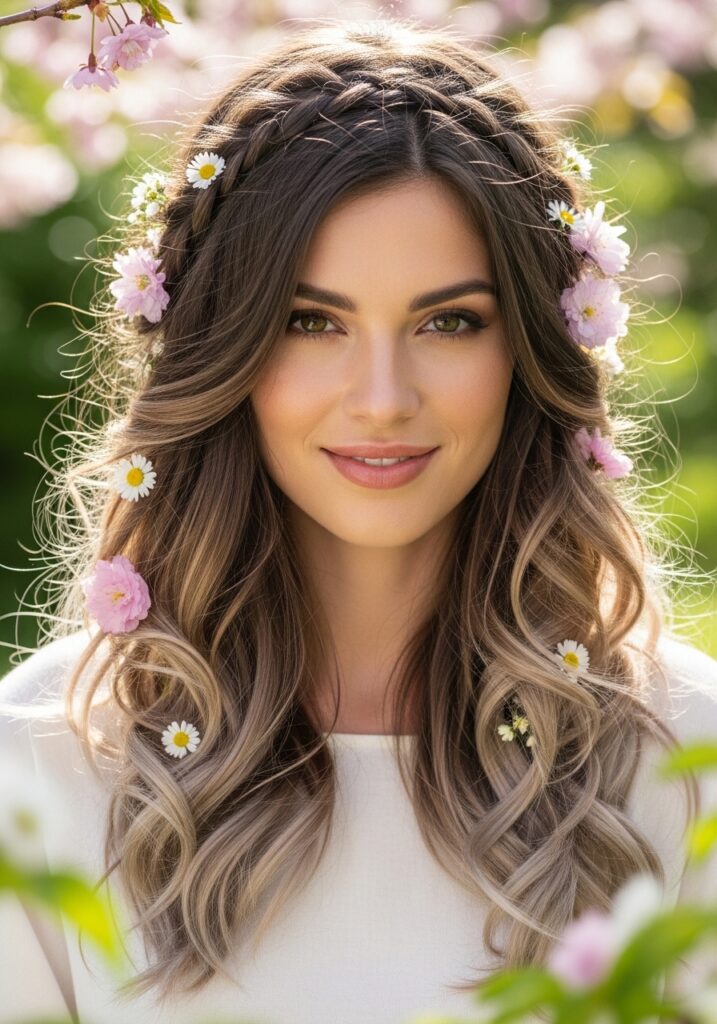
12. Champagne Blonde
Champagne balances a warm golden base with cool pearl tones on top, and that balance is the whole difficulty. Too much cool reads grey; too much warm reads gold.
Achieving it takes a skilled toner application, and it drifts as the toner fades. A toner-only appointment at the six-week mark keeps the shade accurate. It costs a fraction of a full re-lightening and does less damage.
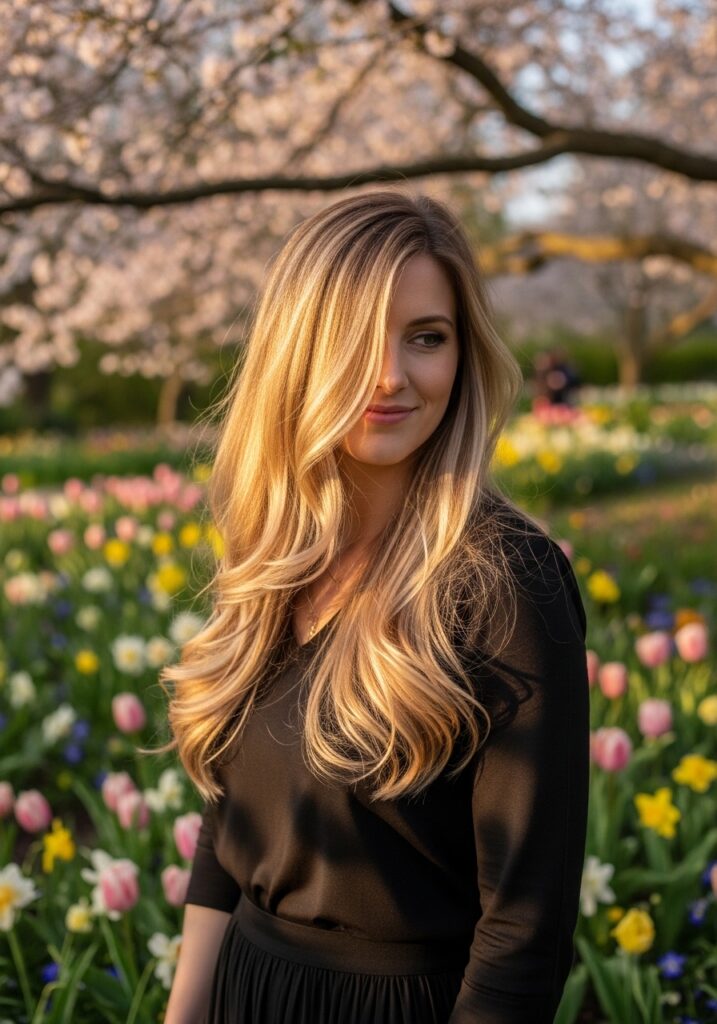
13. Warm Chocolate Brown
Chocolate brown deposits rather than lifts, which makes it the least damaging option on this list and among the cheapest.
It suits hair recovering from previous bleaching. Depositing colour fills the porous areas that lightening leaves behind. Regrowth blends easily against a natural brown base. Salon visits every eight to ten weeks are plenty, and a home gloss handles the gaps.
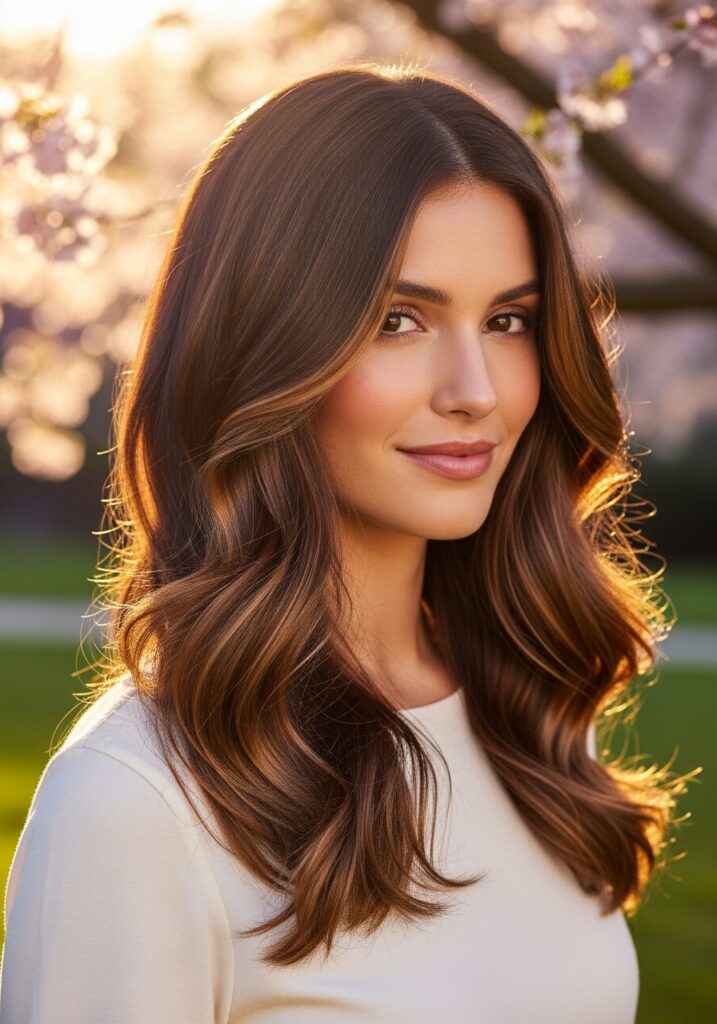
14. Coral Hair Tint
Coral combines pink and orange over a lightened base. Like all fashion shades it is semi-permanent, sitting on the hair rather than inside it.
That means it washes down with every shampoo. Washing twice a week rather than daily roughly doubles how long it lasts. Coral also stains towels and pillowcases for the first week, which is worth knowing before rather than after.
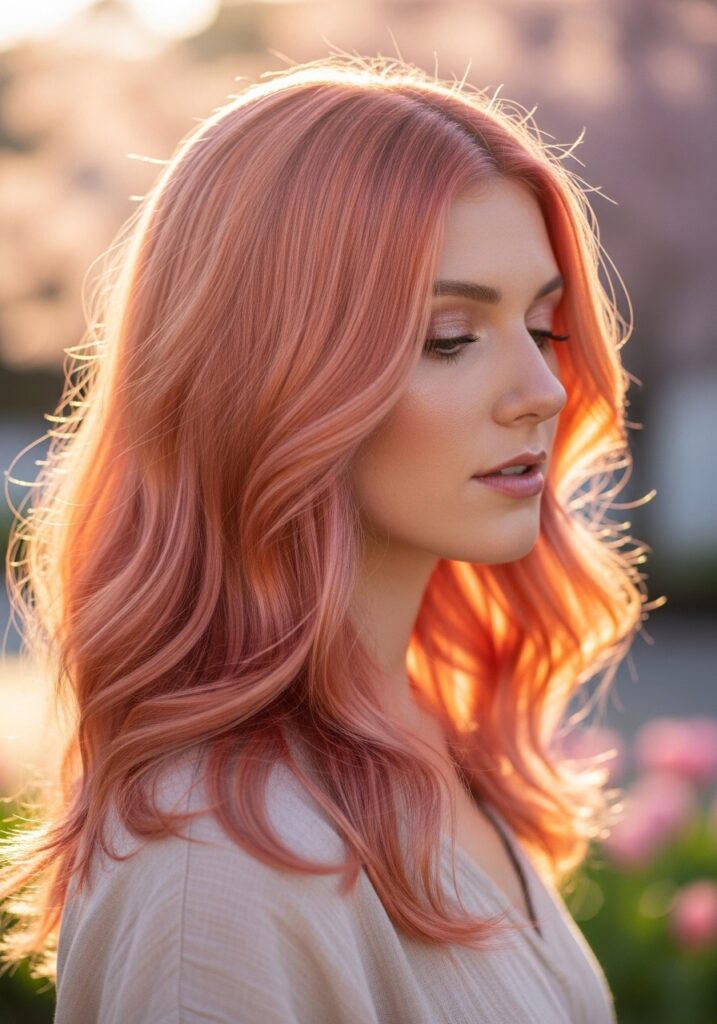
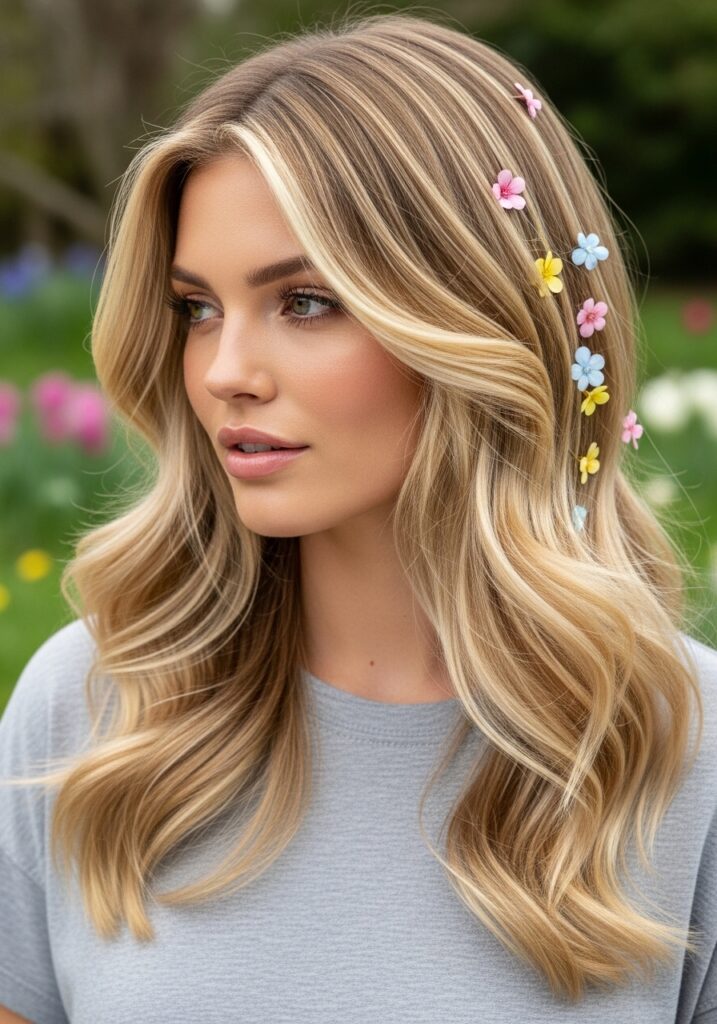
15. Sandy Blonde
Sandy blonde is neutral rather than warm or cool, which is why it reads as natural. Neutral shades also have the least distance to drift as they fade.
Achieved through fine highlights rather than a full-head lift, it keeps most of the natural base intact. That combination of low lift and soft regrowth makes it one of the two or three lowest-maintenance blondes available.
16. Lilac Blonde
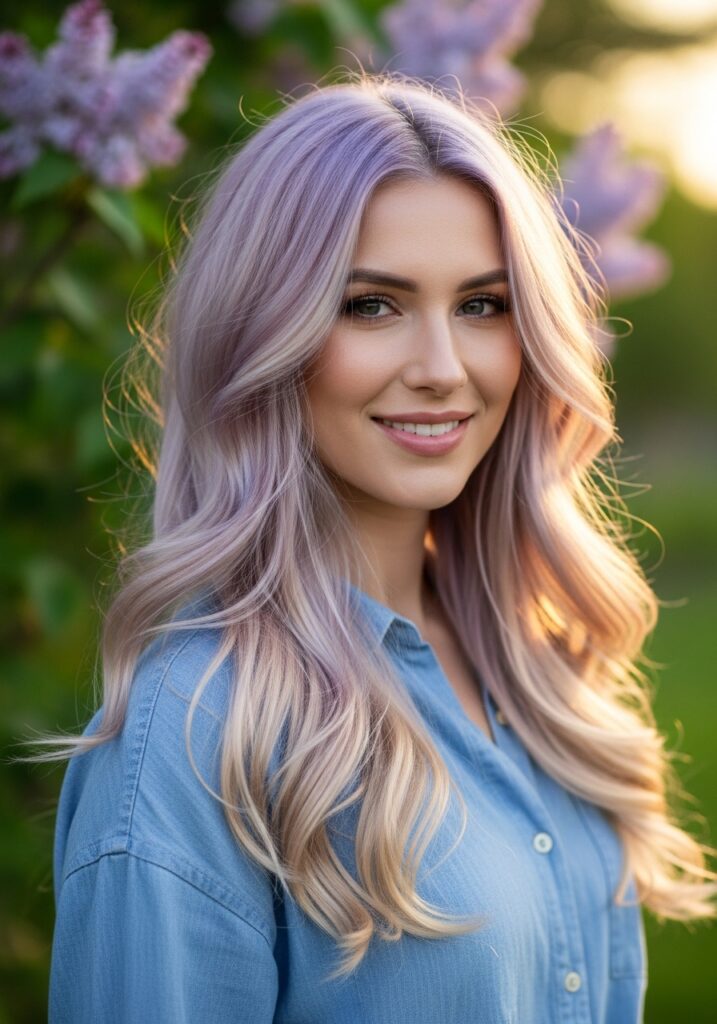
Lilac blonde is a softer, more diluted version of the pastel lavender above, and the reduced saturation makes it noticeably easier to live with.
Because the purple is faint, its fade is less obvious. Where a full lavender looks patchy at five weeks, lilac blonde simply becomes a cooler blonde. Purple shampoo also extends it, since the same pigment that neutralises yellow is the one doing the tinting.
17. Cinnamon Spice Brown
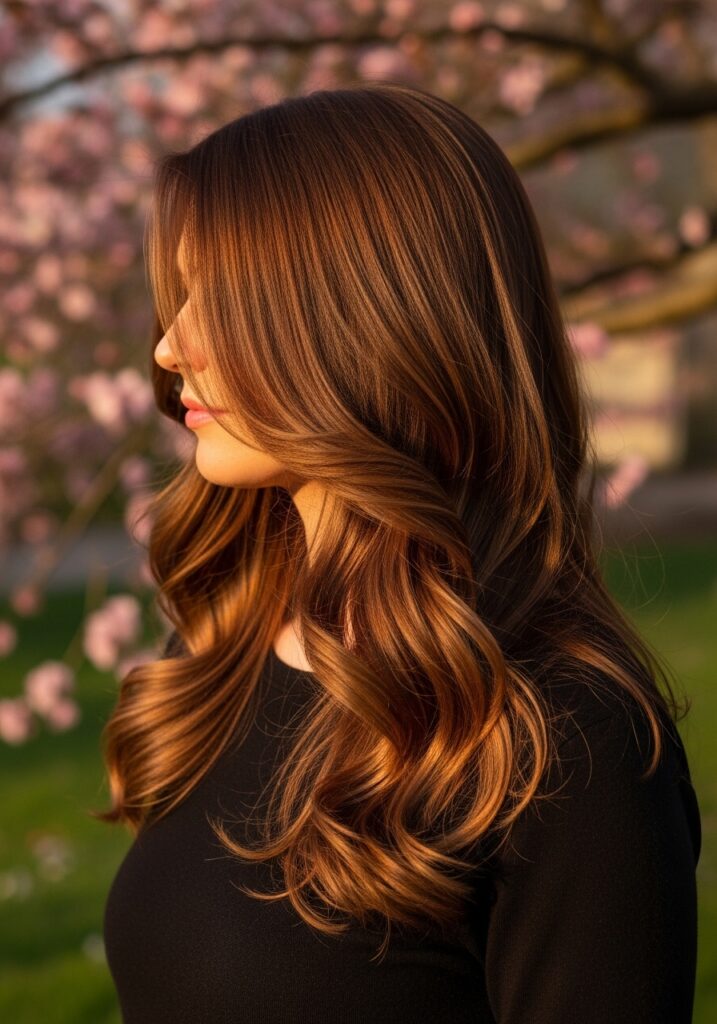
Cinnamon adds red and copper to a brown base, mostly by deposit with a small amount of lift on some hair types.
Red pigment fades fastest of all. This shade needs refreshing roughly every six weeks to stay vivid, more often than any other brunette here. A weekly red-depositing conditioner is the difference between a colour that holds and one that turns muddy by week four.
18. Icy Beige Blonde
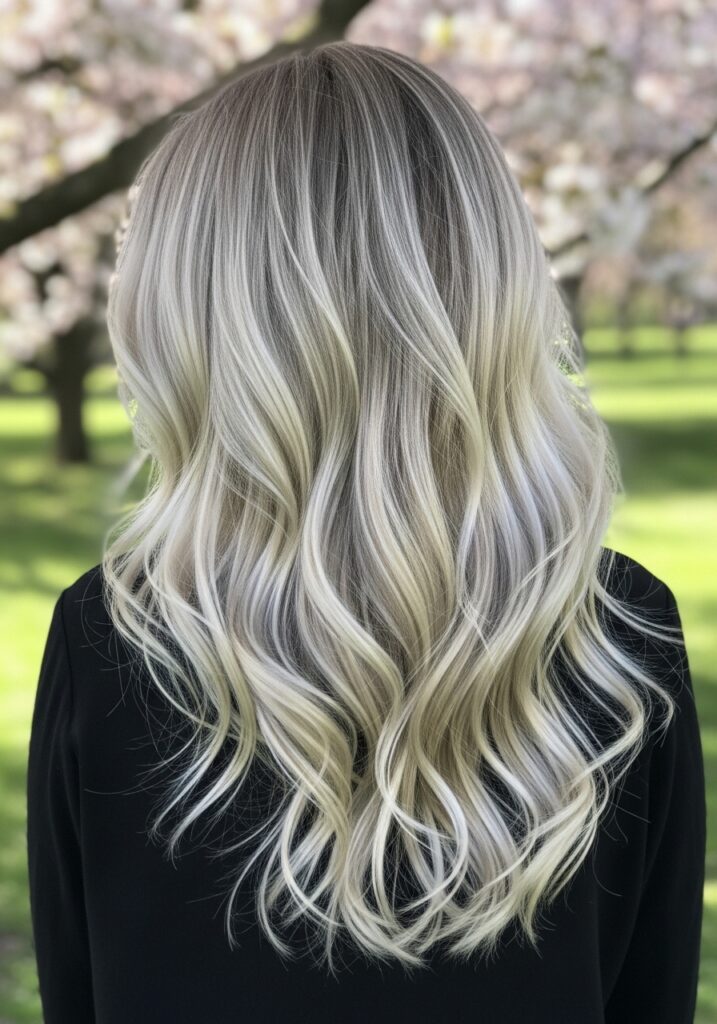
This is the highest-maintenance shade on the list. Reaching an icy blonde means lifting to pale yellow, then toning out the remaining warmth.
Regrowth shows within three to four weeks against any darker natural base, and the contrast is stark rather than soft. Between appointments the toner fades and the yellow returns. Purple shampoo becomes a permanent fixture rather than an occasional one. Heavily lightened hair also turns porous and frizzes more readily, a problem this guide to frizz in humid weather addresses directly. Anyone unwilling to book every six weeks should choose the beige version over the icy one.
19. Golden Apricot
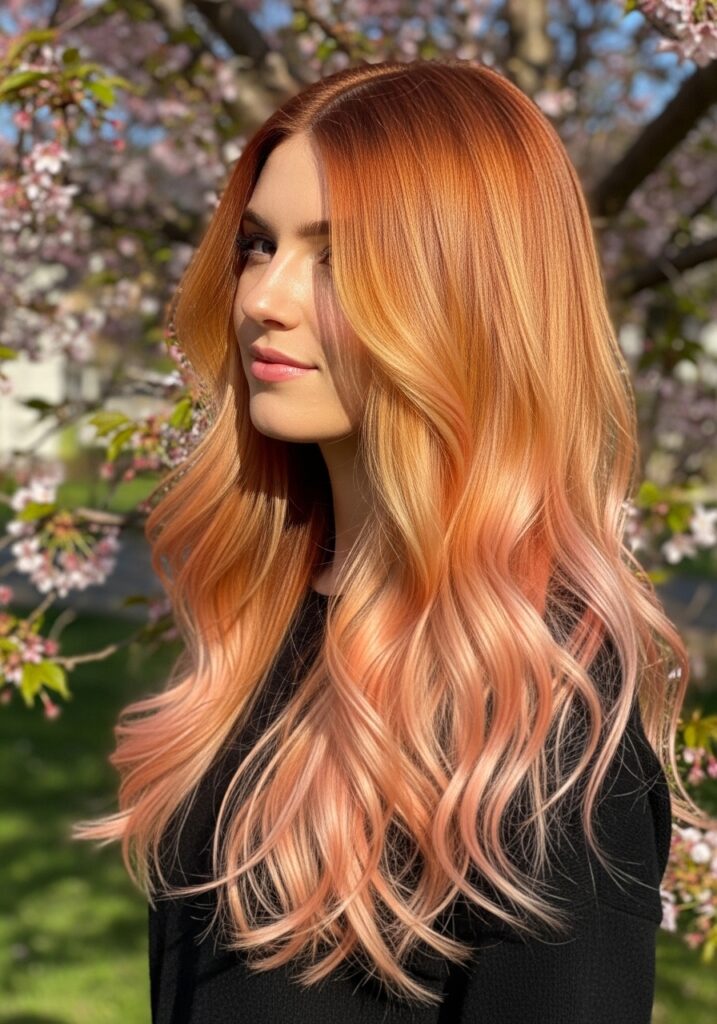
Golden apricot blends orange, gold, and peach over a light base. Its saving grace is that the fade runs through shades that still work.
Apricot softens into gold, and gold softens into a warm blonde. Nothing in that sequence looks like a mistake, which makes it a reasonable first attempt at a fashion shade for anyone nervous about the grow-out.
20. Glossy Espresso Brown
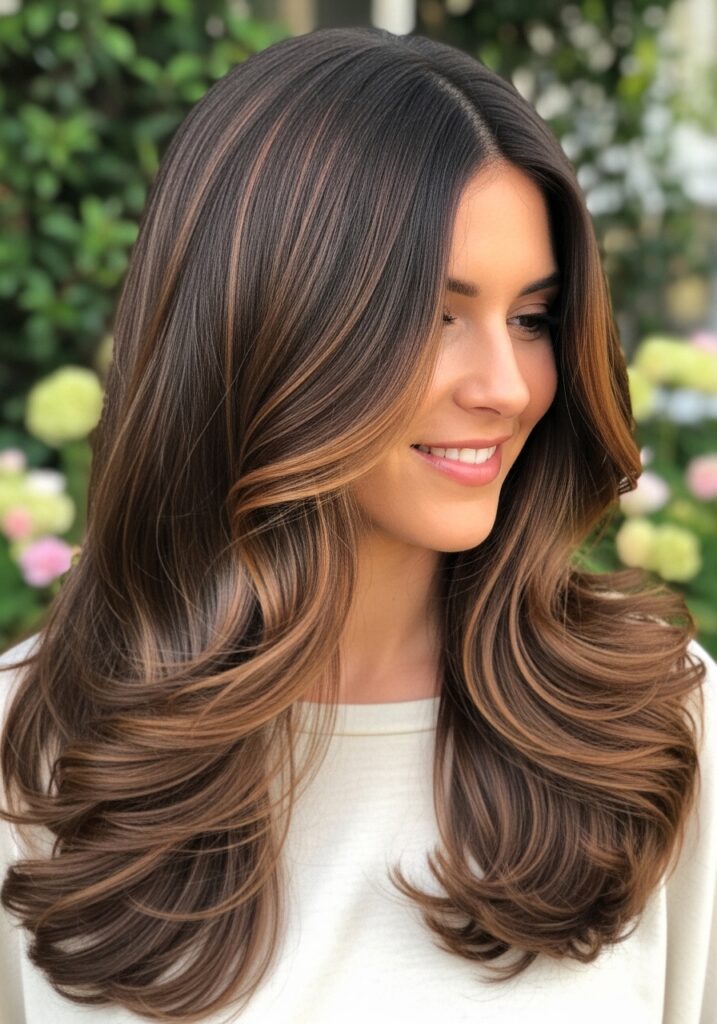
Espresso is the darkest option here and the shine is the point. A gloss or glaze applied over the colour flattens the cuticle and produces the reflective finish.
Dark permanent dyes carry the highest PPD concentrations, which is the reason patch testing matters most at this end of the range. Going darker is also close to irreversible — lifting black or near-black hair back to brown takes multiple sessions and considerable damage.
Conclusion
Choosing a spring shade is really two decisions: which colour, and how much upkeep it requires. Those two rarely align. The most striking shades in a photograph are icy beige, pastel lavender, and rose gold. Each needs bleach, toner refreshes, and appointments every six weeks. The shades that hold for months are the ones sitting closest to natural.
Three questions narrow it quickly. Does the shade need lifting or only depositing? How visible will the regrowth line be against natural hair? And how does the colour look at week six, once the toner has faded? Balayage and bronde score well on all three, which explains their persistence. Anything needing a pre-lightened base is a schedule rather than a single appointment. It is worth going in knowing that.


Leave a Reply