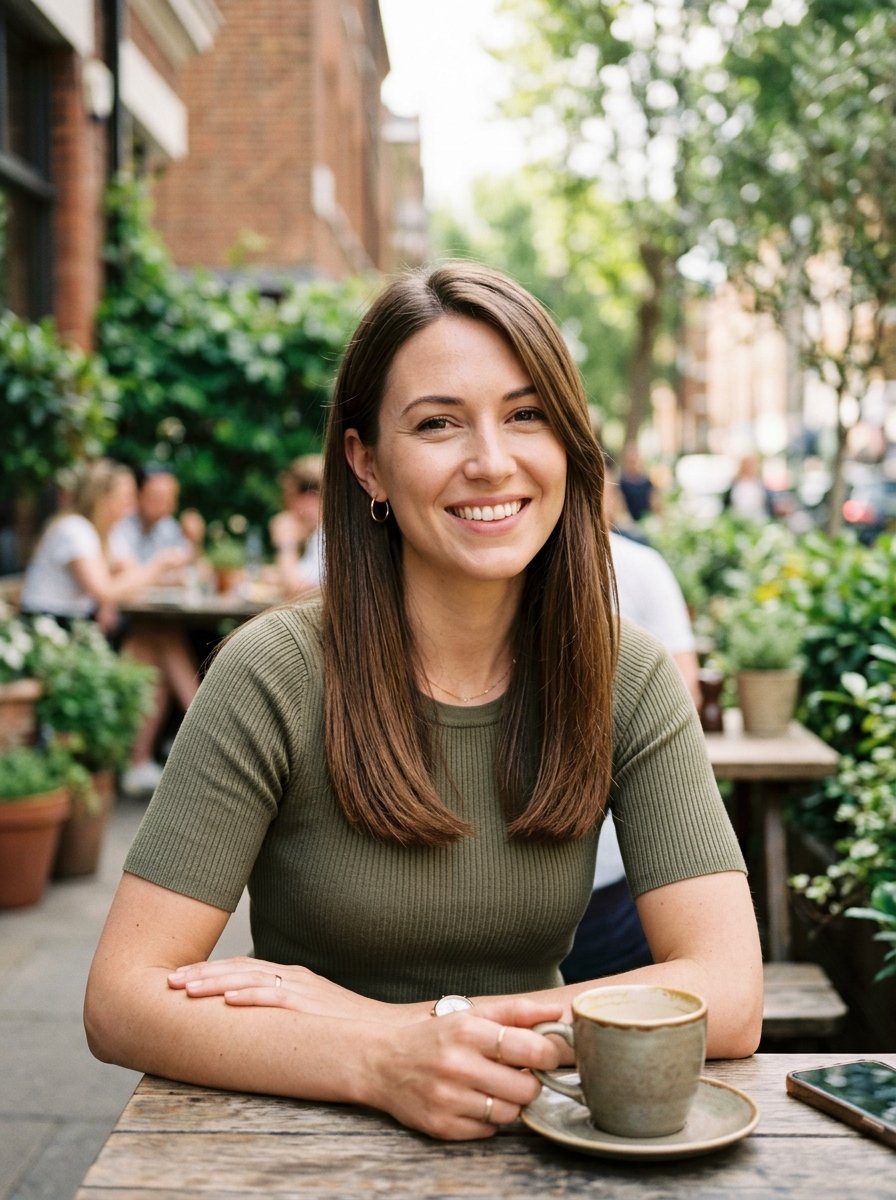
Stylists often name oval as the easiest face shape to work with. The comment comes up so often it functions as shorthand: oval means almost anything looks good. That reputation holds up in most cases, though it does not guarantee every cut is an automatic win. A few structural facts explain the reputation, and a handful of specific cuts consistently outperform the rest.

An oval face shape opens up more options than most other face shapes allow. Knowing which cuts perform especially well, and the mechanics behind that performance, turns a wide field of choices into a confident decision instead of a guess. This guide breaks down what makes the oval shape so adaptable. It also covers which specific haircuts consistently deliver, and where a small adjustment still helps even within such a flexible category.
What Makes a Face Shape Oval

An oval face reads as longer than it is wide, with a softly rounded jaw and a forehead of similar width. The chin tapers gently, without the sharp point of a heart shape or the square angles of a jaw-heavy face. No single feature, a broad forehead or a narrow chin, dominates the overall shape.
A quick way to check the shape involves pulling hair fully back and looking straight into a mirror. A face noticeably longer than it is wide, with curved rather than angular edges and no area standing out as unusually wide, generally signals an oval shape. That balance is exactly why oval faces suit such a wide range of cuts. No single feature needs softening or offsetting, the way it often does with other face shapes.
A 2015 facial-proportion study appeared in Dermatologic Surgery, led by dermatologist Greg Goodman. The research measured photographs of twenty-one women widely regarded as conventionally attractive, spanning different eras and ethnic backgrounds. The averaged oval that emerged had cheekbone width close to 4.3 times the distance between the eyes. Vertical length measured near 6.3 times that same distance. In most of the faces studied, the forehead, cheeks, jaw, and chin traced smoothly onto that single curve. No one feature broke the line. That smooth, unbroken curve is the structural reason an oval face reads as balanced rather than in need of correction. For anyone checking their own reflection, that finding offers a useful sanity check: an oval face rarely has one runaway feature that a haircut needs to fix.
Why Oval Faces Are Considered So Versatile

The reason oval faces pair well with so many hairstyles comes down to proportion. Most face-shape advice exists to correct a specific feature: widen a narrow chin, soften an angular jaw, or shorten an overly long face. Round faces, for instance, typically call for cuts that add height at the crown and reduce width at the cheeks. This guide to flattering hairstyles for round faces breaks down that corrective approach in more detail. Oval faces rarely need that kind of correction, since the proportions already sit close to balanced.
That shifts the styling goal from balancing to simply enhancing. Rather than choosing a cut to offset one dominant feature, someone with an oval face can choose based on personal preference instead. Hair texture and daily routine tend to matter more than strict rules. A handful of cuts still stand out as especially flattering, mainly because they work with the symmetry the shape already has.
Haircuts That Work Beautifully for Oval Faces
Oval faces can wear a huge range of styles, but a handful of cuts show up again and again as particularly flattering choices.
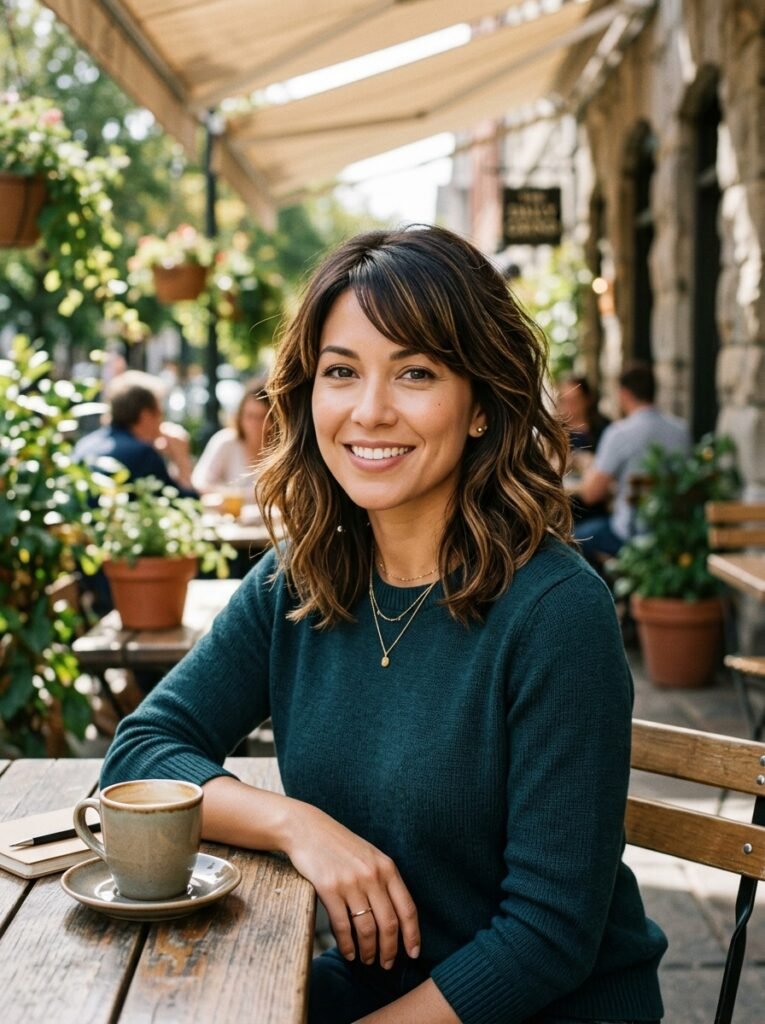
Long Layers
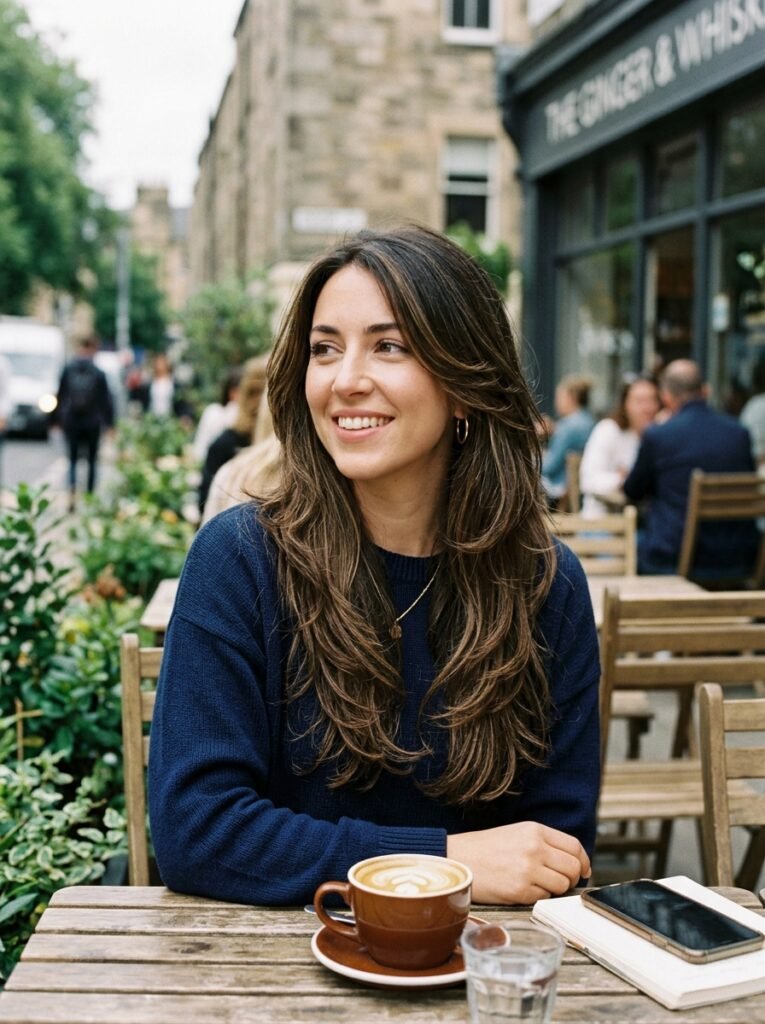
Long layered cuts highlight the natural balance of an oval face without adding bulk or width. The style keeps movement throughout the hair while holding onto length, which pairs well with a shape that is already proportional.
The Classic Bob

Bobs at nearly any length, from a sharp blunt cut to a softer, layered version, tend to look polished on oval faces. Because the shape starts out balanced, a bob rarely creates the boxiness it sometimes produces on rounder or squarer faces.
Curtain Bangs

Curtain bangs suit almost every face shape. They sit especially seamlessly on an oval face, since there is no forehead width or length issue to specifically address. The soft, face-framing effect simply adds a finishing detail without correcting anything underneath.
Blunt, Full Bangs

Full, blunt bangs can overwhelm other face shapes by emphasizing forehead width. On an oval face, the balanced proportions keep the same style from reading as heavy or boxy.
Pixie Cuts
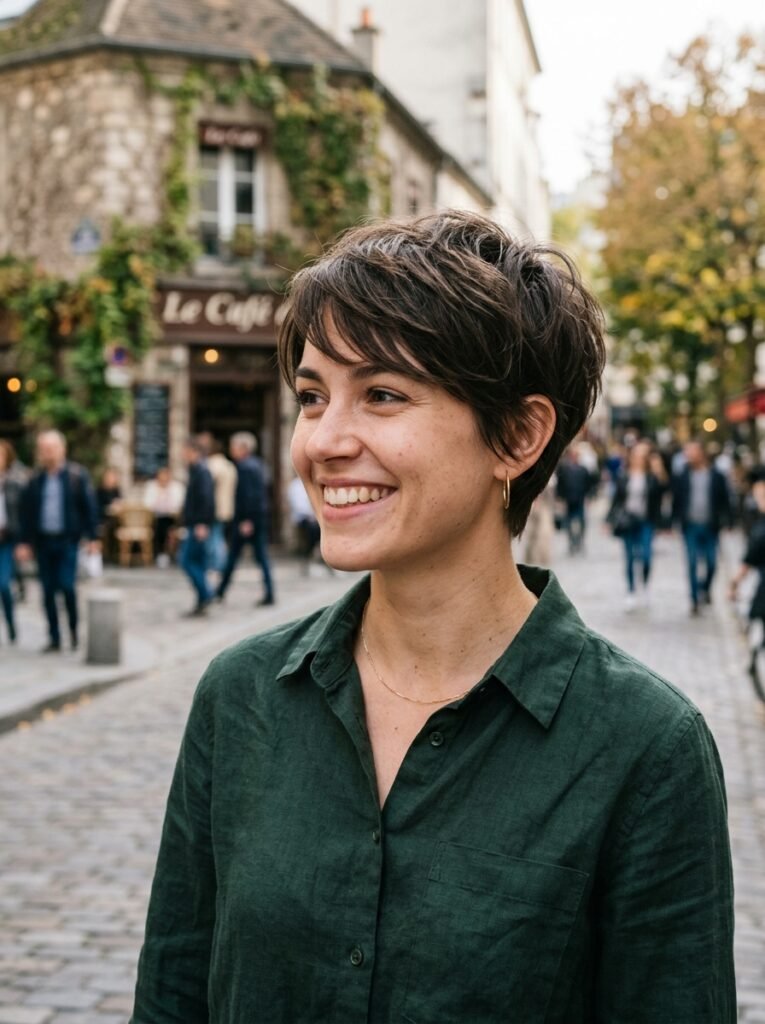
Very short cuts, including pixie styles, come up often as a recommendation for oval faces. Balanced bone structure holds its own, even without hair adding width or length. This is a shape that can genuinely carry a short, structured cut without fighting its own proportions.
The Long Shag

Textured, layered shags add movement and volume throughout, which pairs naturally with an oval face’s existing balance. The cut adds personality and texture without needing to correct any single feature.
Sleek, Middle Part Styles

A middle part can emphasize length or width issues on other face shapes. On an oval face it tends to work well, since no specific proportion gets exaggerated by a center part.
Haircuts Worth Approaching Thoughtfully
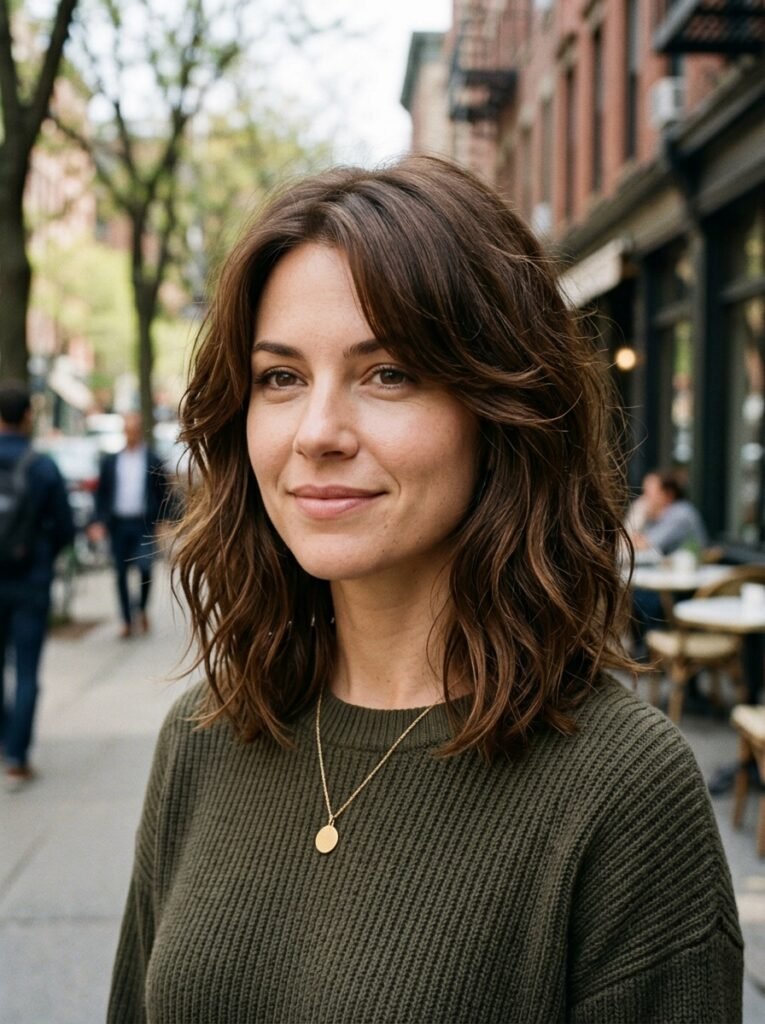
Even with a versatile face shape, a few choices reward a bit more thought. That is not because they are off-limits, but because small adjustments make them look even better.
Extremely Rounded Bobs
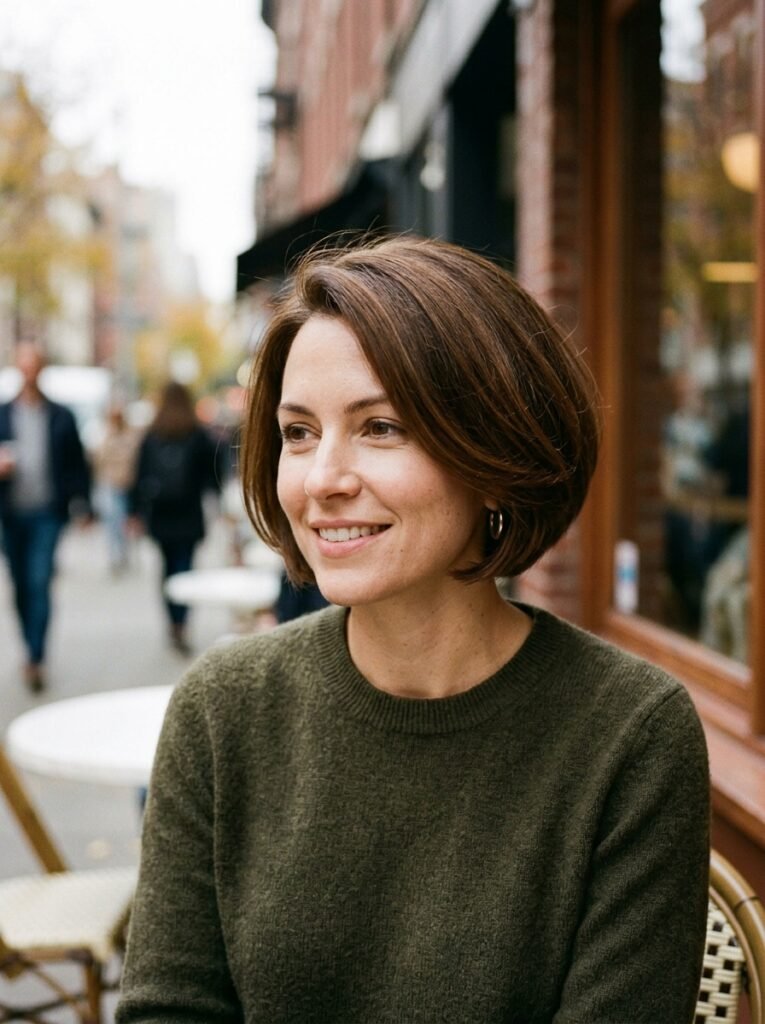
A very rounded, chin-length bob without layering can occasionally add unwanted width right at the jaw, even on an oval face. Subtle layers or light texturizing usually solve this without requiring an entirely different style.
Very High, Slicked Back Styles
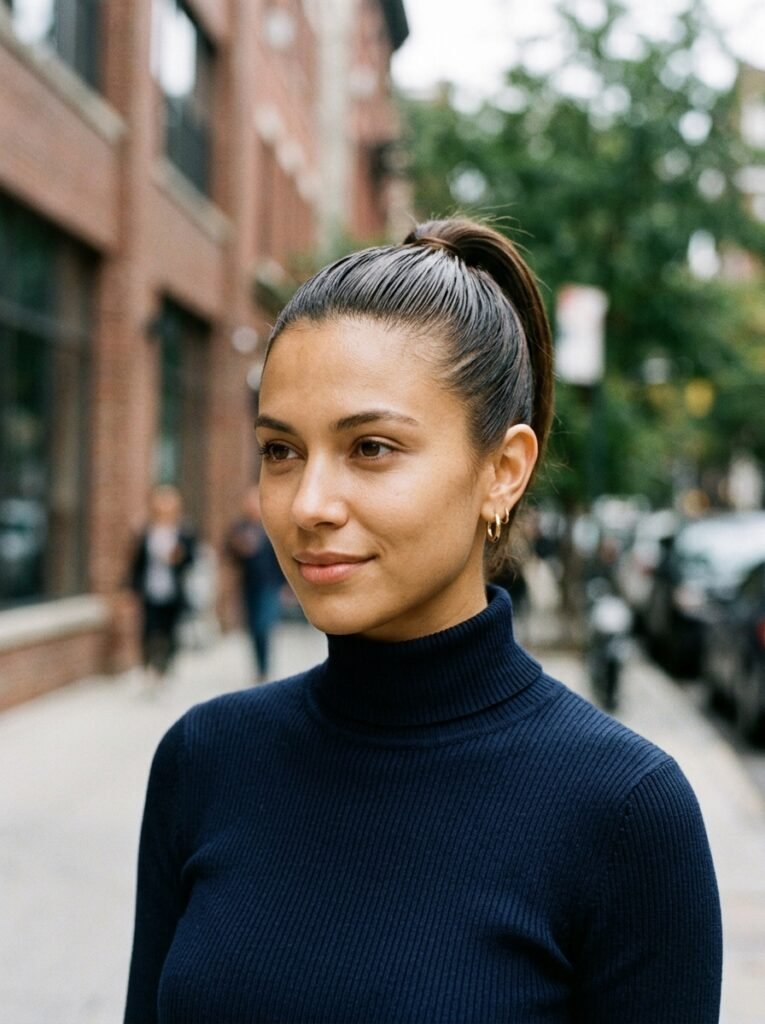
Oval faces generally wear pulled-back styles well. An extremely severe, slicked-back look with zero volume, though, can occasionally make the face read slightly longer than intended. Adding volume at the crown, or leaving a few soft pieces around the face, keeps the style balanced.
Overly Heavy, Blunt Bangs

Blunt bangs generally work on oval faces. Extremely thick, heavy bangs with no texture, though, can feel like too much visual weight at the top of the face. Slightly textured or wispy versions tend to feel more balanced without losing the blunt bang look.
None of these amount to strict rules. They read more like small refinements some people choose to make. Even a versatile face shape can benefit from minor tweaks based on individual features like eye spacing, brow shape, or overall bone structure.
How Hair Texture Changes Styling Choices for Oval Faces
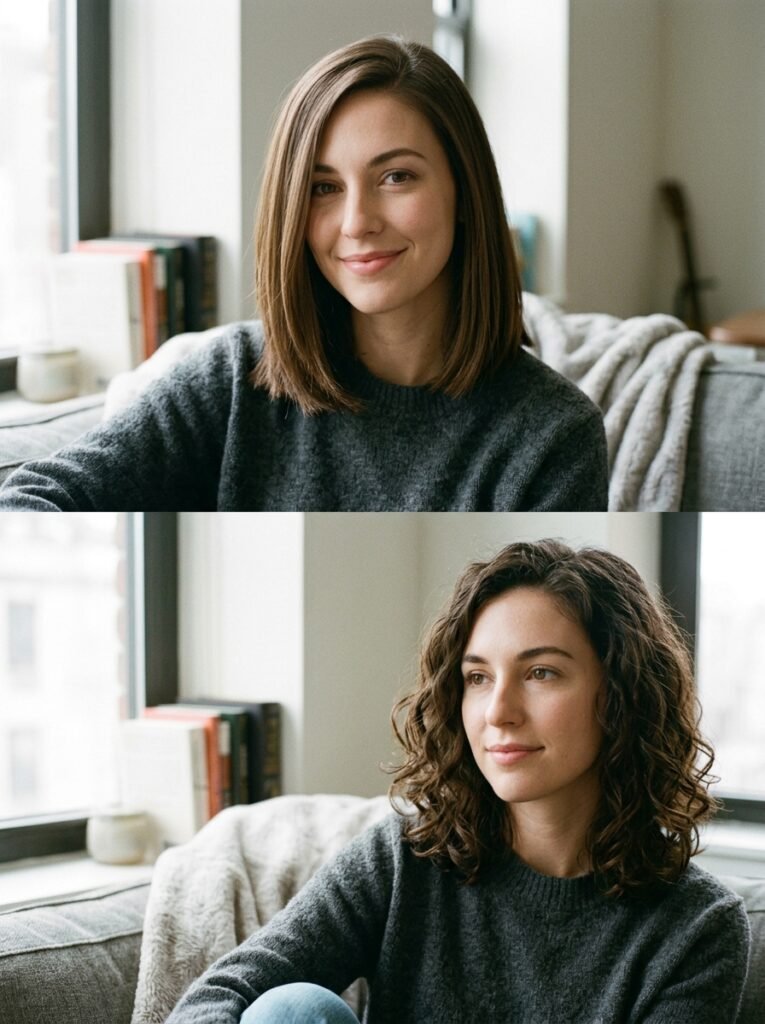
Face shape offers a helpful starting point. Natural hair texture still plays a significant role in how any given haircut ultimately looks and behaves.
Straight Hair
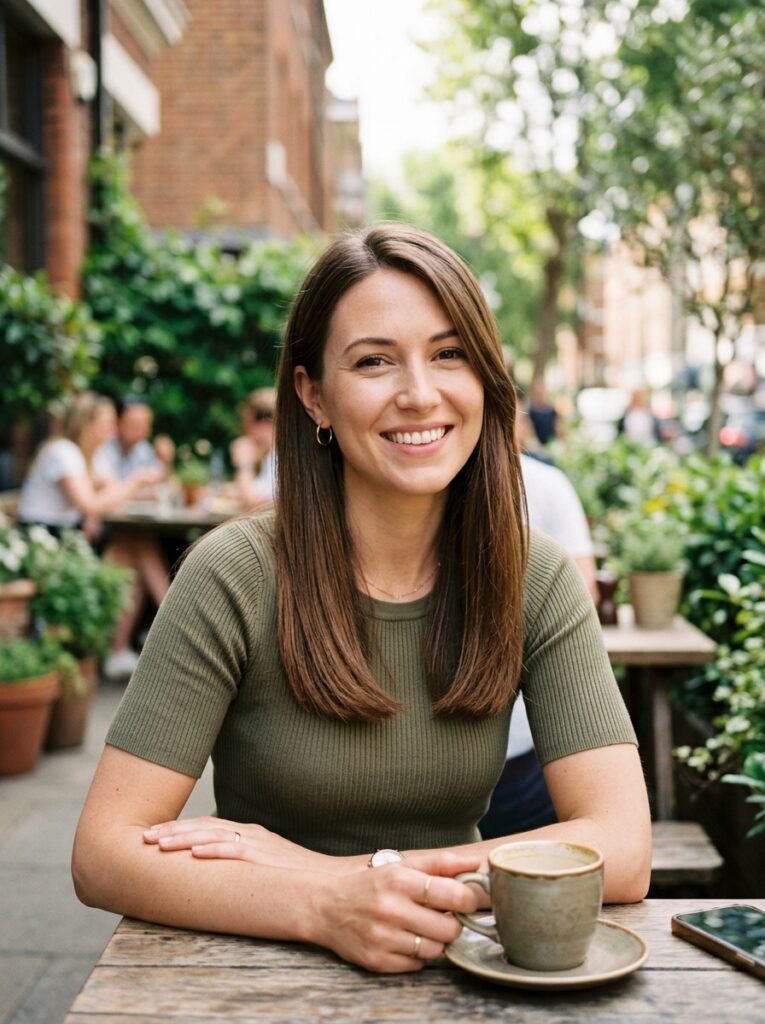
Straight hair on an oval face tends to look sleek and polished at almost any length, from a chin-length bob to long, straight layers. Because straight hair shows a haircut’s line clearly, it works well for more structured, defined cuts.
Wavy Hair

Wavy hair adds natural texture and movement, which pairs especially well with layered cuts or shags on an oval face. The added dimension complements the shape’s natural balance without requiring much extra styling effort.
Curly Hair

Curly hair on an oval face often looks striking with layered cuts that let curls spring and move naturally. Because oval faces rarely need correction, curly-haired individuals with this shape often have more freedom to embrace their natural pattern.
Thick Hair
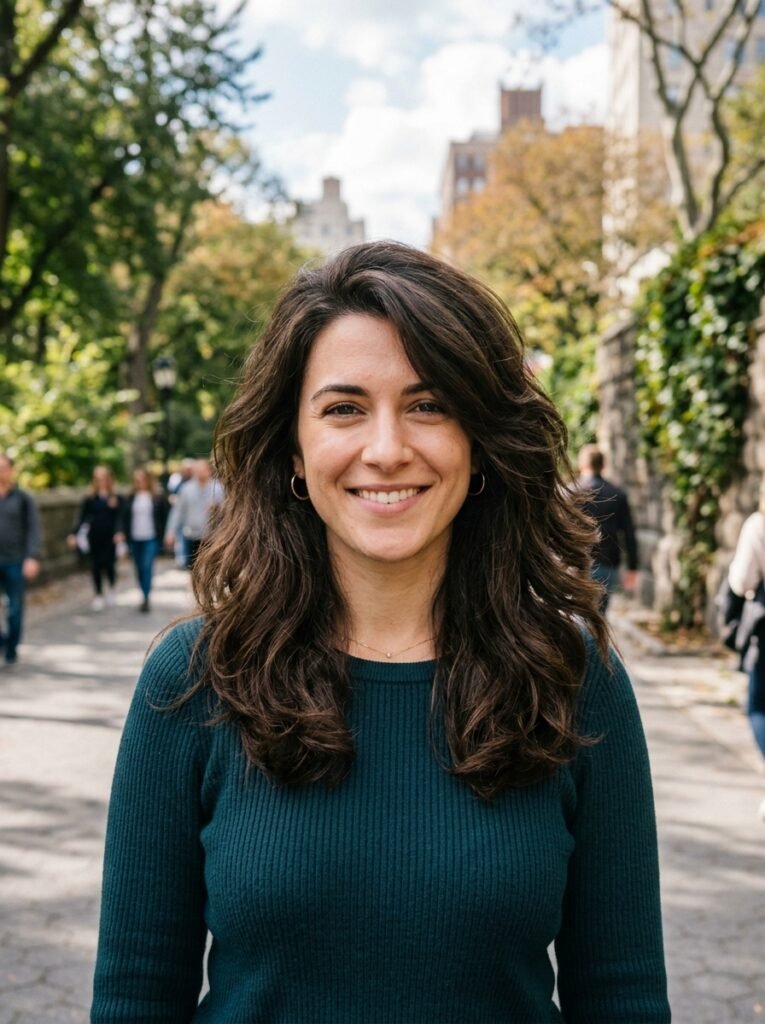
Thick hair on an oval face benefits from some layering to prevent excess bulk. The shape itself, though, does not need slimming or narrowing, so fuller, more voluminous styles generally work without much concern. For more targeted cutting techniques, this guide to short haircuts for thick hair breaks down which shapes reduce bulk without sacrificing volume or movement.
Fine Hair

Fine hair on an oval face often looks great in blunt cuts, since fine strands tend to appear fuller and healthier without heavy layering. Too much layering can make fine hair look sparse or wispy instead.
Choosing a Haircut Based on Lifestyle, Not Just Face Shape
Because oval faces carry so much flexibility, the decision often comes down to lifestyle and personal preference rather than strict face-shape guidelines. A few questions help narrow down the options.
Relevant questions include how much daily time someone wants to spend styling. A low-maintenance cut fits some routines better than a more involved one does. Classic, timeless styles appeal to some people more than following current trends does. Natural texture also matters, since some cuts work well against its grain and others do not. Trim frequency is worth weighing too, since certain shapes need more regular upkeep to hold their line.
Face shape is not the limiting factor here that it can be for other shapes. These practical considerations often carry more weight than face-shape compatibility alone.
Common Mistakes People With Oval Faces Make
Even with a naturally versatile face shape, a few recurring mistakes show up when people choose a new haircut.
Assuming any haircut will automatically look good, regardless of hair texture. Oval faces work with most cuts, but texture still plays a major role. Skipping that consideration can lead to disappointment even with a flattering face shape. A quick conversation about texture before committing to a specific length or layering pattern heads off most of that disappointment.
Overlooking features beyond face shape. Eye spacing, brow shape, and neck length still influence how flattering a particular haircut feels, even on a versatile shape like oval.
Choosing a style purely based on trends, without weighing lifestyle. A trendy cut that demands heavy daily styling may not suit a busy schedule, no matter how well it theoretically suits an oval face. Weighing that daily time cost against the payoff, before booking the appointment, prevents a cut that photographs well but gets skipped after a few rushed mornings.
Skipping an honest conversation with a stylist about texture and habits. Even with a flattering shape, a stylist still needs accurate information about natural texture and daily routine to recommend a cut that holds up beyond the initial salon blowout.
Feeling limited by outdated rules meant for other face shapes. People with oval faces sometimes avoid certain cuts based on general advice aimed at square or round faces. Those specific concerns rarely apply to their own balanced proportions. A stylist familiar with oval faces can usually confirm, in a single consultation, which inherited rules genuinely apply and which do not.
Expert Insight: Versatility Means More Choice, Not No Decision
A common misconception treats oval-face versatility as a reason the haircut choice barely matters. In reality, more options mean more decisions worth making thoughtfully, not fewer things to consider.
Experienced stylists tend to agree that even a naturally balanced face shape benefits from a genuine conversation. That conversation should cover hair texture, lifestyle, personal style, and smaller facial features beyond the overall shape category. Oval-face versatility is a real advantage, but it works best as a starting point for that conversation rather than a reason to skip it.
Practical Tips for Choosing Your Next Haircut
A few simple steps help make the most of the flexibility an oval face shape offers.
Bringing reference photos with a similar hair texture helps more than photos chosen for face shape alone. Texture influences the final result more directly here. Honesty with a stylist about daily styling habits keeps expectations realistic, especially regarding how much time actually goes toward hair each morning. Lifestyle and personal style should generally lead the decision, since face-shape concerns carry less weight than they do for other shapes. Trying an unfamiliar style is lower-risk than usual, given how much room an oval face has to experiment. Naming specific features to highlight or soften, even ones unrelated to face shape, still gives a good stylist useful information to work with. A follow-up appointment a few weeks after a big change also helps fine-tune length or layering once the cut has settled into its natural fall.
Frequently Asked Questions
What haircuts work best for oval faces?
Long layers, classic bobs, curtain bangs, and even pixie cuts all tend to work particularly well, since the shape’s balanced proportions complement a wide variety of styles.
Are there any haircuts oval faces should avoid?
No style is strictly off-limits, though an extremely rounded bob without layering, or a severe, slicked-back style with no volume, can occasionally benefit from small adjustments.
Can oval faces wear bangs?
Yes. Oval faces generally suit most bang styles, from full blunt bangs to soft curtain bangs, since there is no forehead-width issue that bangs typically need to address.
Does hair texture matter for an oval face shape?
Yes. Natural hair texture still significantly influences how a given haircut looks and behaves, making it an important factor to discuss with a stylist regardless of face shape.
Is short hair a good option for oval face shapes?
Yes. Oval faces are often specifically recommended for short cuts, including pixie styles, since balanced bone structure holds up well even without hair adding width or length.
Why do oval faces work with so many different hairstyles?
Oval faces have naturally balanced proportions, without a single feature like an unusually wide forehead or narrow chin needing correction. That balance is why such a wide range of cuts tends to look flattering.
Conclusion
An oval face shape genuinely makes choosing a flattering haircut easier than it is for many other shapes, though the decision still deserves some thought. From long layers to pixie cuts, the range of options is wide, which shifts the real decision toward hair texture, lifestyle, and personal style rather than face-shape compatibility.
Anyone considering a new haircut can lean into the flexibility an oval face offers, while still discussing texture, maintenance, and daily styling routine with a stylist. With so many flattering options already available, the best haircut is simply the one that fits a person’s life and personal style most naturally.

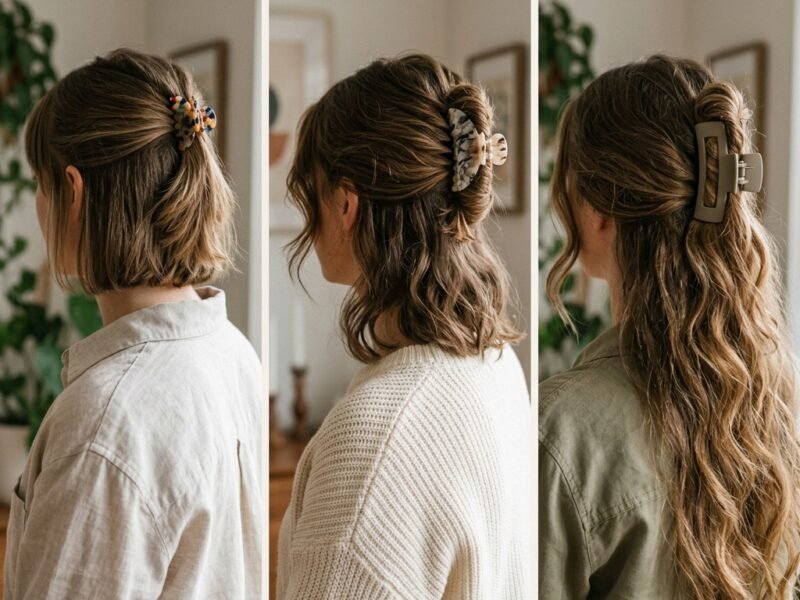

[…] The asymmetrical bob breaks up the density of thick hair with an intentionally uneven length. One side sits noticeably longer than the other, which creates a sharp, dynamic silhouette instead of a flat, even outline. The imbalance naturally draws the eye toward the jawline and cheekbones, flattering most face shapes in the process. It suits sleek straight styling, soft waves, or a simple tuck behind one ear for definition. Jet black, cool brown, and balayage blonde all sharpen the geometric contrast between the two sides. Readers who want a face-shape-specific option can compare cuts in this guide to oval face hairstyles. […]