
Layers cannot add hair. They redistribute the weight of what already grows, and that redistribution is what reads as volume. Understanding the distinction changes what to ask for at the consultation. It also explains why the same request produces a transformation on one head and a limp, stringy result on another. The industry publication Behindthechair makes the underlying point plainly: stylists there describe fine hair as an architectural haircut problem rather than a styling one, and note that fine and thin get used interchangeably when they describe different things — diameter of each strand versus how many strands grow. Misidentifying which one applies leads to cuts that flatten hair further. This guide covers 21 soft layered hairstyles that add instant volume, with the salon vocabulary and the technical variable behind each.

1. Soft Layered Long Hair
Long hair carries the most weight, which is why it hangs flattest without layers. Removing weight is the entire mechanism.
The variable to specify is where the shortest layer sits. A shortest layer at the chin creates visible lift; one at the collarbone barely registers on very long hair. Asking for “long layers” without naming that point leaves the decision to guesswork.

2. Layered Curtain Cut
Curtain bangs are the shortest face-framing layer, blended so they connect rather than sit separately.
The connection is what stops them reading as a fringe grown out badly. Asking for the bang to be “connected into the layers” rather than cut as its own section gets the right result. Length at the shortest point usually falls between cheekbone and jaw.

3. Feathered Layered Hair
Feathering tapers the ends finely rather than cutting them blunt. The technique matters more than the shape.
Point cutting produces it — the shears enter the hair vertically rather than straight across, which softens the line. On fine hair this can go too far. Over-tapered ends look sparse rather than airy, so it is worth saying how much softness is wanted.

4. Layered Shoulder-Length Hair
Shoulder length has a specific problem: the ends flick outward where they meet the shoulder. Layers break up the weight at exactly that point.
The fix is internal rather than visible. Removing bulk just above the shoulder line lets the ends fall instead of kicking. Anyone who has grown out a bob and hated the middle stage was usually missing this.

5. Soft Layered Lob
The long bob sits below the shoulders with light layers that stop it reading as blunt.
Layer depth is the variable. Shallow layers keep the lob looking structured; deep ones turn it into something closer to a shag. Fine hair benefits from fewer, longer layers here, since heavy layering leaves the perimeter looking thin.

6. Layered Shag Haircut
The shag stacks short layers at the crown over longer ones below. It removes more weight than almost any cut here.
Thick hair is the natural candidate, since debulking is half the point. It also grows out better than most shapes, holding its silhouette for two or three months. Salon intervals for a range of cuts are compared in this breakdown of 2026 hair trends.

7. Soft Layered Bob
A bob with layers reads fuller than a blunt one, which sounds contradictory. Removing weight lets the remaining hair lift.
The layers should stay internal on fine hair. Visible surface layers on a short cut expose the ends and make the perimeter look sparse. Asking for “invisible layering” or “internal texture” communicates this better than the word layers alone.

8. Layered Butterfly Haircut
The butterfly stacks short crown layers over untouched long lengths, so it adds shape without any real loss of length.
That is its main appeal for anyone growing hair out. The short layers do the framing while the long ones keep the silhouette. A fuller treatment of the cut appears in this round-up of butterfly haircuts.

9. Layered Wolf Cut
The wolf sits between a shag and a mullet, with heavy crown layering and length retained at the ends.
Fine hair struggles with it. The aggressive layering leaves too little at the perimeter and the ends read as straggly. Requesting a blunt perimeter rather than a feathered one corrects most of that, and it is the single most useful thing to say at the consultation.

10. Long Layers with Face Framing
Face-framing concentrates the shaping at the front and leaves the back largely untouched.
That limited scope makes it the lowest-risk layered cut available. It also grows out invisibly, blending back into the length without an awkward stage. Anyone unsure about layers should start here and go further at the next appointment.

11. Textured Layered Waves
Texture and layers are different things, and conflating them causes trouble. Layers are cut; texture is created.
Thinning shears are the risk here. On fine hair they produce short broken pieces that stick up at the root rather than genuine texture. Point cutting achieves the same separation without that side effect, and it is worth naming which method is wanted.

12. Layered Beach Waves
Layers give waves somewhere to sit. Uncut long hair holds a wave poorly because the weight pulls the bend straight.
Colour amplifies the effect further. Balayage placed to follow the layers makes the separation visible from a distance, which is why the two are so often booked together.

13. Voluminous Layered Blowout
A blowout on layered hair works because each layer can be lifted separately at the root.
Volume then sets as the hair cools, not while it is hot. Holding each section on the round brush for a few seconds after the dryer moves away locks the lift in. Releasing warm undoes it immediately, which is the most common reason a home blowout drops by lunchtime.

14. Layered V-Cut
The V-cut tapers the back to a point rather than cutting it straight across. It is a perimeter shape, not a layering technique.
The distinction matters at booking. A V perimeter can be paired with heavy layers or almost none, and the two decisions are separate. Curly hair suits the V well, since the point counteracts the triangular shape curls tend toward.

15. Layered U-Cut
The U-cut rounds the back instead of pointing it, which keeps more weight at the perimeter.
That retained weight is the reason to choose it. Fine hair looks fuller with a U than a V, because the V removes hair from exactly the area where thinness shows. The two shapes are frequently confused, and the difference is worth knowing before the appointment.

16. Layered Pixie Cut
Layers at the crown lift a pixie away from the head, which is what stops it lying flat.
Fine hair does well here, since short lengths carry no weight to drag the shape down. The trade-off is frequency. A pixie loses its shape within four to six weeks, faster than any longer layered cut, because there is so little length to absorb the growth.

17. Layered Angled Bob
An angled bob runs longer at the front and shorter at the back, and the angle creates apparent fullness through the shorter section.
Steepness is the thing to specify. A subtle angle reads classic; a severe one reads deliberate and dated quickly. Both sides also grow at the same rate, so the angle holds its proportion but the whole cut drops.

18. Layered Face-Framing Bangs
Face-framing bangs blend into the layers behind them rather than sitting as a separate block.
They also need daily direction that the rest of the hair does not. Thirty seconds with a round brush sets them; left to dry, they fall wherever they landed overnight and resist correction without heat.

19. Layered Curtain Waves
Curtain layers combined with waves give shape at the face and movement through the lengths.
Direction ties the two together. Curling away from the face rather than toward it keeps the waves moving the same way as the curtain sections. Curling inward crowds the cheeks and undoes the framing the cut provides.

20. Layered Choppy Waves
Choppy layers are cut deliberately uneven, which produces separation rather than a smooth graduated line.
Execution decides whether this reads as designed or damaged. A stylist unfamiliar with the technique produces something closer to the latter. Bringing a photograph matters more for this cut than for any other on the list.

21. Layered Blowout with Soft Ends
This combines internal layering for lift with a softly tapered perimeter, so the crown gains volume while the ends stay smooth.
It is the most forgiving option here for hair that is fine but dense. The internal work creates the lift; the intact perimeter stops the ends looking sparse. Those two requests together cover most of what people mean when they ask for volume.

Conclusion
Layers work by removing weight, never by adding hair. Every cut above is a different answer to the same question: where should that weight come out, and how much.
Four things are worth settling before the shears start. Where the shortest layer sits, since that single point defines the whole shape. Whether the layering is internal or visible, which decides how the perimeter reads. Whether the ends are point cut or blunt. And whether thinning shears are being used at all, because on fine hair they create short broken pieces rather than texture.
The 21 soft layered hairstyles above each shift one of those variables. Fine hair generally wants fewer layers, kept internal, with a blunt perimeter. Thick hair wants the opposite — genuine debulking, and plenty of it. Naming which problem applies turns a vague request for volume into a cut that actually delivers it.

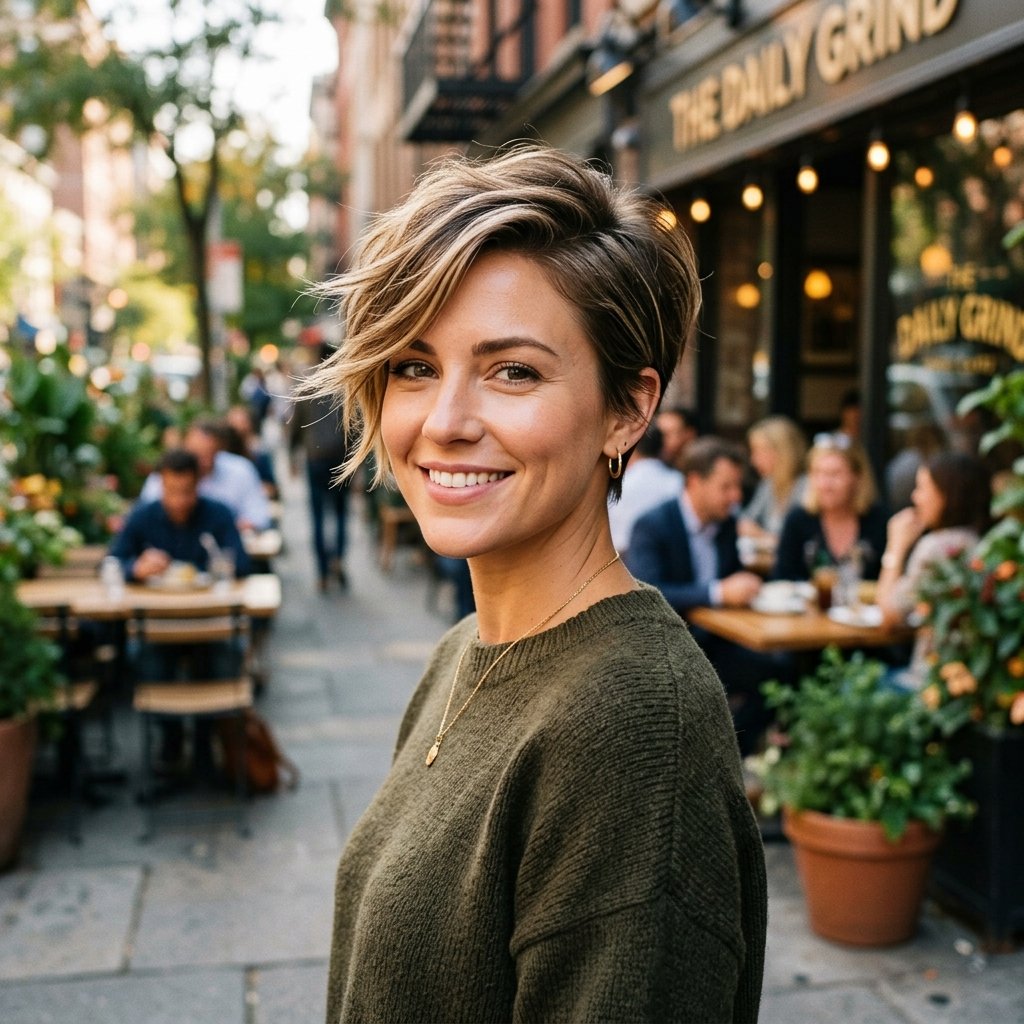
[…] through the crown. For a deeper look at how layer placement changes the outcome, see this guide to layered haircuts and what to actually ask for. Styled with soft waves or a blowout, this cut looks polished without heavy […]
[…] The soft layered lob sits between chin and shoulder, and its blended layers add movement without demanding daily styling. Gentle shaping around the face softens fine lines and lifts thinning strands at the crown. The cut grows out gracefully, so salon visits can stretch to ten or twelve weeks instead of the six a sharper shape requires. It suits straight, wavy, and slightly curly textures equally well, and it flatters round, oval, and heart-shaped faces in particular. Gray hair, silver balayage, and warm caramel tones all read beautifully against the soft edges. A quick pass with a round brush, or simple air-drying, keeps the shape polished on busy mornings. Anyone curious how layer placement changes a cut’s volume can find more detail in this guide to layered hairstyles that add instant volume. […]
[…] Anyone weighing how much layering their hair can actually handle before it loses body might find this breakdown of layered haircuts useful for narrowing down the request before a […]
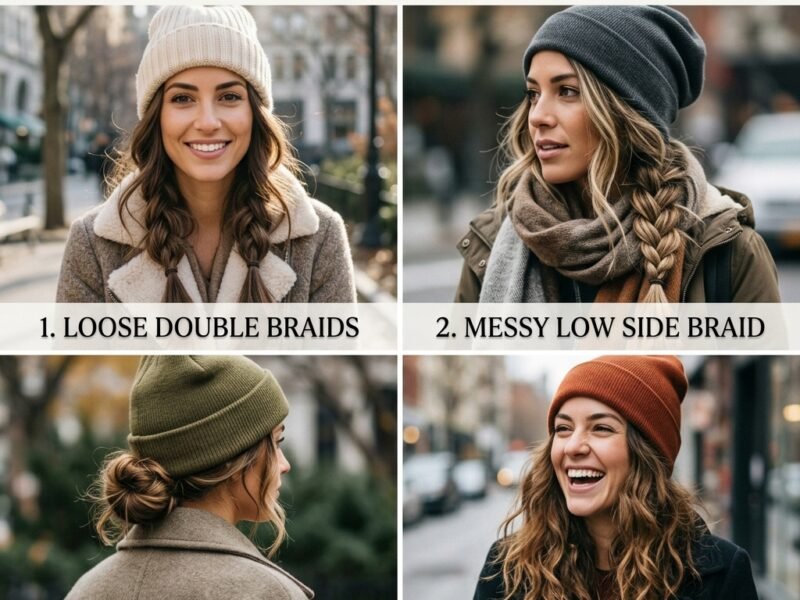
[…] hair out of the face without pressing on the top. Layers are forgiving under a beanie, and the layered haircut guide explains how cuts with movement tend to recover more easily from a […]
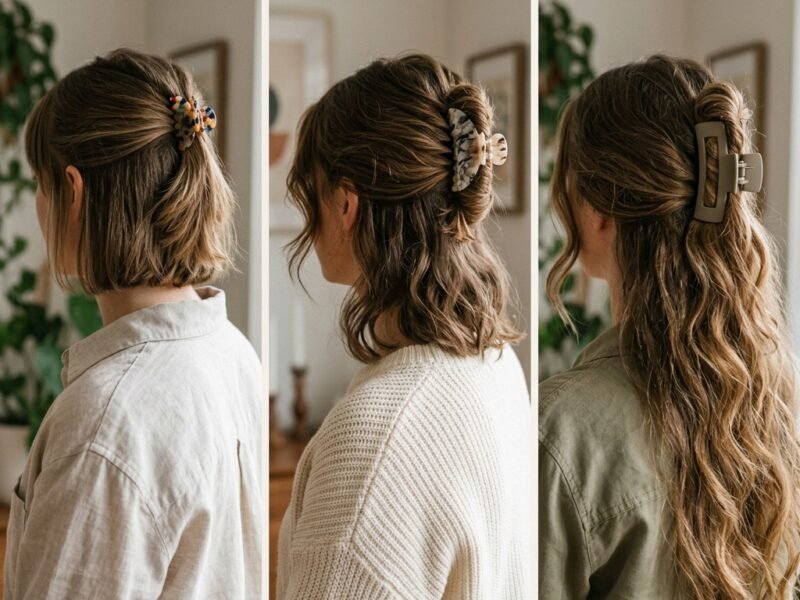
[…] open. Layered cuts do especially well here, since the shorter layers add volume at the top. The layered haircut guide explains how layers create movement that clips can […]